
Sponsored
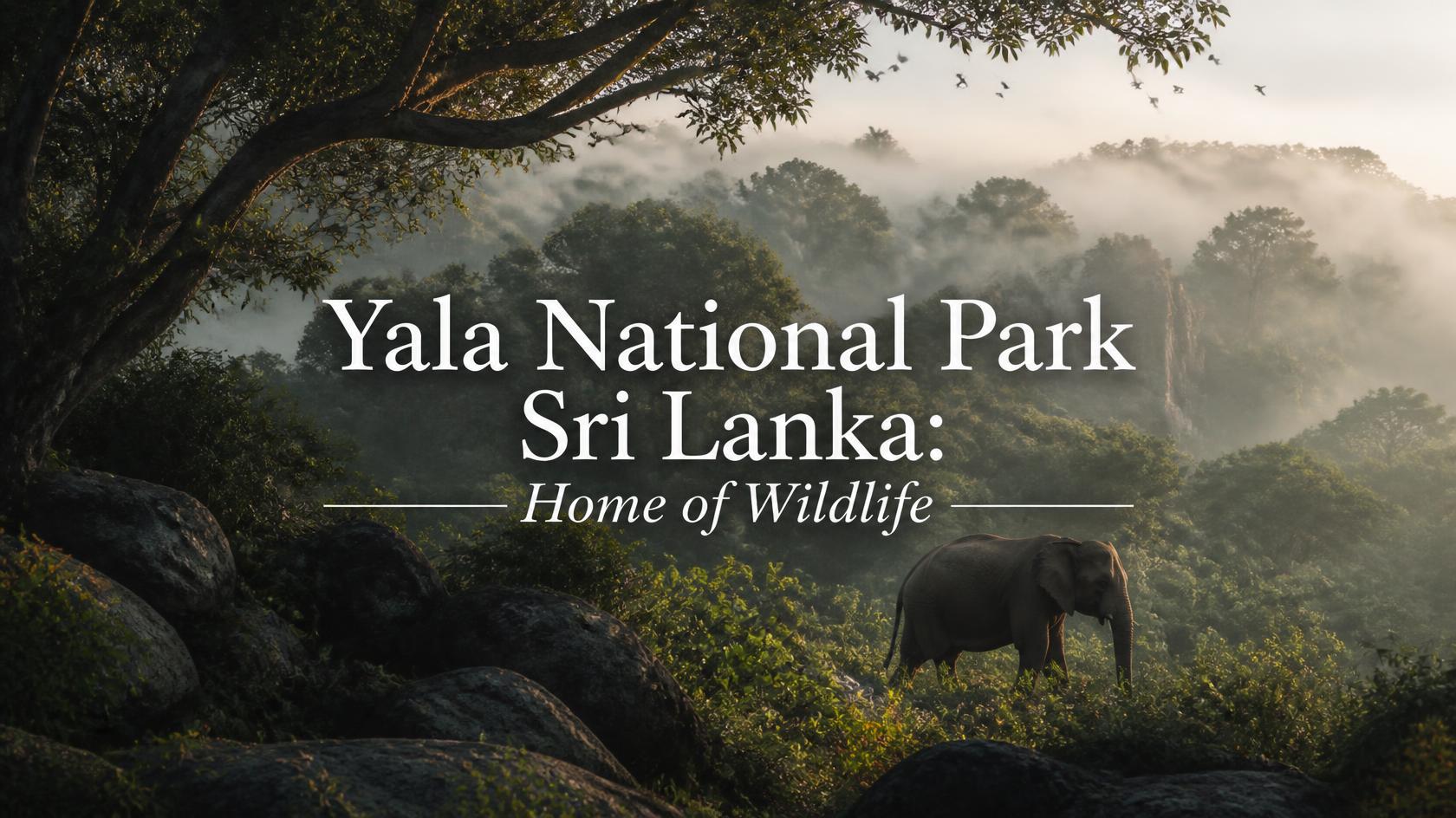
Yala National Park: Home of Sri Lanka’s Wildlife Paradise
Rakshika Rathnayake8/3/20265 min read
Share:Facebook
Introduction
Located in the southeastern region of Sri Lanka, Yala National Park is one of the most famous wildlife destinations in Asia. Known for its incredible biodiversity, breathtaking landscapes, and high concentration of leopards, Yala has become a dream destination for wildlife enthusiasts, photographers, and nature lovers from around the world.
Spreading across the Hambantota and Monaragala districts, Yala National Park represents the perfect combination of forests, grasslands, wetlands, lagoons, and coastal ecosystems. The park provides a safe habitat for hundreds of animal and bird species while preserving one of Sri Lanka’s most valuable natural treasures.
Often described as the home of Sri Lanka’s wildlife, Yala offers visitors a rare opportunity to witness wild elephants, Sri Lankan leopards, sloth bears, crocodiles, deer, and colorful bird species in their natural environment.
Location and Geographic Importance
Yala National Park is located in Sri Lanka’s southeastern dry zone, bordering the Indian Ocean.
The park covers approximately 1,260 square kilometers, making it one of the largest protected areas in Sri Lanka. It is divided into several blocks, with Block 1 being the most popular area among visitors due to its excellent wildlife viewing opportunities.
The unique landscape of Yala includes:
Dry monsoon forests
Open grasslands
Rocky outcrops
Freshwater lakes
Coastal lagoons
Sandy beaches
This diverse environment creates ideal conditions for a wide variety of wildlife species.
The park’s location near the coast also makes it different from many other national parks, as visitors can experience both terrestrial wildlife and coastal ecosystems within one destination.
History of Yala National Park
Yala has a long history of conservation in Sri Lanka.
The area was first declared a wildlife sanctuary in 1900 and later became a national park in 1938 under the protection of Sri Lanka’s wildlife conservation system.
Historically, the region surrounding Yala was connected with ancient civilizations. Several archaeological sites found within and around the park indicate that human settlements existed in this area thousands of years ago.
Today, Yala is managed mainly for wildlife conservation, scientific research, and responsible tourism.
The park plays an important role in protecting endangered species and maintaining the ecological balance of Sri Lanka’s dry zone.
The Leopard Kingdom of Sri Lanka
The biggest attraction of Yala National Park is undoubtedly the Sri Lankan leopard.
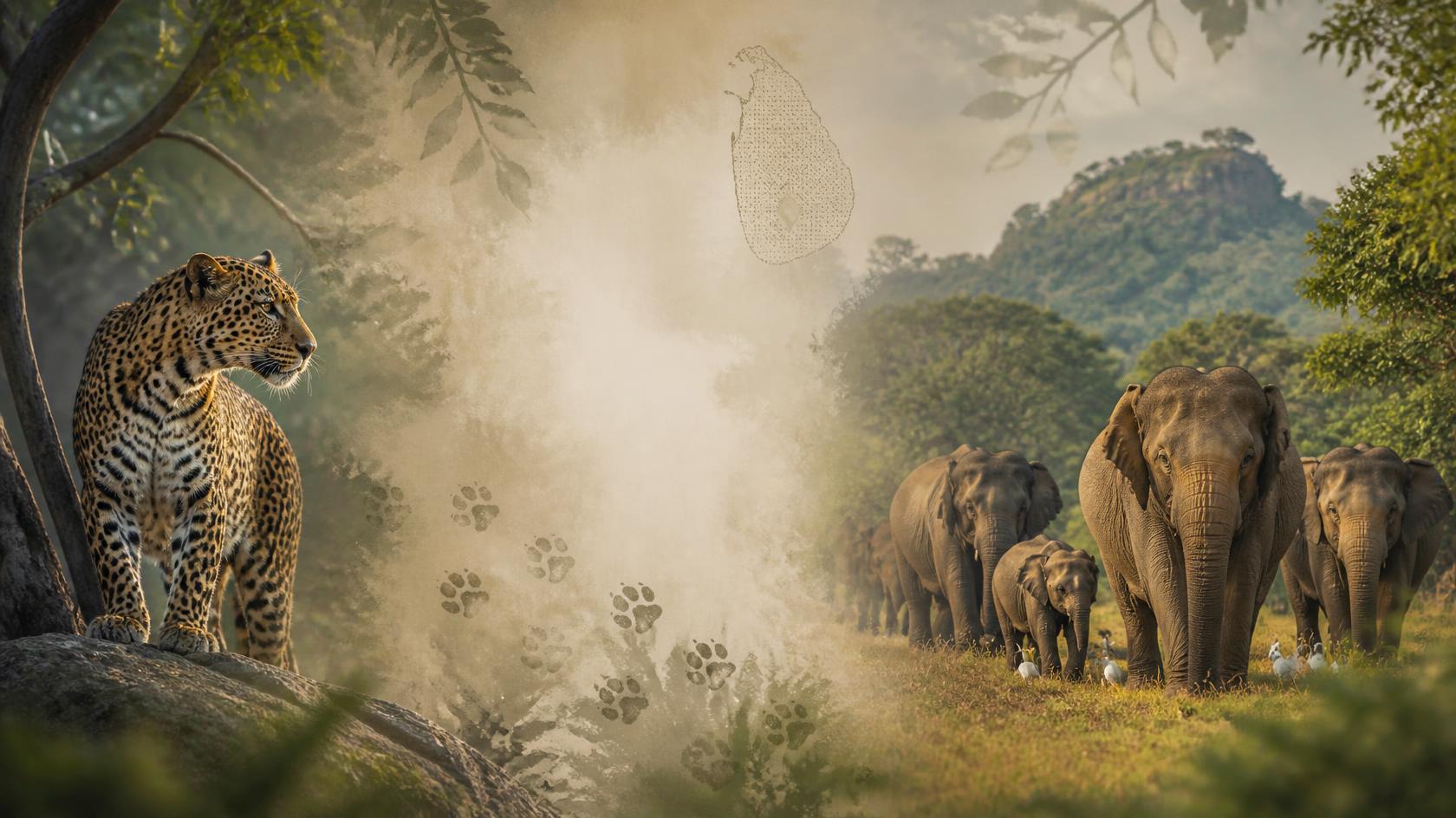
Yala is internationally recognized as one of the best places in the world to observe leopards in the wild. The park has one of the highest leopard densities globally, making it a paradise for wildlife photographers.
Unlike many other big cats, Sri Lankan leopards are often seen moving through open areas, resting on rocky platforms, or walking along forest paths.
Visitors may witness leopards:
Climbing trees
Hunting prey
Resting near water sources
Moving through grasslands
Seeing a leopard in its natural habitat is one of the most unforgettable experiences Yala offers.
Amazing Wildlife Diversity
Yala National Park is home to a remarkable variety of mammals, reptiles, birds, and other wildlife.
Sri Lankan Elephants
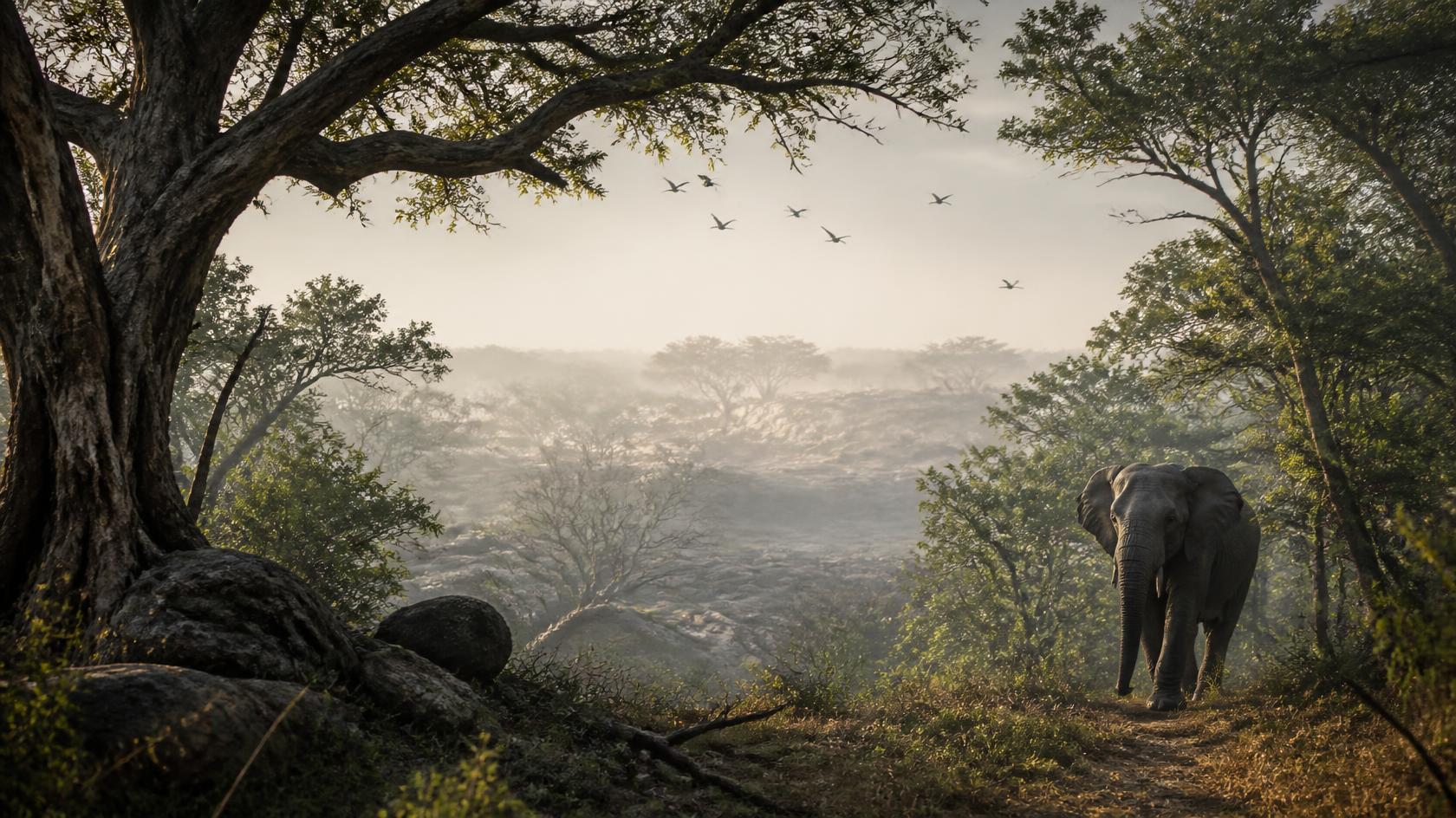
The Sri Lankan elephant is one of the most iconic animals found in Yala.
Large herds of elephants can often be seen:
Walking through forests
Bathing in waterholes
Feeding on grasslands
These gentle giants play an important role in maintaining the ecosystem by shaping vegetation patterns and creating habitats for other species.
Sloth Bears
The Sri Lankan sloth bear is another rare and fascinating animal found in Yala.
These shy mammals are usually seen searching for food such as:
Fruits
Insects
Honey
Termites
Spotting a sloth bear during a safari is considered a special wildlife experience because they are much less commonly seen than elephants or deer.
Deer and Other Herbivores
Yala provides a safe environment for many herbivorous animals, including:
Spotted deer
Sambhur deer
Wild buffalo
Wild boar
These animals form an important part of the food chain and support the survival of predators such as leopards.
Reptiles and Aquatic Animals
The wetlands and rivers of Yala support many reptile species.
Commonly observed reptiles include:
Mugger crocodiles
Estuarine crocodiles
Monitor lizards
Land turtles
The park’s lagoons and waterways create perfect habitats for these fascinating creatures.
Birdwatcher’s Paradise
Yala National Park is one of Sri Lanka’s best birdwatching destinations.
The park supports hundreds of bird species, including both resident and migratory birds.
Common birds include:
Sri Lankan junglefowl
Peacocks
Painted storks
Eagles
Kingfishers
Pelicans
Herons
During the migratory season, many birds arrive from different parts of the world, making Yala a spectacular destination for bird enthusiasts.
Safari Experience in Yala
A safari at Yala National Park is an unforgettable adventure that allows visitors to explore the wilderness while observing animals in their natural habitats.
Most visitors experience Yala through jeep safaris.
Safari tours usually include:
Early morning safaris
Evening safaris
Wildlife photography tours
Guided nature experiences
Early morning and late afternoon are considered the best times for wildlife observation because animals are more active during cooler temperatures.
A typical safari journey takes visitors through forests, grasslands, and water areas where animals gather.
Environmental Importance of Yala National Park
Yala is not only a tourism destination but also a critical conservation area.
The park contributes to:
Wildlife Protection
Yala protects endangered species including leopards, elephants, and sloth bears.
Ecosystem Conservation
The park preserves different ecosystems including forests, wetlands, and coastal habitats.
Scientific Research
Researchers conduct studies on:
Animal behavior
Population changes
Habitat protection
Climate impacts
Biodiversity Conservation
By protecting thousands of species, Yala helps maintain Sri Lanka’s natural heritage.
Tourism and Local Economy
Wildlife tourism around Yala provides important economic opportunities for nearby communities.
Many local people benefit through:
Safari jeep services
Tourist accommodations
Restaurants
Nature guides
Handicraft businesses
Responsible tourism helps create employment while supporting wildlife conservation programs.
Yala has become one of Sri Lanka’s most important destinations for international tourism.
Threats Facing Yala National Park
Although Yala is protected, it faces several environmental challenges.
Human-Wildlife Conflict
Increasing human activities near protected areas can create conflicts between wildlife and local communities.
Habitat Loss
Development activities and land-use changes may affect natural habitats.
Illegal Hunting
Poaching remains a threat to some wildlife species.
Plastic Pollution
Tourist waste can negatively affect animals and ecosystems.
Climate Change
Changing rainfall patterns and rising temperatures can impact water availability and wildlife survival.
Conservation Efforts
Sri Lanka’s wildlife authorities and conservation organizations continue working to protect Yala.
Important conservation activities include:
Wildlife monitoring
Anti-poaching programs
Habitat restoration
Visitor management
Environmental education
Scientific research
Visitors also have an important role in conservation by following park rules and respecting wildlife.
Best Time to Visit Yala National Park
The best time to visit Yala is generally from February to June when water sources become limited and animals gather around available water areas.
During this period:
Wildlife sightings are higher
Weather conditions are favorable
Safari experiences are more enjoyable
However, Yala offers unique experiences throughout the year depending on weather and seasonal changes.
Visitor Guidelines for Responsible Tourism
Visitors should follow these rules to protect the park:
Do not disturb animals
Maintain a safe distance from wildlife
Avoid making loud noises
Do not throw waste inside the park
Follow safari guide instructions
Never feed wild animals
Responsible tourism ensures that future generations can continue experiencing the beauty of Yala.
Conclusion
Yala National Park is more than just a wildlife destination—it is a symbol of Sri Lanka’s natural beauty and conservation efforts.
From majestic elephants and rare leopards to colorful birds and ancient landscapes, Yala offers an unforgettable journey into the heart of nature.
As one of Sri Lanka’s most valuable protected areas, Yala reminds us of the importance of preserving wildlife and maintaining the balance between humans and nature.
For anyone seeking adventure, discovery, and a connection with the wild, Yala National Park truly represents the spirit of Sri Lanka’s incredible wildlife heritage.
Additional Media