Why Are Sri Lankan Youth Leaving the Country? Causes, Challenges and Future Implications
Rakshika Rathnayake7/24/20265 min read
Share:Facebook
Introduction
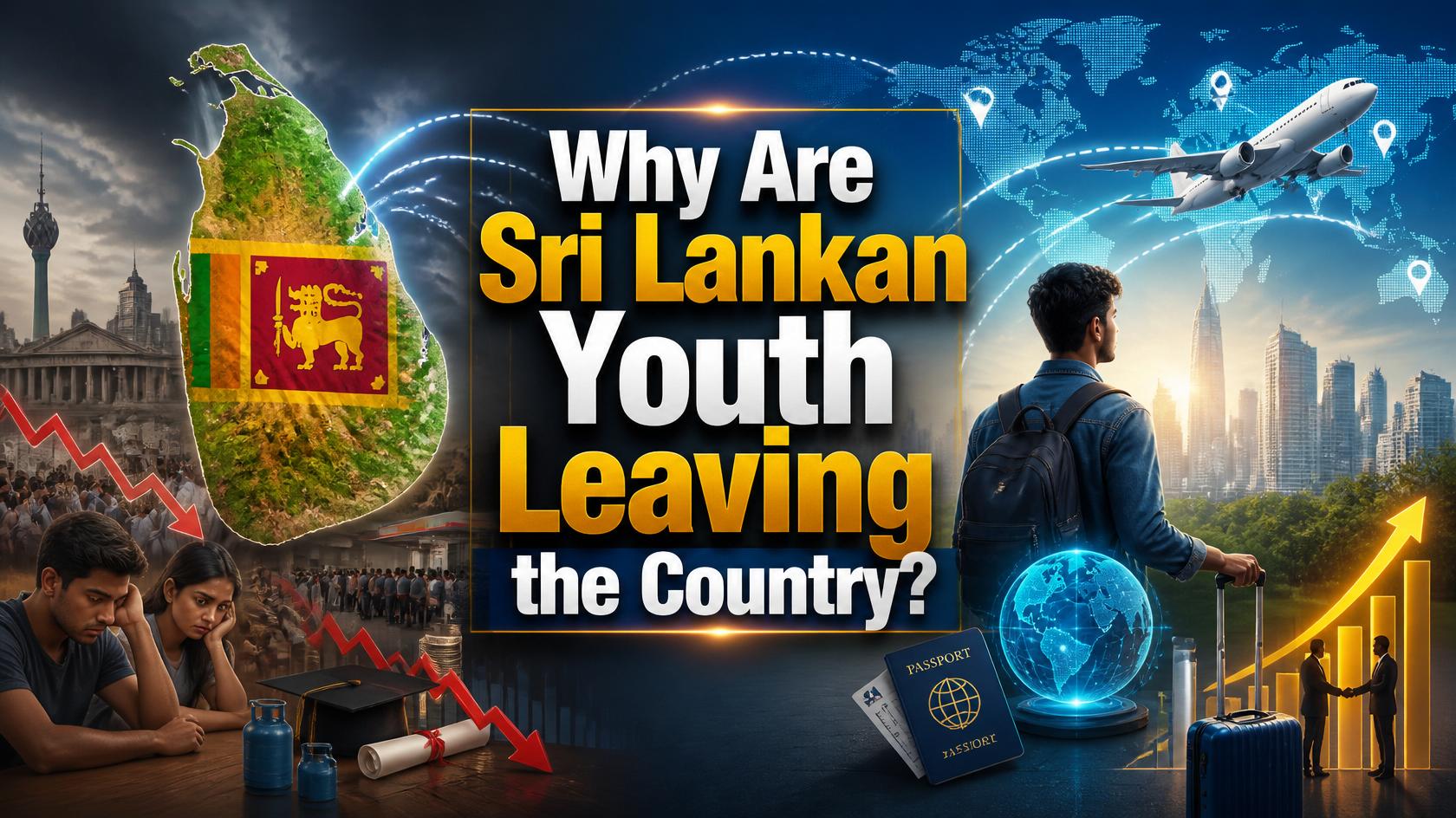
In recent years, the migration of Sri Lankan youth has become one of the most discussed social and economic issues in the country. Thousands of young Sri Lankans are seeking opportunities abroad for education, employment, and a better quality of life. Countries such as Japan, South Korea, Australia, Canada, the United Kingdom, and several Middle Eastern nations have become popular destinations for Sri Lankan migrants.
Migration itself is not a new phenomenon in Sri Lanka. For decades, people have moved overseas for employment, especially in sectors such as healthcare, construction, domestic services, and professional fields. However, the recent increase in youth migration has raised concerns about the future of the country's workforce, economic development, and social structure.
The decision of young people to leave Sri Lanka is influenced by multiple factors, including economic difficulties, limited career opportunities, political uncertainty, educational aspirations, and the desire for improved living standards. Understanding these reasons is essential for developing strategies to retain young talent and create a more sustainable future for the country.
Economic Challenges and Limited Employment Opportunities
One of the primary reasons Sri Lankan youth leave the country is the lack of attractive employment opportunities. Many young people complete higher education, professional qualifications, and technical training but struggle to find jobs that match their skills and expectations.
Although Sri Lanka has a highly educated population compared to many developing countries, the economy has not always created enough high-quality employment opportunities. Graduates often face difficulties finding jobs related to their fields of study, resulting in underemployment or unemployment.
Low salaries are another major concern. Many young professionals believe that their income in Sri Lanka is insufficient to achieve important life goals such as purchasing a home, supporting a family, or building financial security. As a result, they consider foreign employment as a pathway to higher earnings and economic stability.
Countries with stronger economies often provide better salaries, professional development opportunities, and improved workplace conditions, encouraging young Sri Lankans to seek careers abroad.
Impact of the Economic Crisis
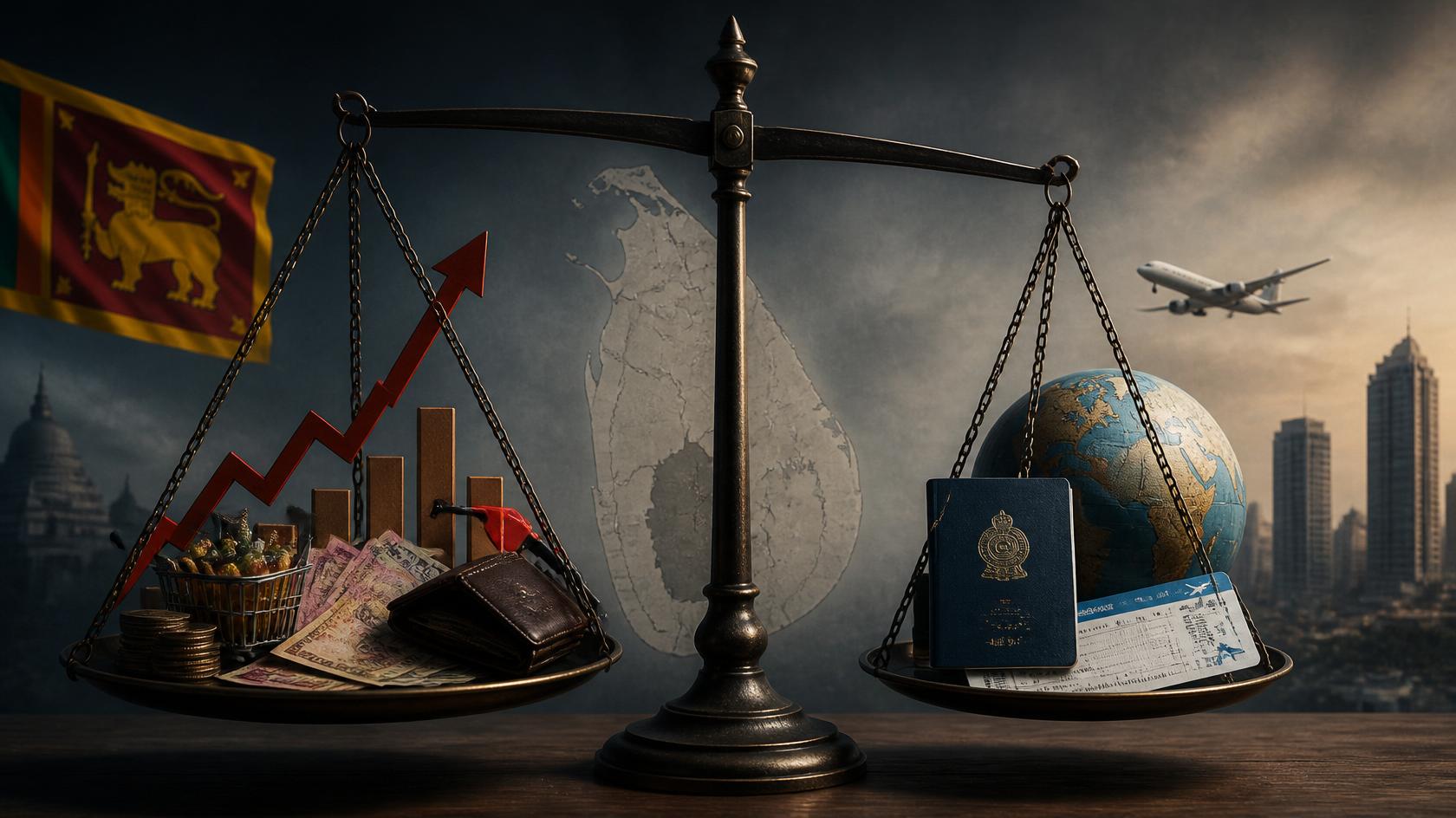
Sri Lanka's economic crisis, especially during 2021–2022, significantly influenced migration decisions among young people. The country experienced severe financial difficulties, including foreign currency shortages, inflation, shortages of essential goods, and increased living costs.
The economic crisis created uncertainty about the future. Many young people began questioning whether they could achieve their personal and professional goals while remaining in Sri Lanka. Rising costs of education, housing, transportation, and daily necessities increased pressure on young families and individuals.
For many youth, migrating abroad became a strategy to protect their future and improve their economic situation. The crisis also affected businesses and job creation, reducing confidence among young entrepreneurs and professionals.
Although Sri Lanka has taken steps toward economic recovery, the effects of the crisis continue to influence migration decisions.
Better Career Opportunities Abroad
Career advancement is another important reason why Sri Lankan youth choose foreign countries. Many young professionals believe that overseas environments provide better opportunities for skill development, promotions, and international experience.
Fields such as information technology, healthcare, engineering, finance, education, and scientific research offer attractive opportunities abroad. Some countries actively recruit skilled workers from other nations due to shortages in their own labor markets.
Young professionals often seek international exposure because it allows them to improve their qualifications, gain new experiences, and develop global networks. Many also believe that foreign workplaces provide more merit-based systems where skills and performance are rewarded.
Education and Higher Learning Opportunities
Education is a major factor influencing youth migration. Many Sri Lankan students leave the country to pursue undergraduate, postgraduate, and professional studies abroad.
Universities in countries such as Australia, Canada, the United Kingdom, and Japan offer advanced facilities, research opportunities, and globally recognized qualifications. Students believe that studying abroad can improve their future career prospects and increase their chances of obtaining international employment.
Some students who leave for education later choose to remain overseas because of better job opportunities, higher living standards, and pathways to permanent residency.
This trend creates concerns about "brain drain," where talented and educated individuals contribute their skills to other countries instead of developing their home country.
Political and Social Uncertainty
Political instability and uncertainty also influence youth migration. Many young people desire a stable environment where they can plan their future with confidence.
Concerns about governance, corruption, economic management, and social inequality have contributed to frustration among some sections of the younger generation. They seek countries where institutions are stronger, rules are more predictable, and opportunities are based on qualifications and skills.
Additionally, some youth feel that their voices are not sufficiently represented in decision-making processes. This perception encourages them to look for opportunities in countries where they believe they can achieve greater personal freedom and security.
Influence of Globalization and Social Media
Globalization and digital technology have made the world more connected than ever before. Through social media platforms, Sri Lankan youth can easily observe lifestyles, career opportunities, and educational systems in other countries.
Online platforms often showcase successful migration stories, creating interest among young people. Information about foreign universities, job opportunities, and migration pathways is now easily accessible.
However, social media can sometimes create unrealistic expectations by highlighting only the positive aspects of life abroad while ignoring challenges such as cultural adjustment, loneliness, discrimination, and high living costs.
Therefore, young people need accurate information and realistic understanding before making migration decisions.
Family Expectations and Social Pressure
Family expectations also influence youth migration decisions. Many Sri Lankan families consider overseas employment a way to achieve financial security and improve social status.
Parents often encourage children to seek foreign opportunities because they believe it can provide a better future. Remittances sent by migrants also play an important role in supporting families and contributing to the national economy.
However, migration can also create emotional challenges. Long-distance family relationships, separation from loved ones, and adapting to a new culture can be difficult for migrants.
Effects of Youth Migration on Sri Lanka
Youth migration has both positive and negative impacts on Sri Lanka.
Positive Effects:
Increased foreign currency through remittances.
International knowledge and skills gained by migrants.
Improved financial conditions for migrant families.
Global connections and cultural exchange.
Negative Effects:
Loss of skilled professionals and educated youth.
Reduced workforce availability in important sectors.
Aging population challenges.
Possible decline in innovation and entrepreneurship.
The migration of doctors, engineers, IT specialists, academics, and other professionals can create shortages in key areas.
How Can Sri Lanka Reduce Youth Migration?
Reducing unnecessary youth migration requires long-term strategies focused on economic and social development. Some important approaches include:
Creating Quality Employment Opportunities
The government and private sector should promote industries that create skilled jobs with competitive salaries.
Supporting Entrepreneurship
Young entrepreneurs should receive financial support, training, and opportunities to develop businesses within Sri Lanka.
Improving Education and Skills Development
Educational institutions should focus on modern skills, technology, innovation, and industry requirements.
Strengthening Good Governance
Transparent governance, political stability, and effective institutions can increase youth confidence in the country's future.
Encouraging Return Migration
Policies should support Sri Lankans living abroad to bring their knowledge, investments, and skills back to the country.
Conclusion
The migration of Sri Lankan youth is a complex issue influenced by economic conditions, career opportunities, education, social expectations, and future aspirations. Young people leaving the country are not simply searching for foreign experiences; many are seeking stability, security, and opportunities that they feel are limited at home.
Migration can provide personal benefits and contribute to the economy through remittances and international connections. However, continuous loss of skilled youth can create long-term challenges for national development.
The solution is not to prevent migration but to create a Sri Lanka where young people have meaningful choices. By improving employment opportunities, strengthening education, encouraging innovation, and building a stable economic environment, the country can motivate its talented youth to contribute to national progress while also respecting their individual aspirations.
Additional Media