
Sponsored
What Are Crops? A Comprehensive Guide to Agricultural Plants
Rakshika Rathnayake7/14/20265 min read
Share:Facebook
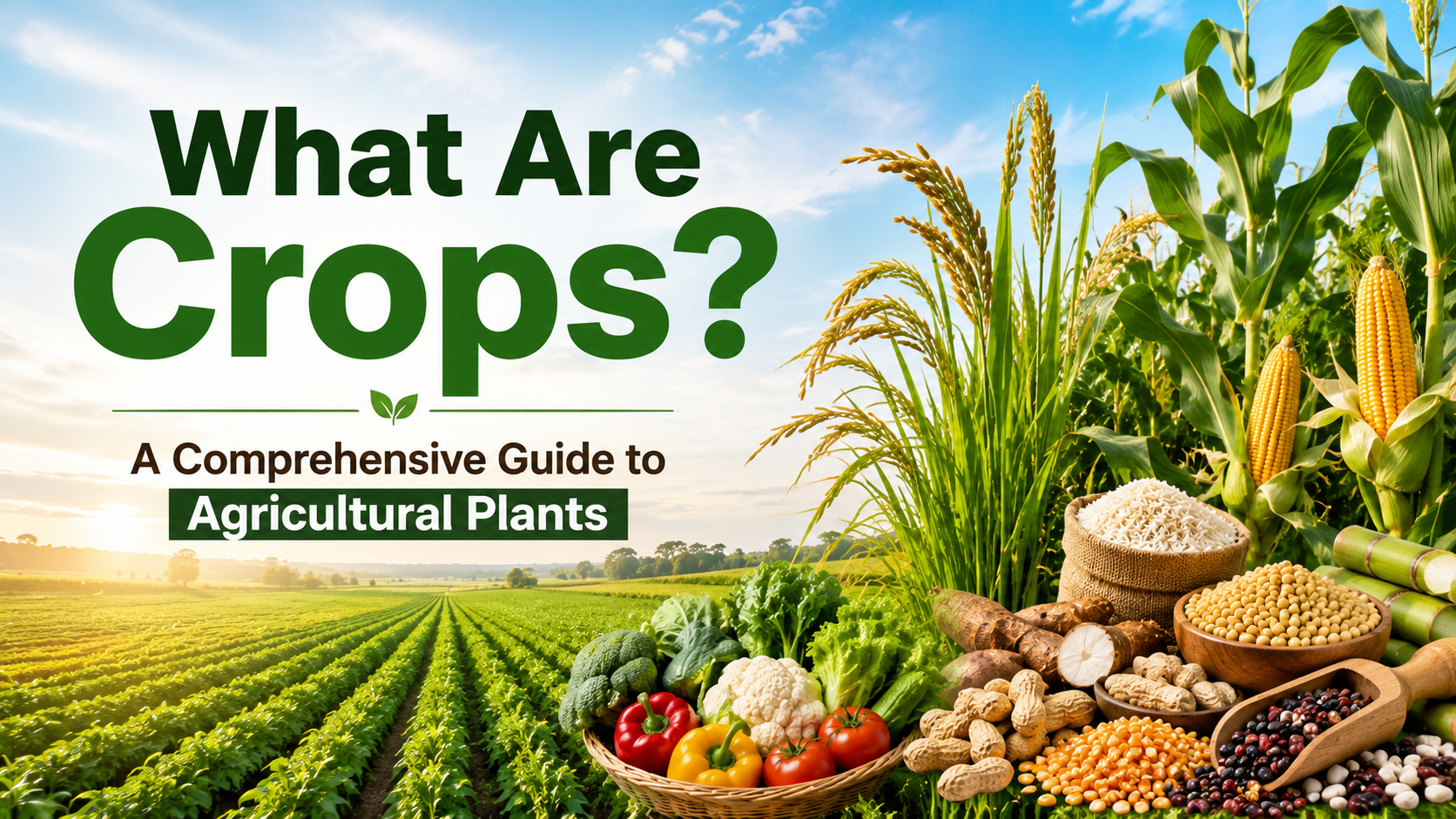
From the bread on our tables to the clothes on our backs, nearly every aspect of daily life is touched by agriculture. At the heart of this global system are crops—plants intentionally cultivated and harvested by humans for a specific purpose. These plants are the foundation of human civilization, representing a pivotal shift from nomadic lifestyles to settled societies. Understanding what crops are, their diverse types, and their immense importance is key to appreciating their role in our food supply, economy, and environment.
Crops are more than just plants; they are the engine of our global food system and a cornerstone of economic stability worldwide. This guide will explore the fundamental definition of a crop in agriculture, delve into the major categories of crops grown around the world, and highlight their indispensable role in sustaining and enriching human life.
What is a Crop? A crop is a plant or plant product cultivated and harvested for human use, such as for food, fiber, fuel, or other economic purposes.
Cultivated vs. Wild Plants: Unlike wild plants, which grow without human intervention, crops are deliberately planted and managed to enhance desirable traits like yield, size, or resistance to disease.
Major Crop Types: Crops are often classified by their use, leading to six main categories: food, feed (forage), fiber, oil, ornamental, and industrial crops.
Global Staples: A few key crops, including sugarcane, maize (corn), wheat, and rice, account for approximately half of the world's primary crop production.
Economic Engine: Crop production is a massive driver of the global economy, providing raw materials for numerous industries and supporting millions of jobs.
Food Security: The cultivation of food crops like cereals, vegetables, and fruits is essential for feeding the world's population and ensuring nutritional diversity.
Understanding the Definition of a Crop
In the context of agriculture, the crop definition is a plant that is grown in significant quantities to be harvested for profit, subsistence, or another economic purpose. This simple definition carries a crucial distinction: intention. A crop is not just any plant, but one that has been deliberately selected, planted, and nurtured by humans. This process, known as cultivation, separates agricultural produce from plants that grow in the wild.
The key difference between wild plants and cultivated crops lies in domestication. Wild plants evolve naturally, adapting to their environment without human input. Cultivated plants, on the other hand, are the result of generations of selective breeding, where farmers choose plants with the most desirable properties—such as larger seeds, higher yields, or better taste—to grow in subsequent seasons. This refinement process has transformed wild grasses into modern wheat and rice, and small, wild fruits into the large, sweet varieties we enjoy today.
The primary purpose of growing crops is to obtain a harvest for a specific use. While food is the most common objective, the applications are incredibly diverse. Crops are cultivated to produce fiber for textiles like cotton, oils for cooking and industrial applications like soybeans and sunflowers, and materials for fuel, such as corn for ethanol. This intentional cultivation for a defined output is the essence of what makes a plant a crop.
Exploring the Diverse Types of Crops
Crops are classified in several ways, but the most common method is based on their primary use. This functional classification helps in understanding the economic and nutritional role each plant plays. The main types of crop production are generally grouped into six major categories: food, feed, fiber, oil, ornamental, and industrial crops.
The most vital category is Food Crops, which are grown for direct human consumption and form the basis of diets worldwide. This group includes:
Cereal Crops: Grains like wheat, rice, and maize (corn) are staple foods that provide a significant portion of the world's calories.
Legume Crops: Plants such as beans, lentils, and peas are prized for their high protein content.
Fruits and Vegetables: These provide essential vitamins, minerals, and dietary fiber. Examples range from root vegetables like carrots and potatoes to leafy greens like spinach and stem vegetables like celery.
Other important categories include Fiber Crops like cotton and jute, which are essential for the textile industry, and Oilseed Crops such as soybeans, sunflowers, and canola, which are processed to produce oils for both cooking and industrial uses. Industrial Crops are grown as raw materials for manufacturing processes, including rubber for tires or tobacco. Additionally, Fodder or Forage Crops like alfalfa and certain types of sorghum are grown specifically to feed livestock, while emerging Biofuel Crops like switchgrass are cultivated for energy production.
The Importance and Examples of Crop Farming
Crop farming is the bedrock of global food security. The consistent and large-scale production of staple food crops ensures that populations around the world have access to the calories and nutrients they need to survive and thrive. Beyond basic sustenance, crop production is a powerful engine for economic growth. In 2023, agriculture and related industries contributed about $1.53 trillion to the U.S. economy alone. It supplies raw materials for countless industries, from food processing to textiles and energy, creating jobs and stimulating national and international trade.
The impact of specific crops is felt globally. Wheat, for example, is a primary cereal crop milled into flour to make bread, pasta, and countless other baked goods. Maize, or corn, is incredibly versatile; it is used not only as human food but also as a primary component of animal feed and for producing ethanol, a biofuel. Cotton stands as a dominant force in the textile industry, with its fibers spun into thread to create a vast range of fabrics. These crop farming examples illustrate how agricultural practices directly translate into everyday products that are essential to modern life.
The efficient cultivation of these and other crops allows nations to achieve self-sufficiency and participate in the global market. A stable agricultural sector can reduce poverty, enhance rural development, and provide the economic foundation for a country to prosper. Therefore, the strategic importance of crop production extends far beyond the farm, influencing economic policy, international relations, and the overall well-being of societies everywhere.
Conclusion: The Enduring Legacy of Crops
From their humble origins as wild plants, crops have been shaped by human ingenuity to become the foundation of our modern world. The journey from simply gathering wild plants to the sophisticated types of crop production we see today marks a critical chapter in human history. Understanding the crop definition in agriculture reveals a story of deliberate cultivation aimed at meeting fundamental human needs for food, clothing, and resources. The diverse classifications—from essential food crops like wheat and rice to industrial crops like rubber and cotton—highlight their integration into every facet of our economy and daily lives.
The importance of crop farming cannot be overstated. It is the primary driver of global food security, a cornerstone of economic stability, and a source of livelihood for millions. As the world's population continues to grow, the challenge will be to advance agricultural practices sustainably, ensuring that we can continue to produce the crops we rely on without compromising the health of our planet. The future of agriculture will depend on innovation, from developing new crop varieties resistant to climate change to implementing more efficient farming techniques. Ultimately, the story of crops is the story of humanity's ability to partner with nature to build a resilient and prosperous future.
Frequently Asked Questions (FAQ)
What are the 3 main types of crops?
While crops can be classified in many ways, three main functional types are Food Crops (grown for human consumption, like wheat and vegetables), Feed Crops (grown for livestock, like alfalfa and feed corn), and Industrial Crops (grown for non-food uses, like cotton for fiber or corn for ethanol).
What is the difference between a crop and a plant?
A crop is a specific type of plant that has been domesticated and is intentionally cultivated and harvested by humans for an economic or subsistence purpose. All crops are plants, but not all plants are crops; for example, a wild dandelion is a plant, but it is not considered a crop unless it is being deliberately farmed.
What are the 6 types of crops?
The six major categories of crops based on their use are: Food Crops (for human consumption), Feed Crops (for animal consumption), Fiber Crops (for textiles), Oil Crops (for oil production), Ornamental Crops (for decoration), and Industrial Crops (for manufacturing and biofuels).
What are some examples of industrial crops?
Industrial crops are grown to produce goods for manufacturing rather than food. Common examples include cotton (fiber), rubber trees (latex), tobacco (leaves), and sugarcane or corn when used to produce biofuels like ethanol.
Why is crop diversity important for agriculture?
Crop diversity is crucial for creating a resilient agricultural system. Planting a variety of crops helps to improve soil health, reduce the risk of widespread pest and disease outbreaks, support biodiversity, and ensure a more stable food supply in the face of unpredictable environmental conditions like climate change.
What is a cash crop?
A cash crop is any crop that is grown specifically for sale on the market to generate profit, rather than for use by the farmer's own family. Examples include coffee, cocoa, cotton, sugarcane, and tobacco.
Additional Media