

Sponsored
Understanding Personality Disorders: Types, Causes, and Symptoms
Rakshika Rathnayake7/1/20265 min read
Share:Facebook
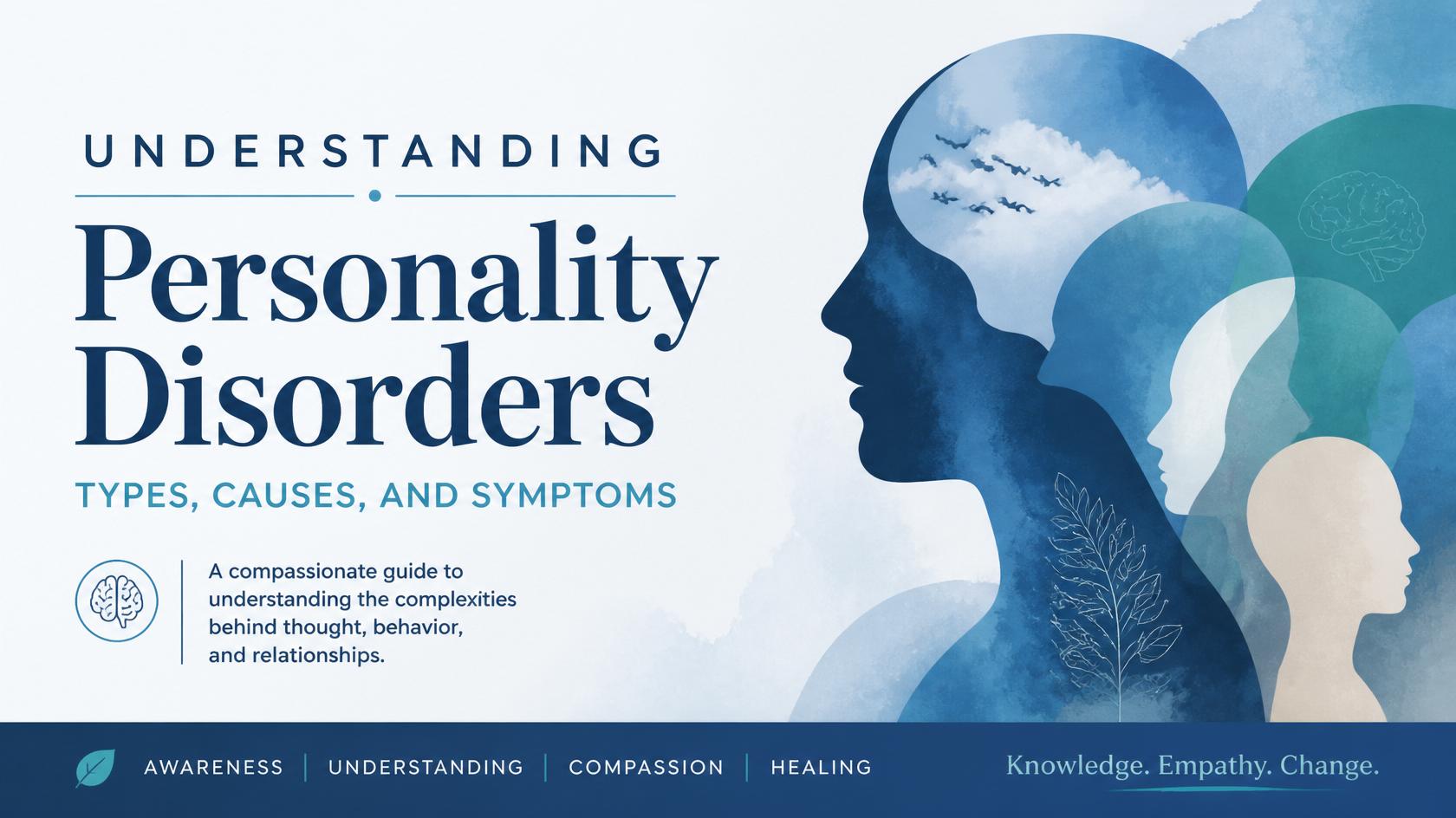
A personality disorder is a type of mental health condition characterized by enduring, inflexible patterns of thinking, feeling, and behaving. These patterns significantly deviate from the expectations of an individual's culture, causing distress or impairing function in social, occupational, or other important areas. Unlike temporary mood shifts, these traits are pervasive and long-standing, often beginning in the teenage years. This article explores the different types of personality disorders, their complex causes, and the common symptoms they present.
Exploring the Different Types of Personality Disorders
To better understand these complex conditions, mental health professionals group them into three categories, or "clusters," based on similar characteristics. The Diagnostic and Statistical Manual of Mental Disorders (DSM-5) officially recognizes 10 personality disorders across these clusters. This classification helps clinicians organize diagnoses based on shared traits.
The three clusters are:
Cluster A (Odd, Eccentric): Individuals with these disorders often appear peculiar or eccentric. This cluster includes Paranoid, Schizoid, and Schizotypal personality disorders.
Cluster B (Dramatic, Emotional, Erratic): This cluster is characterized by dramatic, overly emotional, or unpredictable thinking and behavior. It includes Antisocial, Borderline, Histrionic, and Narcissistic personality disorders.
Cluster C (Anxious, Fearful): Individuals in this group tend to exhibit anxious and fearful thinking or behavior. It includes Avoidant, Dependent, and Obsessive-Compulsive personality disorders.
Some of the more commonly known disorders include Borderline Personality Disorder (BPD), characterized by instability in moods, relationships, and self-image, and Narcissistic Personality Disorder (NPD), which involves a pattern of grandiosity, a need for admiration, and a lack of empathy. It is crucial to remember that a diagnosis requires a thorough evaluation by a mental health professional; these conditions cannot be self-diagnosed.
What Causes Personality Disorders and Their Symptoms
There is no single cause for personality disorders. Instead, they are thought to arise from a complex combination of genetic predispositions, neurobiological factors, and environmental influences. A family history of mental illness can increase the risk, suggesting a genetic link. Environmental factors, particularly those from childhood, play a significant role. Experiences such as abuse, neglect, or living in an unstable or traumatic household are considered major risk factors.
While each of the 10 personality disorder types has unique diagnostic criteria, many share overlapping symptoms. These can manifest in various ways, but common signs often involve difficulties with interpersonal relationships and a distorted self-perception. General symptoms may include frequent mood swings, challenges with emotional regulation, impulsive or self-destructive behaviors, and an unstable sense of identity. For example, someone with Borderline Personality Disorder may experience intense fears of abandonment and chronic feelings of emptiness, while a person with Avoidant Personality Disorder may feel socially inept and constantly fear rejection.
Because symptoms vary widely and can overlap, a professional evaluation is essential for an accurate diagnosis. A mental health provider can assess long-term patterns of functioning to determine if an individual's experiences meet the criteria for a specific personality disorder and recommend appropriate treatment.
Additional Media


Sponsored