

Sponsored
Traditional Sri Lankan Ayurvedic Medicine: History, Benefits, Practices, and Modern Relevance
Rakshika Rathnayake7/22/20265 min read
Share:Facebook
Introduction
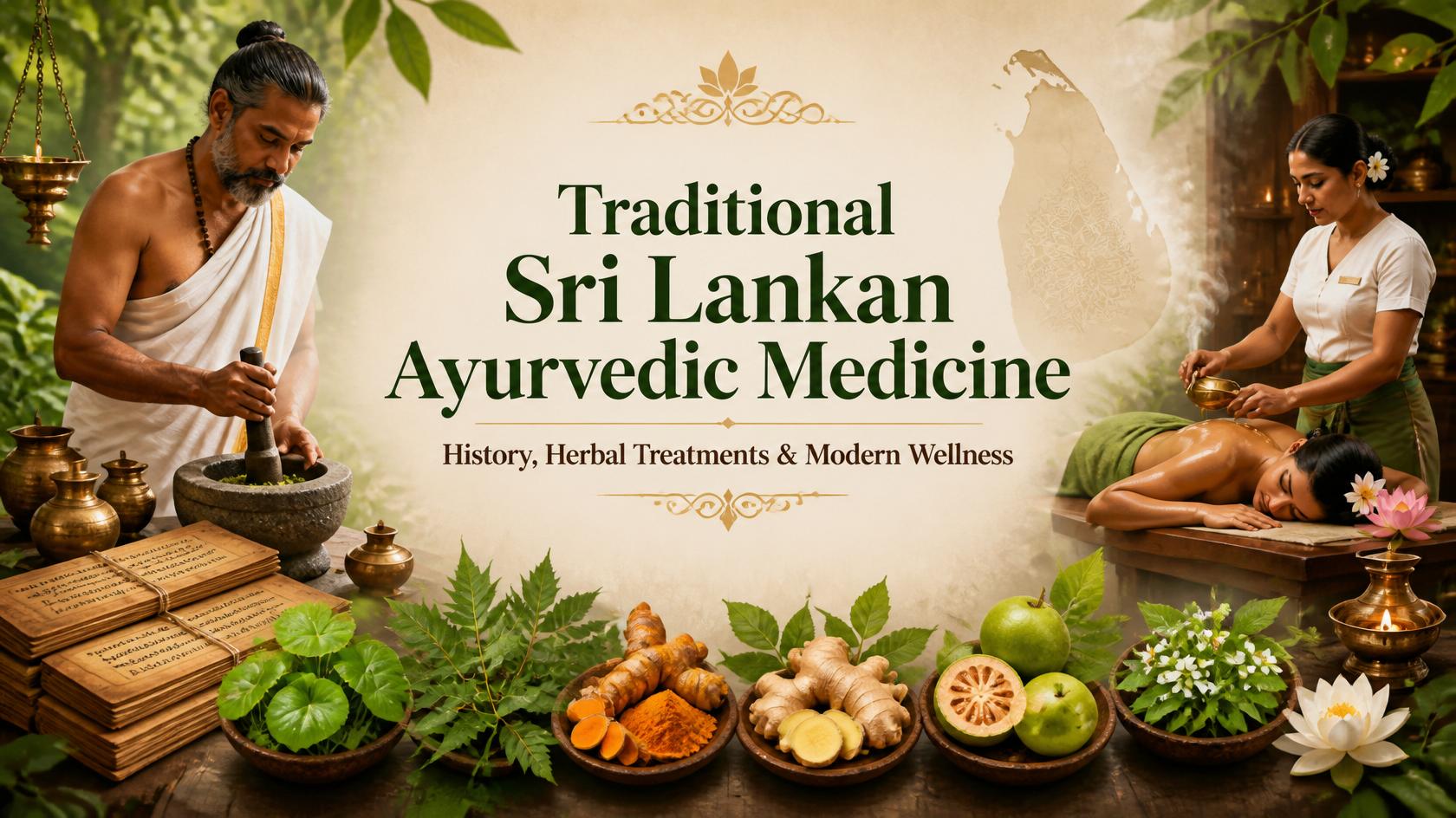
Traditional Sri Lankan Ayurvedic medicine is one of the oldest healing systems in the world and remains an important part of the country’s cultural and medical heritage. For thousands of years, Sri Lankans have relied on natural remedies, herbal treatments, and holistic healing practices to maintain health and treat various illnesses.
Ayurveda, which means “the science of life” in Sanskrit, focuses on achieving balance between the body, mind, and spirit. In Sri Lanka, Ayurvedic medicine has evolved over centuries by combining influences from India with indigenous healing traditions unique to the island. Today, it continues to coexist with modern medicine and is widely used by both locals and international visitors seeking natural healthcare solutions.
From herbal oils and medicinal plants to therapeutic massages and dietary practices, Sri Lankan Ayurveda offers a comprehensive approach to wellness. Its emphasis on prevention, natural healing, and lifestyle management has made it increasingly relevant in today’s fast-paced world.
The History of Ayurvedic Medicine in Sri Lanka
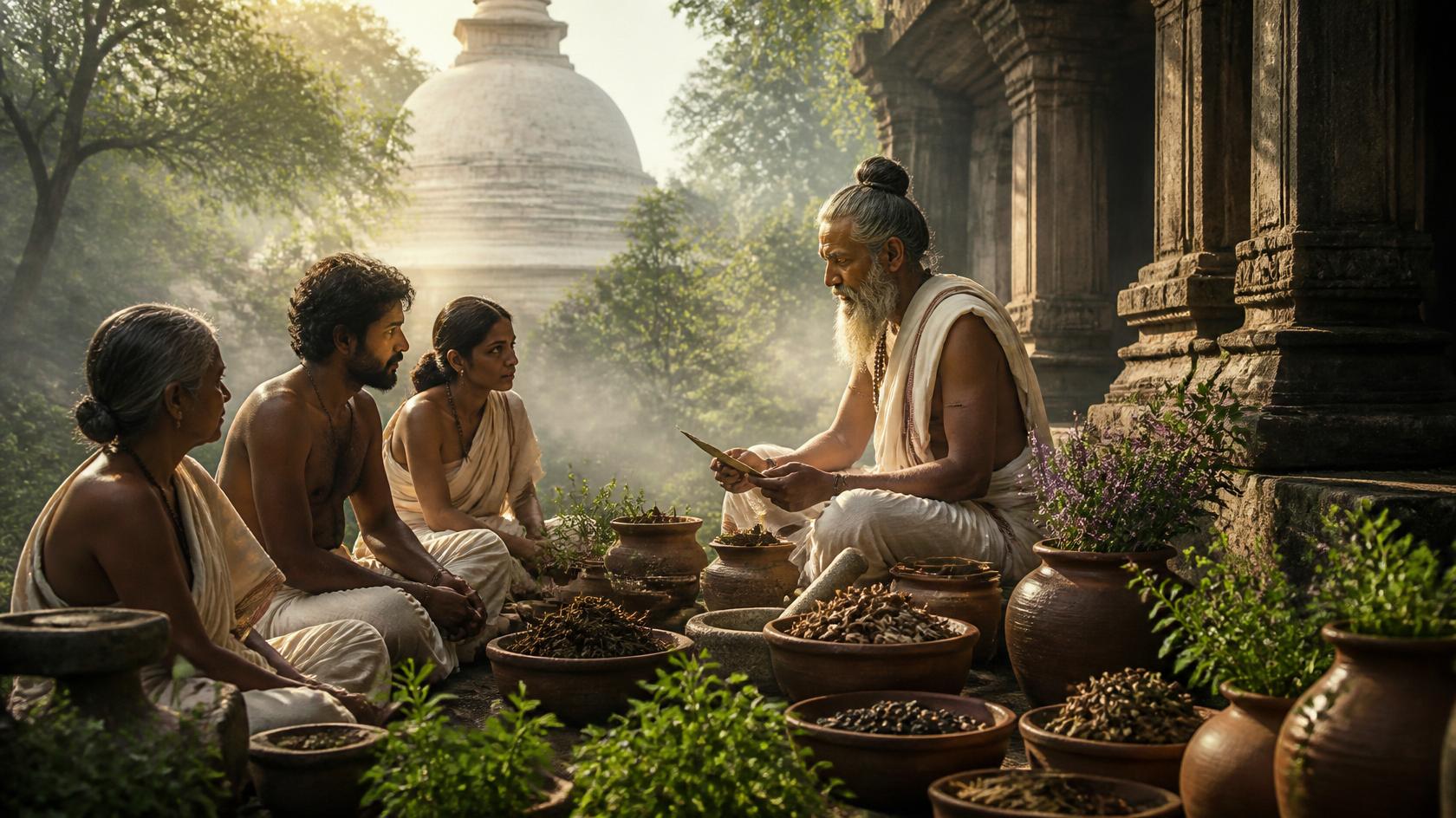
The origins of Ayurveda in Sri Lanka date back over 2,500 years. Historical records suggest that Ayurvedic knowledge was introduced during the reign of ancient kings and further developed through local practices.
According to Sri Lankan history, King Pandukabhaya established hospitals and healthcare facilities in ancient times, demonstrating the country's long-standing commitment to public health. Ancient kingdoms such as Anuradhapura and Polonnaruwa were known for their advanced medical systems.
Sri Lanka also developed its own indigenous medical traditions known as Deshiya Chikitsa, which incorporated local herbs, treatments, and healing methods. Over time, Ayurveda and indigenous medicine merged to create a unique Sri Lankan healthcare system.
Ancient palm-leaf manuscripts continue to preserve valuable medical knowledge, including remedies for common illnesses, surgical procedures, and preventive healthcare practices.
Principles of Sri Lankan Ayurveda
Ayurveda is based on the belief that health depends on maintaining balance within the body.
The system identifies three fundamental energies, or Doshas:
Vata – Associated with movement and the nervous system.
Pitta – Associated with digestion and metabolism.
Kapha – Associated with structure, stability, and immunity.
Every individual has a unique combination of these doshas. According to Ayurvedic principles, illness occurs when this balance is disturbed.
Treatment aims to restore harmony through:
Herbal medicines
Proper nutrition
Lifestyle adjustments
Meditation
Physical therapies
Detoxification practices
Common Ayurvedic Treatments in Sri Lanka
Sri Lankan Ayurvedic medicine offers numerous treatment methods tailored to individual needs.
1. Herbal Medicine
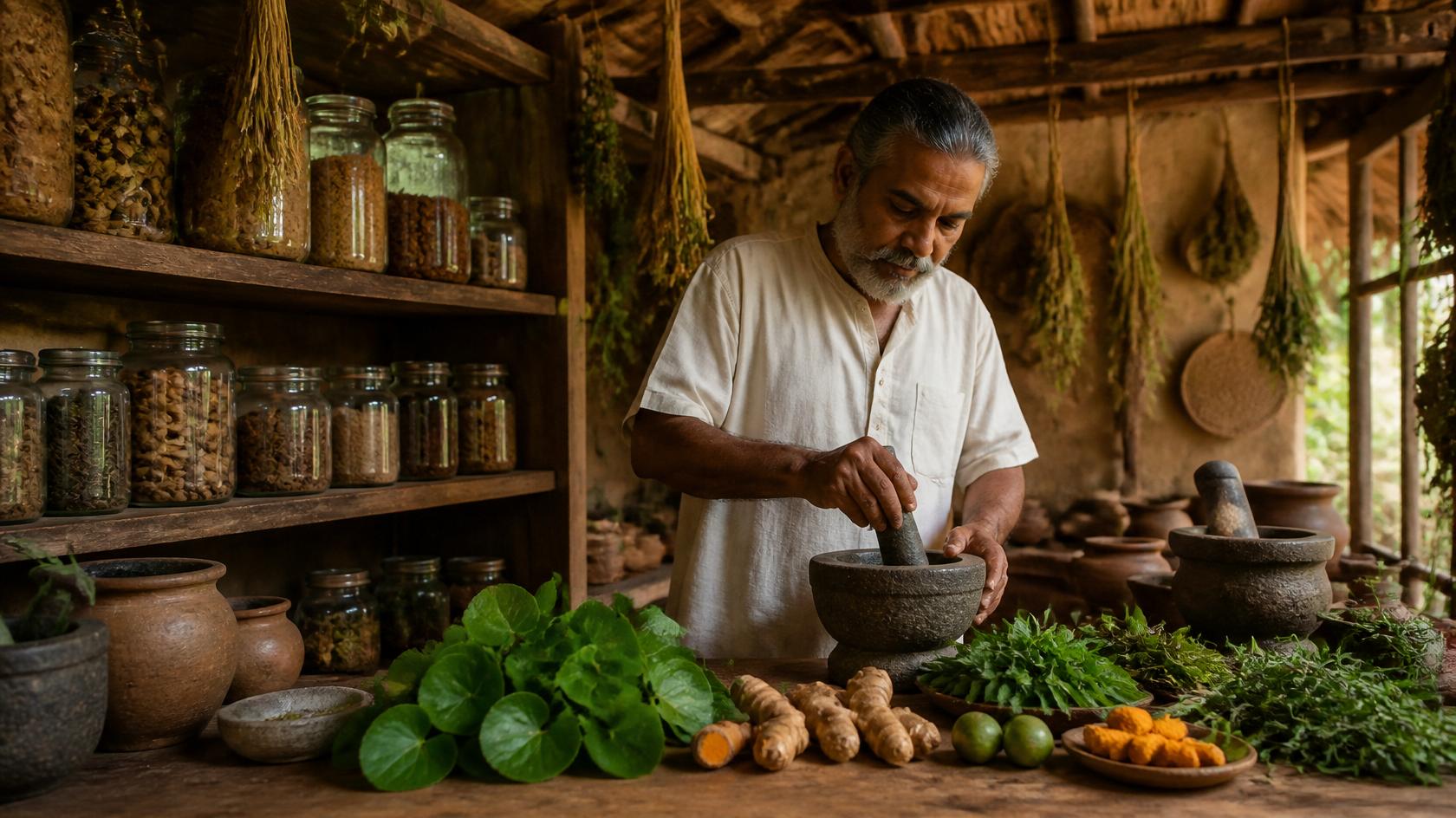
Herbal remedies are among the most widely used forms of Ayurvedic treatment.
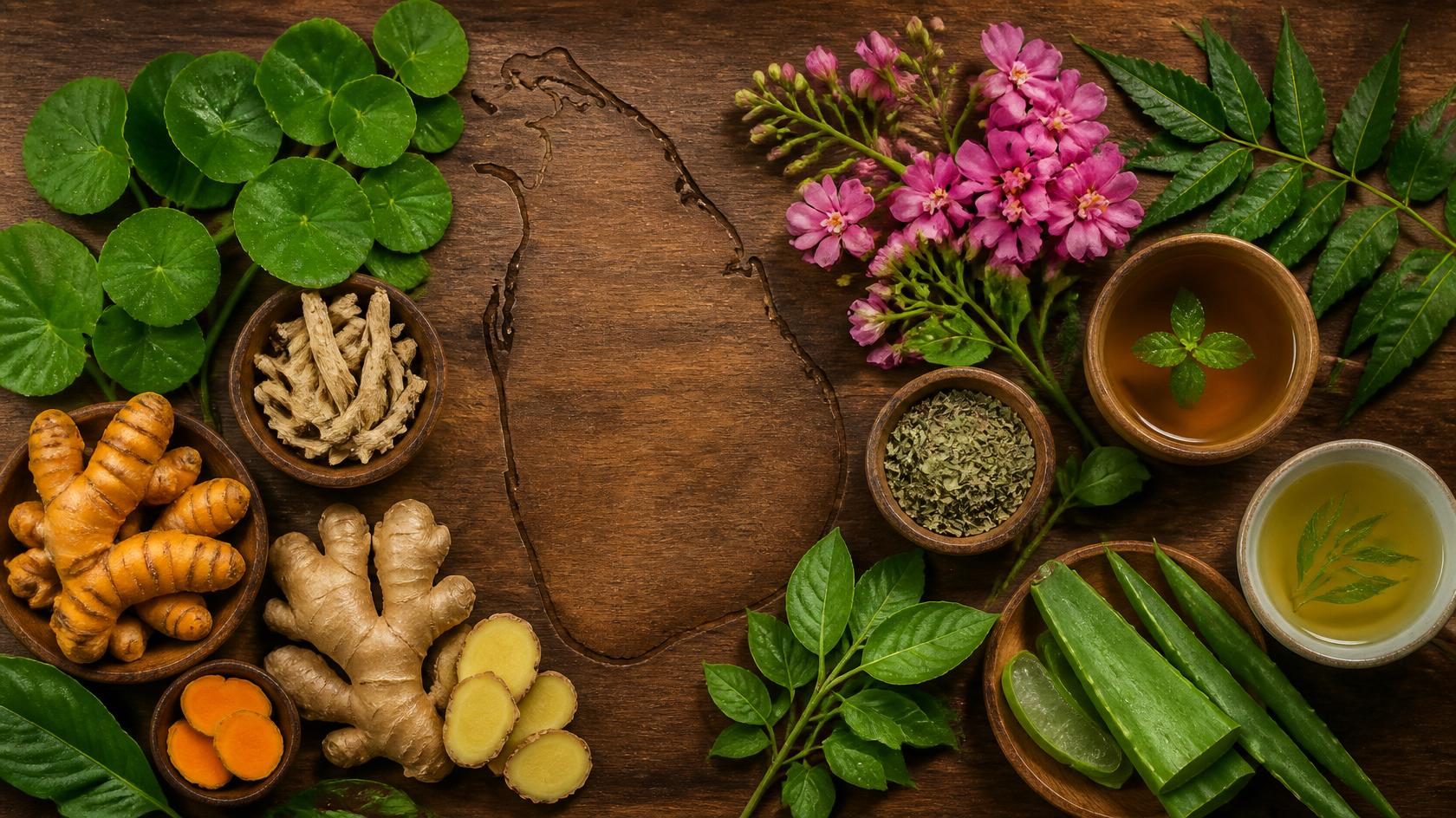
Common medicinal plants include:
Neem
Gotu Kola
Aloe Vera
Ginger
Turmeric
Coriander
Venivel
Belimal
These herbs are used to treat conditions such as:
Digestive disorders
Skin diseases
Fever
Respiratory illnesses
Joint pain
2. Ayurvedic Massage
Therapeutic massage is an essential component of Sri Lankan Ayurveda.
Benefits include:
Improved blood circulation
Stress reduction
Muscle relaxation
Better sleep
Enhanced overall well-being
Many Ayurvedic centers use herbal oils specifically prepared for different body conditions.
3. Panchakarma Therapy
Panchakarma is a detoxification treatment designed to cleanse the body.
It consists of several procedures intended to remove toxins and restore balance.
Reported benefits include:
Increased energy levels
Improved digestion
Better mental clarity
Enhanced immune function
This therapy is often conducted under professional supervision.
4. Steam and Herbal Baths
Herbal steam treatments are commonly used for:
Muscle pain
Joint stiffness
Stress management
Respiratory congestion
Medicinal leaves and herbs are added to steam baths to promote relaxation and healing.
Traditional Sri Lankan Medicinal Plants
Sri Lanka is home to a rich variety of medicinal plants.
Some important examples include:
Plant Traditional Use
Gotu Kola Memory enhancement and wound healing
Turmeric Anti-inflammatory purposes
Ginger Digestive support
Neem Skin care and immune support
Aloe Vera Skin health
Belimal Cooling herbal beverage
Ranawara Herbal tea traditionally consumed for wellness
Iramusu Traditional cooling preparation
Many of these plants continue to be cultivated in home gardens across Sri Lanka.
Ayurveda and Preventive Healthcare
One of the greatest strengths of Ayurveda is its focus on prevention rather than treatment alone.
Preventive practices include:
Maintaining a balanced diet
Regular physical activity
Adequate sleep
Meditation
Stress management
Seasonal health practices
Ayurveda teaches that maintaining healthy daily routines can reduce the likelihood of illness and improve quality of life.
Ayurveda and Mental Wellness
Modern lifestyles often contribute to stress and anxiety. Ayurvedic practices emphasize mental well-being through:
Meditation
Yoga
Breathing exercises
Herbal therapies
Relaxation techniques
These practices support emotional balance and encourage a healthier lifestyle.
The Role of Ayurveda in Tourism
Sri Lanka has become a popular destination for wellness tourism.
Many visitors travel to the country to experience:
Ayurvedic retreats
Herbal therapies
Wellness programs
Meditation sessions
Traditional massage treatments
Ayurvedic tourism contributes significantly to the economy while promoting Sri Lanka's cultural heritage.
Ayurveda in Modern Sri Lanka
Today, Ayurvedic medicine continues to play an important role in Sri Lankan healthcare.
The country has:
Ayurvedic hospitals
Government Ayurvedic clinics
Universities offering Ayurvedic education
Research institutions
Licensed practitioners
Many Sri Lankans use Ayurveda alongside conventional medicine for general wellness and supportive care.
However, it is important to consult qualified healthcare professionals, especially for serious medical conditions.
Challenges Facing Traditional Ayurvedic Medicine
Despite its popularity, Sri Lankan Ayurveda faces several challenges:
Loss of traditional knowledge
Declining medicinal plant resources
Commercialization
Need for more scientific research
Environmental pressures
Preserving Ayurvedic knowledge for future generations remains an important national priority.
The Future of Sri Lankan Ayurveda
The future of Ayurveda appears promising as interest in natural and holistic healthcare continues to grow globally.
Areas of development include:
Scientific research
Sustainable cultivation of medicinal plants
Digital health education
International wellness tourism
Greater integration with preventive healthcare initiatives
With proper preservation and responsible practice, Sri Lankan Ayurveda can continue to contribute to public health and economic development.
Conclusion
Traditional Sri Lankan Ayurvedic medicine represents a valuable combination of ancient wisdom, natural healing, and cultural heritage. Its emphasis on prevention, balance, and holistic well-being continues to make it relevant in the modern world.
From herbal remedies and therapeutic treatments to wellness tourism and preventive healthcare, Ayurveda remains an important part of Sri Lanka’s identity.
As interest in natural medicine grows worldwide, Sri Lanka has a unique opportunity to preserve and promote its Ayurvedic traditions while ensuring they are practiced responsibly and supported by ongoing research.
By protecting this ancient knowledge and passing it on to future generations, Sri Lanka can continue to share one of its greatest cultural treasures with the world.
Additional Media

Sponsored