


Sponsored
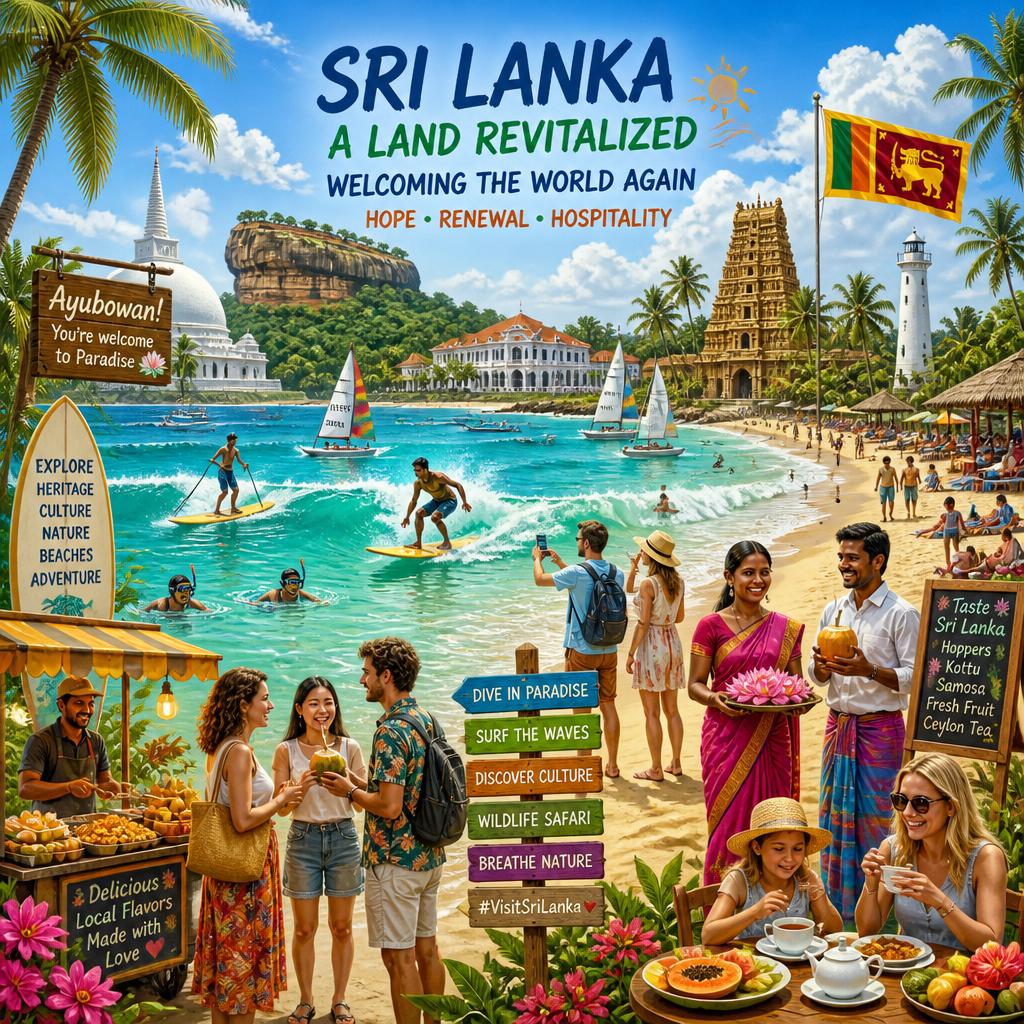
Sri Lanka is one of the most popular tourist destinations in South Asia, known for its beaches, cultural heritage, wildlife, and scenic landscapes. However, the COVID-19 pandemic severely affected the tourism industry, which is one of the country’s main sources of foreign income. During lockdowns and global travel restrictions, tourist arrivals dropped dramatically, leading to losses for hotels, travel agencies, guides, and small businesses dependent on tourism.
After the pandemic, Sri Lanka’s tourism sector has been gradually recovering. The government and private sector have taken several steps to rebuild the industry and attract international visitors again. One of the key strategies has been improving health and safety standards in hotels, airports, and tourist sites. This helped restore traveler confidence and encouraged more visitors to return.
Marketing and promotion also played a major role in post-COVID tourism development. Sri Lanka Tourism Promotion Bureau launched international campaigns to reintroduce the country as a safe and attractive destination. Social media, travel influencers, and digital marketing became powerful tools in reaching global audiences. The focus was placed on promoting Sri Lanka as a “safe island destination” with diverse experiences.
Another important development is the shift towards sustainable and eco-tourism. Instead of focusing only on mass tourism, Sri Lanka has started promoting nature-based tourism, cultural tourism, and adventure tourism. National parks such as Yala, Wilpattu, and Udawalawe attract wildlife enthusiasts, while cultural sites like Sigiriya, Anuradhapura, and Kandy remain key attractions. Eco-lodges and community-based tourism projects have also gained popularity, helping local communities benefit directly from tourism.
Infrastructure development has also supported the recovery of the tourism industry. Improvements in roads, airports, and public facilities have made travel more convenient for tourists. The expansion of Bandaranaike International Airport and development of regional airports aim to increase connectivity with international destinations. Better transport services and digital booking systems have also improved the overall travel experience.
The government has introduced financial support and incentives to help tourism businesses recover from the crisis. Tax relief, loan facilities, and investment opportunities have been provided to hotels and small tourism enterprises. Many businesses have also adapted by offering flexible booking policies and discounted packages to attract visitors.
Despite these positive developments, challenges still remain. Economic instability, global inflation, and fuel shortages have occasionally affected the sector. In addition, restoring pre-pandemic tourist arrival levels takes time, as global travel patterns have changed. However, the growing interest in safe, nature-focused destinations gives Sri Lanka a strong opportunity for long-term growth.
the post-COVID-19 period has marked a turning point for Sri Lanka’s tourism industry. With improved safety measures, sustainable tourism strategies, digital marketing, and infrastructure development, the country is steadily rebuilding its position as a top travel destination in Asia. If these efforts continue, Sri Lanka has strong potential to achieve even greater success in the future tourism market.

Sponsored