Sponsored
The Story Behind Sri Dalada Maligawa (Temple of the Tooth Relic): A Journey Through Sri Lanka’s Sacred Heritage
Rakshika Rathnayake7/17/20265 min read
Share:Facebook
Introduction
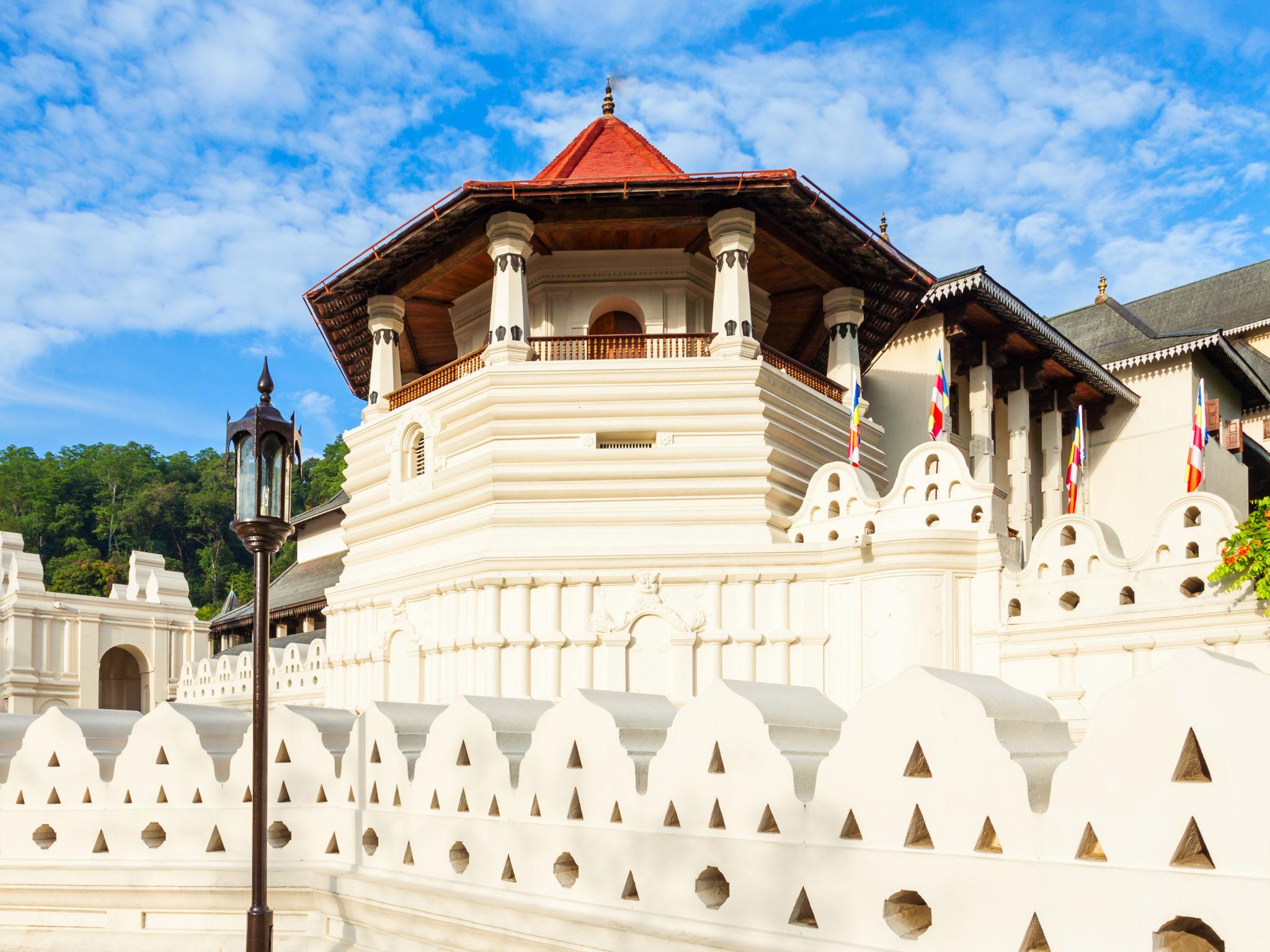
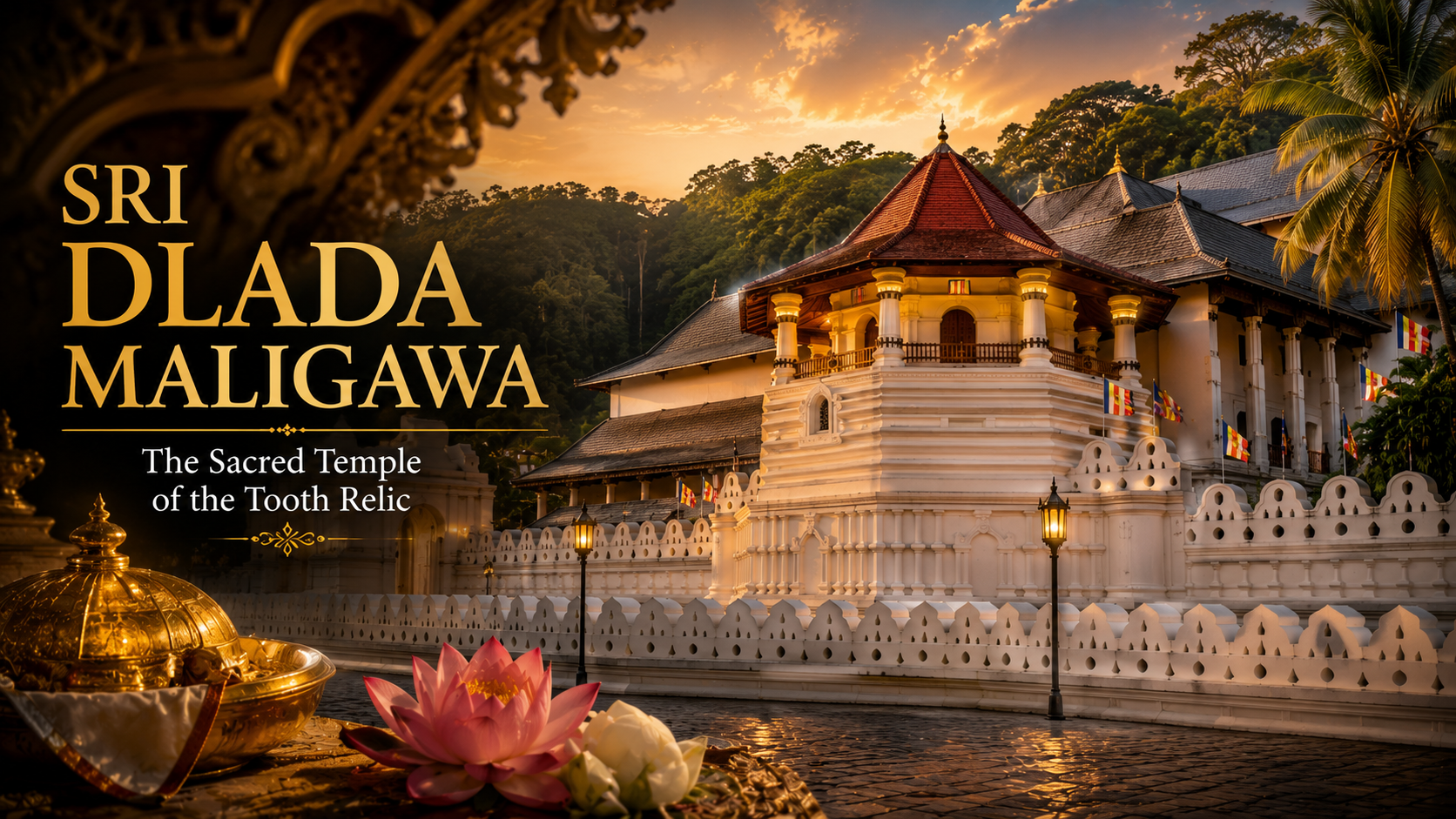
Located in the historic city of Kandy, Sri Lanka, the Sri Dalada Maligawa (Temple of the Tooth Relic) is one of the most sacred Buddhist sites in the world. Famous for preserving the sacred tooth relic of the Lord Buddha, this magnificent temple represents Sri Lanka’s religious devotion, royal history, and cultural identity. Every year, thousands of local and international visitors travel to Kandy to experience the spiritual atmosphere, traditional architecture, and centuries-old customs connected with this remarkable place.
Recognized as a UNESCO World Heritage Site, the Temple of the Tooth Relic continues to play an important role in Sri Lanka’s Buddhist traditions and national heritage.
The Origin of the Sacred Tooth Relic
According to Buddhist history, after the passing away of Lord Buddha in 543 BCE, his sacred remains were divided among his followers and distributed to different regions. Among these remains was the sacred tooth relic, which became one of the most respected objects of Buddhist worship.
Historical records state that the Buddha’s tooth relic was brought to Sri Lanka during the reign of King Sri Meghavanna (301–328 CE) of Anuradhapura. The relic was believed to have been secretly carried from India to Sri Lanka by Princess Hemamali, the daughter of King Guhasiva of Kalinga, and her husband Prince Dantha. According to tradition, Princess Hemamali hid the relic in her hair while traveling to protect it from enemies.
When the relic arrived in Sri Lanka, it was welcomed by the king and placed in a specially built shrine. From that time onwards, the tooth relic became closely connected with Sri Lankan kingship. Possession of the relic symbolized the legitimate right to rule the country.
The Journey of the Tooth Relic Across Sri Lanka
Throughout Sri Lankan history, the sacred tooth relic was moved between several ancient capitals as political power shifted. During the Anuradhapura period, it was carefully protected within royal temples. Later, when the capital moved to Polonnaruwa, the relic was transferred there as well.
As Sri Lanka faced invasions and political changes, protecting the sacred relic became a major responsibility of the rulers. It was eventually moved through several locations, including Dambadeniya, Yapahuwa, Kurunegala, and Gampola.
During the 16th century, when the Portuguese threatened parts of Sri Lanka, the relic was brought to Kandy. The Kandyan Kingdom became the final home of the sacred tooth relic, and a grand temple complex was built to protect it.
Construction of Sri Dalada Maligawa in Kandy
The present Temple of the Tooth Relic was mainly developed during the reign of the Kandyan kings. King Vimaladharmasuriya I (1592–1604) built the first temple in Kandy to house the sacred relic after establishing Kandy as the capital of the kingdom.
Later rulers expanded and improved the temple complex. King Narendrasinha (1707–1739) and other Kandyan kings contributed to its development, adding beautiful architectural features and decorations.
The temple reflects traditional Kandyan architecture, featuring detailed wood carvings, stone sculptures, golden decorations, and artistic designs. The main shrine where the tooth relic is kept is located inside a series of protected chambers. The relic itself is placed inside a golden casket decorated with precious stones, and visitors can pay respect during special religious ceremonies.
Religious and Cultural Importance
The Sri Dalada Maligawa is not only a place of worship but also a symbol of Sri Lanka’s Buddhist culture. Daily rituals are performed three times a day, known as Thevava, where Buddhist monks conduct ceremonies to honor the sacred relic.
Thousands of devotees visit the temple to offer flowers, light oil lamps, and engage in religious activities. Many Buddhists believe that visiting the temple and paying respect to the sacred relic brings blessings and spiritual peace.
The temple also preserves many valuable historical artifacts, ancient manuscripts, traditional paintings, and royal treasures that provide insight into Sri Lanka’s rich cultural history.
The Esala Perahera: A Grand Cultural Celebration
One of the most famous events connected with Sri Dalada Maligawa is the Kandy Esala Perahera, an annual religious procession held during July or August. It is considered one of the oldest and most spectacular cultural festivals in Asia.
The procession features beautifully decorated elephants, traditional dancers, drummers, fire performers, flag bearers, and cultural groups representing Sri Lanka’s diverse traditions. The highlight of the Perahera is the ceremonial procession of the sacred tooth relic replica carried on a specially decorated elephant.
The Esala Perahera attracts thousands of visitors from around the world and showcases Sri Lanka’s unique combination of religion, art, music, and traditional performances.
The Temple During Historical Challenges
Throughout its history, Sri Dalada Maligawa has faced several challenges, including foreign invasions and political conflicts. One of the most tragic incidents occurred in 1998, when the temple was attacked by the Liberation Tigers of Tamil Eelam (LTTE). The attack caused significant damage to parts of the temple complex, but it was later restored while preserving its historical character.
Despite these challenges, the Temple of the Tooth Relic remains a powerful symbol of resilience, unity, and faith.
A Symbol of Sri Lankan Identity
For centuries, Sri Dalada Maligawa has represented the spiritual heart of Sri Lanka. Beyond its religious importance, it reflects the country’s history, traditional craftsmanship, and cultural values.
The temple continues to connect modern generations with Sri Lanka’s ancient past. Its importance extends beyond Buddhism, as it has become a national treasure admired by people of different backgrounds around the world.
Conclusion
The story behind Sri Dalada Maligawa is a story of faith, history, and cultural preservation. From the arrival of the sacred tooth relic in Sri Lanka over 1,700 years ago to its present-day home in Kandy, the journey of this sacred symbol reflects the country’s long and fascinating heritage.
Today, the Temple of the Tooth Relic stands as a reminder of Sri Lanka’s ancient civilization, spiritual traditions, and commitment to protecting its cultural treasures. Whether visited for religious devotion, historical exploration, or cultural appreciation, Sri Dalada Maligawa remains one of the most unforgettable landmarks in Sri Lanka.
Additional Media