The Sri Lanka Economic Crisis: Causes, Impacts, and Future Outlook
Rakshika Rathnayake7/15/20265 min read
Share:Facebook
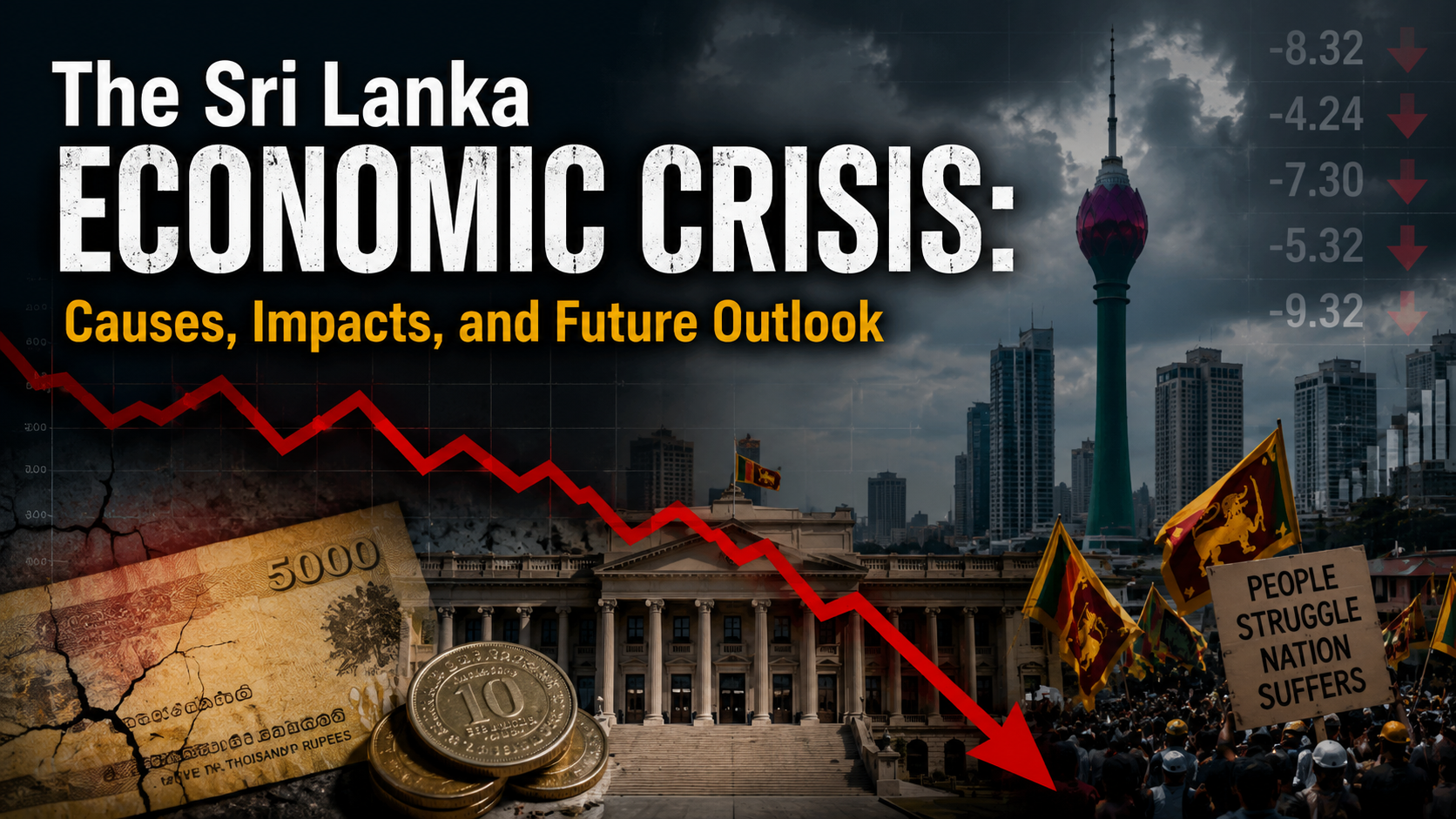
The island nation of Sri Lanka, once a model for developing economies, plunged into its most severe economic crisis since independence in 1948, a situation that escalated dramatically between 2021 and 2022. This period was marked by soaring inflation, a critical depletion of foreign exchange reserves, and severe shortages of essential goods, leading to widespread social and political upheaval. This article explores the complex origins of the Sri Lanka economic crisis, examines its profound consequences for the nation, and assesses the current situation and the challenging path toward recovery.
A Perfect Storm of Factors: The crisis was not born from a single event but a toxic combination of long-term debt accumulation, drastic policy missteps, and severe external shocks that crippled key sectors of the economy.
Humanitarian Impact: Beyond economic indicators, the crisis triggered a humanitarian emergency, with millions facing food insecurity and hardship as the cost of living skyrocketed and essential supplies vanished.
Political Transformation: Unprecedented public protests, fueled by economic desperation, led to a dramatic political shift, including the resignation of the country's president in 2022.
Path to Recovery: With the help of an IMF bailout, Sri Lanka has embarked on a difficult journey of economic stabilization and reform, but significant challenges remain on the road to a resilient and sustainable future.
Global Cautionary Tale: Sri Lanka's experience serves as a stark warning to other developing nations about the dangers of unsustainable debt, populist economic policies, and the importance of sound governance.
Unpacking the Root Causes of Sri Lanka's Economic Crisis
The Sri Lankan economic crisis was the culmination of several overlapping factors that created a perfect storm of financial instability. A history of accumulating debt laid the groundwork, while a series of misguided policy decisions and unforeseen external events acted as powerful accelerators, pushing the economy over the brink.
Historical Debt Accumulation
For years, Sri Lanka financed development projects, many of which were of questionable economic value, through substantial foreign borrowing. This reliance on external debt grew increasingly precarious as the country shifted from concessional loans, which have more favorable terms, to more expensive commercial borrowing from international capital markets. This strategy left the nation vulnerable, with a significant portion of its revenue committed to servicing these high-interest loans, a situation that became untenable as foreign reserves dwindled.
Misguided Economic Policies
Two key policy blunders severely aggravated the situation. First, in 2019, the government enacted sweeping tax cuts, including a reduction in the Value-Added Tax (VAT) and the abolition of several other taxes. This move drastically slashed government revenue, widened the budget deficit, and led to credit rating downgrades, making it harder and more expensive to borrow internationally. Second, in April 2021, an abrupt and ill-conceived nationwide ban on chemical fertilizers and pesticides was imposed in an attempt to make Sri Lanka the world's first fully organic farming nation. This policy, implemented with little warning or preparation, led to a catastrophic failure in crop yields, particularly for staple foods like rice and key exports like tea, devastating the agricultural sector and forcing the country to import food, further draining its foreign currency reserves.
External Shocks and Vulnerabilities
The Sri Lankan economy was also battered by a series of external shocks. The 2019 Easter Sunday bombings dealt a severe blow to the lucrative tourism industry, a critical source of foreign exchange. Before the sector could recover, the COVID-19 pandemic brought global travel to a standstill, decimating tourism revenues and cutting off another vital economic lifeline. Compounding these issues, rising global oil prices increased the import bill for fuel, putting additional strain on the country's already depleted foreign reserves.
Governance and Political Instability
Underlying these economic factors were persistent issues of governance. Allegations of corruption and economic mismanagement eroded public trust and investor confidence. Critics point to a lack of timely and effective policy responses as the crisis loomed. Instead of seeking help from the International Monetary Fund (IMF) earlier, the government pursued unconventional strategies like printing money to cover spending, which only fueled inflation and worsened the economic implosion.
Profound Impacts on the Nation and Its People
The economic crisis of 2022 had a devastating and far-reaching impact on Sri Lanka, crippling daily life and leading to a humanitarian crisis. The effects rippled through every level of society, from households struggling to afford food to the highest offices of government, which were upended by a wave of popular anger.
Severe Inflation and Cost of Living
Inflation surged to unprecedented levels, peaking at nearly 70% in September 2022, which eroded the purchasing power of ordinary citizens. The prices of essential goods, including food, fuel, and medicine, skyrocketed, making them unaffordable for a large segment of the population. Food inflation was particularly acute, reaching a staggering 95% at its peak, forcing many families to skip meals and pushing millions into food insecurity.
Widespread Shortages of Essential Goods
With foreign reserves nearly depleted, Sri Lanka could no longer afford to import essential items. This led to severe shortages across the country. Citizens endured long, winding queues, sometimes for days, to obtain fuel for their vehicles and cooking gas for their homes. The country experienced rolling power cuts lasting for hours due to the inability to import fuel for power plants. Hospitals were forced to postpone surgeries and ran out of critical medicines, while schools had to cancel exams due to a paper shortage.
Social Unrest and Political Upheaval
The economic hardships fueled mass public protests on a scale never before seen in the country. Beginning in March 2022, hundreds of thousands of citizens from all walks of life took to the streets, demanding the resignation of the government, which they held responsible for the crisis. The protests culminated in July 2022, when demonstrators stormed the official residences of the president and prime minister, forcing President Gotabaya Rajapaksa to flee the country and resign.
Impact on Key Economic Sectors
The crisis inflicted deep wounds on the Sri Lankan economy. The disastrous fertilizer ban caused a sharp decline in agricultural output, threatening food security and reducing export earnings from crops like tea. Small and medium-sized enterprises (SMEs), the backbone of the economy, struggled to survive amidst power cuts, fuel shortages, and a lack of raw materials. This led to business closures and a significant rise in unemployment, exacerbating the economic challenges faced by the population.
The Current Situation and Path to Recovery
Following the peak of the crisis in 2022, Sri Lanka has embarked on a painstaking journey toward economic stabilization. While the acute shortages and hyperinflation have subsided, the country's recovery remains fragile and contingent on sustained reform efforts and a favorable global environment.
International Monetary Fund (IMF) Bailout
A critical turning point came in March 2023, when the IMF approved a 48-month Extended Fund Facility (EFF) of approximately $3 billion. This program was designed to restore macroeconomic stability, achieve debt sustainability, and unlock the country's growth potential. A key condition of the IMF bailout was the restructuring of Sri Lanka's massive foreign debt. The government has since made significant progress, reaching agreements with bilateral creditors like China and India, as well as private bondholders, to reschedule its debt payments.
Government Reforms and Austerity Measures
To meet the IMF's conditions and stabilize public finances, the new government implemented a series of difficult and often unpopular austerity measures. These reforms included significant tax increases, such as raising the VAT, and steep hikes in electricity and fuel tariffs to reflect costs. The government has also initiated reforms of state-owned enterprises to reduce their drain on the national budget. While necessary for long-term stability, these measures have placed a heavy short-term burden on a population already reeling from the crisis.
Signs of Stabilization and Ongoing Challenges
These painful adjustments have started to yield positive results. Inflation has fallen dramatically from its peak, foreign exchange reserves have been gradually rebuilt, and the economy has returned to modest growth. However, Sri Lanka is not out of the woods. The country's debt levels remain high, and the recovery is vulnerable to both domestic and external shocks. Persistent challenges include the need for deeper structural reforms, strengthening governance, tackling corruption, and addressing the high poverty rates that resulted from the crisis.
Is the Crisis Over? A Nuanced Perspective
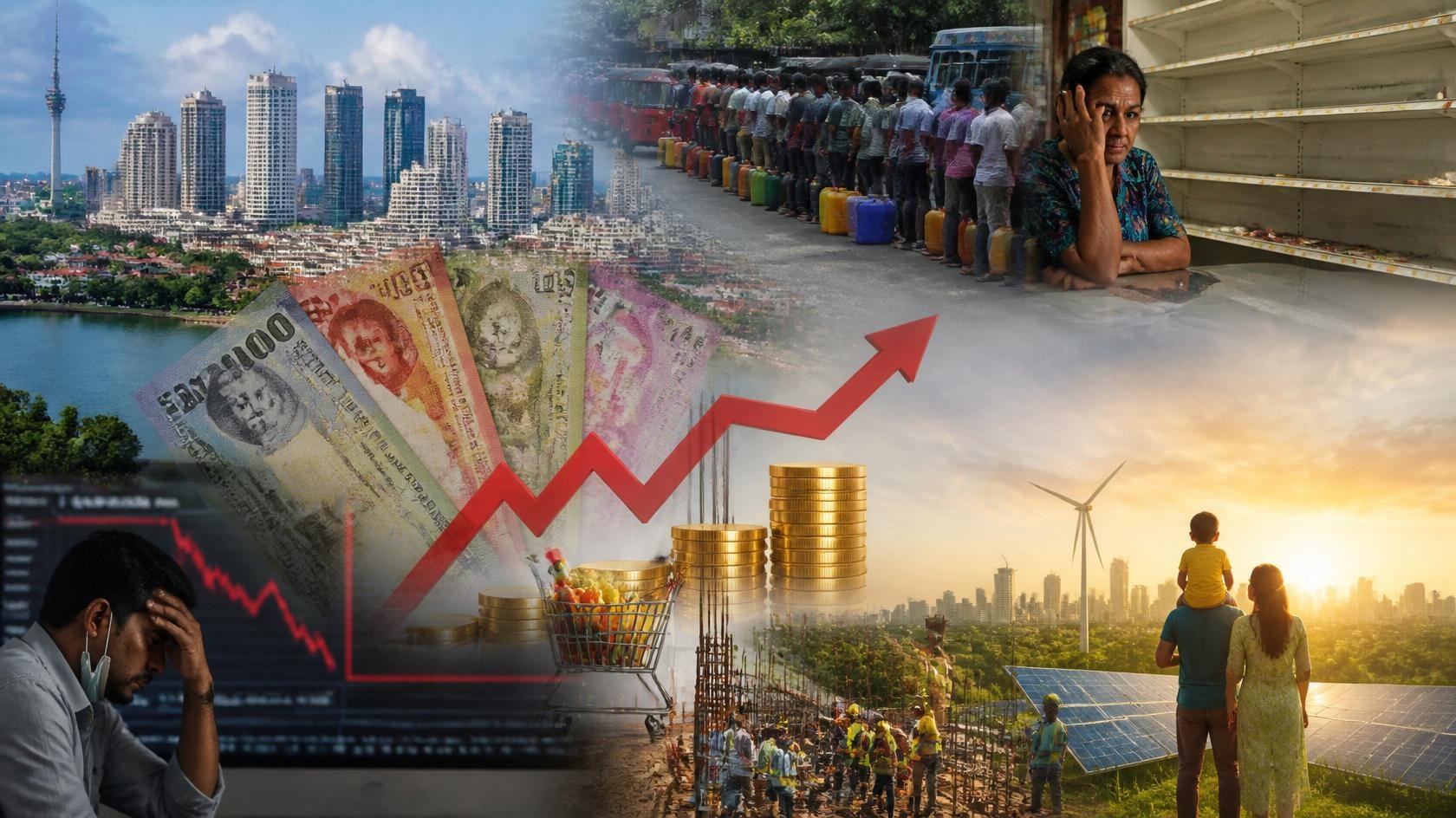
While the worst phase of the crisis—characterized by empty shelves, endless queues, and crippling power cuts—is over, it is premature to declare the economic crisis fully resolved. The path to a full recovery is long and fraught with risks. Economic resilience must be built through sustained commitment to fiscal discipline and structural reforms. The recovery's fragility means that continued vigilance, strong political will, and the effective implementation of the reform agenda are essential to prevent a relapse and build a more stable and prosperous future.
Lessons Learned and Building a Resilient Future
The Sri Lankan economic crisis offers critical lessons for the nation and serves as a powerful cautionary tale for other developing countries. Moving forward, the focus must shift from short-term stabilization to building a foundation for long-term, sustainable, and inclusive growth.
Key Takeaways for Sri Lanka
The primary lesson from the crisis is the paramount importance of fiscal discipline. Years of living beyond its means, funded by unsustainable debt, proved catastrophic. Future economic policy must be grounded in prudent financial management, ensuring that government revenue is sufficient to cover expenditure. The crisis also highlighted the dangers of an over-reliance on a few sectors like tourism and the need for a more diversified economic base. Furthermore, strengthening governance, increasing transparency, and combating corruption are essential for rebuilding public trust and creating an attractive environment for investment. Finally, the immense suffering caused by the crisis underscores the need for robust social safety nets to protect the most vulnerable populations during economic downturns.
Implications for Other Developing Nations
Sri Lanka's experience provides a stark warning about the confluence of risks that can lead to economic collapse. For nations with high levels of foreign debt, large budget deficits, and a reliance on volatile income sources, the crisis demonstrates how quickly stability can unravel. It shows that populist policy decisions, such as sudden and deep tax cuts without corresponding spending reductions, can have devastating consequences. The story of the failed overnight switch to organic farming is a powerful reminder that major policy shifts require careful planning, stakeholder consultation, and a phased implementation to avoid unintended and disastrous outcomes.
Long-Term Vision for Economic Stability
To prevent future crises, Sri Lanka's long-term vision must be built on several key pillars. A concerted effort to boost exports and attract sustainable foreign direct investment is crucial for generating the foreign currency needed for stable growth. This requires improving the business climate, investing in human capital, and strengthening democratic institutions. Political stability, policy consistency, and a transparent regulatory framework are non-negotiable for achieving lasting economic recovery. Ultimately, building a resilient future depends on a shared commitment from political leaders and citizens to learn from the painful lessons of the past and forge a new path based on responsibility, transparency, and sustainable development.
Conclusion
The Sri Lankan economic crisis of 2021-2022 was a national tragedy born from a combination of chronic fiscal mismanagement, disastrous policy choices, and debilitating external shocks. It inflicted immense hardship on its people, leading to shortages, hyperinflation, and political chaos that reshaped the country's leadership. The journey since the default in April 2022 has been one of painful but necessary adjustment. Through an IMF-backed program, the nation has managed to stabilize its economy, curb inflation, and begin the arduous process of debt restructuring. The empty shelves and long fuel queues that defined the peak of the crisis have receded, replaced by a fragile sense of normalcy.
However, stabilization is not the same as recovery. The road ahead remains long and filled with challenges. The austerity measures required for the bailout have placed a significant burden on the population, and poverty levels remain high. To secure a resilient and prosperous future, Sri Lanka must internalize the hard-learned lessons of this crisis. This means embedding fiscal discipline into its political culture, diversifying its economic engines beyond tourism and remittances, and strengthening governance to combat corruption and improve transparency. The crisis must serve not just as a memory of hardship, but as a catalyst for fundamental structural reforms that can prevent such a catastrophe from ever happening again. The next step is to transform this hard-won stability into sustainable, inclusive growth that benefits all Sri Lankans.
Frequently Asked Questions (FAQ)
What was the main reason for the Sri Lanka economic crisis?
The crisis was caused by a combination of factors, including decades of accumulating foreign debt, severe policy missteps like the 2019 tax cuts that slashed government revenue, and an abrupt ban on chemical fertilizers in 2021 that devastated agriculture. These were compounded by external shocks like the 2019 Easter bombings and the COVID-19 pandemic, which crippled the vital tourism industry.
When did the economic crisis in Sri Lanka start?
While the underlying economic vulnerabilities built up over many years, the crisis began to escalate significantly in 2021 and reached its peak in 2022. This period was marked by the country defaulting on its foreign debt for the first time in its history in April 2022, leading to severe shortages and hyperinflation.
Is the Sri Lanka economic crisis over?
The most acute phase of the crisis, characterized by widespread shortages and political turmoil, is over. Thanks to an IMF bailout and government reforms, the economy has stabilized, inflation has decreased, and essential goods are available again. However, the country is still in a long-term recovery process, facing challenges like high debt levels and the need for continued structural reforms.
What was the impact of the economic crisis on the people of Sri Lanka?
The impact was severe. Citizens faced extreme hardship due to hyperinflation that made basic goods unaffordable, and there were critical shortages of fuel, cooking gas, medicine, and food. This led to long queues, extended power cuts, and a significant increase in poverty and food insecurity, sparking widespread protests that led to a change in government.
How is Sri Lanka recovering from the economic crisis?
Recovery efforts are centered around a $3 billion IMF bailout program that required the government to implement significant reforms. Key steps include increasing taxes to boost revenue, restructuring foreign and domestic debt, cutting subsidies, and reforming state-owned enterprises. These measures aim to restore fiscal discipline and macroeconomic stability.
Did the fertilizer ban cause the Sri Lanka economic crisis?
The sudden ban on chemical fertilizers in 2021 was a major contributing factor, but not the sole cause. It led to a dramatic drop in crop yields, which worsened food shortages and reduced export earnings from tea. This agricultural crisis put immense pressure on Sri Lanka's already dwindling foreign reserves, accelerating the slide into a full-blown economic collapse.
Is it safe to travel to Sri Lanka now after the crisis?
Yes, the political situation has stabilized, and the severe shortages of fuel and other essentials that affected daily life in 2022 have been resolved. The tourism industry, a key part of the economy, is once again welcoming visitors, and travel in the country has returned to normal.
Additional Media