The Impact of the Economic Crisis on Sri Lankan Families: Challenges, Adaptation, and the Path to Recovery
Rakshika Rathnayake7/27/20265 min read
Share:Facebook
Introduction
The economic crisis that affected Sri Lanka in recent years has been one of the most significant challenges in the country's post-independence history. The crisis resulted from a combination of domestic economic weaknesses and external factors, leading to severe shortages of essential goods, high inflation, declining foreign exchange reserves, and disruptions to daily life. Although the economy has shown signs of stabilization in some areas, many Sri Lankan families continue to experience the long-term social and economic consequences.
Families form the foundation of every society. Their well-being directly influences children's education, health, employment, social stability, and overall national development. When an economic crisis occurs, households are often the first to experience its effects through rising living costs, reduced incomes, unemployment, and uncertainty about the future.
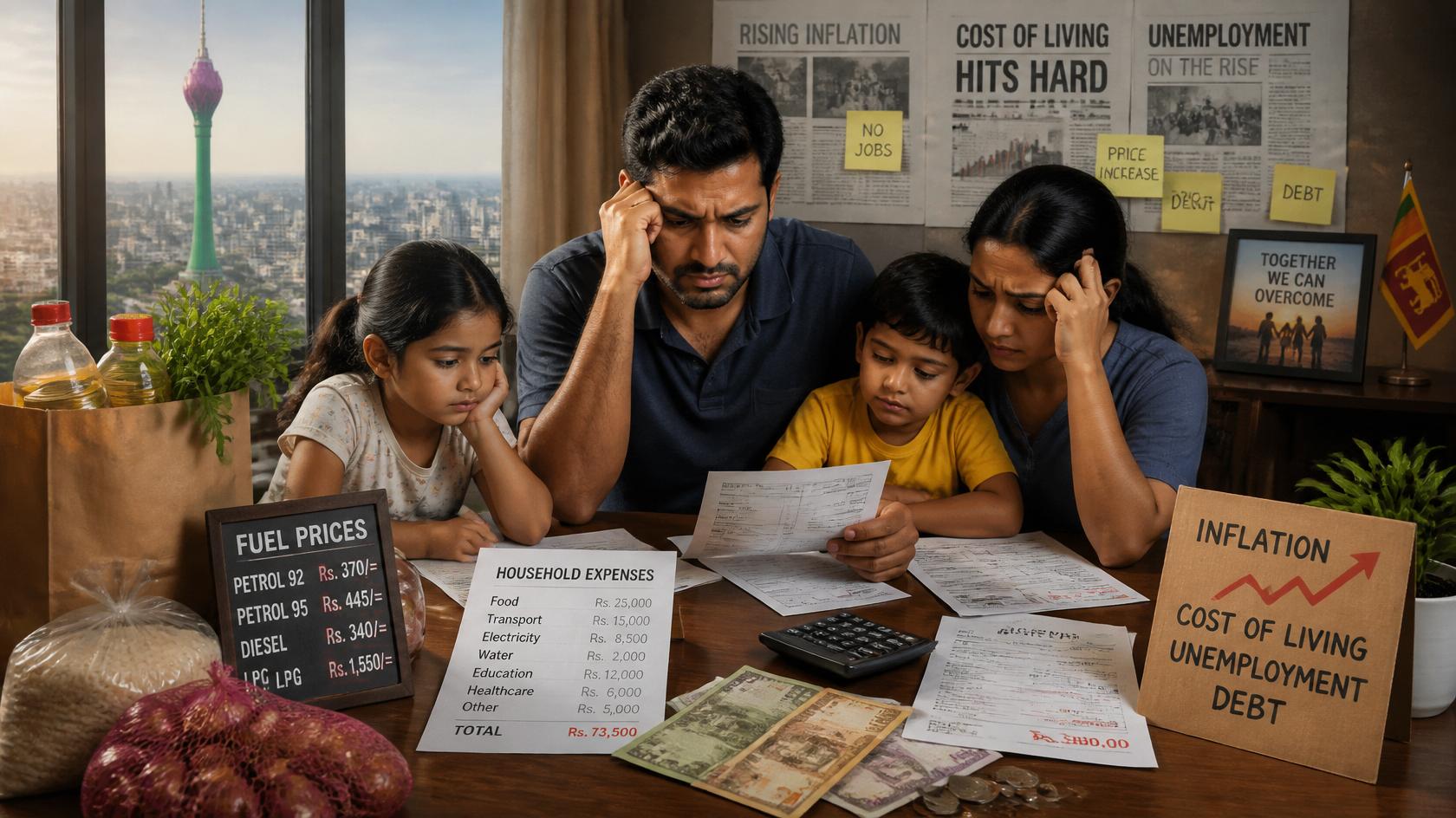
The impact of the crisis has not been uniform across society. Low-income families, daily wage earners, small business owners, farmers, and vulnerable groups have generally faced greater hardships than higher-income households. Many families have had to make difficult decisions regarding food consumption, healthcare, education, transportation, and savings in order to cope with increasing financial pressure.
This article examines the causes of Sri Lanka's economic crisis, its effects on families, and the importance of long-term recovery strategies that support sustainable economic and social development.
Understanding the Economic Crisis in Sri Lanka
An economic crisis refers to a period of severe financial instability that negatively affects production, employment, prices, government finances, and the overall standard of living.
Sri Lanka's recent economic crisis developed through the interaction of several factors, including:
Declining foreign exchange reserves.
High external debt obligations.
Reduced tourism earnings following the COVID-19 pandemic.
Lower export earnings during certain periods.
Rising global fuel and food prices.
Inflation and currency depreciation.
Supply chain disruptions.
These factors placed significant pressure on both the government and ordinary citizens, affecting nearly every sector of the economy.
Major Causes of the Economic Crisis
1. Decline in Foreign Exchange Earnings
Foreign exchange is essential for importing fuel, medicine, food, and industrial raw materials.
Sri Lanka traditionally earned foreign exchange through:
Tourism.
Exports such as tea, garments, and rubber products.
Workers' remittances from overseas employment.
The COVID-19 pandemic significantly reduced tourism income, while global economic disruptions affected other foreign exchange sources. This created shortages of foreign currency needed to finance imports.
2. High Public Debt
Over many years, Sri Lanka accumulated substantial domestic and external debt.
When government revenue became insufficient to meet repayment obligations, financial pressure increased. Debt servicing reduced the resources available for public investment and essential services.
High debt levels also affected investor confidence and economic stability.
3. Inflation
Inflation refers to a sustained increase in the general price level of goods and services.
During the crisis, prices increased rapidly, making everyday necessities more expensive.
Families experienced rising costs for:
Food.
Transportation.
Electricity.
Cooking gas.
Medicine.
School supplies.
As inflation increased, purchasing power declined because household incomes often did not rise at the same pace.
4. Fuel and Energy Shortages
Fuel shortages became one of the most visible consequences of the crisis.
Long queues for fuel affected:
Public transportation.
Private travel.
Agricultural production.
Industrial operations.
School attendance.
Healthcare services.
Businesses also experienced reduced productivity because of transportation difficulties and power interruptions.
5. Global Economic Conditions
Sri Lanka's economy is connected to international markets.
Global increases in:
Oil prices.
Food prices.
Shipping costs.
Interest rates.
placed additional pressure on the country's economy and increased the cost of imports.
Impact on Household Income
One of the most immediate consequences of the economic crisis was the decline in household purchasing power.
Many families experienced:
Reduced employment opportunities.
Lower business income.
Fewer working hours.
Declining customer demand.
Increased living expenses.
Even households with stable employment found it difficult to maintain their previous standard of living.
Many families were forced to revise monthly budgets and reduce non-essential spending.
Rising Cost of Living
The increasing cost of living became one of the greatest challenges for Sri Lankan families.
Households had to allocate a larger share of their income toward essential needs such as food, electricity, transport, and healthcare.
Common adjustments included:
Purchasing fewer household items.
Delaying repairs and maintenance.
Reducing leisure activities.
Postponing major purchases.
Limiting travel.
Financial planning became increasingly important for many households.
Food Security and Nutrition
Food security refers to consistent access to sufficient, safe, and nutritious food.
During the crisis, rising food prices affected household nutrition.
Many families adjusted their diets by:
Purchasing lower-cost food items.
Reducing the variety of meals.
Limiting consumption of protein-rich foods.
Reducing dining outside the home.
These changes had the potential to affect nutritional quality, particularly for children, older adults, and vulnerable populations.
Balanced nutrition remains essential for healthy growth, disease prevention, and overall well-being.
Effects on Children's Education
Education is one of the sectors most closely connected to household economic conditions.
During the economic crisis, many families faced increased educational expenses, including:
School transport.
Books.
Stationery.
Uniforms.
Internet access.
Digital learning devices.
Some students experienced interruptions in learning due to transportation difficulties or financial constraints.
Parents often made considerable sacrifices to ensure that their children could continue their education despite economic hardships.
Education remains one of the most valuable long-term investments for both families and national development.
Pressure on Small Businesses
Small and medium-sized enterprises (SMEs) play a vital role in Sri Lanka's economy.
However, many businesses experienced challenges such as:
Reduced customer demand.
Higher operating costs.
Limited access to raw materials.
Increased transportation expenses.
Cash flow difficulties.
Some businesses reduced operating hours, postponed expansion plans, or temporarily suspended operations.
Because many families depend on small businesses for income, these challenges directly affected household financial security.
Employment Challenges
Employment opportunities were also affected during the economic crisis.
Some sectors experienced slower business activity, leading to:
Reduced hiring.
Temporary layoffs.
Lower overtime opportunities.
Income uncertainty.
Young people entering the labour market often found it more difficult to secure suitable employment.
Many workers also explored:
Freelancing.
Online employment.
Entrepreneurship.
Overseas employment opportunities.
as alternative income sources.
Mental Health and Emotional Well-being
Financial uncertainty can create emotional stress for individuals and families.
Economic hardship may contribute to:
Anxiety about the future.
Financial stress.
Sleep disturbances.
Family tension.
Reduced confidence.
However, supportive family relationships, open communication, community support, and access to mental health services can help individuals cope with these challenges.
Recognizing emotional well-being as an important aspect of recovery is essential for building resilient families and communities.
Impact on Healthcare
The economic crisis significantly affected access to healthcare for many Sri Lankan families. Rising transportation costs, increasing prices of medicines, and shortages of certain medical supplies created additional challenges, particularly for low-income households and people living in rural areas.
Many families postponed non-urgent medical appointments due to financial difficulties. Some individuals delayed purchasing prescribed medications or sought lower-cost alternatives after consulting healthcare providers. Chronic disease patients, older adults, and pregnant women were among those most vulnerable to these challenges.
Healthcare professionals also faced increased pressure as public hospitals experienced greater demand while dealing with resource constraints. Although Sri Lanka's public healthcare system continued to provide essential services, the crisis highlighted the importance of strengthening healthcare resilience and ensuring consistent access to essential medicines.
Migration and Brain Drain
The economic crisis encouraged many skilled professionals and young workers to seek employment opportunities abroad.
Doctors, engineers, IT professionals, teachers, accountants, and other skilled workers migrated to countries offering higher salaries and greater economic stability. While overseas employment increased foreign remittances, it also created shortages of experienced professionals in several sectors within Sri Lanka.
Many families viewed migration as an opportunity to improve their financial situation. However, migration also brought emotional challenges, including long-term separation between family members and changes in family responsibilities.
Maintaining strong family relationships despite physical distance became an important challenge for many households.
Social Relationships and Family Dynamics
Economic hardship often influences relationships within families.
Financial stress can contribute to disagreements regarding household expenses, savings, employment decisions, and future planning. Parents may experience additional pressure while trying to provide food, education, and healthcare for their children.
Children may also experience emotional stress when they observe financial difficulties within the household. Open communication, mutual understanding, and emotional support become increasingly important during periods of economic uncertainty.
Many Sri Lankan families demonstrated remarkable resilience by supporting one another through shared responsibilities and collective decision-making.
Women and the Economic Crisis
Women played a particularly important role in helping families cope with the economic crisis.
Many women:
Started home-based businesses.
Expanded small-scale food production.
Participated in online entrepreneurship.
Managed household budgets more carefully.
Sought additional employment opportunities.
At the same time, women often carried increased responsibilities related to childcare, elder care, household management, and income generation.
Supporting women's economic participation through training, financial services, and equal employment opportunities remains essential for national development.
Impact on Children and Young People
Children and young people experienced both direct and indirect consequences of the economic crisis.
Many households reduced spending on:
Educational materials.
Tuition classes.
Recreational activities.
Nutrition.
Digital learning resources.
Some university students and graduates also experienced delays in securing employment, creating uncertainty about their future careers.
Despite these challenges, many young Sri Lankans demonstrated adaptability by learning new digital skills, participating in online education, freelancing, and entrepreneurship.
Investing in youth development remains one of the most effective ways to support long-term economic recovery.
Community Support and Social Solidarity
One positive aspect observed during the economic crisis was the strength of community support.
Across Sri Lanka, communities organized various initiatives to assist vulnerable families, including:
Food donation programs.
Community kitchens.
Religious and charitable assistance.
Volunteer services.
Educational support for disadvantaged children.
Religious institutions, non-governmental organizations, community-based organizations, and private individuals all contributed to helping families facing economic hardship.
These collective efforts demonstrated the importance of social solidarity during national crises.
Government Responses
The Sri Lankan government implemented various measures aimed at stabilizing the economy and supporting vulnerable populations.
These included:
Social welfare assistance programs.
Economic reform initiatives.
Debt restructuring efforts.
International financial cooperation.
Measures to improve public financial management.
Programs to strengthen social protection systems.
Although recovery takes time, these efforts aim to restore macroeconomic stability while protecting vulnerable groups.
Long-term success depends on sustainable economic policies, transparent governance, and continued investment in productive sectors.
Household Adaptation Strategies
Sri Lankan families demonstrated considerable resilience by adopting various coping strategies.
Many households:
Prepared monthly financial plans.
Reduced unnecessary spending.
Increased home gardening.
Started small businesses.
Shared resources among extended family members.
Used digital platforms for additional income.
Improved financial management practices.
These adaptive strategies helped many families manage financial uncertainty while maintaining essential household needs.
Long-Term Solutions for Sustainable Recovery
Sustainable recovery requires coordinated efforts from government institutions, the private sector, civil society, and individual citizens.
Key priorities include:
1. Strengthening Economic Stability
Maintaining stable inflation, responsible fiscal policies, and sustainable debt management will help improve investor confidence and support long-term growth.
2. Creating Employment Opportunities
Investment in sectors such as:
Information Technology.
Tourism.
Agriculture.
Manufacturing.
Renewable Energy.
Digital Services.
can create quality employment opportunities for young people.
3. Supporting Small and Medium Enterprises
Providing access to finance, training, technology, and export opportunities can strengthen SMEs, which are major contributors to employment and economic growth.
4. Investing in Education and Skills Development
Education systems should continue to develop:
Digital literacy.
Technical skills.
Entrepreneurship.
Critical thinking.
Communication skills.
Preparing young people for changing labour market demands will improve long-term economic resilience.
5. Expanding Social Protection
Effective social protection programs help vulnerable households during periods of economic difficulty.
Well-targeted assistance can reduce poverty while supporting children's education, nutrition, and healthcare.
Lessons Learned from the Economic Crisis
The recent economic crisis provided several important lessons for Sri Lanka.
First, maintaining strong economic institutions and transparent governance is essential for long-term stability.
Second, economic diversification reduces dependence on a limited number of industries or income sources.
Third, household financial planning, savings, and emergency preparedness can help families better withstand future economic shocks.
Finally, national resilience depends not only on economic growth but also on social cohesion, education, healthcare, and strong community networks.
The Road to Recovery
Although the economic crisis created significant hardships, Sri Lanka has opportunities to build a stronger and more resilient future.
Recovery requires:
Responsible economic management.
Sustainable development policies.
Investment in human capital.
Innovation and entrepreneurship.
International cooperation.
Public trust and accountability.
Families, businesses, educational institutions, and policymakers all have important roles to play in rebuilding the economy.
By focusing on inclusive growth and equal opportunities, Sri Lanka can strengthen its economy while improving the quality of life for future generations.
Conclusion
The economic crisis has profoundly affected Sri Lankan families by increasing the cost of living, reducing household incomes, disrupting education and healthcare, and creating uncertainty about the future. While the crisis exposed structural weaknesses within the economy, it also demonstrated the resilience, adaptability, and determination of Sri Lankan families and communities.
Many households responded by carefully managing their finances, seeking new income opportunities, supporting one another, and adapting to changing circumstances. Community organizations, businesses, and public institutions also contributed to helping vulnerable groups during difficult times.
Moving forward, sustainable economic recovery will require sound public policies, investment in education and employment, support for businesses, improved social protection, and stronger governance. By learning from recent experiences and working together, Sri Lanka can build a more stable, inclusive, and resilient economy.
Ultimately, the strength of a nation lies not only in its economic indicators but also in the resilience of its people. Supporting families, empowering young people, and creating opportunities for all citizens will remain central to Sri Lanka's long-term development and prosperity.
Additional Media