Sponsored
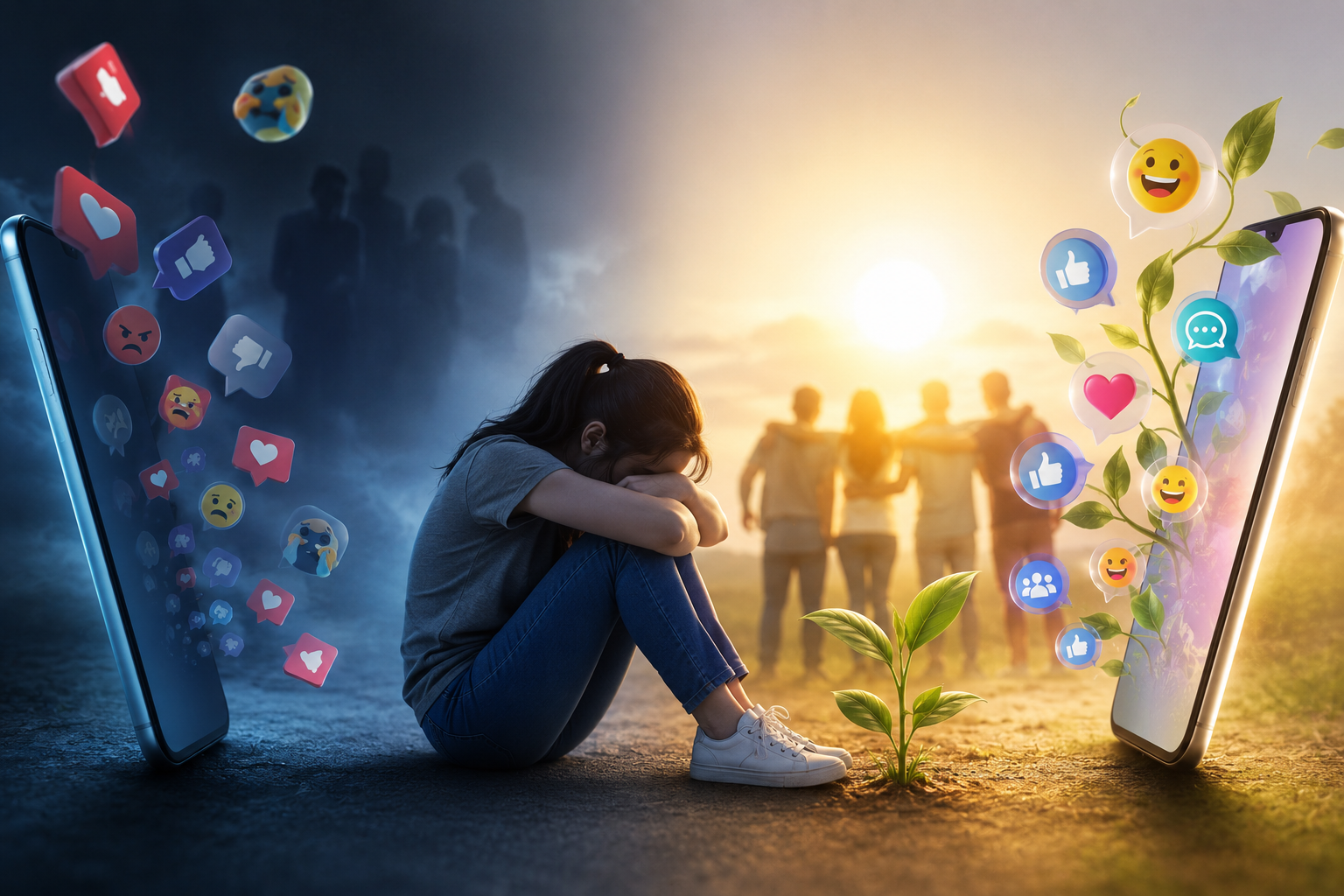
Social media has become an essential part of modern life, connecting billions of people around the world through platforms such as Facebook, Instagram, TikTok, X (Twitter), and Snapchat. While these platforms offer many benefits, they also have significant effects on mental health, both positive and negative. Understanding these impacts is important for maintaining a healthy balance in daily life.
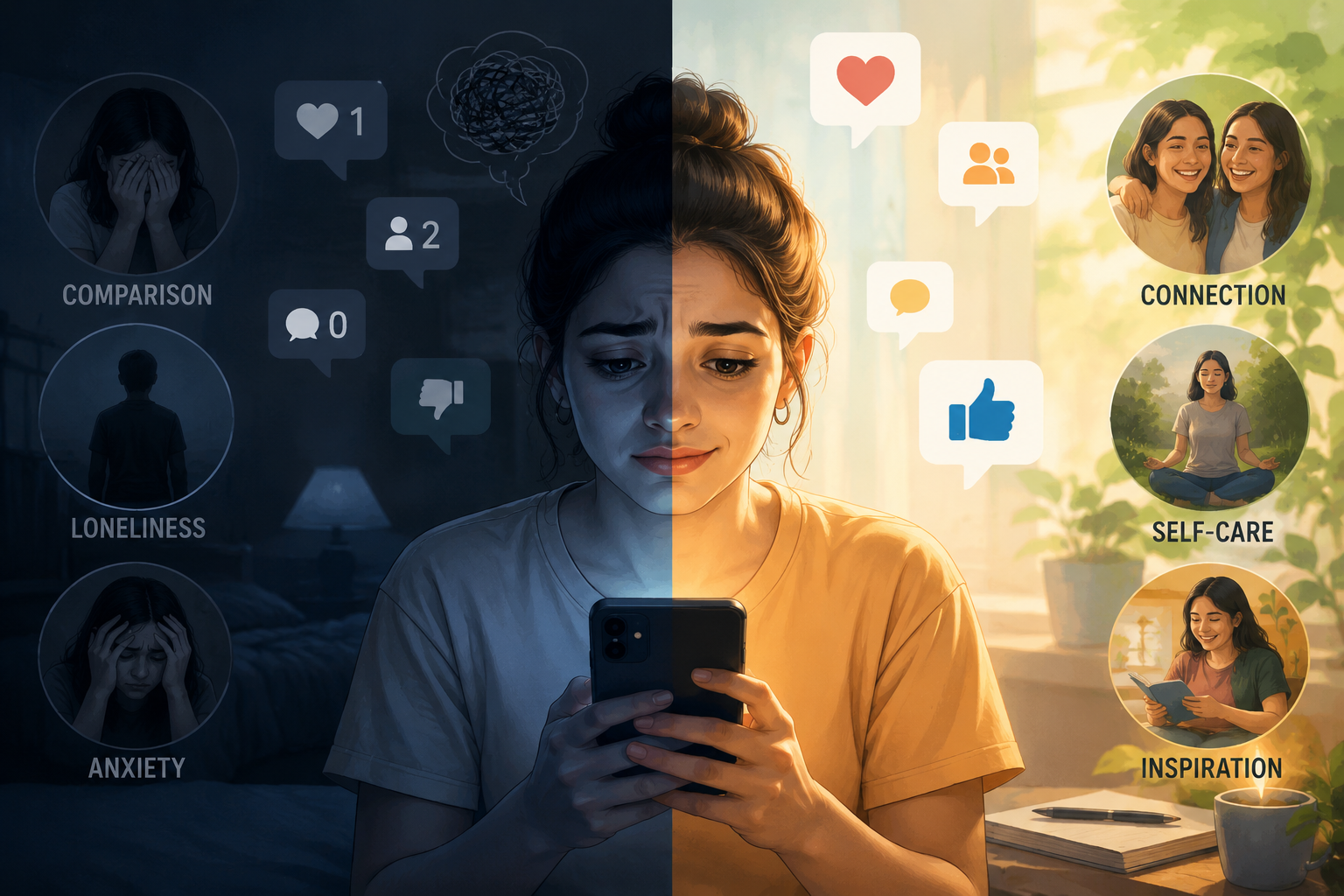
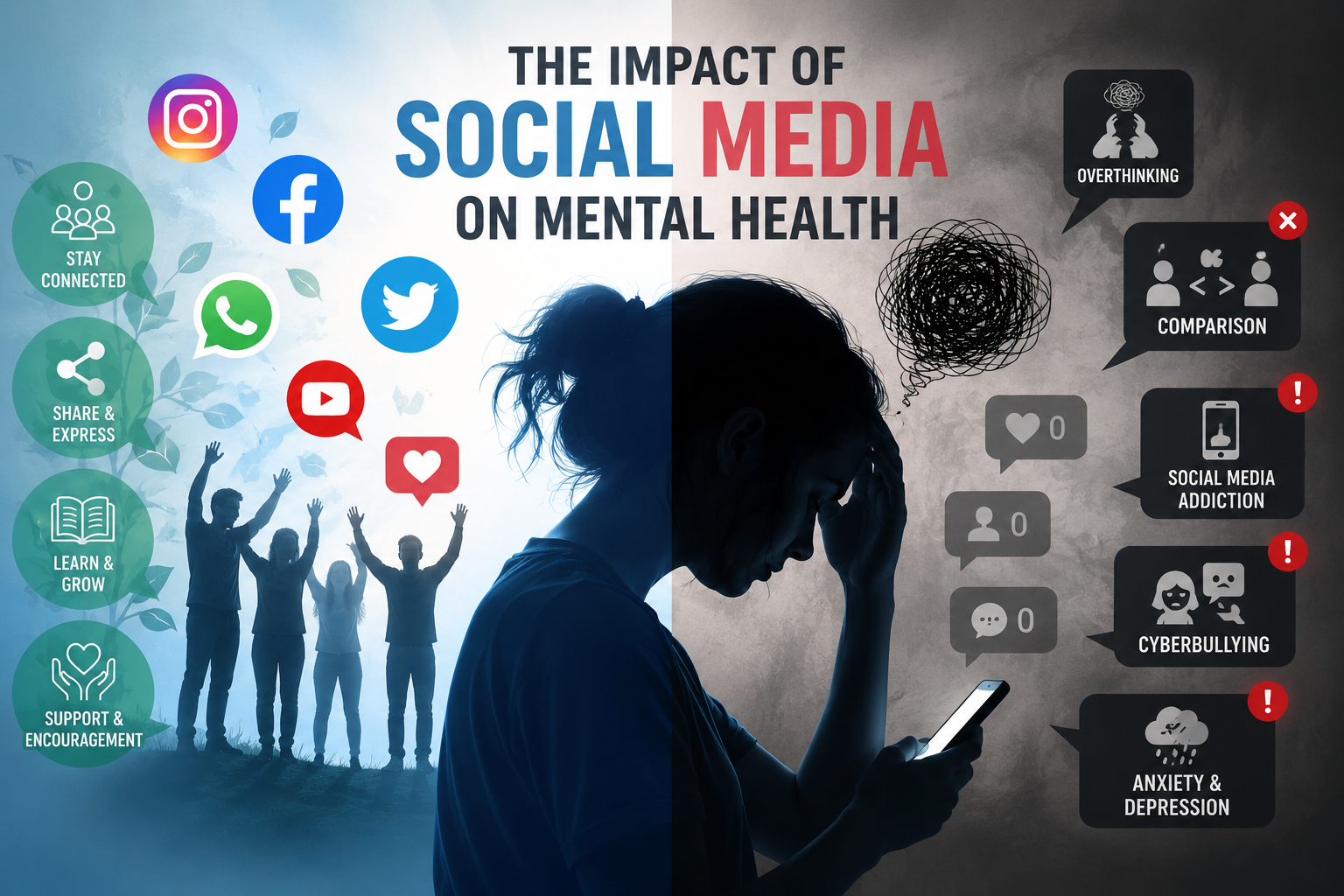
One of the main positive impacts of social media is that it helps people stay connected. Friends and family members can communicate instantly, even if they live in different countries. This sense of connection can reduce feelings of loneliness and isolation, especially for people who may not have strong social support in real life. Social media also provides access to online communities where individuals can share experiences, seek advice, and find emotional support.
In addition, social media can be a source of education and awareness. Many users learn about mental health issues, coping strategies, and wellness tips through online content. Campaigns promoting mental health awareness have helped reduce stigma and encourage people to seek help when needed. For young people, social media can also offer opportunities for creativity, self-expression, and learning new skills.
However, despite these benefits, social media also has several negative effects on mental health. One of the most common issues is comparison. Users often compare their lives with the carefully edited and idealized versions of others’ lives that are displayed online. This can lead to feelings of inadequacy, low self-esteem, and dissatisfaction with one’s own life. Over time, this constant comparison may contribute to anxiety and depression.
Another major concern is addiction. Many people spend excessive time scrolling through social media, which can interfere with sleep, productivity, and real-life relationships. The constant notifications and the need for validation through likes and comments can create dependency, making users feel anxious when they are not online.
Cyberbullying is another serious issue associated with social media. Negative comments, harassment, and online bullying can deeply affect a person’s emotional well-being. Victims of cyberbullying may experience stress, fear, depression, and in severe cases, suicidal thoughts.
Moreover, excessive social media use has been linked to poor sleep quality. Many users stay up late using their phones, which disrupts natural sleep patterns. Lack of proper sleep can further worsen mental health problems such as irritability, stress, and difficulty concentrating.
Finally, social media has both positive and negative effects on mental health. While it provides connection, education, and entertainment, it can also lead to comparison, addiction, cyberbullying, and stress. The key is to use social media in moderation and mindfully. Setting time limits, following positive content, and taking regular breaks can help maintain a healthy balance. By using social media responsibly, individuals can enjoy its benefits while protecting their mental well-being.
Additional Media