


Sponsored
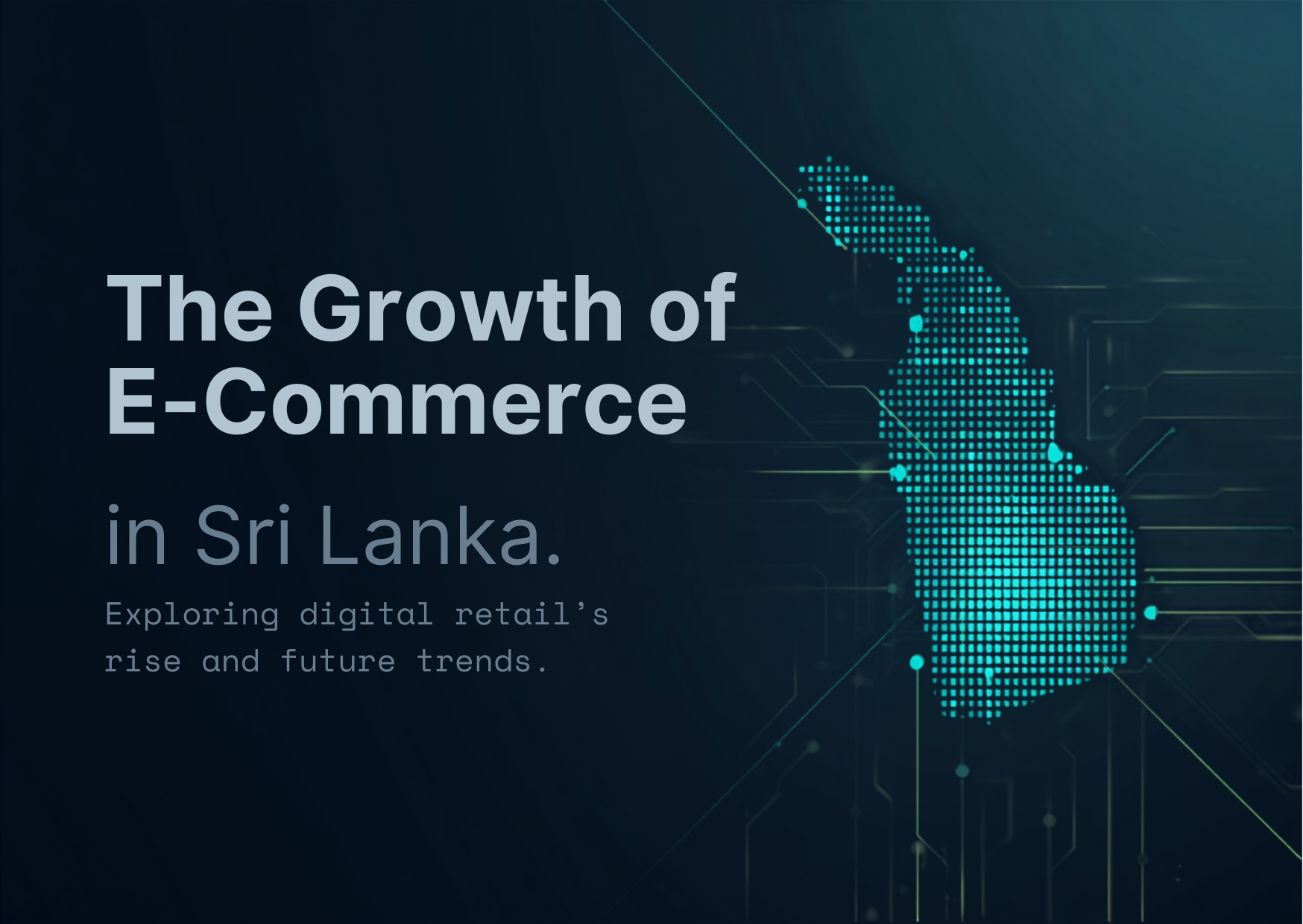
E-commerce has transformed the way people buy and sell goods and services around the world. In Sri Lanka, the growth of e-commerce has accelerated significantly over the past decade, driven by increasing internet penetration, smartphone usage, digital payment solutions, and changing consumer preferences. Today, online shopping has become an important part of the country's retail landscape, providing convenience and accessibility to consumers while creating new business opportunities for entrepreneurs and companies.
One of the key factors contributing to the growth of e-commerce in Sri Lanka is the widespread availability of internet services. As internet connectivity has improved across urban and rural areas, more people have gained access to online marketplaces and digital platforms. The increasing use of smartphones has further supported this trend, enabling consumers to browse products, compare prices, and make purchases from the comfort of their homes.
The COVID-19 pandemic played a significant role in accelerating e-commerce adoption in Sri Lanka. During lockdowns and movement restrictions, consumers turned to online shopping for essential goods, groceries, medicines, and household products. Many businesses that previously relied on physical stores began establishing online platforms to continue serving their customers. As a result, both consumers and businesses became more familiar with digital transactions and online retail operations.
Digital payment systems have also contributed to the expansion of e-commerce. The availability of online banking, mobile payment applications, debit cards, and credit cards has made online transactions easier and more secure. In addition, cash-on-delivery services remain popular among Sri Lankan consumers, helping to build trust in online shopping. As financial technology continues to evolve, digital payments are expected to become even more widely accepted.
The growth of e-commerce has created numerous opportunities for small and medium-sized enterprises (SMEs). Entrepreneurs can now reach customers across the country without investing heavily in physical retail outlets. Social media platforms such as Facebook, Instagram, and WhatsApp have become valuable marketing tools for online businesses. Many local entrepreneurs use these platforms to promote products, interact with customers, and generate sales.
Several industries have benefited from the rise of e-commerce. The fashion and apparel sector, electronics industry, food delivery services, beauty products, and home goods markets have experienced substantial growth through online sales channels. Consumers appreciate the convenience of browsing a wide range of products, reading customer reviews, and receiving home delivery services.
Despite its rapid growth, the e-commerce sector in Sri Lanka faces several challenges. Cybersecurity concerns, online fraud, delivery delays, and limited digital literacy in some areas can affect consumer confidence. Furthermore, logistical challenges in remote regions may impact efficient product delivery. Addressing these issues requires investment in technology, infrastructure, and consumer education.
Government initiatives and private sector investments are helping to strengthen Sri Lanka's digital economy. Efforts to improve digital infrastructure, promote cashless transactions, and encourage innovation are supporting the continued growth of e-commerce. Educational programs aimed at enhancing digital skills among entrepreneurs and consumers are also contributing to the sector's development.
Looking ahead, the future of e-commerce in Sri Lanka appears promising. Advances in technology, expanding internet access, and growing consumer confidence are expected to drive further growth. Emerging trends such as mobile commerce, artificial intelligence, personalized shopping experiences, and digital marketplaces are likely to shape the next phase of e-commerce development in the country.
e-commerce has become an essential component of Sri Lanka's economy, offering convenience to consumers and new growth opportunities for businesses. While challenges remain, continued technological advancements and supportive policies will help strengthen the sector and contribute to the country's economic development.
Additional Media


Sponsored