Sponsored
The Growing Problem of Plastic Waste in Sri Lanka
Rakshika Rathnayake8/25/20265 min read
Share:Facebook
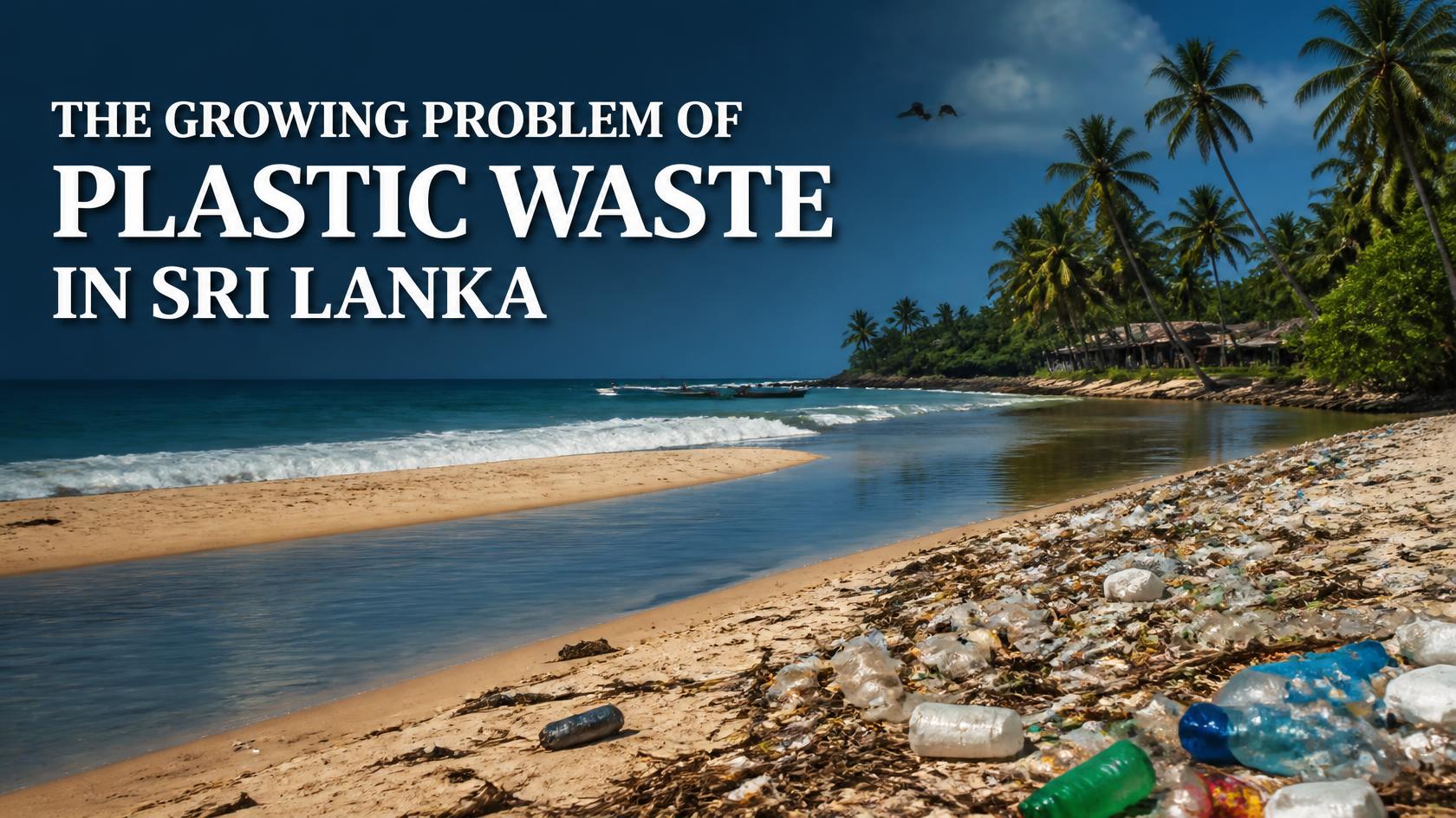
Plastic has become an essential part of modern life. It is used in food packaging, shopping bags, bottles, household products, medical equipment, construction materials, electronics, transportation, and countless other products. Plastic is inexpensive, lightweight, durable, and convenient, which explains why its use has expanded rapidly. However, these same qualities make plastic waste one of the most difficult environmental problems to manage.
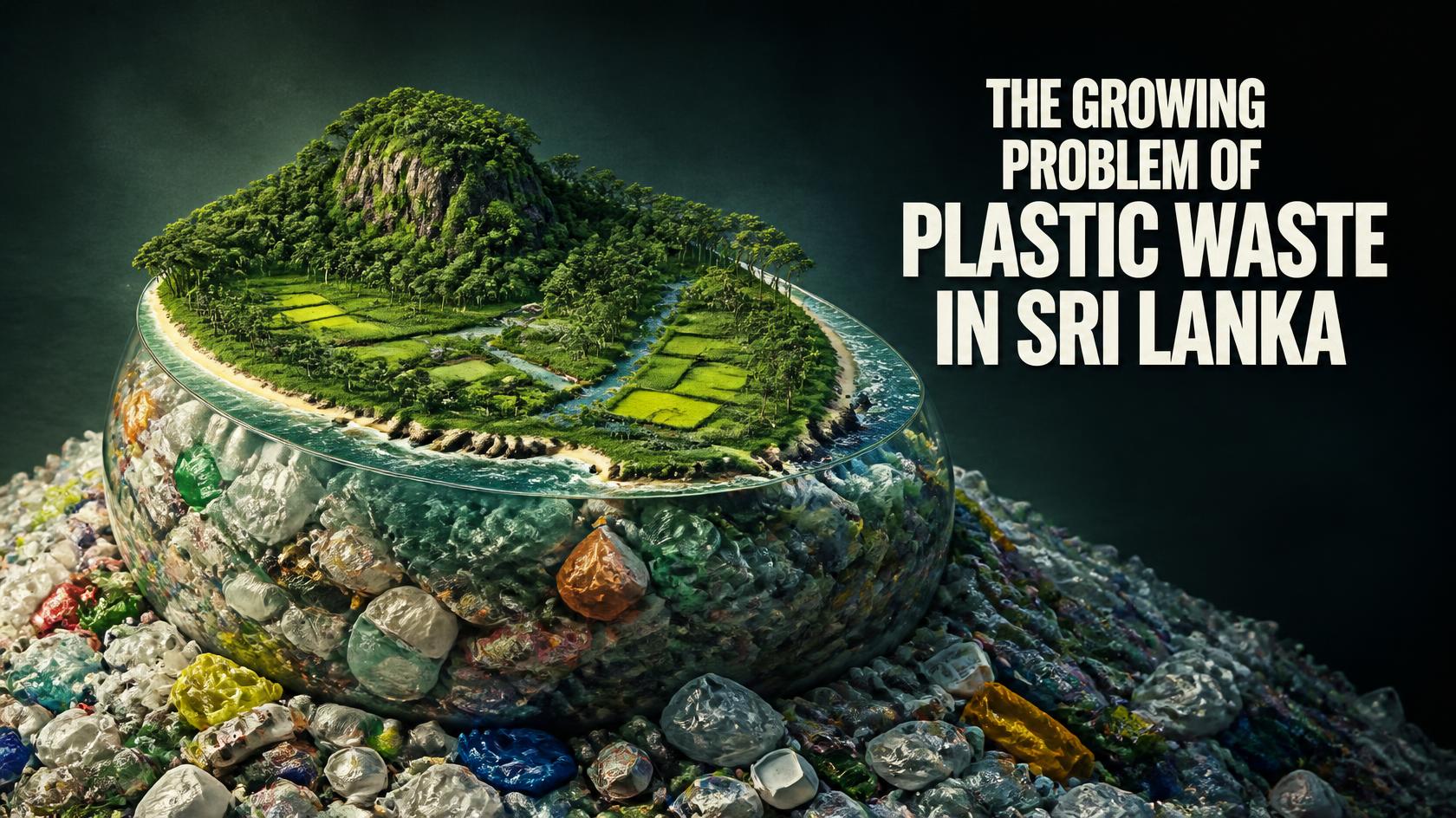
Sri Lanka is also facing a growing plastic waste problem. Increasing consumption, the widespread use of single-use plastics, inadequate waste separation, limited recycling capacity, inappropriate disposal practices, and plastic leakage into waterways have contributed to environmental pollution. A World Bank assessment reported that Sri Lanka generates hundreds of tonnes of plastic and polythene waste each day and has faced limitations in processing and recycling capacity.
The problem is not simply the amount of plastic being used. It is what happens to plastic after people finish using it. When plastic is thrown onto roads, burned in open spaces, dumped into waterways, or mixed with other waste, it can create environmental, health, social, and economic consequences.
What Makes Plastic Waste Such a Serious Problem?
Plastic is useful because it is durable. Unfortunately, this durability becomes a problem when plastic becomes waste. Many plastic products do not break down quickly in the natural environment. Instead, they can remain for very long periods and gradually fragment into smaller pieces.
Single-use plastics are particularly problematic. Shopping bags, food wrappers, disposable cups, bottles, straws, takeaway containers, and other packaging may be used for only a few minutes but remain in the environment for much longer.
Sri Lanka's waste management challenge is also connected to collection and disposal systems. Earlier World Bank assessments found that only a portion of households had their waste regularly collected, while unmanaged municipal waste could reach waterways and ultimately the coast.
This means that plastic pollution is not only a consumer behavior problem. It is also a waste-management, infrastructure, policy, business, and environmental governance issue.
The Increasing Use of Single-Use Plastics
One of the most visible changes in Sri Lankan daily life has been the rapid expansion of disposable plastic products.
People frequently encounter plastic packaging when purchasing food, drinks, groceries, household items, and other goods. Takeaway food is often provided in plastic containers or wrapped in plastic materials. Bottled drinks and packaged products are common in shops, schools, workplaces, and public events.
The convenience of these products makes them attractive to consumers and businesses. For small businesses, inexpensive disposable packaging may appear easier than investing in reusable alternatives.
The problem arises when these products are discarded without proper collection and management. Even where waste collection exists, plastic can be difficult to recycle when it is contaminated with food, made from multiple materials, or mixed with other waste.
Reducing unnecessary single-use plastics is therefore one of the most important steps in addressing Sri Lanka's plastic waste problem.
Plastic Pollution in Rivers and Waterways
Sri Lanka's rivers, canals, streams, wetlands, and drainage systems can become pathways through which plastic waste moves from land to the sea.
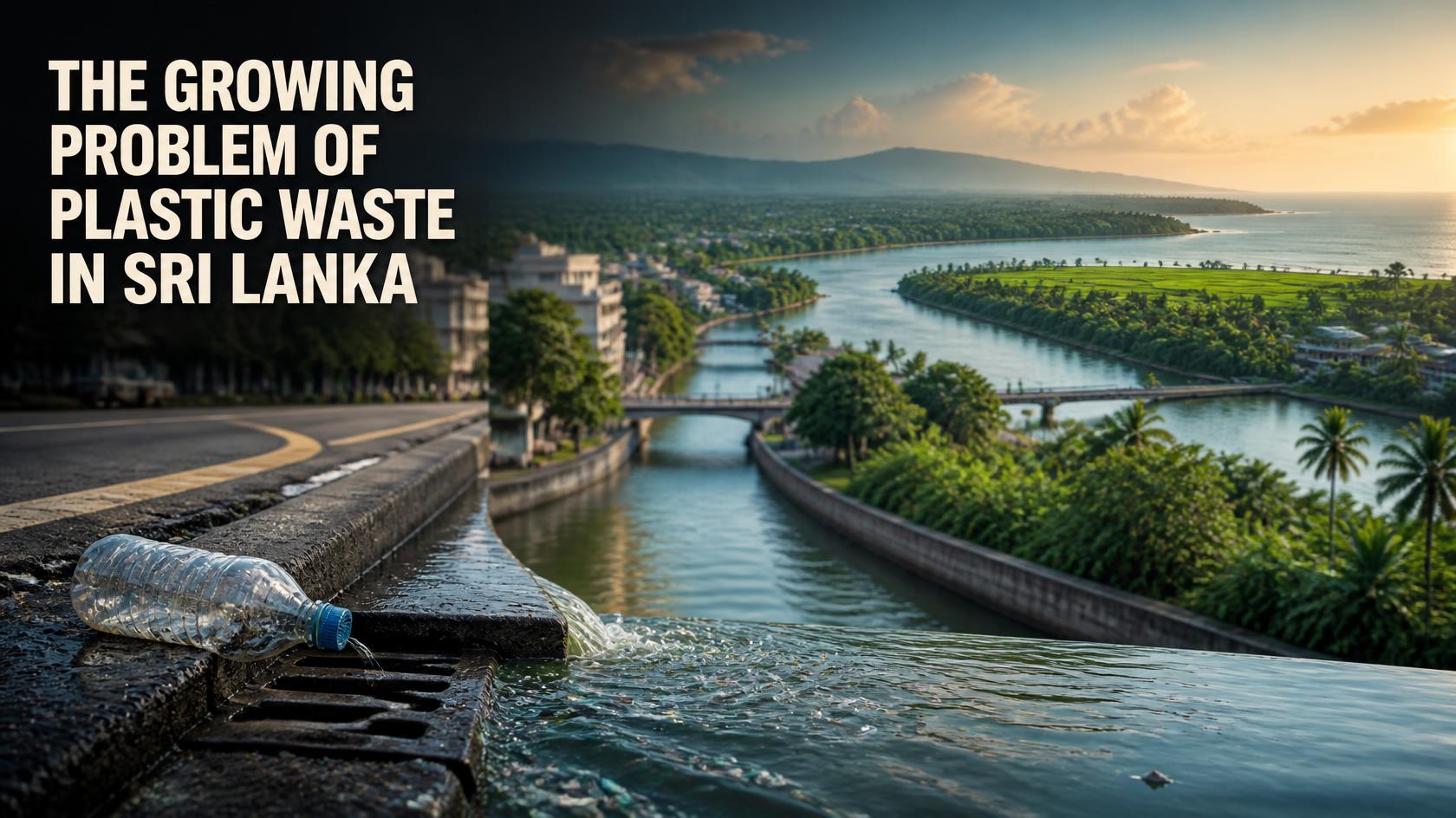
When plastic waste is discarded near roads, markets, settlements, or waterways, rain can transport lightweight materials into drains and streams. Once plastic enters rivers, it can travel long distances before reaching coastal waters.
The World Bank has highlighted the connection between unmanaged waste, rivers, and marine pollution in Sri Lanka.
Plastic in waterways can block drainage systems and contribute to flooding, particularly during periods of heavy rainfall. Bottles, bags, food packaging, and other materials can accumulate in canals and drainage channels, reducing the flow of water.
Therefore, keeping rivers and urban drains free from plastic is important not only for environmental protection but also for reducing flood risks.
The Threat to Sri Lanka's Marine Environment
As an island nation, Sri Lanka is particularly concerned about marine plastic pollution.
Plastic entering rivers and drainage systems can eventually reach lagoons, estuaries, beaches, and the ocean. Once it enters the marine environment, plastic can be difficult and expensive to remove.
Marine animals may become entangled in plastic items or accidentally consume them. Plastic debris can also damage sensitive coastal ecosystems.
Sri Lanka's beaches, coral reefs, mangroves, seagrass habitats, and other marine ecosystems provide important ecological and economic benefits. They support biodiversity, fisheries, tourism, coastal protection, and local livelihoods.
Research reviewed by the World Bank found that marine litter data for Sri Lanka were dominated by food and beverage packaging items, highlighting the connection between consumption patterns and marine pollution.
Plastic pollution can therefore affect the country's natural heritage as well as the economic activities that depend on healthy coastal environments.
The Impact on Wildlife
Plastic pollution poses a serious threat to wildlife.
Animals can mistake plastic objects for food. Birds, turtles, fish, and other animals may ingest plastic fragments or become trapped in plastic waste.
When animals consume plastic, it may cause internal injuries, blockages, reduced feeding, and other health problems. Larger pieces of plastic can also become entanglement hazards.
Sri Lanka is known for its rich biodiversity, including marine turtles, elephants, birds, dolphins, whales, and many other species. Protecting these animals requires addressing the sources of plastic waste before it reaches natural habitats.
Wildlife protection therefore cannot be separated from proper waste management.
Plastic Waste and Human Health
Plastic pollution is also a human health concern.
One major problem is the open burning of plastic waste. When plastics are burned under uncontrolled conditions, they can release harmful pollutants into the air. People living close to areas where waste is burned may be exposed to smoke and other harmful substances.
Plastic waste can also create physical hazards. Sharp pieces of plastic can cause injuries, while waste accumulation can contribute to unhygienic conditions.
Another growing concern is the presence of microplastics. Larger plastic items can gradually break down into tiny particles that can enter water, soil, air, and food systems.
The scientific understanding of the long-term human health effects of microplastic exposure is still developing, but reducing unnecessary plastic pollution remains an important precautionary measure.
The Problem of Plastic Recycling
Recycling is often presented as the solution to plastic waste, but recycling alone cannot solve the entire problem.
Different types of plastics have different chemical properties. Some are easier to recycle than others. Plastic products can also be contaminated with food, mixed with other materials, or made from several layers that are difficult to separate.
Sri Lanka has a recycling sector and businesses involved in collecting, processing, and reusing certain plastic materials. However, the scale and efficiency of recycling can be limited by collection systems, market demand, processing capacity, contamination, and the availability of suitable materials.
A World Bank assessment has noted that Sri Lanka has introduced a range of plastic management measures, including regulations aimed at improving plastic management and recycling.
The most effective approach is therefore not simply to recycle more. It is to reduce unnecessary plastic consumption, design products that are easier to recycle, improve collection and sorting systems, and create stronger markets for recycled materials.
Plastic Waste Management in Sri Lanka
Sri Lanka has introduced several policies and regulations to address plastic and waste management.
The World Bank has documented restrictions introduced in Sri Lanka on various single-use plastic products and other problematic plastic items. Further measures have also addressed materials such as certain sachets, inflatable products, and plastic-stemmed cotton buds.
The country's Central Environmental Authority plays an important institutional role in waste and environmental management, including solid waste management and related regulatory activities.
However, laws and regulations are only effective when they are properly implemented and supported by enforcement, public awareness, suitable alternatives, and adequate waste-management infrastructure.
Why Waste Separation Matters
One of the simplest ways to improve plastic waste management is separating waste at the point where it is generated.
When plastic is mixed with food waste, garden waste, glass, paper, and other materials, the resulting mixture becomes more difficult and expensive to sort and recycle.
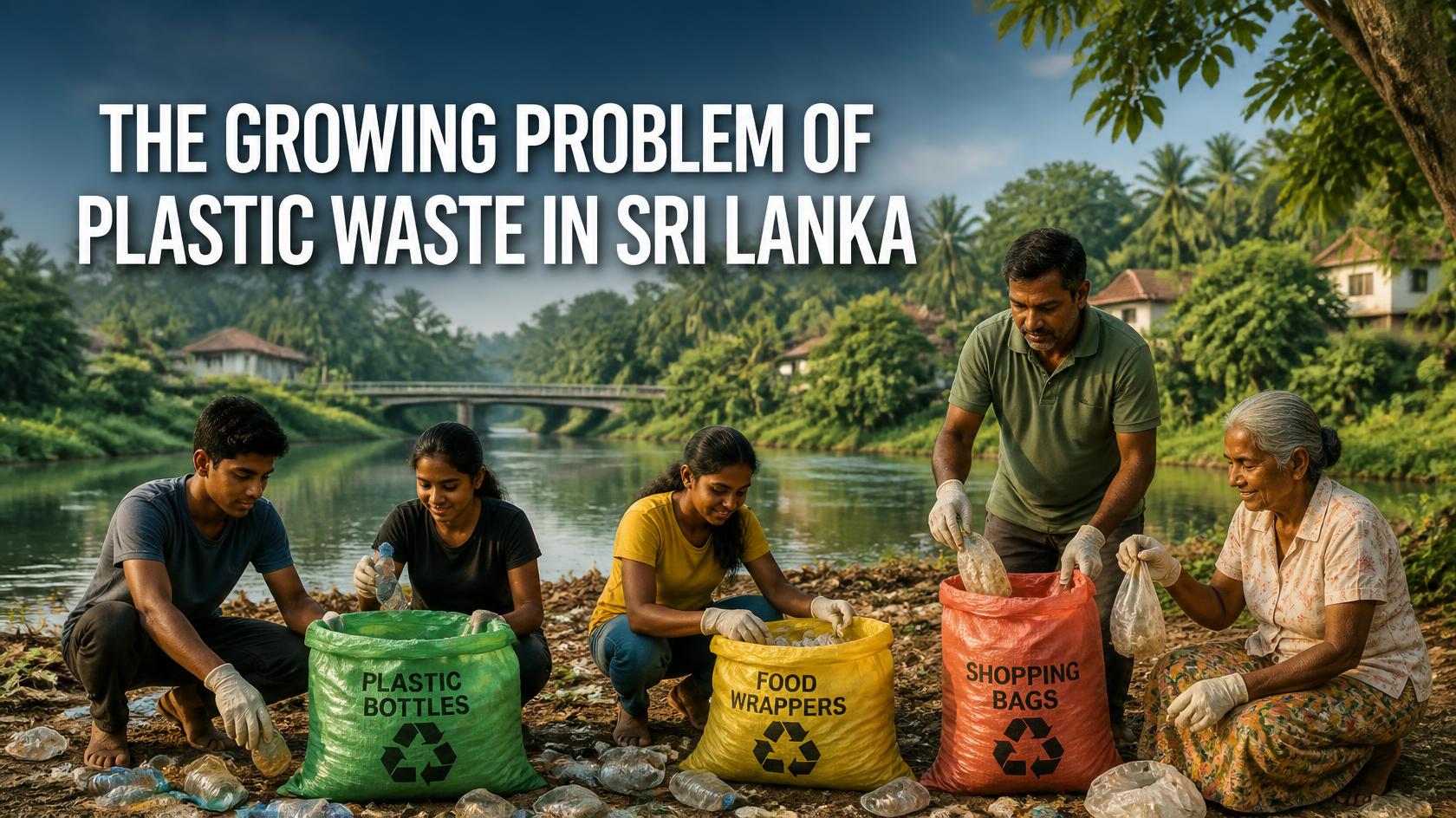
Source separation can make recyclable materials cleaner and more valuable. Households, schools, offices, restaurants, markets, and businesses can all contribute by separating recyclable plastic from other waste.
However, separation must be supported by a reliable collection system. Asking people to separate waste without providing a suitable system for collecting and processing the separated materials can reduce public confidence.
For this reason, waste segregation should be connected to the entire waste-management chain—from households to collection, sorting, recycling, and final disposal.
The Role of Businesses and Producers
Businesses have a major role to play because a large proportion of plastic waste comes from packaging.
Manufacturers can reduce unnecessary packaging, redesign products, increase recycled content where appropriate, and develop packaging that is easier to recover and recycle.
Retailers can offer reusable alternatives, reduce unnecessary bags, and encourage customers to bring reusable containers or bags.
Food businesses can gradually move toward more environmentally responsible packaging options where practical.
A circular economy approach is particularly important. Instead of producing plastic, using it once, and throwing it away, materials should remain in use for as long as possible through reuse, recovery, recycling, and better product design.
The World Bank emphasizes the need to address plastic pollution across the entire plastic lifecycle rather than focusing only on waste disposal.
The Role of Consumers
Consumers also influence the amount of plastic entering the waste system.
Small daily decisions can make a difference. Carrying reusable shopping bags, choosing refillable bottles, avoiding unnecessary disposable products, purchasing products with less packaging, and properly separating recyclable waste can reduce plastic waste.
However, responsibility should not be placed entirely on individuals. Consumers can make better choices only when affordable and practical alternatives are available.
Businesses, manufacturers, local authorities, and government agencies must therefore work together to make sustainable choices easier.
Plastic Waste and Tourism
Plastic pollution can seriously affect Sri Lanka's tourism sector.
Many tourists visit Sri Lanka because of its beaches, wildlife, forests, mountains, lagoons, and cultural heritage. Littered beaches and polluted waterways can reduce the attractiveness of these destinations.
Beach tourism is particularly dependent on clean coastal environments. Plastic waste can damage the appearance of beaches and harm marine ecosystems that are important to tourism.
Tourism businesses can contribute by reducing single-use plastics, improving waste separation, avoiding unnecessary packaging, and educating visitors about responsible waste disposal.
Visitors also have a responsibility to avoid leaving plastic waste behind and to respect local environmental rules.
The Economic Cost of Plastic Pollution
Plastic waste creates economic costs that are often less visible than the waste itself.
Local authorities need to spend money on collecting and transporting waste. Blocked drainage systems can increase flood-related costs. Coastal pollution can affect tourism and fisheries. Cleaning heavily polluted beaches and waterways requires additional labor and equipment.
Plastic pollution can also reduce the value of natural environments. When ecosystems are damaged, society may lose services provided by those ecosystems, including coastal protection, fisheries support, recreation, and biodiversity.
The economic consequences therefore extend well beyond the original cost of purchasing a plastic product.
Education and Public Awareness
Education is essential for solving the plastic waste problem.
Children and young people can learn about plastic pollution through schools, environmental clubs, community activities, and practical recycling programs. Adults can be reached through public campaigns, workplaces, local organizations, and social media.
Awareness campaigns should go beyond simply telling people not to litter. They should explain why plastic pollution occurs, how waste should be separated, what products can be avoided, and what happens after waste is collected.
When people understand the connection between their daily choices and environmental consequences, they are more likely to change their behavior.
Community-Level Solutions
Local communities can make a significant difference.
Neighborhood clean-up programs, beach clean-ups, river conservation activities, plastic collection drives, school recycling projects, and community composting initiatives can help reduce pollution and build environmental responsibility.
Community-based organizations can also work with local authorities and businesses to identify areas where plastic waste accumulates and develop practical solutions.
Such programs are most effective when they are not limited to occasional clean-up events. Long-term waste reduction requires continuous action, proper collection systems, monitoring, and community participation.
Moving Toward a Circular Economy
Sri Lanka's long-term response to plastic waste should move toward a circular economy.
In a traditional linear model, plastic is produced, consumed, and discarded. A circular system aims to reduce waste by designing products for longer use, encouraging reuse, recovering materials, and recycling them into new products.
This approach can create economic opportunities as well. Collection services, recycling businesses, product redesign, reusable packaging systems, and innovative waste-management technologies can create employment.
The global experience shows that plastic pollution requires action throughout the entire value chain, including production, consumption, collection, recycling, and disposal.
What Sri Lanka Needs for the Future
Solving Sri Lanka's plastic waste problem requires a combination of policies, infrastructure, technology, business responsibility, and public participation.
First, unnecessary single-use plastics should be reduced. Second, waste collection and segregation need to become more reliable. Third, recycling capacity and markets for recycled materials should be strengthened. Fourth, producers should take greater responsibility for the packaging they place into the market.
Local authorities need adequate funding and equipment for waste management. Schools and communities need practical environmental education. Businesses should be encouraged to adopt reusable and recyclable alternatives.
At the same time, environmental regulations need effective monitoring and enforcement.
Plastic pollution is a complex problem, so there is no single solution. Success will depend on many smaller solutions working together.
Conclusion
The growing plastic waste problem in Sri Lanka is an environmental challenge with social, economic, health, and ecological consequences. Plastic has brought enormous convenience to modern life, but its widespread use has also created a waste stream that is difficult to manage.
From urban streets and drainage channels to rivers, beaches and the ocean, plastic can travel through the environment when it is not properly collected and managed. It can contribute to blocked waterways, threaten wildlife, damage natural ecosystems, affect tourism and fisheries, and create additional costs for communities.
Sri Lanka has already taken important steps through legislation, institutional action, waste-management initiatives, and measures targeting certain problematic plastic products. However, continued progress requires stronger implementation, better infrastructure, improved waste separation, expanded recycling, responsible production, and changes in consumer behavior.
The most important lesson is that plastic waste should not be treated only as a problem that begins after a product is thrown away. The problem starts much earlier—with how products are designed, how much plastic is used, how products are packaged, and whether alternatives are available.
Reducing plastic pollution in Sri Lanka will require cooperation between government institutions, businesses, communities, schools, environmental organizations, and individuals. No single group can solve the problem alone.
A cleaner Sri Lanka will depend not only on collecting the plastic already scattered across streets, rivers, and beaches, but also on preventing unnecessary plastic from becoming waste in the first place. By reducing consumption, encouraging reuse, improving recycling, protecting waterways, and building a stronger circular economy, Sri Lanka can move toward a future in which plastic serves society without becoming a permanent burden on its environment.
Additional Media