The Evolution of Sri Lankan Culture in the Digital Age
Rakshika Rathnayake7/23/20265 min read
Share:Facebook
Introduction
Culture is the foundation of a society, reflecting the values, traditions, beliefs, languages, customs, arts, and lifestyles of its people. Sri Lanka, a country with a history spanning over 2,500 years, has a rich cultural identity shaped by Buddhism, Hinduism, Islam, Christianity, indigenous traditions, colonial influences, and regional diversity. For centuries, Sri Lankan culture was preserved and passed from generation to generation through family traditions, religious institutions, literature, festivals, performing arts, and community practices.
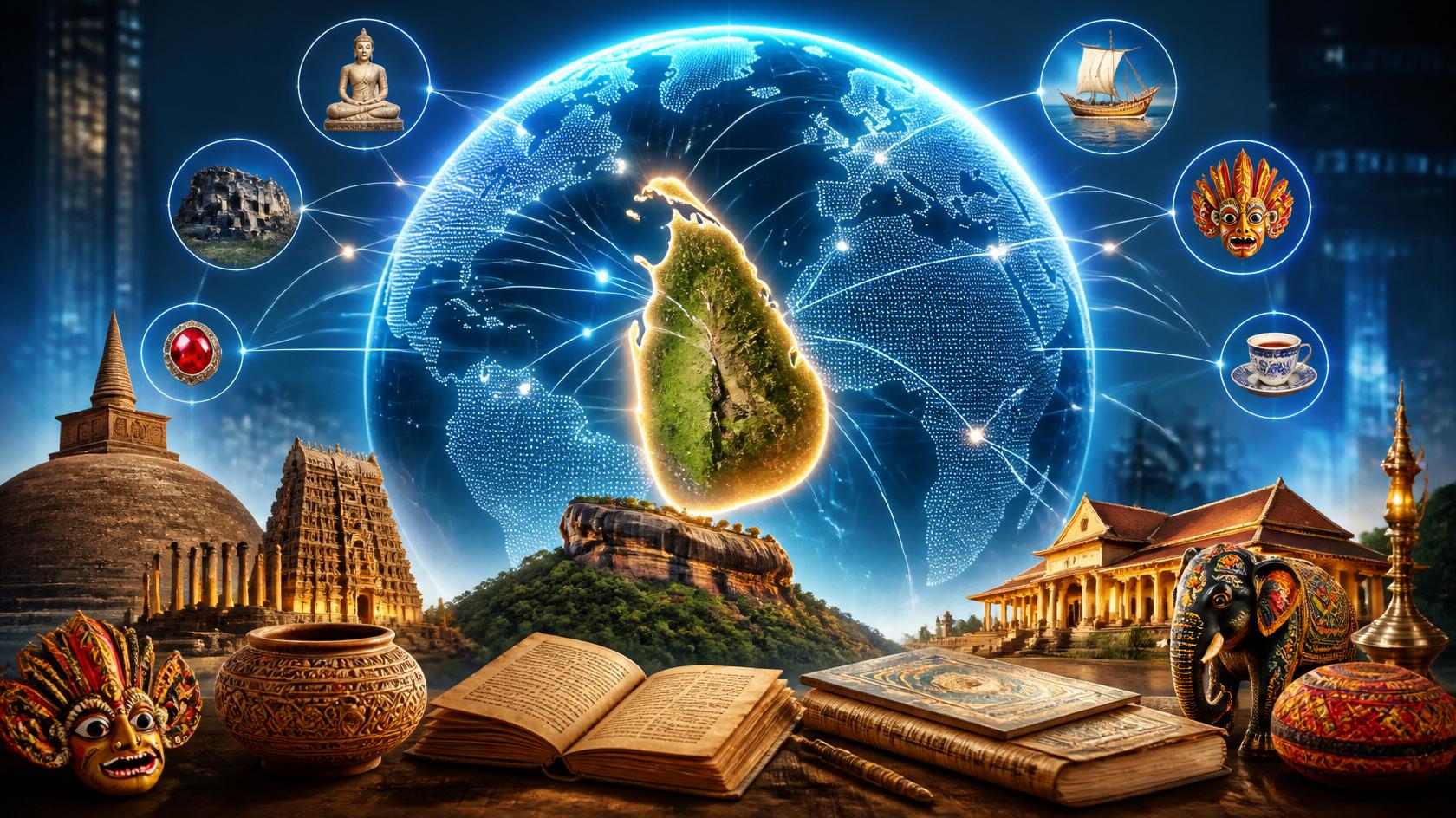
However, the arrival of the digital age has created significant changes in the way Sri Lankan culture is expressed, shared, and experienced. The rapid growth of the internet, smartphones, social media platforms, and digital technologies has transformed communication, entertainment, education, and social relationships. While digitalization has created new opportunities to promote Sri Lankan heritage globally, it has also introduced challenges regarding cultural preservation and traditional values.
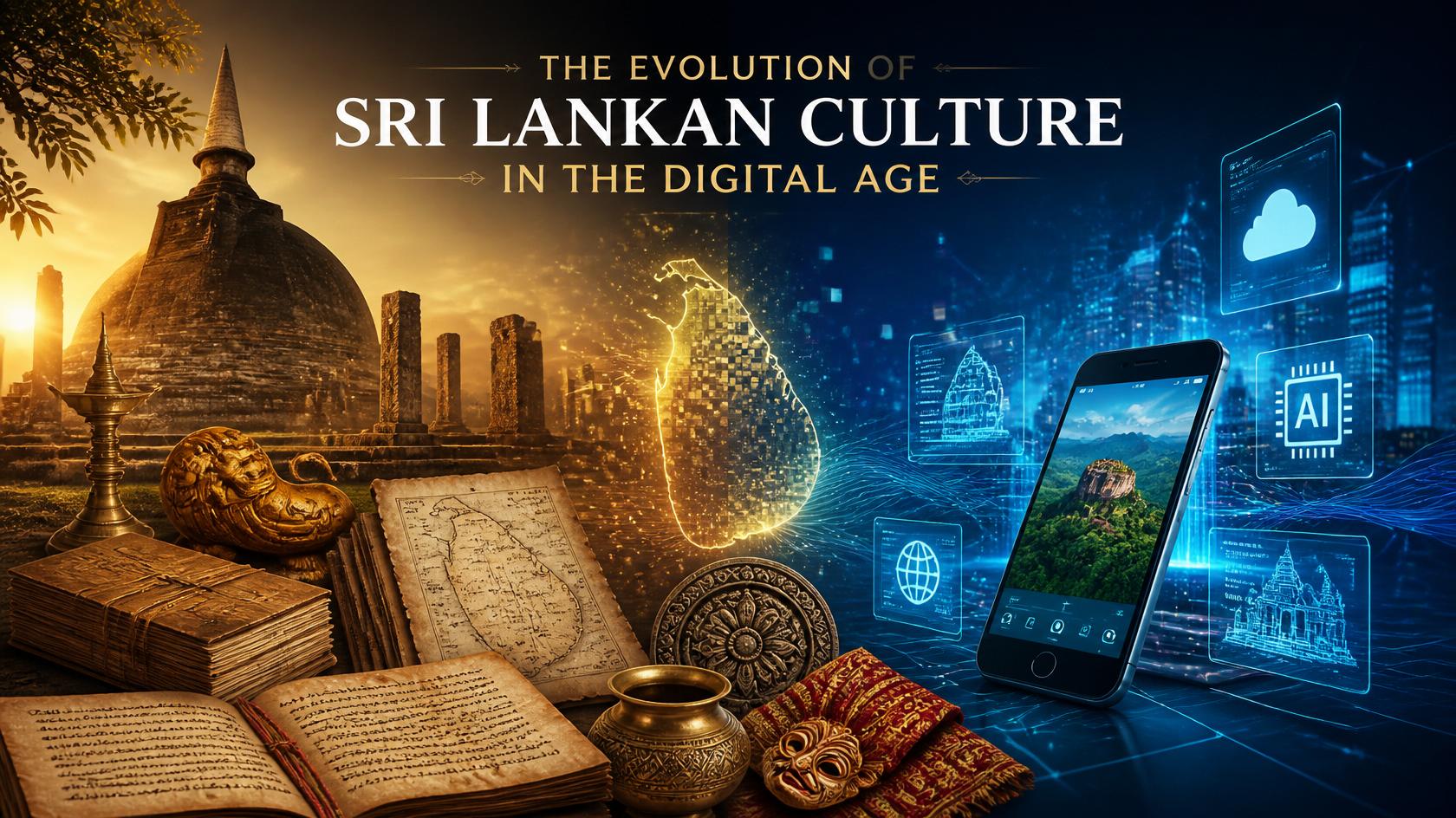
The evolution of Sri Lankan culture in the digital age represents a balance between protecting historical identity and adapting to modern technological changes.
The Impact of Digital Technology on Sri Lankan Cultural Expression
Digital technology has changed the way Sri Lankans express and share their cultural identity. In the past, cultural knowledge was mainly transferred through direct communication between elders and younger generations. Traditional stories, folk songs, rituals, and customs were preserved within communities. Today, digital platforms have become powerful tools for documenting and sharing cultural knowledge.
Social media platforms such as Facebook, YouTube, Instagram, and TikTok allow Sri Lankans to showcase traditional dances, music, food, clothing, festivals, and historical places to both local and international audiences. A young generation of content creators is using digital media to introduce Sri Lankan traditions in creative ways.
For example, traditional Sri Lankan cuisine has gained popularity through online cooking videos, while cultural festivals such as Vesak, Sinhala and Tamil New Year, and Esala Perahera are widely shared through digital photographs and videos. This has increased awareness of Sri Lankan culture among people around the world.
Digital Preservation of Sri Lankan Heritage
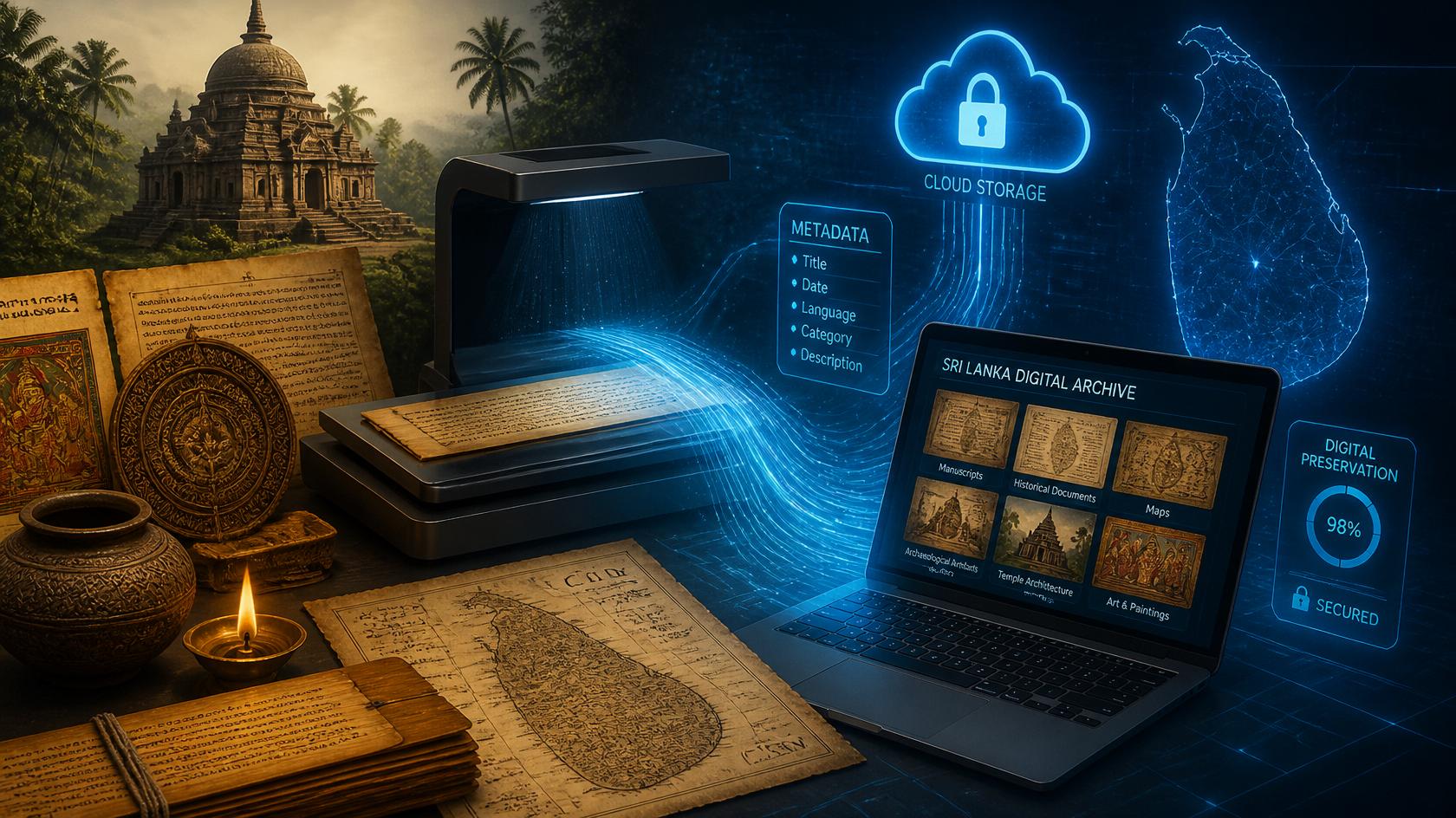
One of the greatest contributions of the digital age is the preservation of cultural heritage. Many historical documents, ancient books, photographs, and traditional knowledge are now being digitized to protect them from damage and loss.
Museums, universities, cultural organizations, and individuals are increasingly using digital archives to preserve information about Sri Lanka’s history. Ancient manuscripts, archaeological discoveries, traditional art forms, and historical records can now be accessed online by researchers, students, and the general public.
Digital platforms also help preserve endangered cultural practices. Traditional crafts such as wood carving, mask making, handloom weaving, and indigenous healing methods can be recorded through videos and online publications. This allows younger generations to learn about traditions that may otherwise disappear.
The Transformation of Language and Communication
Language is an important part of culture, and the digital age has influenced the way Sri Lankans communicate. Sinhala, Tamil, and English are widely used in online spaces, creating new forms of digital communication.
The use of Sinhala and Tamil typing tools, online dictionaries, translation applications, and social media content has increased the presence of local languages on the internet. Many websites, blogs, and YouTube channels now provide information in Sinhala and Tamil, making digital knowledge more accessible.
However, digital communication has also changed language habits. The younger generation often uses a mixture of Sinhala, Tamil, and English words in online conversations. While this reflects cultural adaptation, some people are concerned that traditional vocabulary and formal language skills may decline.
Therefore, maintaining the richness of local languages while embracing digital communication is an important cultural challenge.
Changing Lifestyle and Social Relationships
Digital technology has significantly influenced the daily lives and social relationships of Sri Lankan people. Traditionally, Sri Lankan communities were strongly based on face-to-face interactions, family gatherings, and neighborhood relationships. Religious events, village celebrations, and community activities played an important role in social bonding.
Today, smartphones and social media have changed how people connect with each other. Families and friends can communicate instantly through messaging applications and video calls, even when they live far apart. Sri Lankan migrants living overseas use digital platforms to maintain connections with their families and cultural roots.
At the same time, increased dependence on digital technology has reduced some traditional social interactions. Young people may spend more time online rather than participating in community activities. This creates a need to maintain a healthy balance between digital lifestyles and traditional social values.
The Influence of Digital Media on Sri Lankan Arts and Entertainment
Sri Lankan arts and entertainment have experienced major changes due to digital platforms. Previously, traditional music, films, and television programs were mainly controlled by limited media channels. Today, artists can share their creations directly with audiences through online platforms.
Traditional Sri Lankan music, dancing, and drama have found new audiences through digital media. Young artists combine traditional elements with modern styles to create innovative forms of cultural expression.
The Sri Lankan film industry, independent musicians, and creative professionals have also benefited from online platforms. Digital streaming services and social media marketing provide opportunities for local creators to reach global audiences.
However, digital entertainment has also increased exposure to foreign cultures. International movies, music, fashion trends, and lifestyles influence Sri Lankan youth. This cultural exchange can encourage creativity, but it may also create concerns about losing traditional cultural identity.
The Role of Youth in Digital Cultural Transformation
Young Sri Lankans are playing a major role in shaping cultural changes in the digital era. They use technology not only for entertainment but also to promote heritage, entrepreneurship, education, and social awareness.
Many young creators produce digital content about Sri Lankan history, travel destinations, traditional food, and cultural practices. Through blogs, podcasts, videos, and social media campaigns, they introduce Sri Lanka’s unique identity to global audiences.
Digital entrepreneurship has also created new opportunities for promoting cultural products. Small businesses selling traditional handicrafts, clothing, spices, and local food products can now reach customers through online marketplaces.
The involvement of youth ensures that Sri Lankan culture continues to evolve while remaining connected to its historical roots.
Challenges of Protecting Culture in the Digital Age
Although digital technology provides many benefits, it also creates challenges for cultural preservation. One major issue is the spread of inaccurate information about traditions and history. Online platforms allow anyone to share content, which may sometimes lead to misunderstandings or misrepresentation of cultural practices.
Another challenge is cultural commercialization. Some traditional practices may be changed or simplified mainly for online popularity rather than preserving their original meaning.
The influence of global digital culture can also affect traditional values, especially among younger generations. Increased exposure to foreign lifestyles may lead to reduced interest in local customs and traditions.
To address these challenges, digital literacy and cultural education are essential. People should learn how to use technology responsibly while respecting and protecting cultural heritage.
The Future of Sri Lankan Culture in the Digital Era
The future of Sri Lankan culture will likely depend on how effectively society combines tradition with technology. Digital tools should not replace cultural practices but should support their preservation, promotion, and development.
Educational institutions, cultural organizations, and communities can use digital platforms to teach younger generations about history, languages, arts, and traditions. Government and private organizations can also develop digital archives and cultural programs to protect national heritage.
Sri Lankan culture has always evolved through different historical periods. From ancient kingdoms to colonial influences, Sri Lanka has continuously adapted while maintaining its unique identity. The digital age is another stage in this cultural journey.
Conclusion
The digital age has brought significant changes to Sri Lankan culture by transforming how people communicate, create, preserve, and share cultural knowledge. Technology has provided new opportunities to promote Sri Lanka’s heritage worldwide while allowing younger generations to engage with traditions in innovative ways.
However, digital development must be balanced with cultural responsibility. Protecting languages, customs, arts, and social values remains important in an increasingly connected world. Sri Lankan culture is not disappearing in the digital age; rather, it is evolving into a new form where tradition and technology exist together.
By using digital platforms wisely, Sri Lanka can preserve its rich cultural heritage while introducing its unique identity to future generations and the global community.
Additional Media