Sri Lankan society has experienced significant social, economic, technological, and cultural changes over the past few decades. Among the groups most affected by these changes are young people. The lifestyle of Sri Lankan youth today is considerably different from that of previous generations. Changes in education, employment, technology, social media, family structures, entertainment, fashion, food habits, and attitudes toward relationships and careers have transformed the way young people live and think.
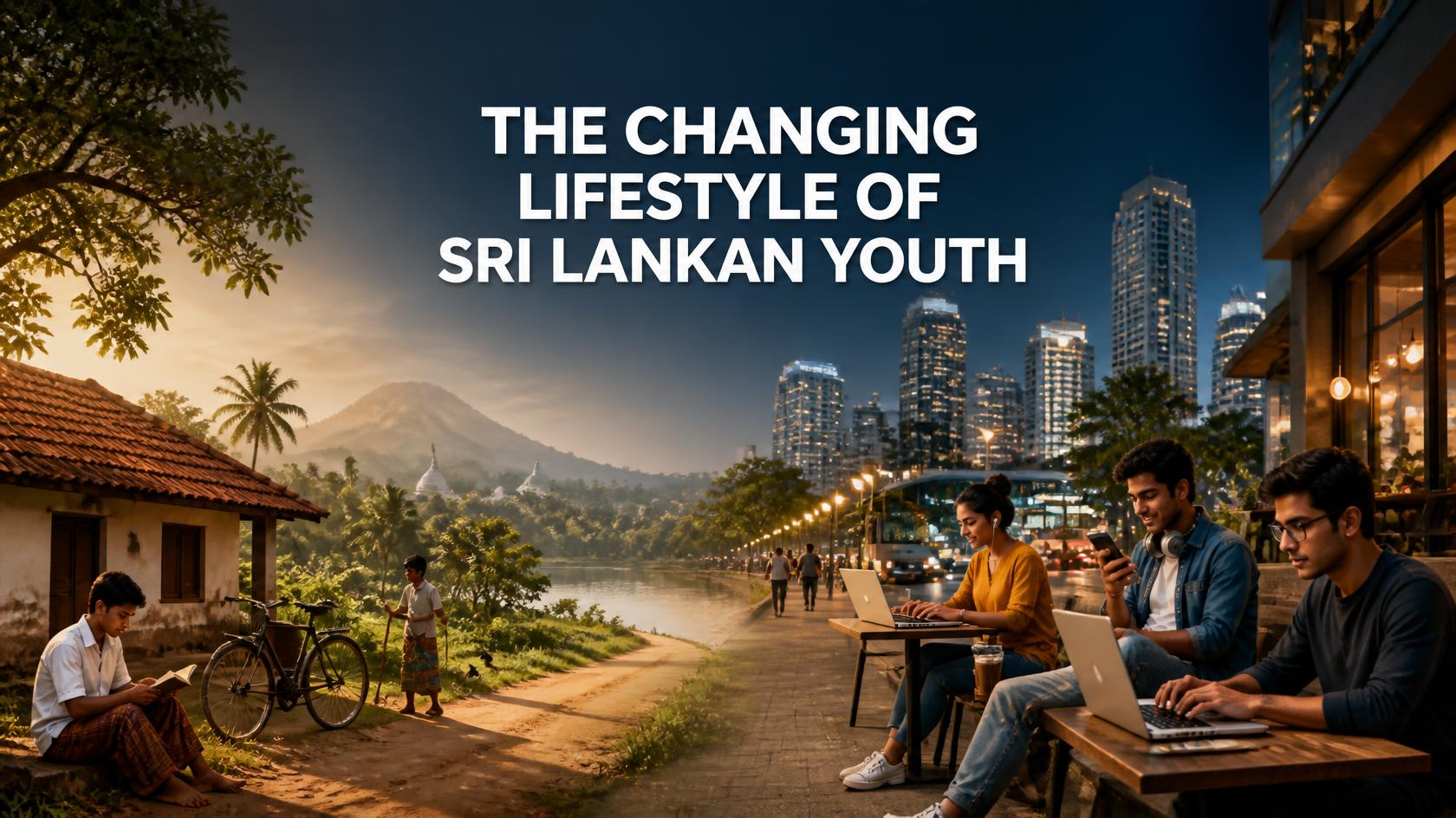
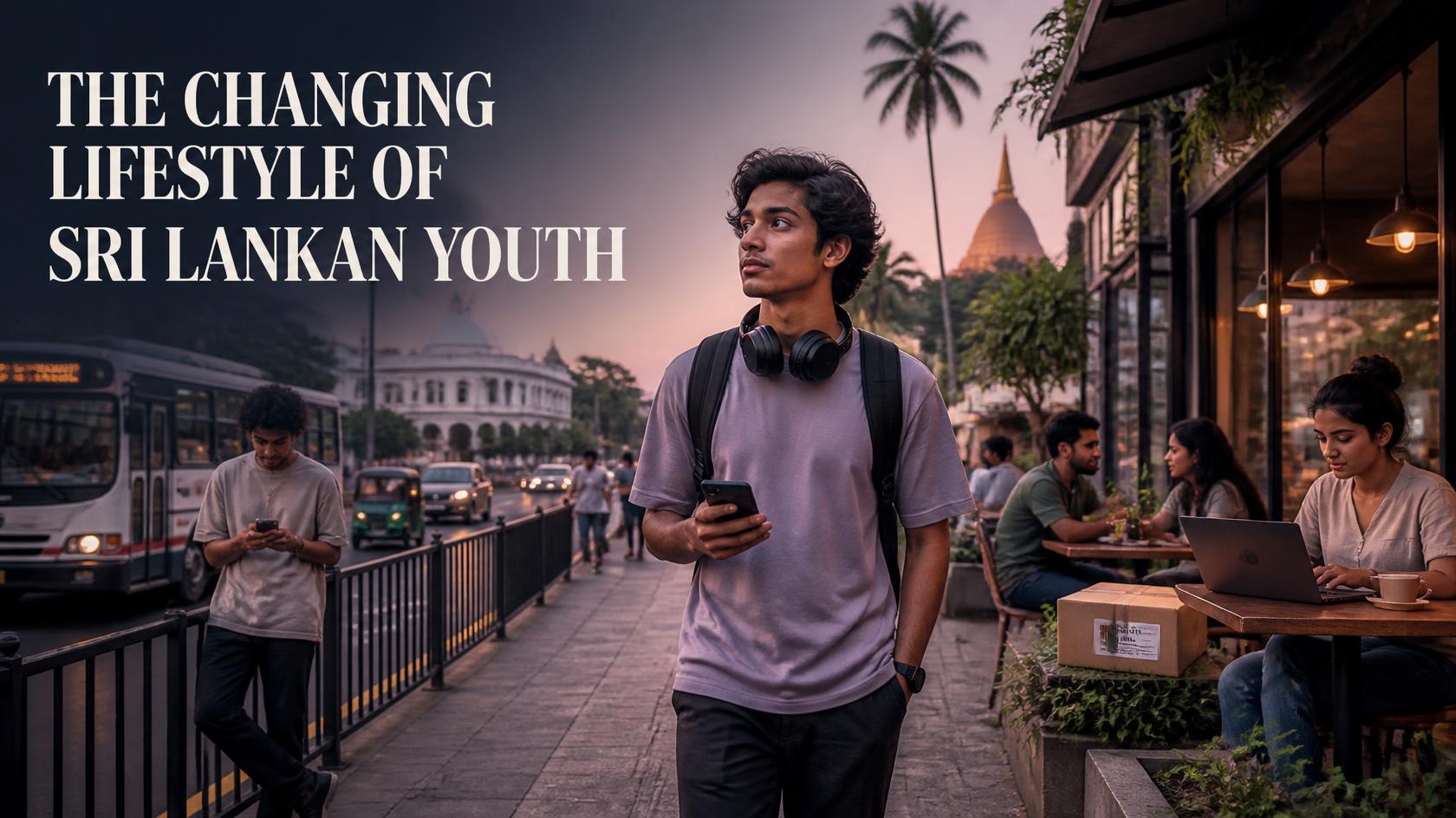
Sri Lankan youth are growing up in a society where traditional values exist alongside rapidly changing global influences. A young person may participate in traditional cultural celebrations, live with their family, and maintain strong community connections while simultaneously using international social media platforms, following global trends, studying online, and communicating with people around the world. This combination of traditional and modern influences has created a unique lifestyle among Sri Lankan youth.
The Influence of Technology
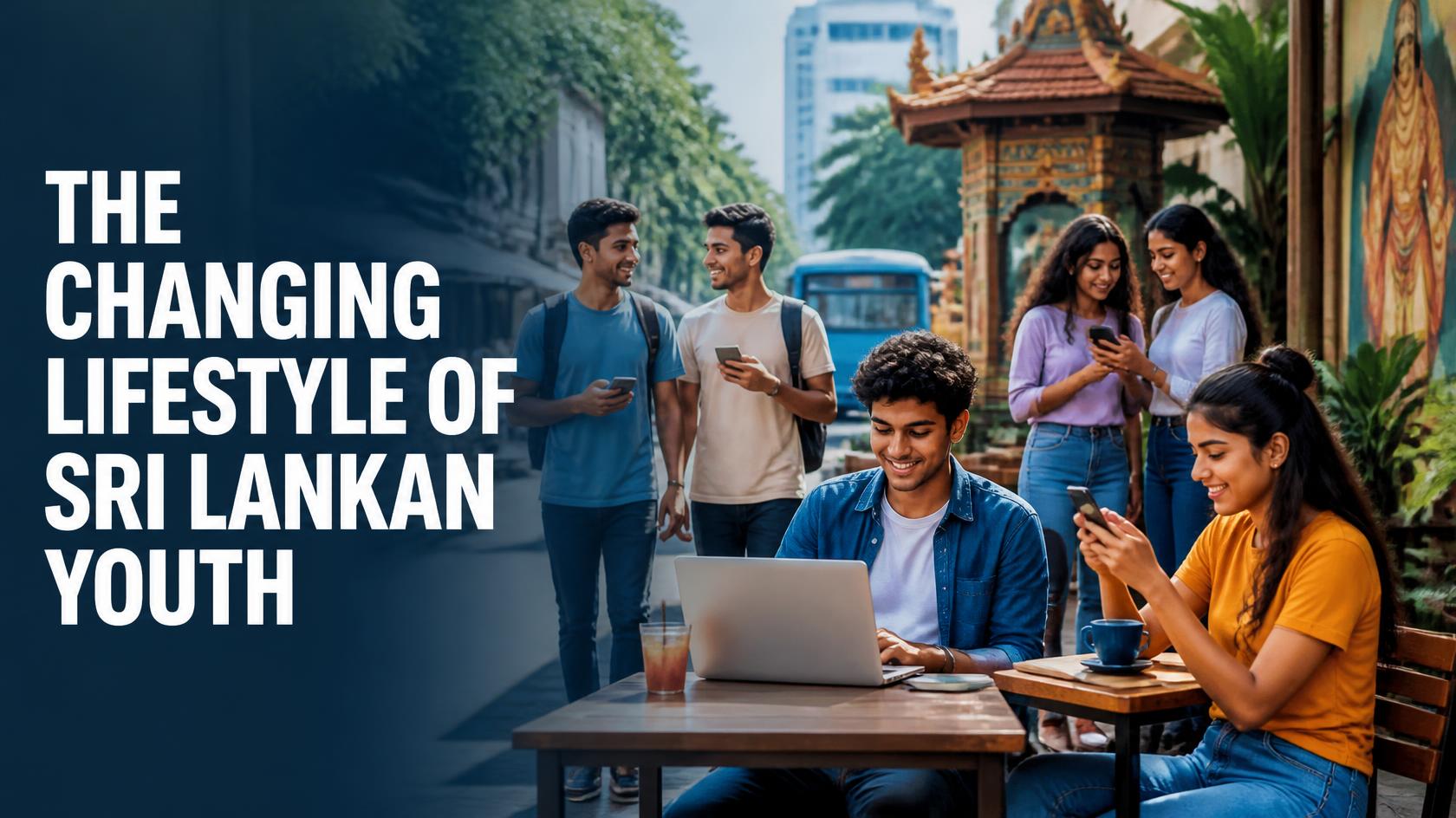
Technology is one of the most important factors influencing the lifestyle of young Sri Lankans. Smartphones, affordable internet access, social media, online education, digital entertainment, and messaging applications have become part of everyday life for many young people.
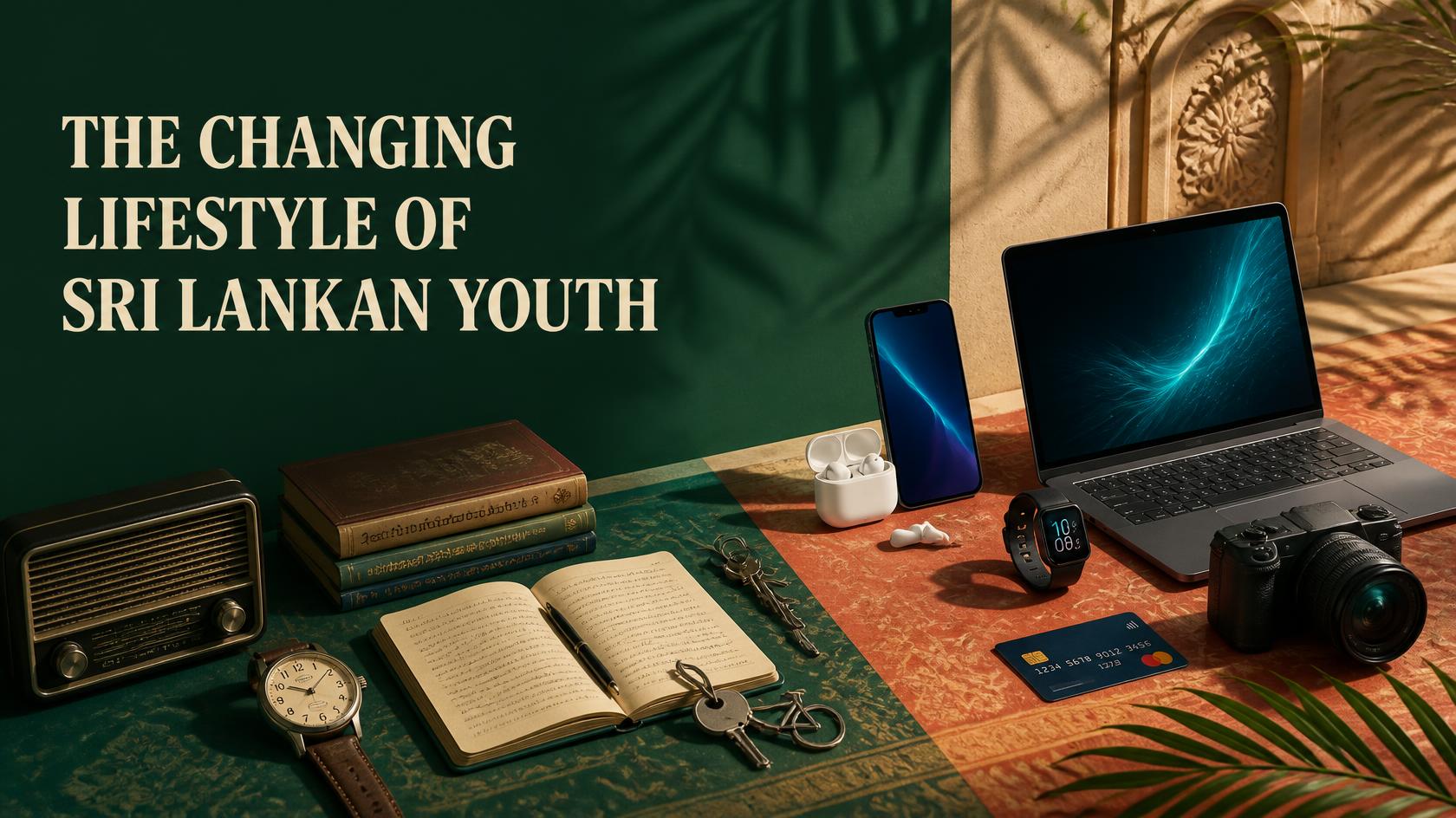
In the past, young people depended mainly on television, newspapers, radio, books, and face-to-face communication for information and entertainment. Today, a smartphone can provide access to news, educational materials, entertainment, employment opportunities, banking services, shopping, and communication within seconds.
Social media platforms such as Facebook, Instagram, TikTok, YouTube, and messaging applications have changed the way young people communicate. Instead of relying only on traditional social gatherings, young people can maintain relationships through online communities and digital communication.
Technology has also created new opportunities. Young people can learn skills through online courses, promote businesses through social media, work remotely, create digital content, and reach international audiences without leaving Sri Lanka.
However, excessive use of digital devices can also create challenges. Spending long hours on social media and entertainment can reduce physical activity and face-to-face interaction. Young people may also experience pressure from constantly comparing their lives with carefully presented images of other people's lives online.
Changes in Education
Education continues to play a major role in the lives of Sri Lankan youth, but the way young people approach education is changing.
Traditional education was largely centered around schools, universities, tuition classes, textbooks, and physical classrooms. These remain important, but digital learning has expanded the range of educational opportunities available to young people.
Students can now access online lectures, tutorials, digital libraries, educational videos, international courses, and professional training programs. Platforms such as YouTube and various online learning websites allow young people to develop skills beyond what is taught in formal education.
There is also increasing interest in practical skills such as information technology, digital marketing, graphic design, programming, English communication, entrepreneurship, and other professional skills.
At the same time, academic competition remains strong. Many young people continue to attend private tuition classes and spend significant amounts of time preparing for examinations. This can create considerable pressure, particularly during major examinations.
The changing educational environment therefore offers both greater opportunities and new forms of competition.
Changing Career Aspirations
Career expectations among Sri Lankan youth have also changed significantly.
Previous generations often considered professions such as teaching, government employment, medicine, engineering, banking, and traditional business as secure and desirable career choices. These careers remain popular, but today's youth are increasingly interested in a much wider range of possibilities.
Information technology, software development, digital marketing, content creation, freelancing, online businesses, tourism, creative industries, and international employment have become attractive options for many young people.
The concept of working for one organization throughout an entire career is also becoming less common. Some young people prefer flexible employment, freelancing, entrepreneurship, or remote work.
The growth of the digital economy has made it possible for a person living in Sri Lanka to provide services to clients in other countries. This has created new possibilities for young people with specialized skills.
Nevertheless, finding stable and adequately paid employment remains a major concern. Economic conditions, competition for jobs, skills mismatches, and limited opportunities in some sectors continue to influence career decisions.
Social Media and Youth Culture
Social media has become one of the strongest influences on contemporary youth culture in Sri Lanka.
Young people use social media to communicate, share photographs and videos, follow celebrities and influencers, discover trends, promote businesses, express opinions, and entertain themselves.
Fashion trends, hairstyles, music, food preferences, travel destinations, and lifestyle choices can spread rapidly through social media. A trend that begins in another country can become popular among Sri Lankan youth within a short period.
Social media has also provided young people with a platform to express creativity. Young photographers, musicians, artists, entrepreneurs, educators, and content creators can build audiences without depending entirely on traditional media organizations.
However, social media also has negative aspects. Misinformation, cyberbullying, online harassment, privacy concerns, unrealistic beauty standards, and excessive social comparison can affect young users. Therefore, digital literacy and responsible social media use are increasingly important.
Changes in Family Life
Family remains an important part of Sri Lankan society, but family relationships and household lifestyles are changing.
Traditionally, many young people lived in large or extended families and had frequent interaction with grandparents, relatives, and neighbors. Urbanization, migration, education, employment, and changing housing patterns have contributed to smaller households in many communities.
Some young people move away from their hometowns to attend universities or find employment. Others migrate overseas for education or work. As a result, physical distance between family members has become more common.
At the same time, digital communication allows families to remain connected through video calls, messaging applications, and social media.
Young people are also increasingly interested in making independent decisions about education, careers, relationships, and personal goals. This can sometimes create differences between generations because parents may have more traditional expectations while young people are influenced by modern ideas.
Changing Attitudes Toward Relationships and Marriage
Attitudes toward relationships and marriage are also changing among Sri Lankan youth.
Traditional expectations often emphasized early marriage, family involvement, and clearly defined gender roles. Many young people today, however, place greater importance on education, career development, financial stability, and personal goals before marriage.
Young people are also more likely to meet and communicate with potential partners through universities, workplaces, social networks, and online platforms.
At the same time, traditional cultural and religious values continue to influence relationships. Therefore, young Sri Lankans often navigate between traditional expectations and modern ideas about personal choice and relationships.
These changes can sometimes create disagreements between young people and older generations, particularly regarding marriage, career priorities, gender roles, and personal independence.
Fashion and Appearance
Fashion is another area where lifestyle changes are clearly visible.
Sri Lankan youth are increasingly exposed to international fashion through social media, films, television programs, music videos, and global brands. Clothing styles that were once uncommon in Sri Lanka can quickly become popular among young people.
Young people are also becoming more interested in personal grooming, skincare, fitness, hairstyles, and overall appearance.
However, traditional clothing remains important, particularly during religious ceremonies, weddings, cultural celebrations, and national events. This demonstrates how modern fashion and traditional culture can exist together.
Changes in Food Habits
Food habits among Sri Lankan youth are also changing.
Traditional Sri Lankan meals based on rice, vegetables, curries, coconut, spices, and local ingredients remain extremely important. However, young people are increasingly exposed to fast food, international cuisine, cafés, restaurants, food delivery services, and new cooking trends.
Pizza, burgers, fried chicken, pasta, noodles, desserts, coffee-based drinks, and other international foods have become popular among many urban young people.
Food delivery applications and social media food reviews have also changed how young people discover and purchase food.
At the same time, there is growing interest among some young people in healthy eating, exercise, plant-based foods, nutrition, and fitness. This shows that food culture is becoming more diverse rather than simply replacing traditional eating habits.
Entertainment and Leisure
Entertainment habits have changed dramatically because of digital technology.
Previous generations often spent leisure time watching television, listening to radio programs, reading books, playing outdoor games, visiting friends, or participating in community activities.
Today, young people spend considerable leisure time watching YouTube videos, streaming films and television programs, playing online games, listening to digital music, creating content, and using social media.
Gaming has become an important form of entertainment for many young people. Mobile games allow users to compete and communicate with players from different countries.
At the same time, traditional activities such as cricket, football, music, dancing, religious festivals, and community events remain popular. The difference is that modern youth have a much wider range of entertainment choices.
Travel and Exploration
Travel has become increasingly attractive to Sri Lankan youth.
Social media has played an important role in encouraging young people to explore beaches, mountains, waterfalls, historical sites, national parks, and rural destinations. Photographs and videos shared online often inspire young people to visit new places.
Domestic tourism has therefore become an important part of youth lifestyle. Young people often organize trips with friends rather than relying entirely on family travel.
Travel also provides opportunities to learn about different cultures, environments, and communities. However, responsible tourism is important to ensure that popular destinations are not damaged by excessive waste or irresponsible behavior.
Health, Fitness, and Well-being
Health and fitness awareness among young people is also changing.
Gyms, running, cycling, yoga, sports, home workouts, and fitness content have become increasingly visible in youth culture. Social media has contributed to the popularity of fitness challenges, exercise programs, and nutritional information.
However, young people also face lifestyle-related challenges. Long periods of sitting, excessive screen time, irregular sleep patterns, academic pressure, employment uncertainty, and unhealthy eating habits can affect overall well-being.
Therefore, developing a balanced lifestyle is important. Physical activity, adequate sleep, healthy food, meaningful social relationships, and responsible technology use can contribute to a healthier life.
The Impact of Economic Changes
Economic conditions have had a major influence on the lifestyle of Sri Lankan youth.
Economic difficulties have encouraged many young people to reconsider their spending habits, career choices, and future plans. Some have become more interested in entrepreneurship, freelancing, multiple income sources, and overseas employment.
The cost of education, housing, transportation, food, and other necessities can also affect young people's ability to achieve financial independence.
For some youth, economic challenges have encouraged greater financial awareness. Budgeting, saving, online work, small businesses, and skill development have become increasingly important considerations.
Globalization and Cultural Change
Globalization has connected Sri Lankan youth with cultures and ideas from around the world.
Through the internet, young people can access international music, films, fashion, education, news, and social trends. This has expanded their knowledge and created opportunities to interact with people from different countries.
However, globalization also creates questions about cultural identity. Some traditional practices may become less popular among younger generations, particularly when they are perceived as outdated.
Nevertheless, Sri Lankan youth have demonstrated that traditional and global cultures do not necessarily have to compete. Many young people combine traditional festivals, local food, religious practices, and cultural clothing with modern technology, international entertainment, and contemporary lifestyles.
Youth and Entrepreneurship
Entrepreneurship is becoming an increasingly attractive option for Sri Lankan youth.
Social media has made it easier to promote small businesses without requiring large advertising budgets. Young entrepreneurs sell clothing, food, handmade products, beauty products, digital services, educational materials, and other products through online platforms.
Some young people have also developed careers as freelancers, photographers, designers, programmers, content creators, and online educators.
This represents an important change in the concept of employment. Instead of waiting only for traditional jobs, some young people are attempting to create their own income opportunities.
However, entrepreneurship also involves risks. Access to capital, market competition, business knowledge, taxation, digital security, and economic uncertainty can create challenges for young entrepreneurs.
Balancing Tradition and Modern Life
Perhaps the most interesting feature of Sri Lankan youth lifestyle is the coexistence of tradition and modernity.
A young Sri Lankan may use a smartphone throughout the day, follow international fashion trends, study online, and communicate with people from different countries, while still participating in religious ceremonies, celebrating Sinhala and Tamil New Year, attending weddings, eating traditional food, and maintaining close family relationships.
This combination demonstrates that social change does not necessarily mean the complete disappearance of traditional culture.
Instead, young people are adapting traditions to changing circumstances. Social media may even help promote traditional festivals, local crafts, Sri Lankan food, music, and cultural practices to wider audiences.
Conclusion
The lifestyle of Sri Lankan youth is changing rapidly under the influence of technology, globalization, education, economic conditions, social media, changing career opportunities, and evolving cultural attitudes.
Today's youth have access to opportunities that previous generations could not easily imagine. They can study online, work with international clients, build businesses through social media, explore global cultures, travel more independently, and express themselves through digital platforms.
At the same time, these opportunities come with challenges. Social media addiction, cyberbullying, economic uncertainty, employment difficulties, excessive screen time, cultural pressures, and the struggle to balance modern expectations with traditional values are important issues.
The future of Sri Lanka will be strongly influenced by how its young population responds to these changes. Providing quality education, employment opportunities, digital skills, entrepreneurship support, and spaces for meaningful social participation can help young people make positive use of the opportunities available to them.
Ultimately, the changing lifestyle of Sri Lankan youth should not simply be viewed as a movement away from tradition. It is better understood as an ongoing process of adaptation. Sri Lankan youth are creating a lifestyle that combines traditional values with modern technology, local identity with global influences, and established social practices with new ideas.
As Sri Lanka continues to change, its youth will remain at the center of that transformation. Their choices, aspirations, creativity, and ability to adapt will play an important role in shaping the country's social and economic future.
Additional Media