
Sponsored
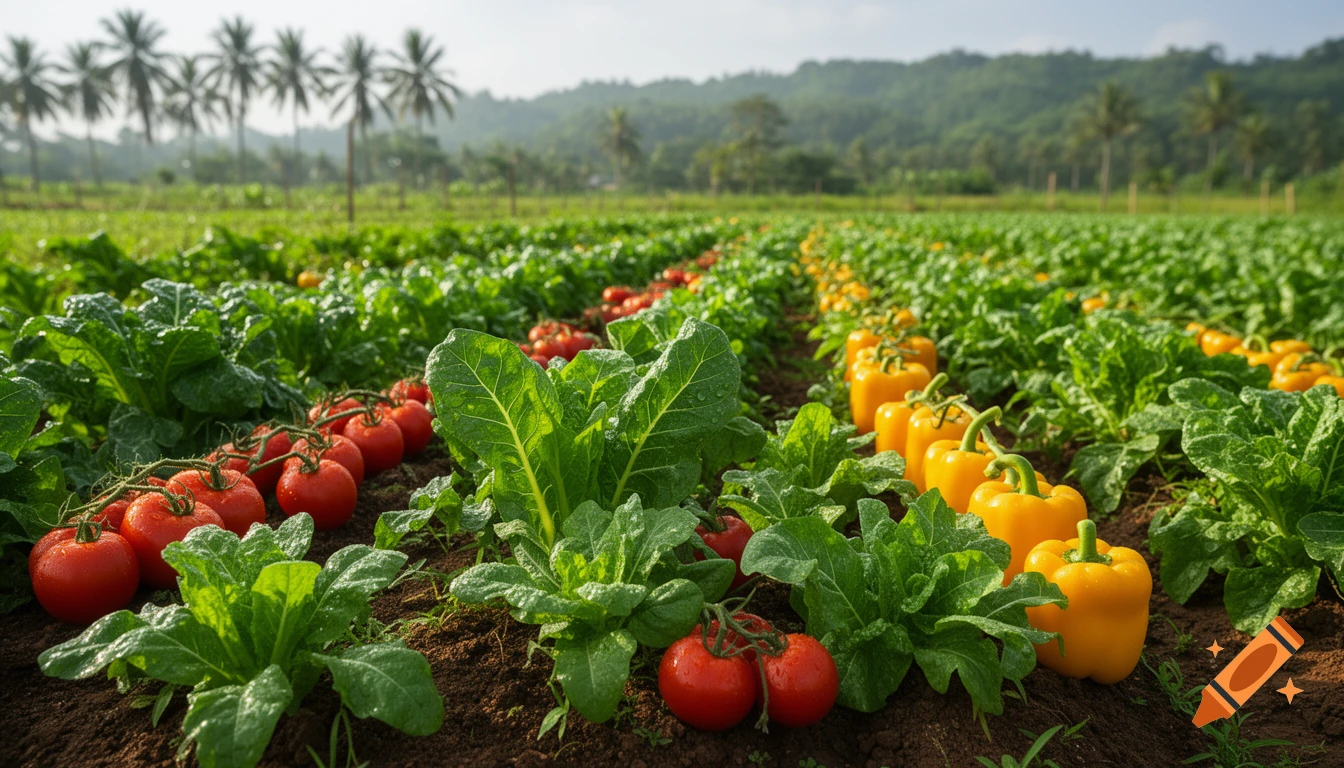
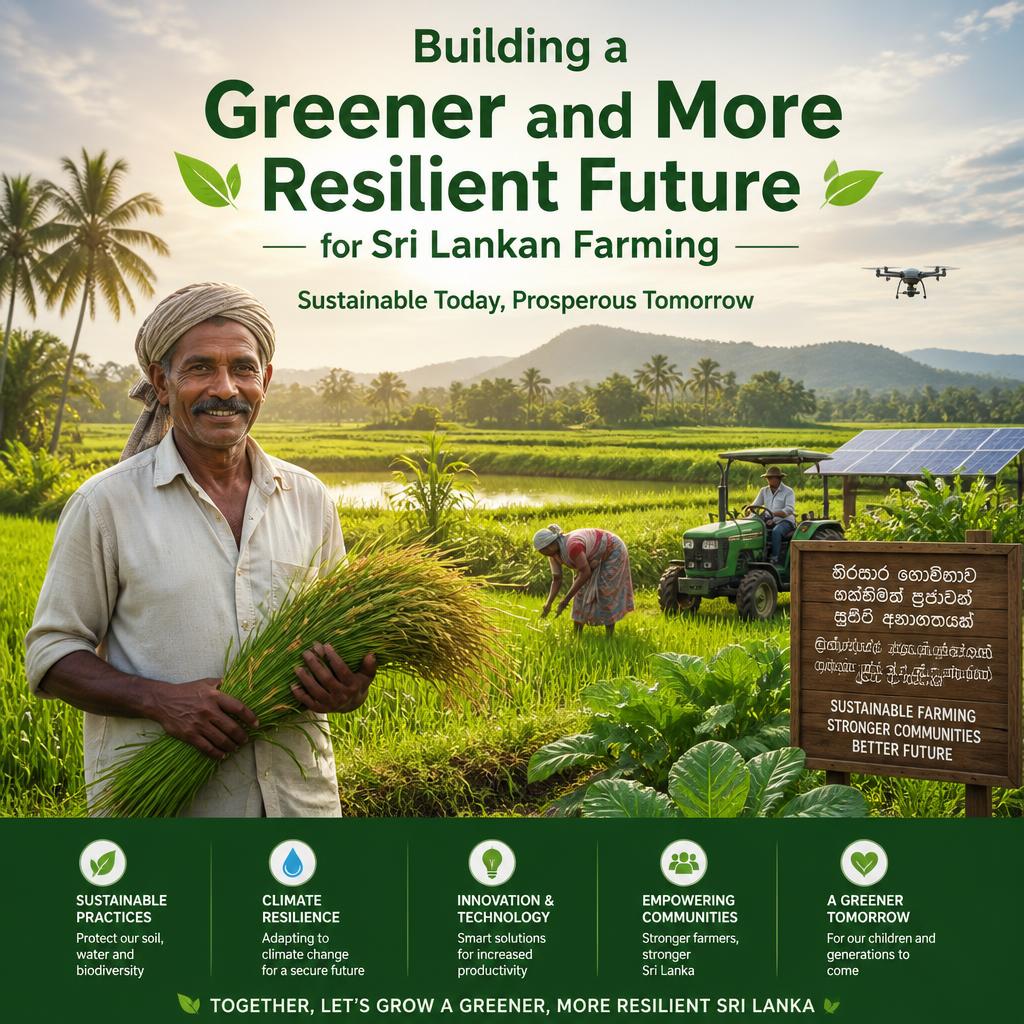
Agriculture has long been a cornerstone of Sri Lanka's economy and plays a vital role in ensuring food security, employment, and rural development. However, challenges such as climate change, soil degradation, water scarcity, and excessive use of chemical fertilizers have highlighted the need for more sustainable farming methods. Sustainable agriculture focuses on meeting current food needs while protecting natural resources for future generations. In Sri Lanka, sustainable agricultural practices are becoming increasingly important as the country seeks to balance economic growth with environmental conservation.
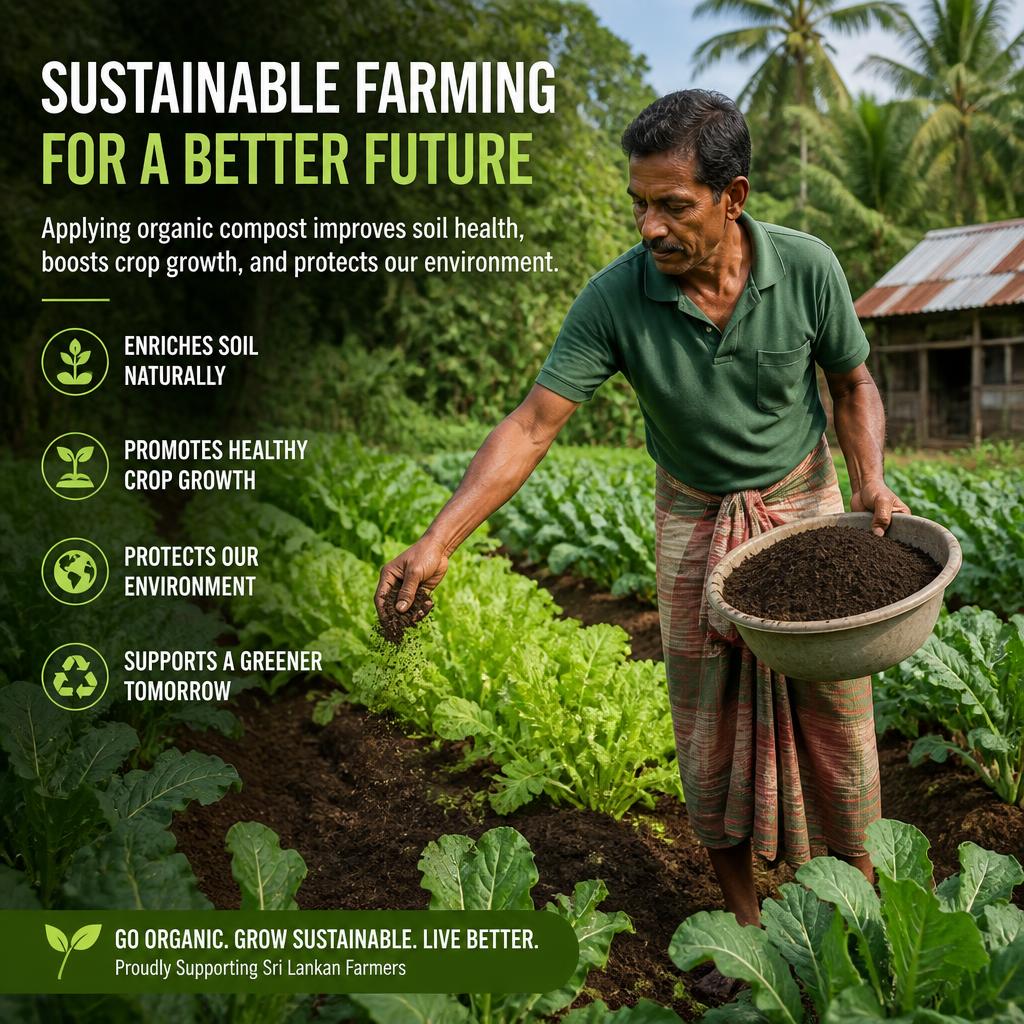
One of the key sustainable agricultural practices in Sri Lanka is organic farming. Organic agriculture avoids the excessive use of synthetic fertilizers, pesticides, and herbicides, relying instead on natural methods to maintain soil fertility and control pests. Many farmers are adopting composting techniques, green manure, and organic fertilizers to improve soil health and reduce environmental pollution. Organic farming not only protects ecosystems but also provides consumers with healthier food products.
Water conservation is another essential aspect of sustainable agriculture. Sri Lanka has a rich history of irrigation systems dating back thousands of years. Ancient reservoirs and canal networks continue to support farming activities today. Modern farmers are increasingly using efficient irrigation methods such as drip irrigation and rainwater harvesting to reduce water wastage. These practices help ensure that water resources remain available even during periods of drought.
Crop diversification is also widely recognized as a sustainable farming strategy. Instead of relying on a single crop, farmers cultivate a variety of crops to improve soil fertility, reduce pest infestations, and minimize financial risks. In Sri Lanka, many farmers combine paddy cultivation with vegetables, fruits, spices, and livestock farming. This diversified approach enhances productivity while improving household income and food security.
Integrated Pest Management (IPM) is another environmentally friendly agricultural practice. IPM combines biological, cultural, and mechanical methods to control pests while minimizing the use of chemical pesticides. Farmers may use natural predators, crop rotation, and disease-resistant crop varieties to manage pest populations effectively. This approach reduces environmental damage and promotes healthier agricultural ecosystems.
Agroforestry is gaining popularity in various parts of Sri Lanka. This practice involves integrating trees with crops and livestock on the same land. Trees provide shade, prevent soil erosion, improve biodiversity, and enhance carbon sequestration. In addition, agroforestry systems can generate additional income through the production of fruits, timber, and medicinal plants.
Climate-smart agriculture has become increasingly important due to the growing impacts of climate change. Farmers are adopting resilient crop varieties, adjusting planting schedules, and using weather forecasting information to reduce climate-related risks. These measures help maintain agricultural productivity despite changing environmental conditions.
Government agencies, research institutions, and non-governmental organizations are actively promoting sustainable agriculture in Sri Lanka. Training programs, agricultural extension services, and awareness campaigns help farmers learn modern sustainable techniques. Universities and research centers continue to develop innovative solutions that improve productivity while protecting natural resources.
Despite its benefits, sustainable agriculture faces several challenges. Limited access to financial resources, insufficient technical knowledge, and market barriers can discourage farmers from adopting sustainable practices. Addressing these challenges requires continued investment, policy support, and collaboration among stakeholders.
sustainable agriculture is essential for the long-term development of Sri Lanka's agricultural sector. By adopting environmentally friendly farming methods, conserving natural resources, and enhancing resilience to climate change, Sri Lanka can ensure food security while protecting its rich natural heritage. Sustainable agriculture offers a pathway toward a healthier environment, stronger rural communities, and a more sustainable future for generations to come.
Additional Media