Sponsored
Sri Lanka’s Golden Heritage: A Journey Through Ancient Cities, Sacred Sites & Natural Wonders
Rakshika Rathnayake7/7/20265 min read
Share:Facebook
Sri Lanka, the teardrop-shaped island nation in the Indian Ocean, is a land brimming with ancient history, vibrant culture, and breathtaking natural beauty. Its story is etched in stone, painted in ancient frescoes, and whispered through the leaves of its dense rainforests. A testament to its rich past and ecological significance is its collection of UNESCO World Heritage Sites. Gaining a UNESCO designation is a mark of global importance, recognizing these locations for their outstanding universal value and ensuring their preservation for future generations. This recognition helps protect these irreplaceable treasures and share their stories with the world. Join us as we explore the remarkable national heritages of Sri Lanka that have earned this prestigious status.
The Count: How Many UNESCO Sites Grace Sri Lanka?
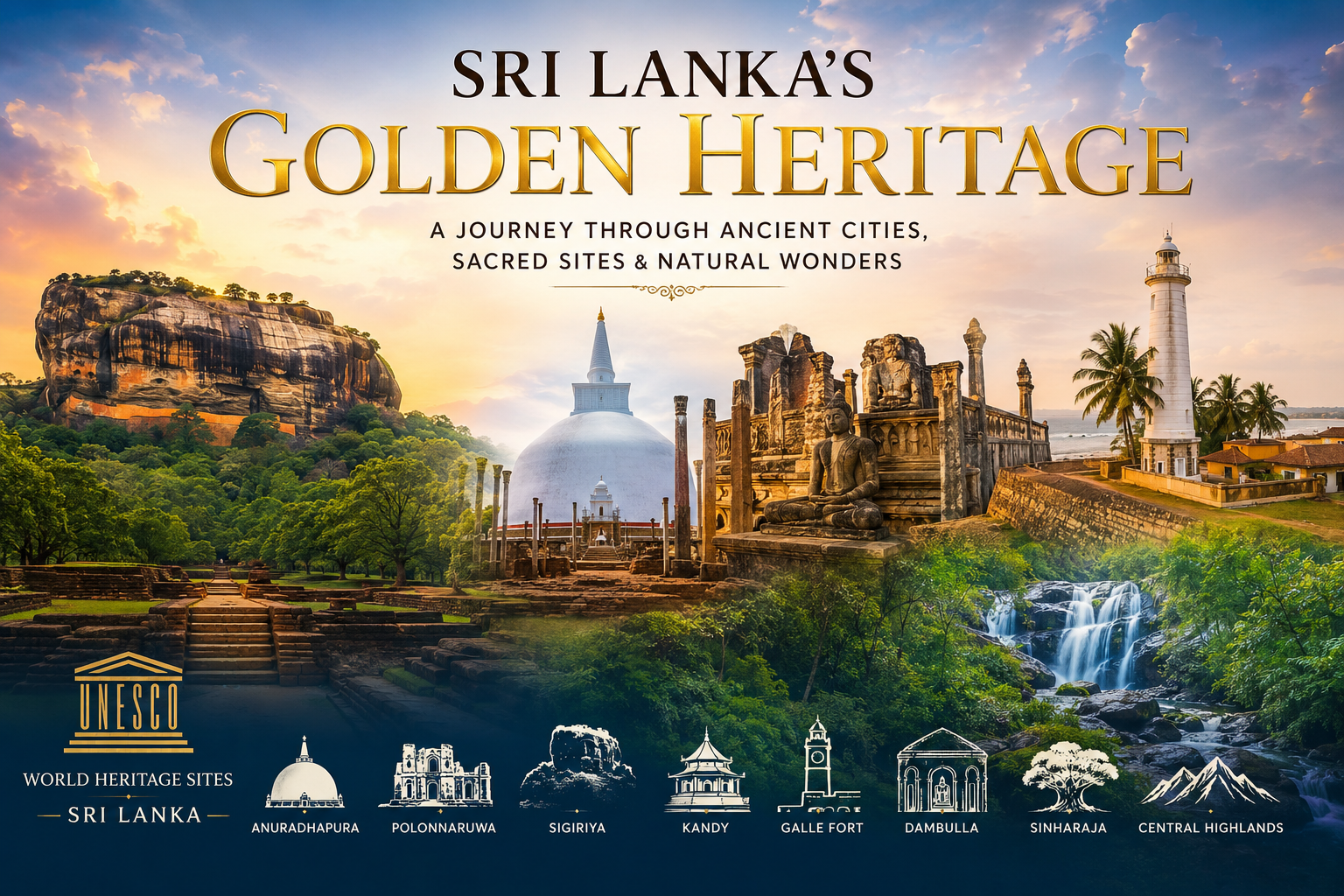
Sri Lanka is home to eight UNESCO World Heritage Sites. These sites are categorized into two groups that showcase the island's diverse heritage: six cultural sites and two natural sites. The cultural landmarks include ancient cities and sacred temples that offer a glimpse into the island's more than 2,500-year history, while the natural sites protect pristine rainforest ecosystems teeming with unique wildlife.
The eight designated sites are:
The Sacred City of Anuradhapura
The Ancient City of Polonnaruwa
The Ancient City of Sigiriya
The Sacred City of Kandy
The Old Town of Galle and its Fortifications
The Golden Temple of Dambulla (Rangiri Dambulla Cave Temple)
Sinharaja Forest Reserve
Central Highlands of Sri Lanka
Exploring Sri Lanka's Cultural and Natural Treasures
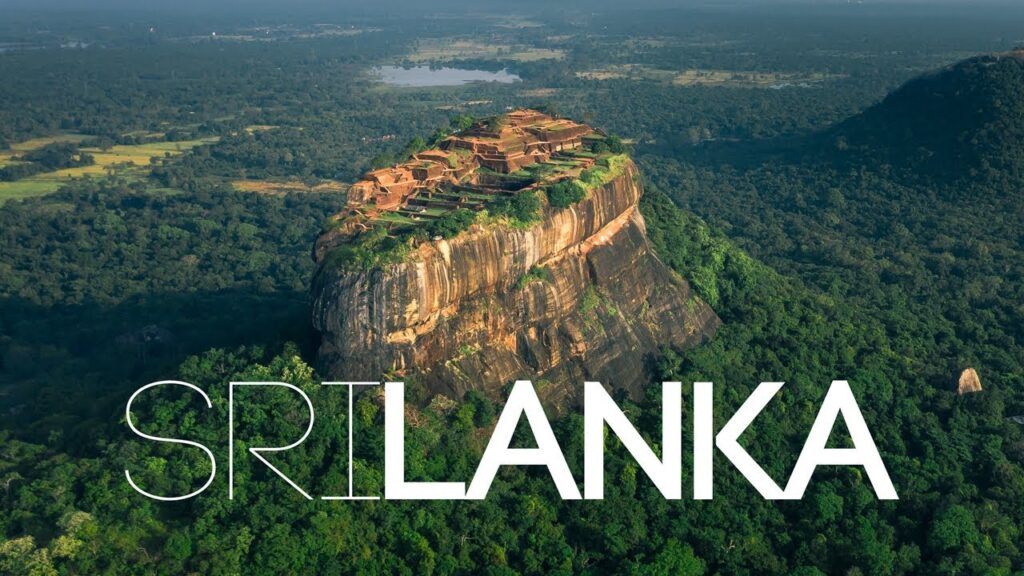
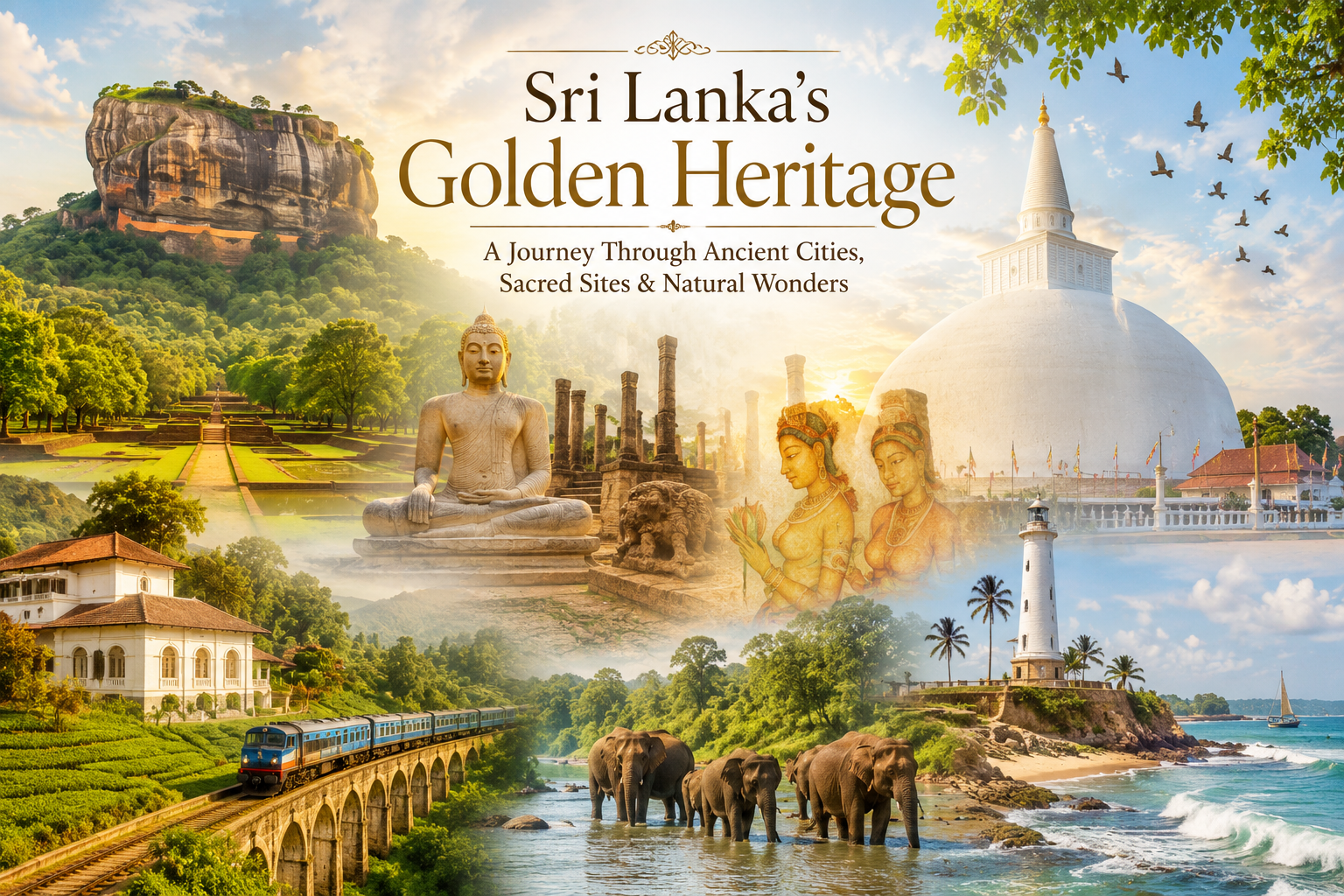
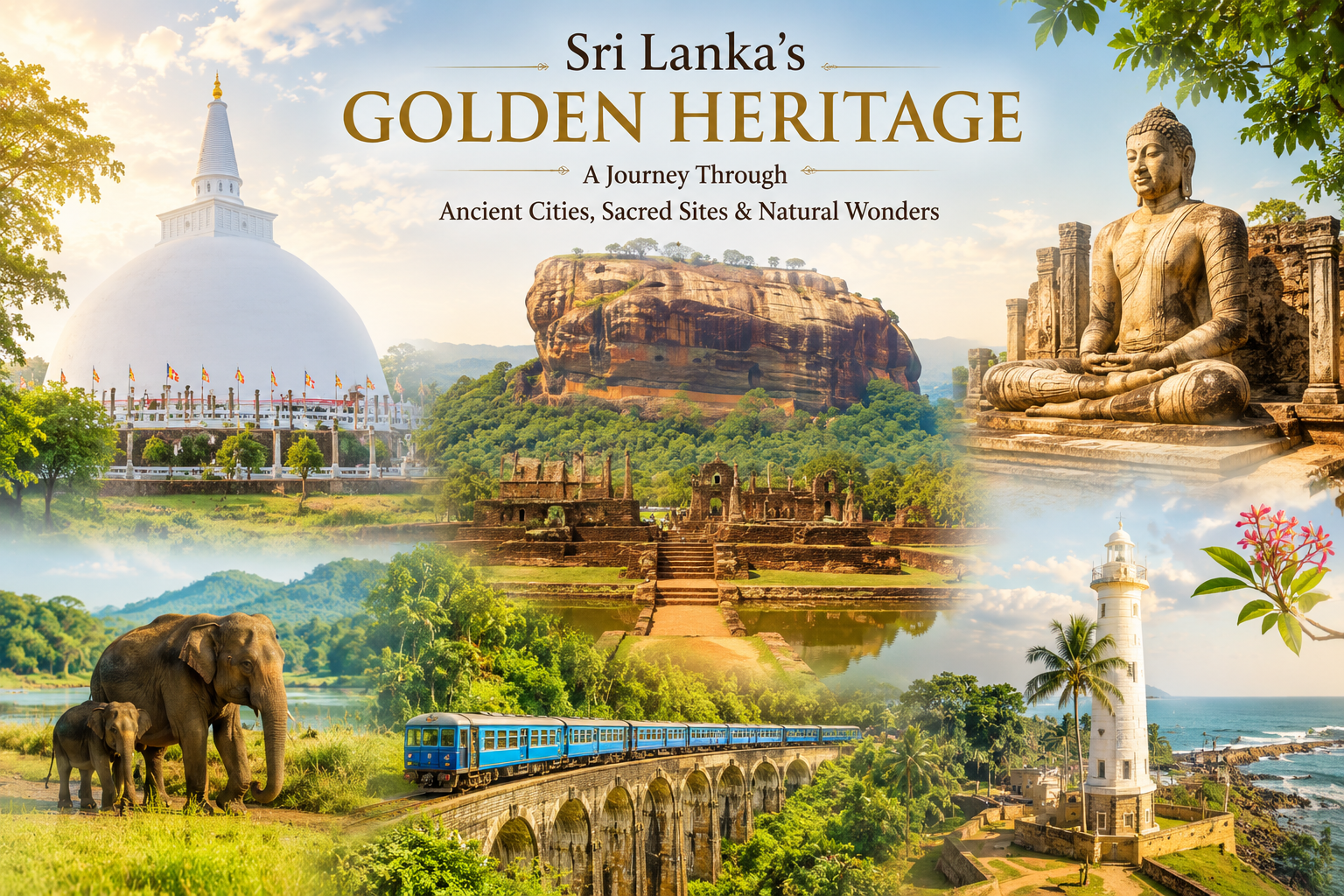
Among Sri Lanka's treasured cultural sites, the Ancient City of Sigiriya is one of the most spectacular. Also known as Lion Rock, this 5th-century fortress and palace stands atop a massive 180-meter-high granite column. Visitors can ascend through ancient landscaped water gardens, view magnificent frescoes of celestial maidens, and pass through the iconic Lion's Paw gateway to reach the summit ruins. Another significant cultural landmark is the Ancient City of Polonnaruwa, the island's second capital, which flourished between the 11th and 13th centuries. This archaeological park showcases remarkably preserved ruins, including the impressive Gal Vihara rock temple with its four colossal Buddha statues carved from a single granite slab. The Sacred City of Kandy, the last capital of the Sinhala kings, is another must-see, housing the Temple of the Sacred Tooth Relic, one of Buddhism's most revered sites.
On the natural front, the Sinharaja Forest Reserve is a national treasure and the country's last viable area of primary tropical rainforest. This biodiversity hotspot is a haven for endemic species; more than 60% of its trees are found nowhere else on Earth, and it is home to over half of Sri Lanka's endemic mammals, butterflies, and birds. The Central Highlands, which includes Horton Plains National Park and the Knuckles Conservation Forest, is the other natural site, recognized for its stunning montane forests and rich biodiversity.
To make the most of a journey through these historic and natural wonders, a Sri Lanka UNESCO World Heritage Sites map can be an invaluable tool for planning your route, as many of the cultural sites are located within the famed "Cultural Triangle." Additionally, various organizations and travel guides offer downloadable informational PDFs that provide detailed histories and visitor information for each location. These resources can significantly enrich the experience, offering deeper insights into the importance of each site. The preservation of these national heritages of Sri Lanka is a shared responsibility, ensuring that their stories and splendor can continue to inspire generations to come.
Additional Media