
Sponsored
Sinharaja Forest Reserve: Sri Lanka’s Last Rainforest
Rakshika Rathnayake8/1/20265 min read
Share:Facebook
Introduction
Hidden among the mist-covered mountains of southwestern Sri Lanka lies one of the world’s most valuable tropical rainforests — the Sinharaja Forest Reserve. Recognized as Sri Lanka’s last remaining primary rainforest, Sinharaja is a living treasure that protects thousands of species of plants, animals, and microorganisms found nowhere else on Earth.
The name “Sinharaja” carries a deep cultural meaning. In Sinhala, “Sinha” means lion and “Raja” means king, giving the meaning “Lion King Forest.” According to traditional beliefs, this forest has been considered a sacred and powerful natural area for centuries. Today, Sinharaja is not only an ecological wonder but also a symbol of Sri Lanka’s commitment to protecting its natural heritage.
Declared a UNESCO World Heritage Site in 1988, Sinharaja represents one of the most important biodiversity hotspots in the world. Its dense vegetation, unique ecosystems, rare wildlife, and untouched natural beauty attract researchers, environmentalists, and nature lovers from around the globe.
Location and Geographic Importance of Sinharaja Forest
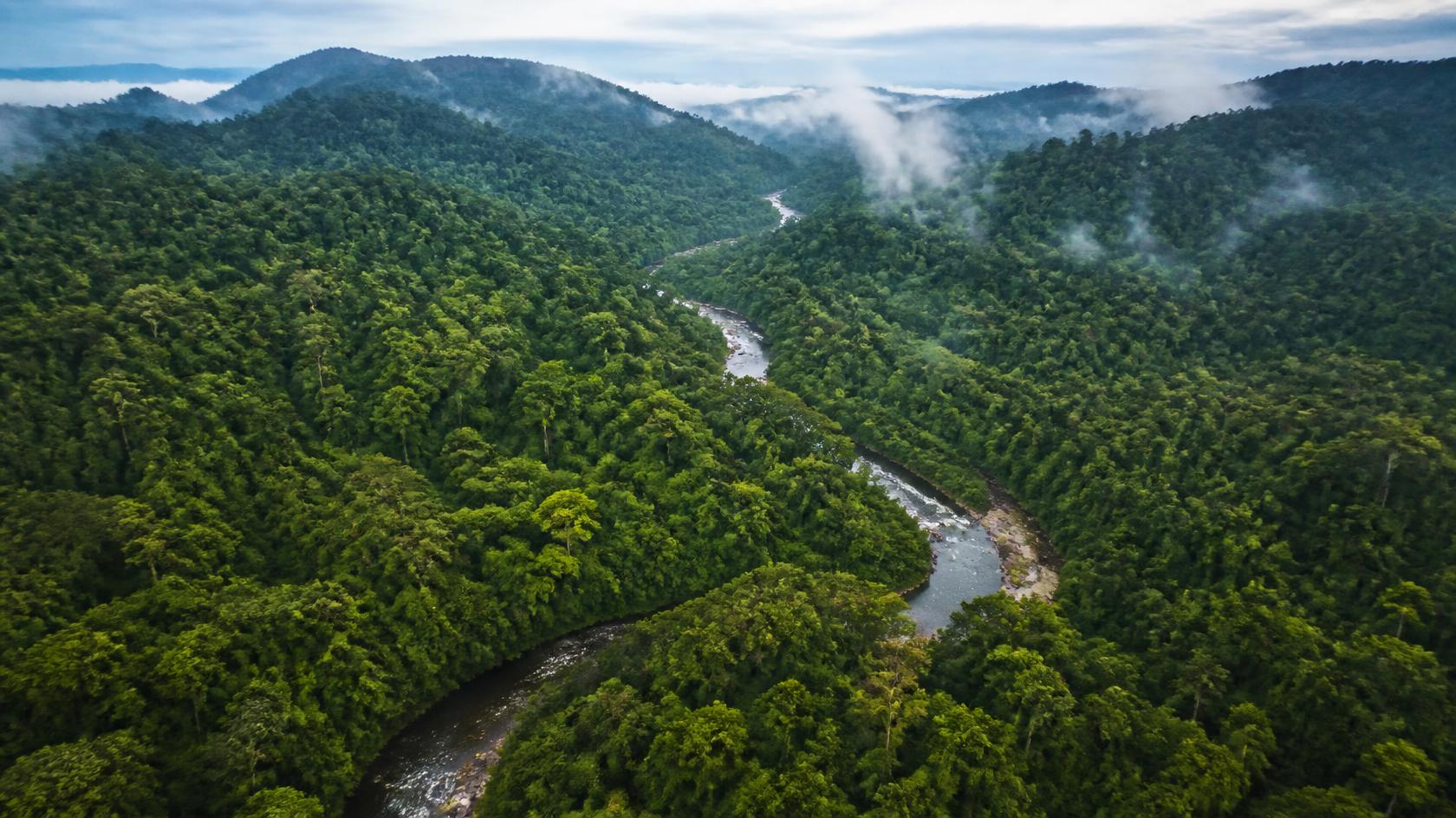
Sinharaja Forest Reserve is located in the southwestern wet zone of Sri Lanka, mainly covering areas in the Rathnapura, Galle, and Matara districts. The forest extends across approximately 11,000 hectares of land and consists of a complex network of mountains, valleys, rivers, and streams.
The forest receives heavy rainfall throughout the year due to the influence of the southwest monsoon. Annual rainfall is generally very high, creating ideal conditions for a tropical rainforest ecosystem.
The unique geographical location of Sinharaja has helped preserve its biodiversity. Because of its isolated nature and limited human disturbance, many species have evolved separately over thousands of years, resulting in a high number of endemic plants and animals.
Sinharaja is considered a biodiversity hotspot because it contains an extraordinary concentration of species within a relatively small area.
Historical Background of Sinharaja
The history of Sinharaja is closely connected with Sri Lanka’s natural and cultural heritage. For centuries, local communities living around the forest depended on its resources for their daily lives. They collected medicinal plants, honey, fruits, and other forest products while maintaining a traditional relationship with nature.
During the colonial period, parts of Sri Lanka’s forests were affected by commercial activities such as timber extraction and plantation development. However, Sinharaja remained relatively protected because of its difficult terrain and remote location.
In the 1970s, increasing awareness about environmental conservation led to stronger protection measures. The Sri Lankan government recognized the ecological importance of Sinharaja and declared it a forest reserve.
Later, international recognition came when UNESCO listed Sinharaja as a World Heritage Site in 1988 due to its exceptional biological value.
Today, Sinharaja stands as an example of successful rainforest conservation and demonstrates the importance of protecting natural ecosystems for future generations.
Unique Biodiversity of Sinharaja Rainforest
The greatest importance of Sinharaja lies in its incredible biodiversity. Although it covers a relatively small area, the forest contains a remarkable variety of living organisms.
Plant Diversity
Sinharaja is home to hundreds of plant species, many of which are endemic to Sri Lanka. The forest contains tall trees forming a dense canopy, creating a unique environment where different layers of vegetation exist.
Some important plant groups found in Sinharaja include:
Dipterocarp trees
Fern species
Orchids
Medicinal plants
Various flowering plants
Many plants found here have scientific and medicinal importance. Researchers continue to study these species to understand their ecological and possible pharmaceutical value.
The forest vegetation plays an important role in maintaining soil stability, controlling climate conditions, and supporting countless organisms.
Wildlife of Sinharaja Forest
Sinharaja provides shelter for a large number of animal species. Many of these animals are endemic to Sri Lanka, meaning they cannot be found naturally anywhere else in the world.
Birds of Sinharaja
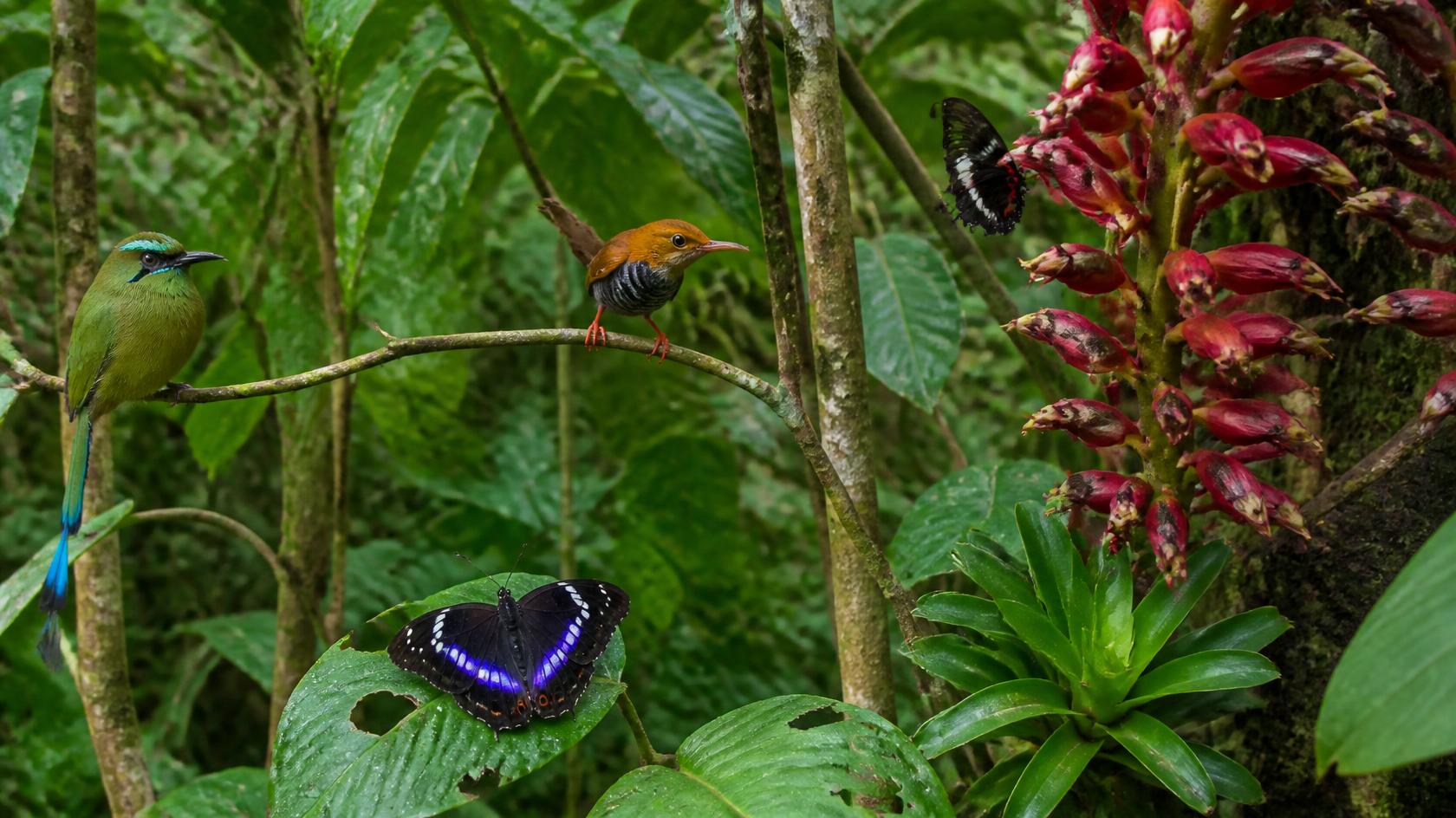
Sinharaja is especially famous among bird watchers because it contains many rare and endemic bird species.
Some notable birds include:
Sri Lanka Blue Magpie
Sri Lanka Junglefowl
Sri Lanka Grey Hornbill
Sri Lanka Hanging Parrot
Red-faced Malkoha
One of the most special experiences in Sinharaja is observing mixed-species bird groups, where different bird species move together through the forest searching for food.
Mammals
Several mammals also live within the rainforest, including:
Purple-faced Langur
Sri Lankan Sambar Deer
Wild Boar
Giant Squirrel
Fishing Cat
Although large animals such as elephants and leopards are less commonly seen inside Sinharaja compared with other protected areas, the forest still provides an important habitat for many smaller mammals.
Reptiles and Amphibians
Sinharaja is extremely rich in reptiles and amphibians. Many frogs, lizards, and snakes found here are endemic species.
The high humidity and water availability create perfect conditions for amphibian survival. Scientists consider Sinharaja one of the most important locations for studying Sri Lanka’s unique frog species.
Importance of Sinharaja for Climate and Environmental Protection
Rainforests play a major role in maintaining global environmental balance. Sinharaja contributes significantly to protecting Sri Lanka’s natural systems.
1. Carbon Storage
The trees of Sinharaja absorb carbon dioxide from the atmosphere and store carbon within their biomass. This helps reduce the effects of climate change.
2. Water Regulation
The forest acts as a natural water management system. It helps maintain streams, rivers, and groundwater resources by controlling water flow and reducing soil erosion.
3. Protecting Soil
The dense vegetation prevents soil degradation by protecting land from heavy rainfall and erosion.
4. Maintaining Ecosystem Balance
Every species in Sinharaja has an important role in maintaining ecological relationships. The loss of one species can affect many others within the ecosystem.
Sinharaja and Local Communities
The communities living around Sinharaja have a close relationship with the forest. Many villages depend on the surrounding environment for traditional livelihoods.
Activities such as:
Small-scale agriculture
Traditional herbal medicine
Eco-tourism services
Forest-related products
provide income opportunities for local people.
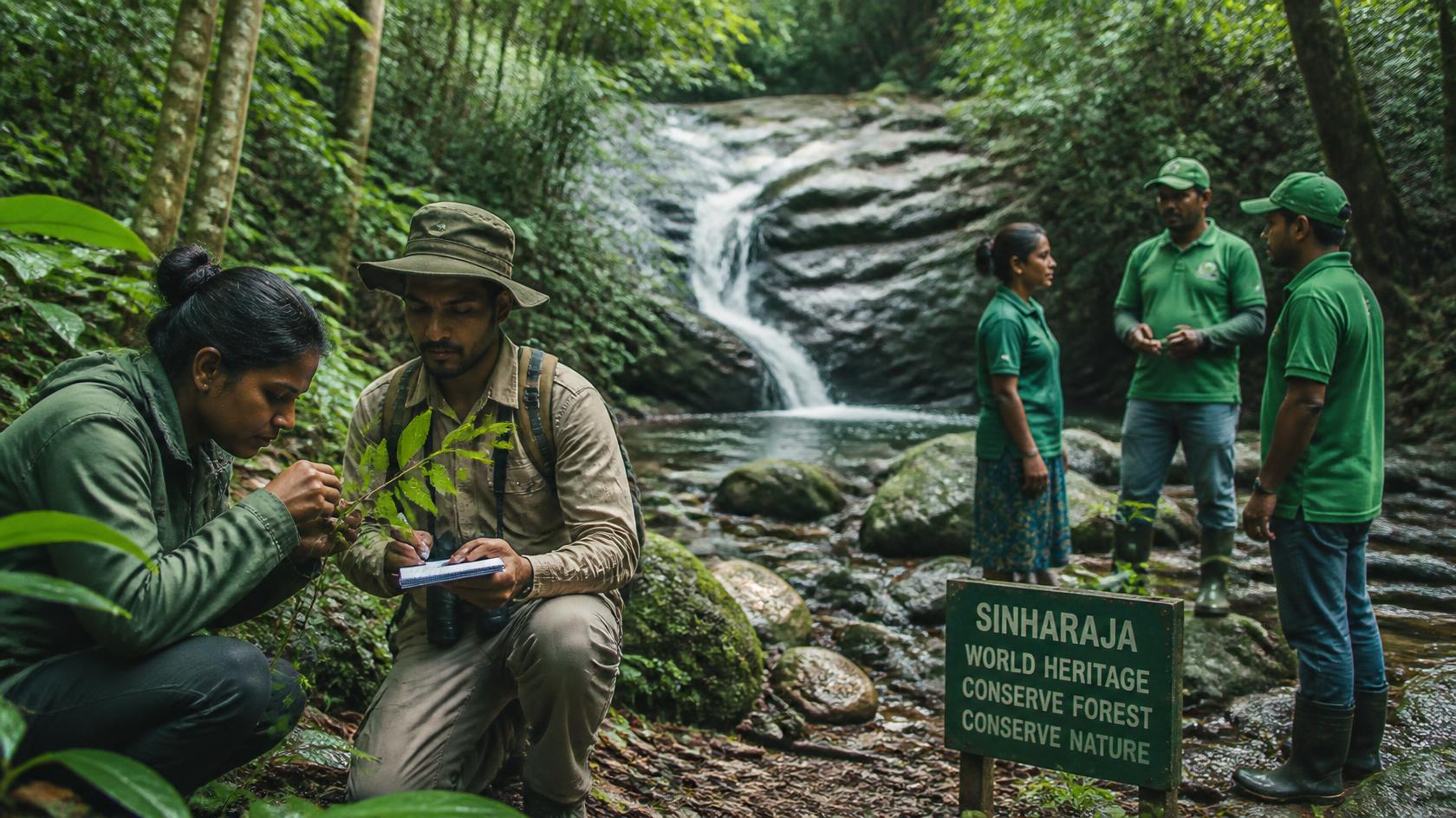
Community involvement is essential for protecting Sinharaja. When local communities benefit from conservation, they become active partners in preserving the forest.
Eco-tourism has created new opportunities for villagers by providing employment as:
Nature guides
Homestay providers
Local food suppliers
Transportation service providers
Tourism and Visitor Experience
Sinharaja is one of Sri Lanka’s most popular eco-tourism destinations. Unlike traditional wildlife parks, visiting Sinharaja offers a completely different experience — exploring a living rainforest ecosystem.
Visitors can enjoy:
Nature Trails
Walking through the forest allows visitors to experience the sounds, smells, and beauty of a tropical rainforest.
Bird Watching
Sinharaja is considered a paradise for bird lovers due to its high number of endemic birds.
Waterfalls and Streams
The forest contains beautiful streams and natural waterfalls that add to its scenic value.
Research and Education
Many students, scientists, and environmental researchers visit Sinharaja to study biodiversity and conservation.
However, tourism must be carefully managed because excessive visitors can damage sensitive ecosystems.
Threats Facing Sinharaja Forest
Although Sinharaja is protected, several challenges continue to threaten its survival.
Illegal Activities
Illegal logging and unauthorized resource extraction can damage forest habitats.
Climate Change
Changes in rainfall patterns and temperature may affect plants and animals that depend on specific environmental conditions.
Human Pressure
Population growth and development activities near forest boundaries can increase pressure on natural resources.
Invasive Species
Non-native plants can compete with local species and disturb natural ecological relationships.
Protecting Sinharaja requires continuous monitoring, strong environmental laws, and public awareness.
Conservation Efforts
Several organizations and government institutions work together to protect Sinharaja.
Important conservation activities include:
Forest protection programs
Biodiversity research
Environmental education
Community-based conservation projects
Sustainable tourism management
The involvement of local communities, researchers, and environmental organizations is essential for the long-term survival of the rainforest.
Conservation is not only about protecting trees; it is about protecting the entire ecosystem and ensuring that future generations can experience this natural wonder.
Cultural and Spiritual Value of Sinharaja
Beyond its environmental importance, Sinharaja has a deep cultural connection with Sri Lankan society.
For generations, forests have been respected as sacred natural spaces. Traditional knowledge about plants, animals, and natural resources has been passed down through local communities.
The forest represents the relationship between humans and nature, reminding society that development should occur while respecting environmental limits.
Conclusion
Sinharaja Forest Reserve is more than just a rainforest; it is a symbol of Sri Lanka’s natural identity and environmental responsibility. As the country’s last major rainforest, it protects thousands of unique species and provides essential ecological services.
Its importance extends beyond Sri Lanka because tropical rainforests contribute to global climate regulation and biodiversity conservation.
Protecting Sinharaja requires cooperation between government authorities, local communities, researchers, tourists, and citizens. Every effort made to conserve this forest helps preserve a priceless natural heritage for future generations.
The future of Sinharaja depends on how responsibly humans interact with nature. By valuing and protecting this magnificent rainforest, Sri Lanka can ensure that the “Lion King Forest” continues to thrive for centuries to come.
Additional Media