
Sponsored
Rare Animals Found in Sri Lanka: Discovering the Island's Extraordinary Wildlife
Rakshika Rathnayake7/20/20265 min read
Share:Facebook
Introduction
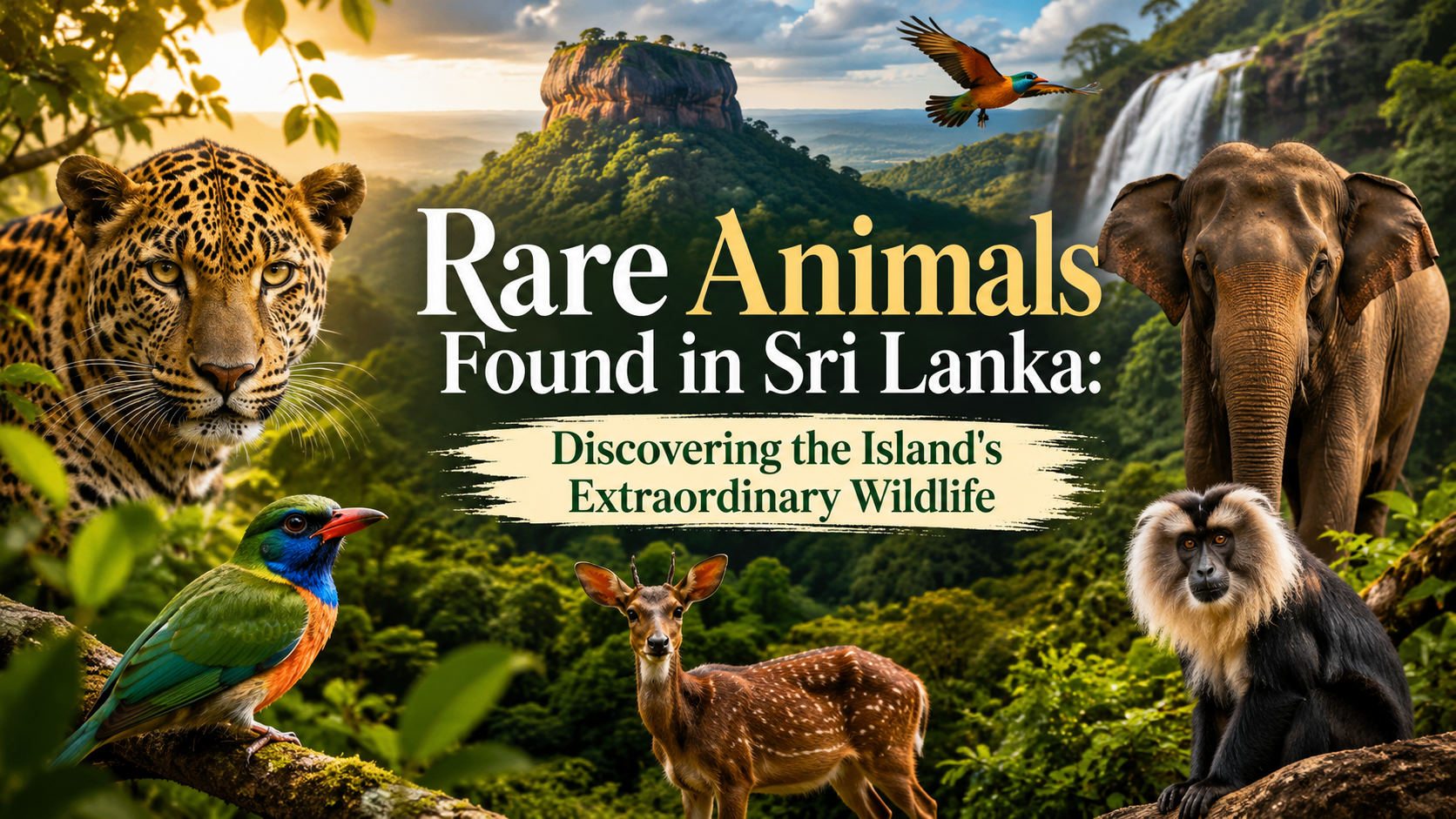
Sri Lanka may be a small island nation, but it is one of the world's richest biodiversity hotspots. Blessed with tropical forests, wetlands, grasslands, and coastal ecosystems, Sri Lanka is home to an astonishing variety of wildlife. The country boasts an impressive number of endemic species, meaning many of its animals are found nowhere else on Earth. From elusive leopards roaming dense forests to tiny nocturnal primates hiding among tree branches, Sri Lanka's wildlife continues to captivate scientists, photographers, and nature lovers worldwide.
The conservation of these rare animals has become increasingly important as habitat destruction, climate change, and human-wildlife conflicts threaten their survival. Protecting Sri Lanka's remarkable wildlife is not only an environmental responsibility but also a valuable investment in the country's ecological and economic future.
Why Sri Lanka is a Biodiversity Hotspot
Despite occupying less than 0.03% of the world's land area, Sri Lanka supports an extraordinary concentration of plant and animal species. The island's diverse climate zones and unique geographical features have contributed to the evolution of numerous endemic species over millions of years.
Sri Lanka's rainforests, mountain ranges, dry-zone forests, and marine ecosystems provide habitats for thousands of animals, many of which are considered rare or endangered. This exceptional biodiversity has earned Sri Lanka international recognition as one of the world's most important conservation regions.
The Sri Lankan Leopard
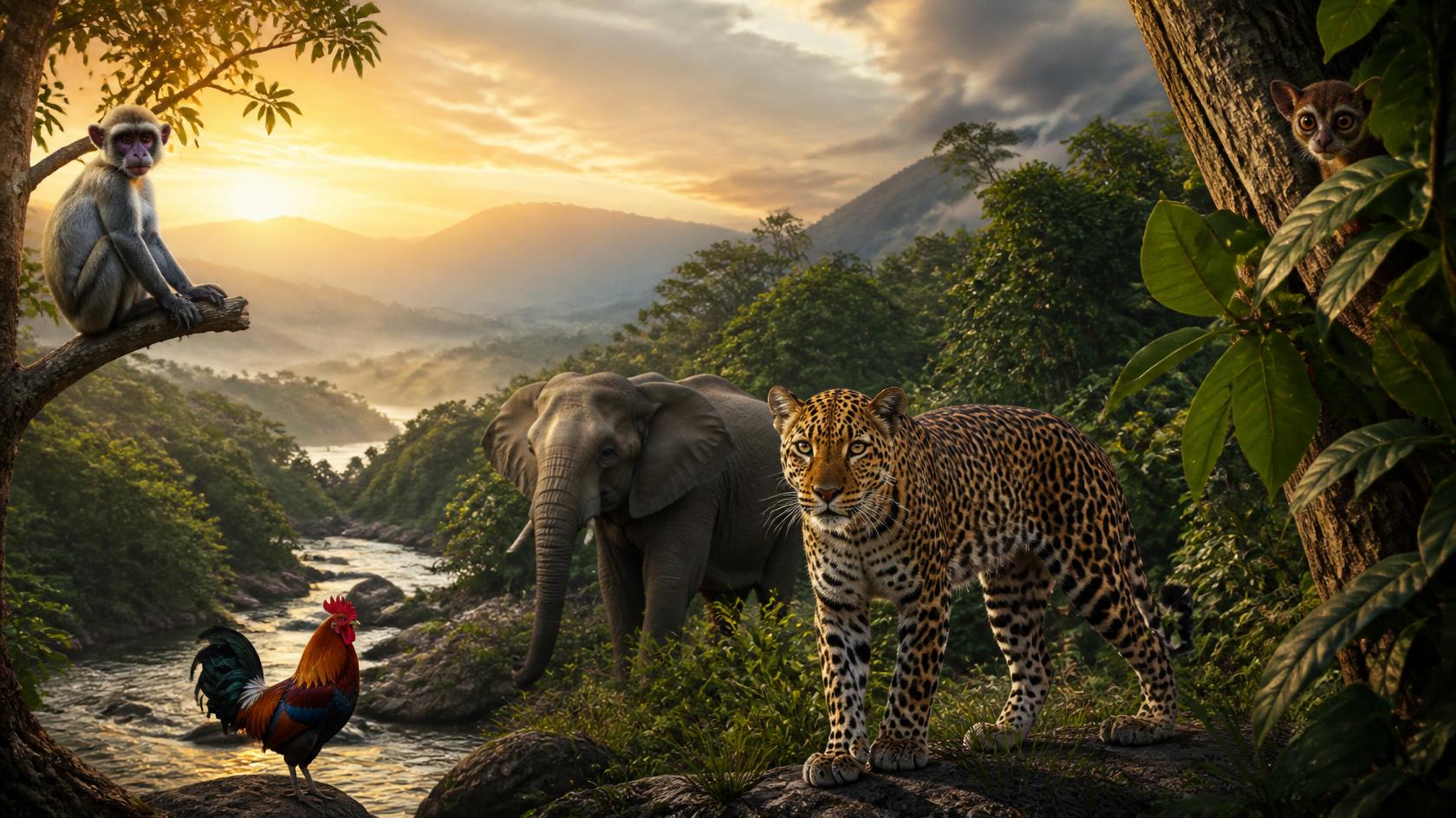
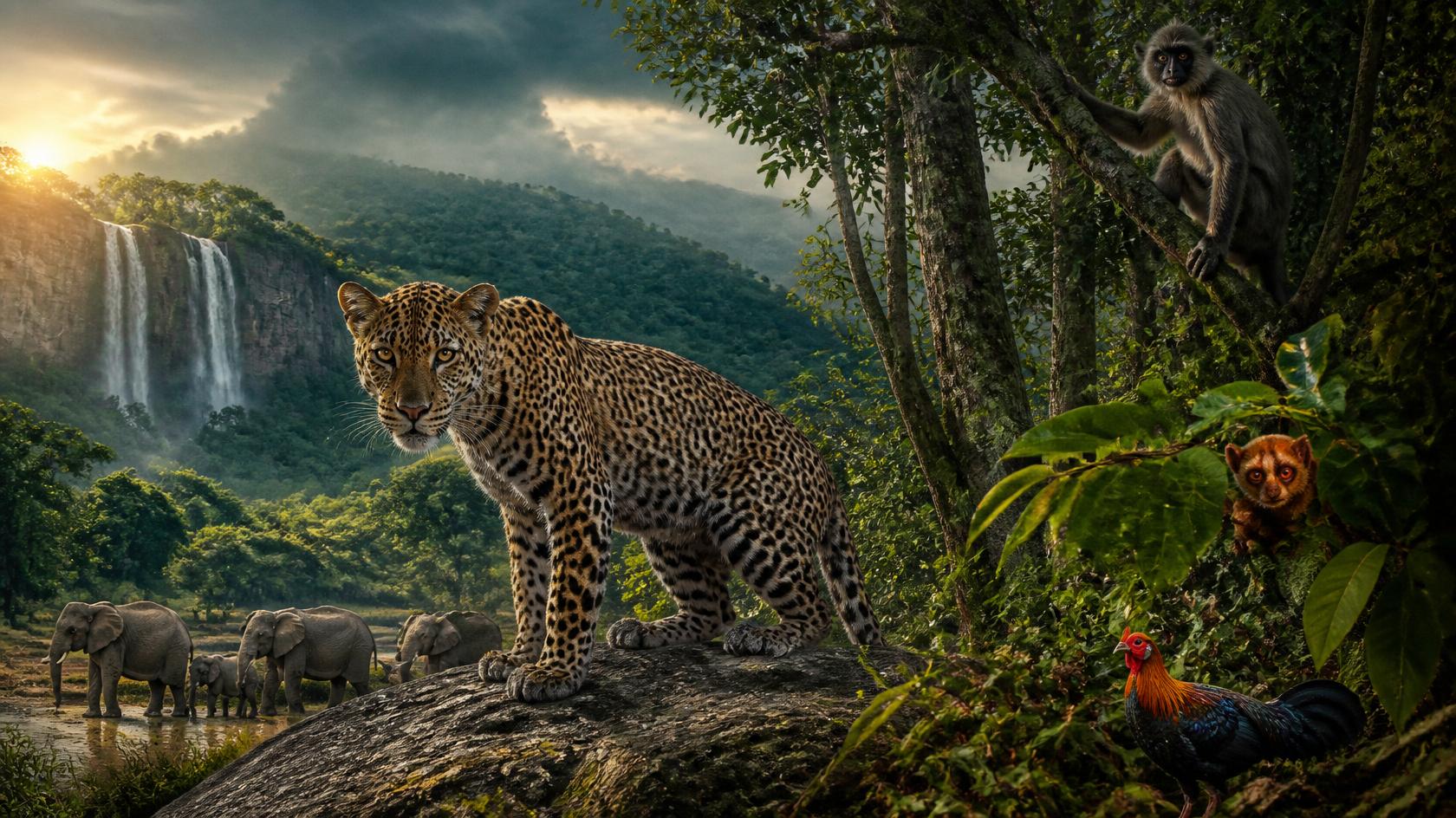
The Sri Lankan Leopard is perhaps the country's most iconic wild animal. Found exclusively in Sri Lanka, it is one of the largest leopard subspecies in the world. Unlike leopards found elsewhere in Asia, the Sri Lankan Leopard occupies a position at the top of the food chain without competition from tigers or lions.
These magnificent predators inhabit national parks and forest reserves across the island. Their golden coats adorned with distinctive rosette patterns make them highly sought after by wildlife photographers. However, habitat fragmentation, illegal hunting, and accidental deaths pose serious threats to their survival.
Conservation efforts have become increasingly important to ensure that future generations continue to witness these extraordinary animals in their natural habitats.
The Sri Lankan Elephant
The Sri Lankan Elephant is the largest of the Asian elephant subspecies and serves as a national treasure. Revered throughout the country's cultural and religious traditions, these gentle giants have shared Sri Lanka's landscapes with humans for thousands of years.
Despite their cultural significance, wild elephant populations face significant challenges. Human-elephant conflict remains one of the country's most pressing wildlife conservation issues. Expanding human settlements and agricultural activities have reduced traditional elephant migration routes and feeding grounds.
Protected areas and wildlife corridors play an essential role in safeguarding elephant populations while promoting peaceful coexistence between humans and wildlife.
The Purple-faced Langur
The Purple-faced Langur is among Sri Lanka's most endangered endemic primates. Known for its striking facial features and beautiful dark fur, this arboreal monkey spends most of its life high within the forest canopy.
Rapid urbanization and forest loss have severely impacted Purple-faced Langur populations, particularly in the country's wet-zone forests. Conservationists consider this species one of the world's most threatened primates.
Protecting remaining forest habitats is essential for ensuring the survival of this unique and fascinating animal.
The Red Slender Loris
Few visitors to Sri Lanka have the privilege of encountering the elusive Red Slender Loris. This tiny nocturnal primate possesses enormous eyes adapted for navigating forests under the cover of darkness.
Found primarily within Sri Lanka's rainforests, the Red Slender Loris feeds on insects, small reptiles, and fruits. Unfortunately, habitat destruction has significantly reduced its population over recent decades.
Because of its secretive nature and specialized habitat requirements, scientific research remains vital for understanding and conserving this extraordinary species.
The Sri Lankan Junglefowl
The Sri Lankan Junglefowl holds special significance as the country's national bird. Distinguished by its vibrant plumage and distinctive calls, this endemic species inhabits forests throughout Sri Lanka.
Although relatively widespread compared to some endangered species, habitat degradation continues to present conservation challenges. Protecting forest ecosystems benefits not only the Junglefowl but also countless other species sharing similar habitats.
Rare Marine Wildlife of Sri Lanka
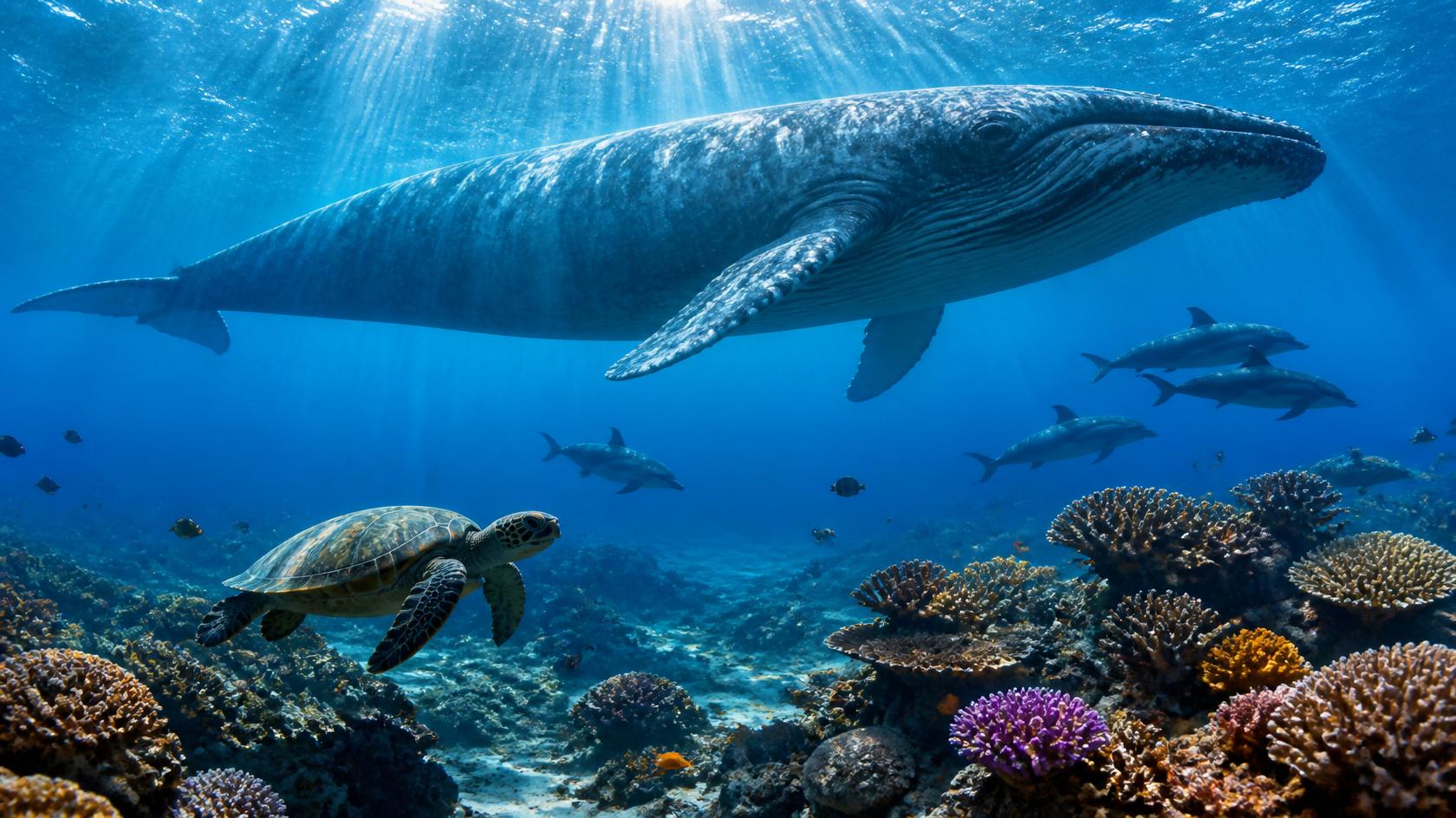
Sri Lanka's biodiversity extends far beyond its forests. The surrounding Indian Ocean supports extraordinary marine life, including Blue Whales, Sperm Whales, Sea Turtles, and numerous dolphin species.
Sri Lanka is recognized as one of the world's best destinations for observing Blue Whales close to shore. These magnificent creatures represent the largest animals ever known to exist on Earth.
Marine conservation initiatives aimed at reducing plastic pollution and promoting sustainable fishing practices contribute significantly to preserving these remarkable ocean ecosystems.
Threats Facing Rare Animals in Sri Lanka
Several challenges continue to threaten Sri Lanka's wildlife populations:
Habitat destruction and deforestation.
Human-wildlife conflicts.
Illegal wildlife trade and poaching.
Climate change and changing ecosystems.
Environmental pollution.
Unsustainable land-use practices.
Increasing urbanization and infrastructure development.
Without effective conservation strategies, many species face an uncertain future.
Conservation Efforts in Sri Lanka
Government institutions, conservation organizations, researchers, and local communities collaborate extensively to protect Sri Lanka's wildlife. Protected areas, national parks, wildlife sanctuaries, and environmental education programs have contributed significantly to conservation achievements.
Wildlife tourism has also created economic incentives for preserving biodiversity while supporting local livelihoods. Responsible tourism practices encourage sustainable conservation efforts across the country.
Scientific research continues to provide valuable insights into species behavior, habitat requirements, and emerging environmental challenges.
How You Can Help
Every individual can contribute to wildlife conservation by:
Supporting sustainable tourism.
Avoiding products derived from endangered wildlife.
Participating in environmental awareness programs.
Supporting conservation organizations.
Promoting responsible waste management.
Protecting natural habitats whenever possible.
Educating future generations about biodiversity conservation.
Small actions collectively create meaningful environmental impacts.
Conclusion
Sri Lanka's rare animals represent an irreplaceable component of the island's natural heritage. From the majestic Sri Lankan Leopard and Elephant to the elusive Red Slender Loris and Purple-faced Langur, these extraordinary species contribute immeasurably to the country's ecological richness and global significance.
Protecting Sri Lanka's wildlife requires continuous commitment, scientific research, sustainable development, and public participation. Conservation is not merely about saving animals—it is about preserving the delicate balance between nature and humanity. By safeguarding these remarkable creatures today, we ensure that future generations inherit a thriving and biodiverse Sri Lanka tomorrow.
Additional Media