

Sponsored
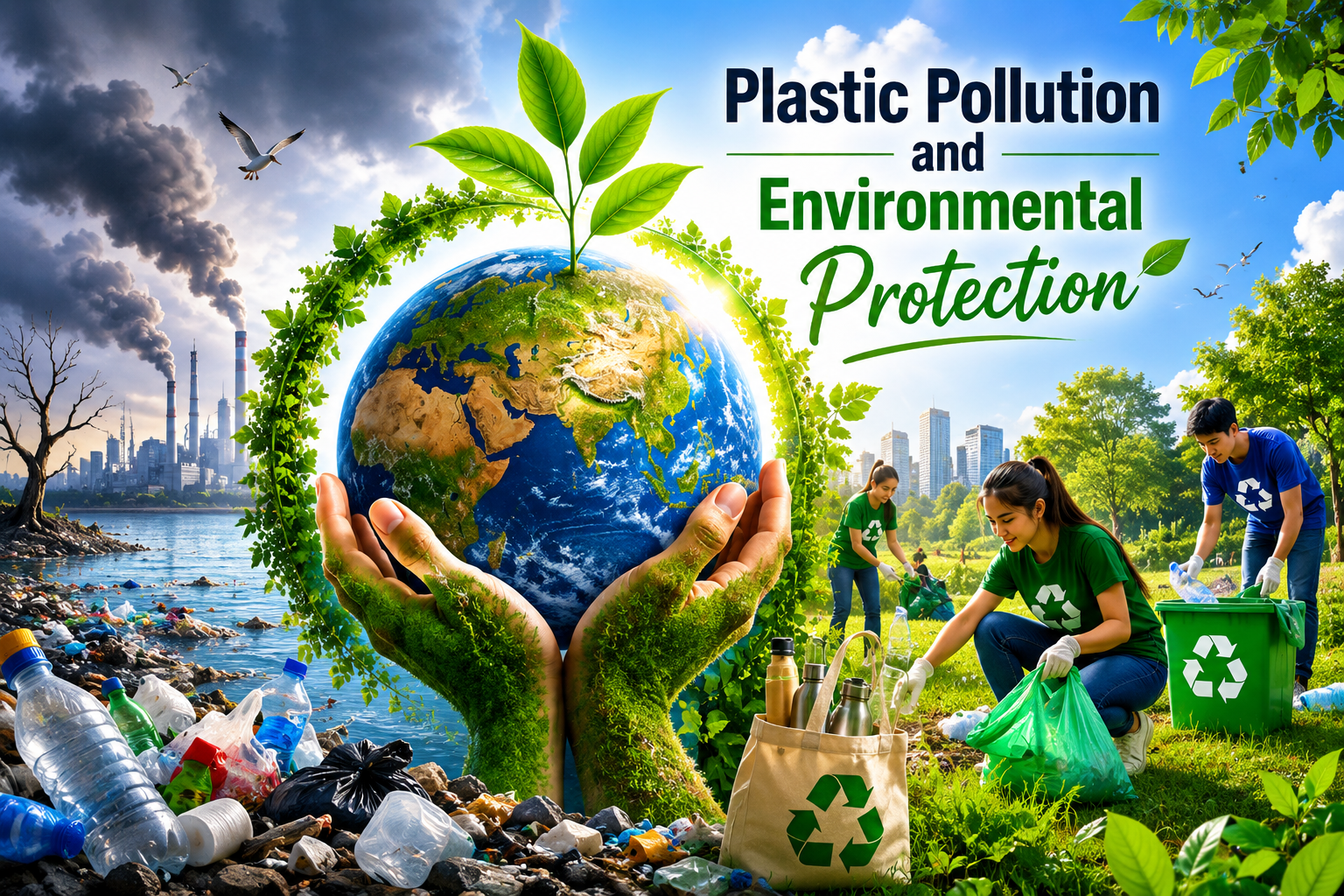
Plastic pollution has become one of the most serious environmental challenges facing the world today. Plastic products are widely used because they are inexpensive, lightweight, and durable. However, these same qualities make plastic waste difficult to break down, causing long-term damage to ecosystems and living organisms. As plastic consumption continues to increase, the need for environmental protection has become more urgent than ever.
Every year, millions of tons of plastic waste are generated worldwide. A significant portion of this waste ends up in rivers, lakes, oceans, and natural landscapes. Unlike organic materials, plastic can take hundreds of years to decompose. During this time, it breaks into smaller pieces known as microplastics, which contaminate soil, water, and even the food chain. Marine animals often mistake plastic for food, leading to injury, starvation, or death. Sea turtles, fish, seabirds, and many other species are severely affected by plastic pollution.
Plastic pollution also has harmful effects on human health. Microplastics have been found in drinking water, seafood, and even the air we breathe. Scientists are still studying the long-term health impacts, but there is growing concern that plastic particles and the chemicals they contain may contribute to various health problems. In addition, burning plastic waste releases toxic gases into the atmosphere, causing air pollution and increasing environmental risks.
Environmental protection requires collective action from governments, businesses, communities, and individuals. One of the most effective ways to reduce plastic pollution is to minimize the use of single-use plastics such as plastic bags, straws, bottles, and packaging materials. Reusable alternatives made from cloth, glass, metal, or biodegradable materials can significantly reduce waste generation.
Recycling also plays an important role in managing plastic waste. Proper waste segregation at the household level helps ensure that recyclable materials are processed efficiently. Governments can support recycling efforts by improving waste management systems, investing in recycling facilities, and implementing policies that encourage sustainable practices. Many countries have introduced bans or restrictions on certain plastic products to reduce environmental damage.
Education and public awareness are equally important in protecting the environment. Schools, organizations, and media campaigns can help people understand the consequences of plastic pollution and encourage environmentally responsible behavior. Community clean-up programs, tree-planting initiatives, and environmental conservation projects provide opportunities for citizens to actively contribute to a cleaner and healthier environment.
Technological innovation is also helping address the problem. Researchers are developing biodegradable plastics, advanced recycling methods, and eco-friendly packaging solutions that reduce dependence on traditional plastics. Businesses can support these efforts by adopting sustainable production methods and reducing unnecessary packaging.
plastic pollution is a global environmental issue that threatens ecosystems, wildlife, and human health. Addressing this challenge requires commitment, awareness, and action at every level of society. By reducing plastic consumption, promoting recycling, supporting sustainable alternatives, and protecting natural resources, we can create a cleaner environment for present and future generations. Environmental protection is not only a responsibility but also an investment in a healthier and more sustainable world.