
Sponsored
Pigeon Island National Park: Sri Lanka’s Marine Paradise
Rakshika Rathnayake8/3/20265 min read
Share:Facebook
Introduction
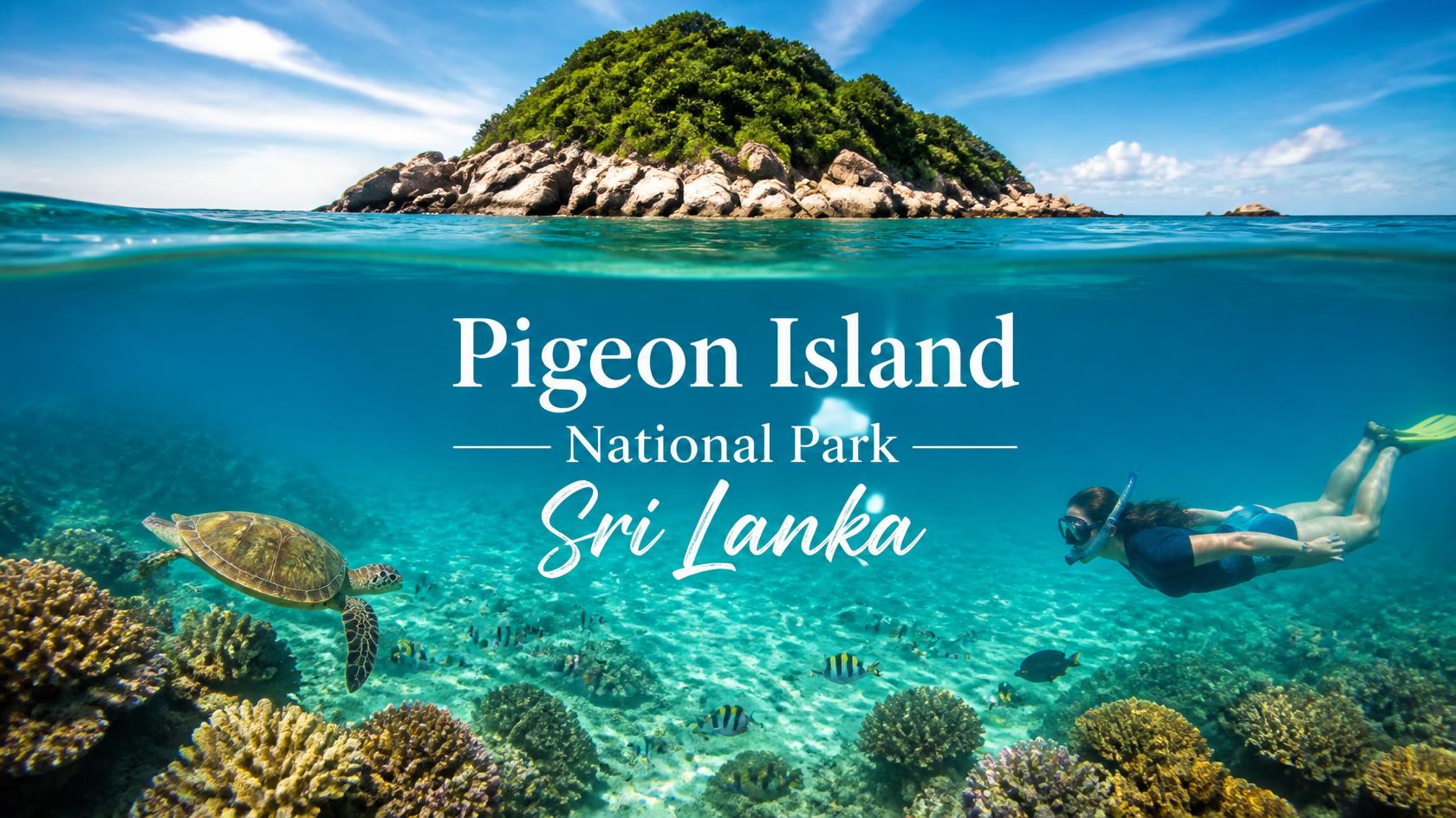
Nestled off the northeastern coast of Sri Lanka, Pigeon Island National Park is one of the country's most spectacular marine protected areas. Famous for its crystal-clear turquoise waters, vibrant coral reefs, diverse marine life, and unforgettable snorkeling experiences, this tropical island has become a must-visit destination for nature lovers, underwater explorers, and eco-tourists.
Located just one kilometer off the coast of Nilaveli in the Trincomalee District, Pigeon Island National Park is home to one of Sri Lanka's best-preserved coral reef ecosystems. Unlike many terrestrial national parks that focus on forests and wildlife, Pigeon Island offers visitors a unique opportunity to discover an underwater world filled with colorful fish, sea turtles, reef sharks, and countless coral species.
Declared a national park in 2003, the island plays a vital role in protecting Sri Lanka's marine biodiversity while promoting sustainable tourism. Today, it stands as a symbol of the country's commitment to conserving its coastal ecosystems for future generations.
Location and Geographic Importance
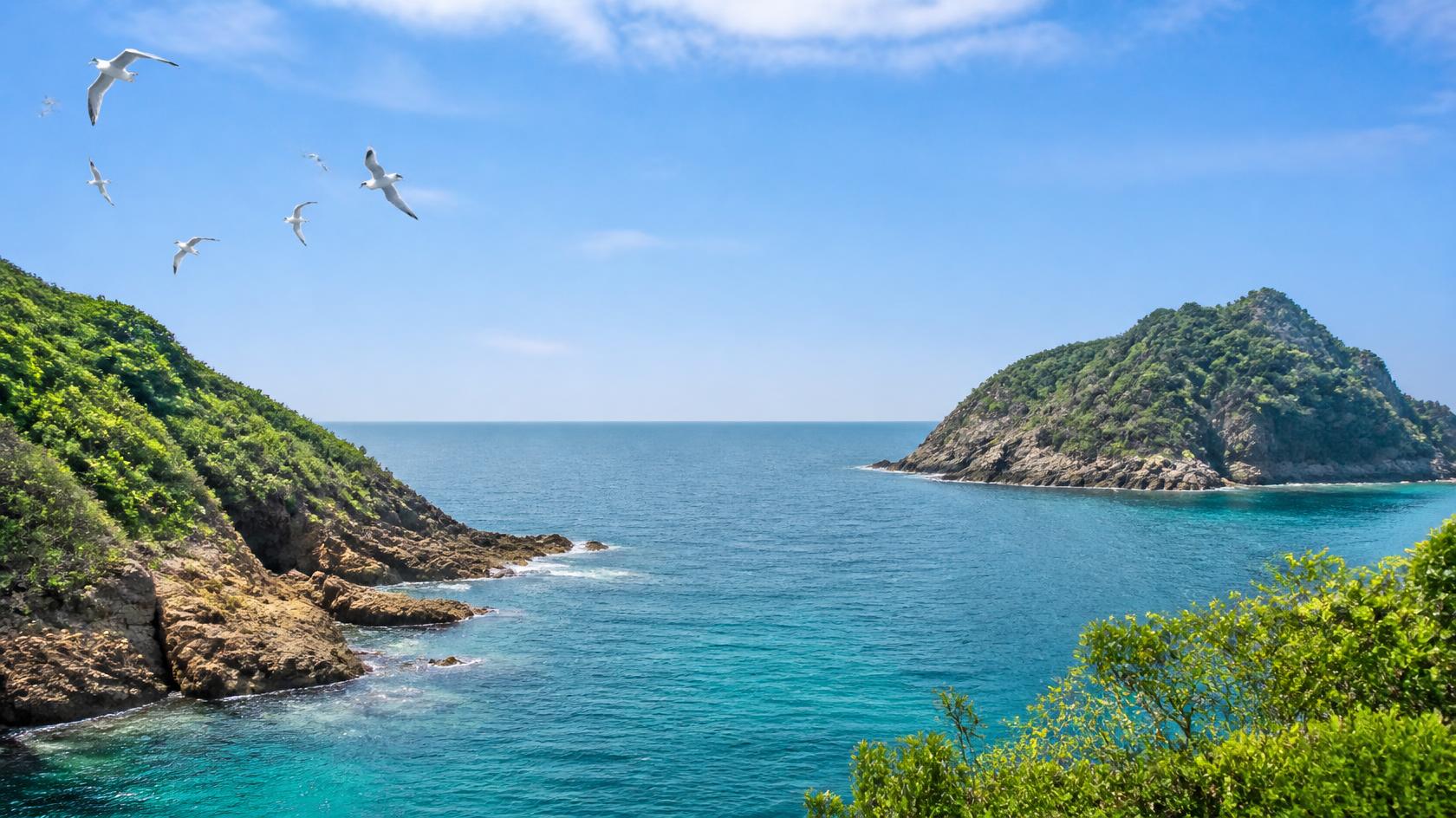
Pigeon Island National Park lies in the Indian Ocean, approximately one kilometer from Nilaveli Beach in the Trincomalee District of Sri Lanka's Eastern Province.
The park consists of Large Pigeon Island and Small Pigeon Island, surrounded by shallow coral reefs and warm tropical waters.
Its strategic location within Sri Lanka's northeastern marine ecosystem makes it one of the country's richest biodiversity hotspots.
The area experiences relatively calm seas between April and September, making this the ideal season for snorkeling, diving, and marine observation.
Because of its coral reefs, seagrass beds, and clear waters, the park provides an essential habitat for hundreds of marine species.
History of Pigeon Island
The island received its name because thousands of Rock Pigeons once used the rocky cliffs as nesting sites.
During the colonial period, the island was occasionally used as a military observation point due to its strategic location near Trincomalee Harbour.
Recognizing the ecological importance of the coral reef ecosystem, Sri Lanka first declared the area a sanctuary in 1963.
Later, in 2003, it was officially upgraded to Pigeon Island National Park, becoming one of Sri Lanka's two marine national parks.
This change provided stronger legal protection for its coral reefs and marine wildlife.
Coral Reefs: The Heart of the National Park
The coral reefs surrounding Pigeon Island are considered among the healthiest and most diverse in Sri Lanka.
More than 100 coral species have been recorded, forming colorful underwater gardens that support thousands of marine organisms.
The reefs include:
Branching corals
Brain corals
Table corals
Massive boulder corals
Soft corals
These coral ecosystems perform several important ecological functions.
They:
Provide shelter for fish
Protect coastlines from wave erosion
Support marine food chains
Maintain biodiversity
Healthy coral reefs also contribute significantly to Sri Lanka's tourism industry.
Rich Marine Biodiversity
One of the greatest attractions of Pigeon Island National Park is its extraordinary marine biodiversity.
Colorful Reef Fish
The coral reefs are home to hundreds of tropical fish species, including:
Butterflyfish
Angelfish
Parrotfish
Clownfish
Surgeonfish
Triggerfish
Their brilliant colors create a spectacular underwater landscape for snorkelers and divers.
Sea Turtles
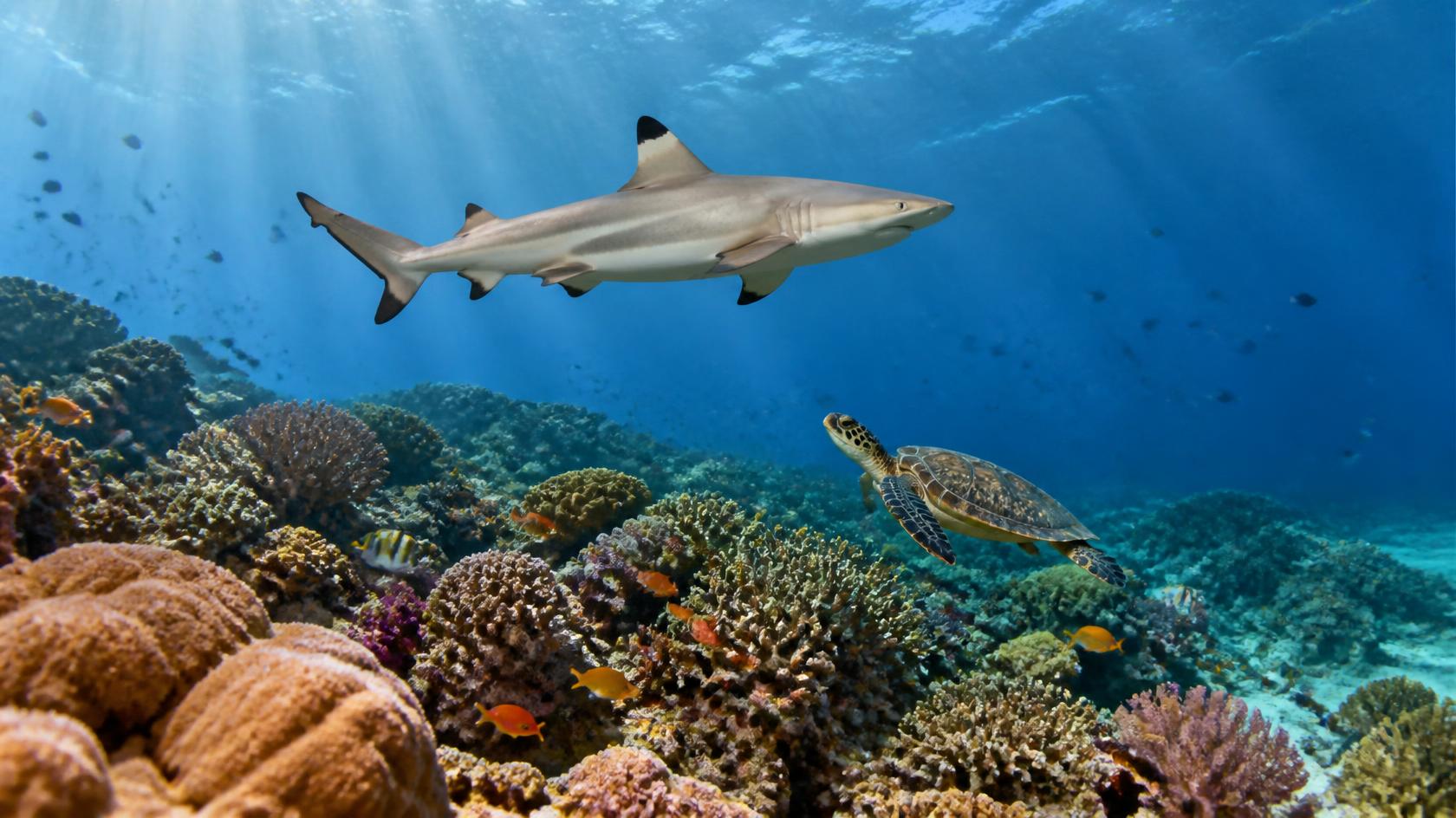
Several species of sea turtles regularly visit the reefs.
Visitors often encounter:
Green Sea Turtle
Hawksbill Turtle
Olive Ridley Turtle
These gentle marine reptiles feed on seagrass and algae while contributing to healthy marine ecosystems.
Blacktip Reef Sharks
One of the park's most exciting attractions is the Blacktip Reef Shark.
These sharks are generally shy and harmless to humans.
Observing them swimming gracefully through the shallow reef is an unforgettable experience for visitors.
Other Marine Creatures
The park also supports numerous other marine animals, including:
Giant clams
Sea cucumbers
Starfish
Sea urchins
Moray eels
Octopuses
Reef crabs
Each species plays an important role in maintaining ecological balance.
Birdlife of Pigeon Island
Although primarily known for marine biodiversity, the island also supports several bird species.
Rock pigeons continue to inhabit the rocky cliffs.
Other birds commonly observed include:
White-bellied Sea Eagle
Little Egret
Great Egret
Terns
Kingfishers
The island serves as a resting point for both resident and migratory birds.
Snorkeling and Diving Paradise
Pigeon Island is widely regarded as the best snorkeling destination in Sri Lanka.
Unlike deep-sea diving locations, many coral reefs are located just a few meters from the beach, making them easily accessible.
Visitors can enjoy:
Snorkeling
Scuba diving
Underwater photography
Marine wildlife observation
Swimming
The crystal-clear water provides excellent underwater visibility throughout much of the year.
Professional diving centers in Nilaveli provide equipment and guided tours for beginners and experienced divers alike.
Environmental Importance
Pigeon Island National Park contributes significantly to Sri Lanka's marine conservation.
Protecting Coral Reefs
The reefs act as natural barriers against coastal erosion while supporting marine biodiversity.
Supporting Fisheries
Healthy coral ecosystems provide breeding grounds for many commercially important fish species.
Climate Change Mitigation
Marine ecosystems such as coral reefs and seagrass beds store carbon and support ocean health.
Marine Research
Scientists regularly conduct biodiversity studies, coral monitoring, and conservation research within the park.
Tourism and Local Economy
Eco-tourism at Pigeon Island provides income for many local communities.
Businesses benefiting from tourism include:
Boat operators
Snorkeling guides
Diving schools
Hotels
Restaurants
Souvenir shops
Responsible tourism has created employment while encouraging conservation.
Threats Facing Pigeon Island
Despite its protected status, the park faces several environmental challenges.
Coral Bleaching
Rising ocean temperatures caused by climate change threaten coral survival.
Plastic Pollution
Marine plastic waste can damage coral reefs and endanger marine animals.
Unsustainable Tourism
Touching corals, feeding fish, and careless snorkeling practices may harm fragile ecosystems.
Illegal Fishing
Fishing activities within protected zones threaten biodiversity.
Conservation Efforts
Sri Lanka's Department of Wildlife Conservation works together with environmental organizations to protect Pigeon Island.
Important conservation activities include:
Coral reef monitoring
Visitor management
Marine biodiversity research
Environmental education
Waste management
Sustainable tourism programs
Tourists are encouraged to follow park regulations to minimize environmental impact.
Visitor Guidelines
Visitors can help protect the park by following simple rules:
Do not touch or stand on corals.
Never feed marine animals.
Avoid collecting shells or coral pieces.
Dispose of waste responsibly.
Use reef-safe sunscreen whenever possible.
Respect wildlife and maintain safe distances.
Responsible behavior ensures future generations can continue enjoying this marine paradise.
Best Time to Visit
The ideal season to visit Pigeon Island National Park is between April and September.
During these months:
Sea conditions are calm.
Water visibility is excellent.
Snorkeling conditions are ideal.
Marine life is more easily observed.
Early mornings often provide the clearest water and the best wildlife encounters.
Conclusion
Pigeon Island National Park is far more than a beautiful tropical island—it is one of Sri Lanka's most valuable marine ecosystems. Its colorful coral reefs, crystal-clear waters, endangered sea turtles, reef sharks, and extraordinary biodiversity make it a true marine paradise.
As climate change and human activities continue to threaten marine environments worldwide, protecting places like Pigeon Island has become increasingly important.
Through responsible tourism, scientific conservation, and public awareness, Sri Lanka can preserve this underwater treasure for generations to come.
Pigeon Island National Park reminds us that some of the world's greatest natural wonders lie beneath the ocean's surface, waiting to be explored, respected, and protected.
Additional Media