Introduction
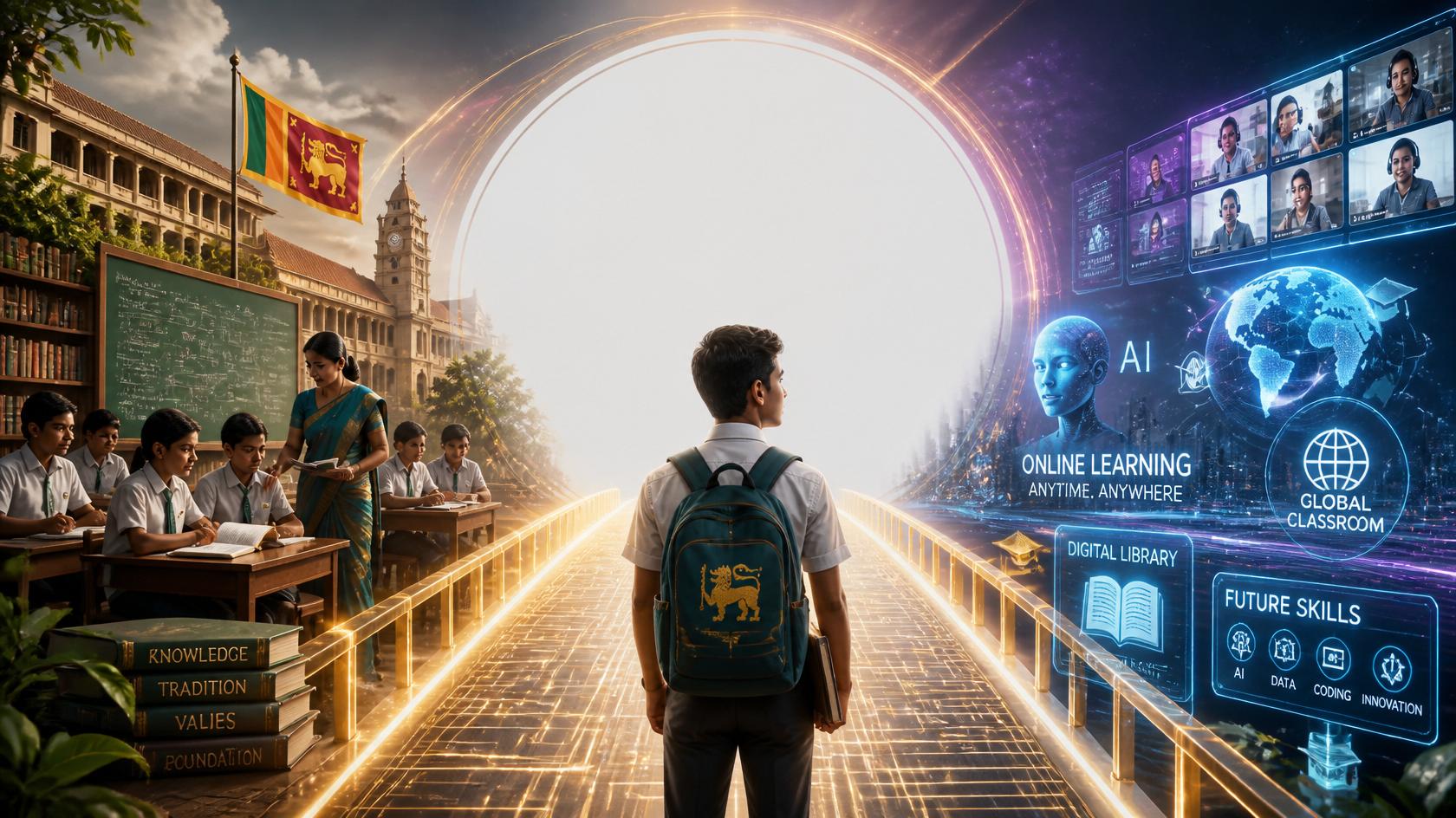
The rapid advancement of digital technology has transformed many aspects of human life, including education. Traditional classroom-based learning, which has been the dominant educational method for centuries, is now complemented by digital learning platforms that allow students to access knowledge anytime and anywhere. Online learning has become one of the most significant developments in modern education, providing new opportunities for students, teachers, and educational institutions around the world.
Online learning refers to the process of acquiring knowledge and skills through digital platforms using computers, tablets, smartphones, and internet-based technologies. It includes virtual classrooms, online courses, video lectures, digital libraries, educational applications, and interactive learning platforms.
In Sri Lanka, online learning gained significant attention during the COVID-19 pandemic when schools, universities, and training institutions were forced to shift from physical classrooms to online education systems. Although this transition created several challenges, it also demonstrated the potential of digital education in improving accessibility and flexibility.
Online learning provides opportunities for students in remote areas, working individuals, and lifelong learners to continue their education without geographical limitations. However, it also presents challenges related to technology access, digital skills, student engagement, and educational quality.
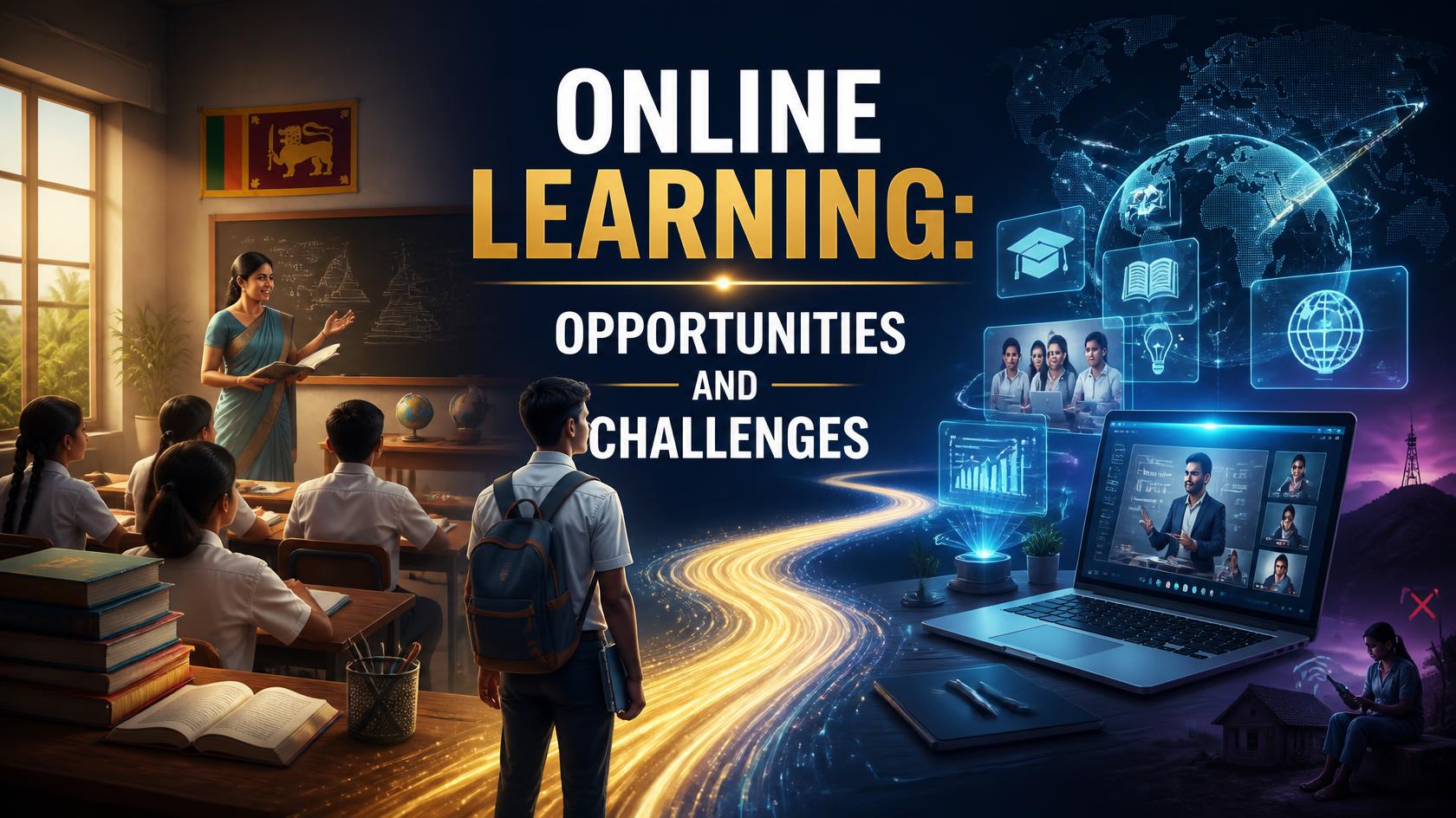
This article explores the opportunities and challenges of online learning while examining its impact on students, teachers, and the future of education.
Understanding Online Learning
Online learning is an educational approach where teaching and learning activities are conducted through internet-based platforms. Unlike traditional classroom education, online learning does not always require students and teachers to be physically present in the same location.
There are several types of online learning methods, including:
1. Synchronous Learning
Synchronous learning occurs when teachers and students participate in online classes at the same time. Platforms such as video conferencing tools allow real-time interaction, discussions, and immediate feedback.
Examples include:
Live online lectures
Virtual classrooms
Online group discussions
Real-time examinations
2. Asynchronous Learning
Asynchronous learning allows students to access educational materials at their own convenience. Students can watch recorded lectures, read digital materials, and complete assignments according to their own schedules.
Examples include:
Recorded video lessons
Online courses
Digital textbooks
Learning management systems
3. Blended Learning
Blended learning combines traditional classroom teaching with online education. This method provides students with both face-to-face interaction and digital learning opportunities.
Growth of Online Learning in Sri Lanka
Sri Lanka has experienced significant growth in online education due to increasing internet availability, smartphone usage, and digital platforms.
The COVID-19 pandemic accelerated the adoption of online learning as educational institutions had to find alternative methods to continue teaching during school closures.
Students began using:
Video conferencing platforms
Learning management systems
Educational websites
Online discussion groups
Digital learning applications
Universities, schools, and private education institutions increasingly incorporated digital technologies into their teaching methods.
Although online learning was initially introduced as a temporary solution, it has become an important component of modern education in Sri Lanka.
Opportunities Provided by Online Learning
1. Increased Access to Education
One of the greatest advantages of online learning is improved access to education.
Students living in rural or remote areas can access courses and learning materials without travelling long distances. This reduces geographical barriers and creates equal educational opportunities.
For example, a student living far away from major cities can participate in online courses offered by universities or international educational institutions.
Online learning also benefits individuals who cannot attend traditional classes due to:
Employment responsibilities
Family commitments
Physical limitations
Distance-related difficulties
2. Flexible Learning Opportunities
Online learning provides flexibility that traditional education often cannot offer.
Students can choose:
When to study
Where to study
How quickly to complete lessons
This flexibility is especially valuable for working professionals and adult learners who want to improve their skills while managing other responsibilities.
Students can review recorded lessons multiple times, allowing them to understand difficult concepts more effectively.
3. Access to Global Knowledge
Online learning connects students with educational resources from around the world.
Through digital platforms, learners can access:
International courses
Expert lectures
Research materials
Digital libraries
Global learning communities
This allows students to gain knowledge beyond the limitations of local educational systems.
A student in Sri Lanka can learn from international universities and experts without physically travelling abroad.
4. Development of Digital Skills
Online learning helps students develop important digital skills required in the modern workplace.
Students learn how to:
Use digital tools
Communicate online
Search for information effectively
Manage digital resources
Participate in virtual collaboration
These skills are essential in an increasingly technology-driven economy.
5. Cost-Effective Education
Online learning can reduce certain educational expenses.
Students may save money on:
Transportation
Accommodation
Printed materials
Physical classroom resources
Many online courses are also available at lower costs compared to traditional educational programs.
6. Personalized Learning Experience
Online learning allows students to learn according to their individual needs and abilities.
Digital platforms can provide:
Customized learning materials
Progress tracking
Interactive exercises
Immediate feedback
Students who need additional time to understand lessons can learn at their own pace without pressure.
7. Continuous Learning and Career Development
Online learning supports lifelong education.
People can develop new skills throughout their careers by participating in online courses related to:
Information technology
Business management
Languages
Professional skills
Entrepreneurship
This helps individuals remain competitive in changing job markets.
Challenges of Online Learning
1. Digital Divide and Internet Accessibility
One of the major challenges of online learning is unequal access to technology.
Not all students have:
Reliable internet connections
Computers or smartphones
Sufficient digital resources
In Sri Lanka, students from rural and low-income communities often face difficulties accessing online education due to limited internet facilities and economic challenges.
This digital divide can increase educational inequality.
2. Technical Problems
Online learning depends heavily on technology.
Students and teachers may experience problems such as:
Poor internet connections
Device failures
Software difficulties
Technical errors
These issues can interrupt lessons and reduce learning effectiveness.
3. Lack of Digital Literacy
Effective online learning requires digital knowledge.
Some students and teachers may struggle with:
Using online platforms
Uploading assignments
Managing digital tools
Participating in virtual classrooms
Without proper digital training, users may find online learning difficult.
4. Reduced Social Interaction
Traditional classrooms provide opportunities for students to interact directly with teachers and classmates.
Online learning may reduce:
Face-to-face communication
Group activities
Social development
Classroom experiences
Students may feel isolated because they lack physical interaction with peers.
5. Student Motivation and Self-Discipline
Online learning requires students to manage their own time and maintain motivation.
Some students may experience difficulties with:
Concentration
Time management
Completing assignments
Avoiding distractions
Without regular supervision, students may lose interest or fail to complete courses successfully.
6. Quality of Education Concerns
The effectiveness of online learning depends on the quality of teaching methods and digital resources.
Challenges include:
Lack of interactive lessons
Limited practical activities
Poorly designed online materials
Reduced teacher-student engagement
Simply transferring traditional lectures into online formats does not always create effective digital education.
7. Increased Screen Time and Health Issues
Online learning requires extended use of digital devices.
Long periods of screen exposure may cause:
Eye strain
Headaches
Reduced physical activity
Sleep problems
Digital fatigue
Students need proper balance between online education and physical activities.
Role of Teachers in Successful Online Learning
Teachers play a crucial role in making online education effective.
They need to develop skills in:
Digital teaching methods
Online communication
Creating interactive content
Supporting student engagement
Teachers should use creative approaches such as:
Virtual discussions
Online quizzes
Multimedia resources
Collaborative activities
Effective online teaching requires more than technical knowledge; it requires understanding students' learning needs.
Role of Students in Online Learning
Students also have responsibilities in achieving success through online education.
They should:
Develop self-discipline
Manage time effectively
Participate actively
Avoid unnecessary distractions
Maintain regular study habits
Successful online learners need independence and motivation.
Future of Online Learning
The future of education will likely involve a combination of traditional and digital learning methods.
Technologies such as:
Artificial intelligence
Virtual reality
Learning analytics
Interactive educational platforms
will continue to transform education.
Online learning will not completely replace traditional classrooms, but it will become an important part of modern education systems.
A blended learning approach that combines physical interaction with digital resources may provide the most effective educational experience.
Improving Online Learning in Sri Lanka
To strengthen online education in Sri Lanka, several improvements are necessary.
Expanding Digital Infrastructure
The government and private sector should improve:
Internet coverage
Affordable data services
Digital devices availability
This will help reduce inequalities in access.
Providing Digital Training
Students and teachers should receive training in:
Digital literacy
Online safety
Effective technology use
Developing Quality Educational Content
Educational institutions should create:
Local language learning materials
Interactive lessons
Practical digital resources
Supporting Disadvantaged Students
Special programs should be introduced to support students who lack access to digital technologies.
Conclusion
Online learning has become a powerful transformation in the field of education. It provides numerous opportunities, including greater access, flexibility, global knowledge sharing, skill development, and lifelong learning opportunities.
However, online education also faces significant challenges, including digital inequality, technical issues, reduced social interaction, motivation problems, and concerns about educational quality.
The success of online learning depends on creating a balanced approach that combines technology with effective teaching methods and student support. Governments, educational institutions, teachers, parents, and students must work together to maximize the benefits of digital education.
Technology should be viewed not as a replacement for human interaction in education, but as a tool that enhances learning opportunities. By addressing existing challenges and promoting responsible digital education, Sri Lanka and other countries can build a more inclusive, flexible, and future-ready education system.
Additional Media