Koneswaram Temple, Trincomalee: History, Legends and Heritage
Rakshika Rathnayake8/7/20265 min read
Share:Facebook

Introduction
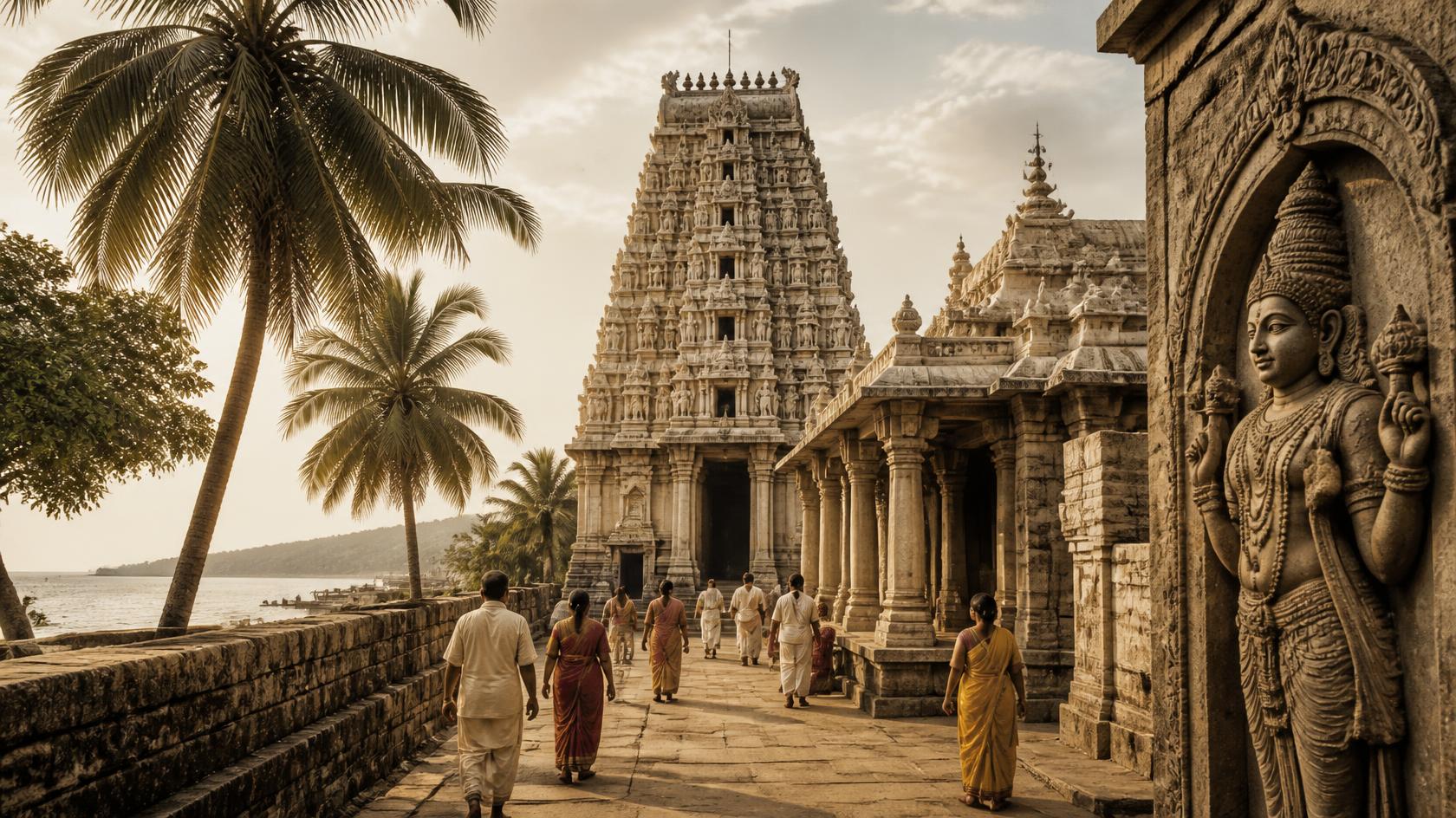
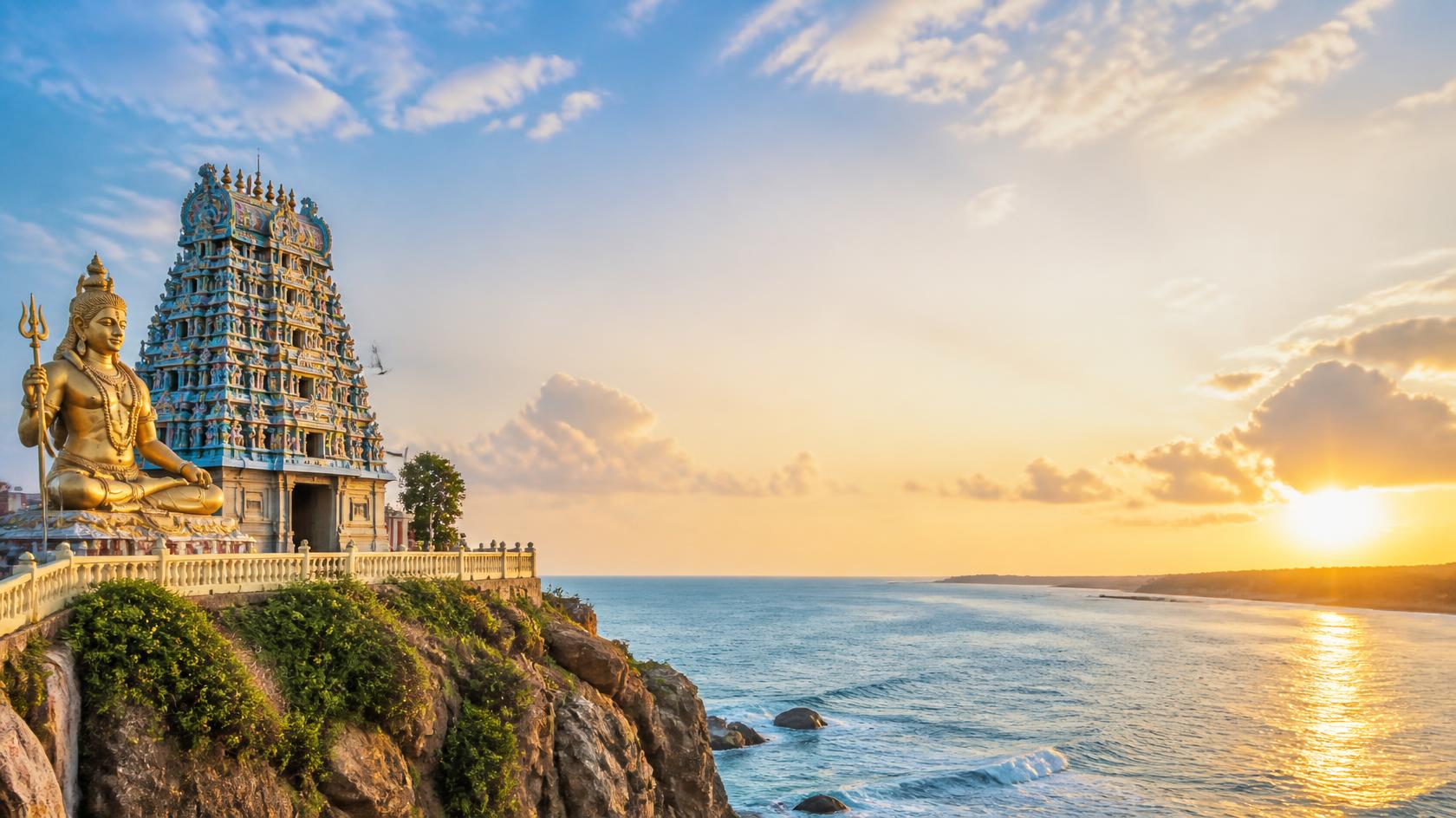
Perched dramatically on the edge of Swami Rock overlooking the turquoise waters of the Indian Ocean, Koneswaram Temple in Trincomalee is one of Sri Lanka's most treasured Hindu shrines. Revered by devotees as the "Temple of a Thousand Pillars," Koneswaram has stood for centuries as a symbol of faith, culture, resilience, and architectural brilliance. The temple is dedicated to Lord Shiva, worshipped here as Konesar or Koneswarar, and attracts thousands of pilgrims and tourists every year from Sri Lanka and around the world.
Koneswaram Temple is more than a place of worship. It represents a living heritage that combines history, mythology, spirituality, and the multicultural identity of Sri Lanka's Eastern Province. Despite facing destruction during the colonial era, the temple has risen again through the devotion of generations, preserving its sacred traditions while continuing to inspire visitors with its breathtaking location and religious significance.
This article explores the fascinating history, legendary stories, architectural beauty, cultural importance, and heritage value of Koneswaram Temple.
The Historical Background of Koneswaram Temple
The origins of Koneswaram Temple stretch back over two thousand years. Although the exact date of its establishment remains uncertain, historians believe that the temple existed long before the Common Era. Ancient Tamil literature, inscriptions, and historical chronicles mention Koneswaram as one of the most sacred Shiva temples in the Indian Ocean region.
The temple flourished during the reigns of South Indian Chola, Pandya, and Pallava kings, who contributed generously to its maintenance and expansion. Sri Lankan rulers also supported the temple, recognizing its religious importance and its influence on trade and culture.
Trincomalee itself was one of the finest natural harbors in the world, attracting merchants from India, Arabia, China, and Southeast Asia. These international trading connections helped transform Koneswaram into both a religious center and a meeting point of civilizations.
Historical accounts suggest that pilgrims traveled hundreds of kilometers to worship Lord Shiva at Koneswaram, making it one of the most important pilgrimage destinations in South Asia.
Swami Rock – The Sacred Cliff
One of the temple's most remarkable features is its location on Swami Rock, a massive cliff rising high above the Indian Ocean.
According to local tradition, Swami Rock has been considered sacred for thousands of years. The spectacular setting offers breathtaking panoramic views of Trincomalee Bay, making it one of the most scenic religious sites in Sri Lanka.
Visitors often describe standing at the temple as a spiritual experience, where the sound of crashing waves combines with temple bells and devotional chants to create a peaceful atmosphere unlike anywhere else.
The cliff also carries historical importance because many ancient temple structures once extended across the rock before being destroyed during the colonial period.
Legends Associated with Koneswaram
Koneswaram Temple is surrounded by fascinating legends that have been passed down through generations.
The Story of King Ravana
According to Hindu tradition and local folklore, King Ravana of the Ramayana was a devoted worshipper of Lord Shiva. It is believed that Ravana frequently visited Koneswaram Temple to perform prayers and meditation.
Some legends state that Ravana's mother was a devoted follower of Lord Shiva, and Ravana built or renovated parts of the temple to honor both his mother and the deity.
Although these stories belong to mythology rather than verified history, they remain deeply rooted in local culture and continue to attract devotees.
The Sacred Footprints
Another legend speaks of sacred footprints found near Swami Rock. Many believe these marks belong to Lord Shiva, while others associate them with ancient sages who meditated at the site.
These stories enhance the temple's spiritual significance and continue to inspire pilgrims.
Lover's Leap
Near the temple stands the famous cliff known as Lover's Leap.
According to local legend, a Dutch official's daughter threw herself into the sea after a tragic love story. Today, the location has become a popular viewpoint where visitors enjoy spectacular ocean scenery while learning about local folklore.
Portuguese Destruction of the Temple
One of the darkest chapters in Koneswaram's history occurred during Portuguese rule.
In 1624, Portuguese colonial forces demolished much of the original temple to weaken local religious influence and establish Christianity in the region.
Many priceless sculptures, pillars, and temple treasures were destroyed or thrown into the sea. Large stones from the temple were reportedly used in constructing nearby Fort Frederick.
The destruction represented a tremendous cultural loss, as the original Koneswaram Temple was considered one of the finest examples of Dravidian architecture in South Asia.
Rediscovery of Temple Treasures
Centuries later, divers exploring the waters below Swami Rock discovered numerous ancient statues, sculptures, and stone carvings resting beneath the sea.
Several remarkable bronze and stone statues believed to have belonged to the original temple were recovered during underwater archaeological expeditions.
These discoveries confirmed historical accounts describing how Portuguese soldiers threw temple artifacts into the ocean.
Many recovered relics are now preserved as valuable pieces of Sri Lanka's cultural heritage.
Reconstruction of Koneswaram Temple
Following centuries of destruction, Hindu communities gradually rebuilt the temple.
The present temple combines traditional Dravidian architectural elements with modern restoration work.
Although it cannot fully recreate the original thousand-pillared complex, today's Koneswaram Temple successfully preserves its sacred traditions and historical identity.
The reconstruction reflects the dedication of generations who refused to allow the temple's spiritual legacy to disappear.
Architectural Beauty
The temple displays many features typical of South Indian Hindu architecture.
Among its highlights are:
A beautifully decorated entrance gateway (Gopuram)
Intricately carved statues of Hindu deities
Colorful sculptures depicting scenes from Hindu mythology
Sacred shrines dedicated to Lord Shiva and other gods
Traditional stone pillars
Beautiful courtyards for devotees
Temple bells and ceremonial halls
The vibrant colors, detailed carvings, and artistic craftsmanship make the temple a masterpiece of religious architecture.
Religious Importance
Koneswaram is one of the five ancient Shiva temples associated with the Pancha Ishwarams of Sri Lanka.
For Hindus, worshipping Lord Shiva at Koneswaram is believed to bring spiritual blessings, prosperity, peace, and protection.
Daily rituals include:
Morning prayers
Abhishekam (holy bathing ceremony)
Flower offerings
Chanting of Vedic hymns
Evening worship
Special festival ceremonies
Priests perform rituals according to centuries-old Agamic traditions that continue uninterrupted today.
Major Festivals
The temple hosts several important annual festivals.
Maha Shivaratri
Thousands of devotees remain awake throughout the night offering prayers to Lord Shiva.
Special religious ceremonies, devotional songs, and continuous worship take place until sunrise.
Ther Festival
The annual chariot procession is one of the largest Hindu celebrations in Eastern Sri Lanka.
Decorated temple chariots carrying sacred idols travel through the streets accompanied by traditional music, dancers, and thousands of pilgrims.
Navaratri
Dedicated to Goddess Parvati, Navaratri brings colorful decorations, devotional singing, and cultural performances to the temple.
Cultural Heritage
Koneswaram Temple has influenced the cultural development of Trincomalee for centuries.
It has contributed to:
Preservation of Tamil religious traditions
Classical music and devotional singing
Temple dance traditions
Hindu education
Religious literature
Community festivals
Traditional arts and crafts
Even during periods of conflict, the temple remained a symbol of hope and cultural continuity.
Tourism Importance
Today, Koneswaram Temple ranks among Sri Lanka's leading cultural tourism attractions.
Visitors come not only for religious purposes but also to admire:
The spectacular ocean views
Historic Swami Rock
Ancient legends
Traditional architecture
Hindu ceremonies
Nearby Fort Frederick
Local wildlife, including spotted deer roaming freely around the fort
The combination of history, spirituality, and natural beauty creates a unique visitor experience.
Heritage Conservation
Protecting Koneswaram Temple is essential for future generations.
Conservation efforts focus on:
Preserving ancient sculptures
Maintaining temple structures
Protecting archaeological remains
Recording historical inscriptions
Promoting responsible tourism
Educating visitors about cultural heritage
Government agencies, religious organizations, historians, and local communities continue working together to safeguard this priceless monument.
Visiting Tips
Visitors planning a trip to Koneswaram Temple should keep several points in mind.
Dress modestly as a sign of respect for the sacred environment. Shoes must be removed before entering the temple premises.
Photography may be restricted inside certain shrine areas, so visitors should follow temple guidelines.
The early morning and late afternoon provide the most pleasant weather while also offering spectacular views over the Indian Ocean.
Combining a visit to Koneswaram Temple with nearby attractions such as Fort Frederick, Marble Beach, Nilaveli Beach, and Pigeon Island National Park creates an unforgettable experience in Trincomalee.
Why Koneswaram Matters Today
In modern Sri Lanka, Koneswaram Temple stands as a symbol of unity between history, religion, and cultural diversity.
Despite wars, colonial destruction, and natural challenges, the temple continues to thrive because of the unwavering faith of its devotees.
It serves as a reminder that heritage is not merely preserved in ancient stones but also in living traditions, festivals, stories, and communities.
For historians, archaeologists, pilgrims, photographers, and travelers alike, Koneswaram offers an extraordinary journey through time.
Conclusion
Koneswaram Temple in Trincomalee is one of Sri Lanka's most remarkable religious and historical landmarks. Its ancient origins, captivating legends, breathtaking location, and enduring spiritual significance make it an irreplaceable part of the island's cultural heritage.
From the mythical tales of King Ravana to the tragic destruction during Portuguese rule and the inspiring reconstruction by devoted communities, every chapter of Koneswaram's story reflects resilience and faith.
Today, the temple continues to welcome pilgrims and visitors from across the globe, offering not only a place of worship but also a deeper understanding of Sri Lanka's rich multicultural history. As one stands atop Swami Rock, gazing across the endless blue waters of the Indian Ocean, it becomes clear why Koneswaram Temple has remained a beacon of devotion and heritage for centuries.
Additional Media