
Sponsored
Knuckles Mountain Range: A Hidden Natural Treasure of Sri Lanka
Rakshika Rathnayake8/3/20265 min read
Share:Facebook

Introduction
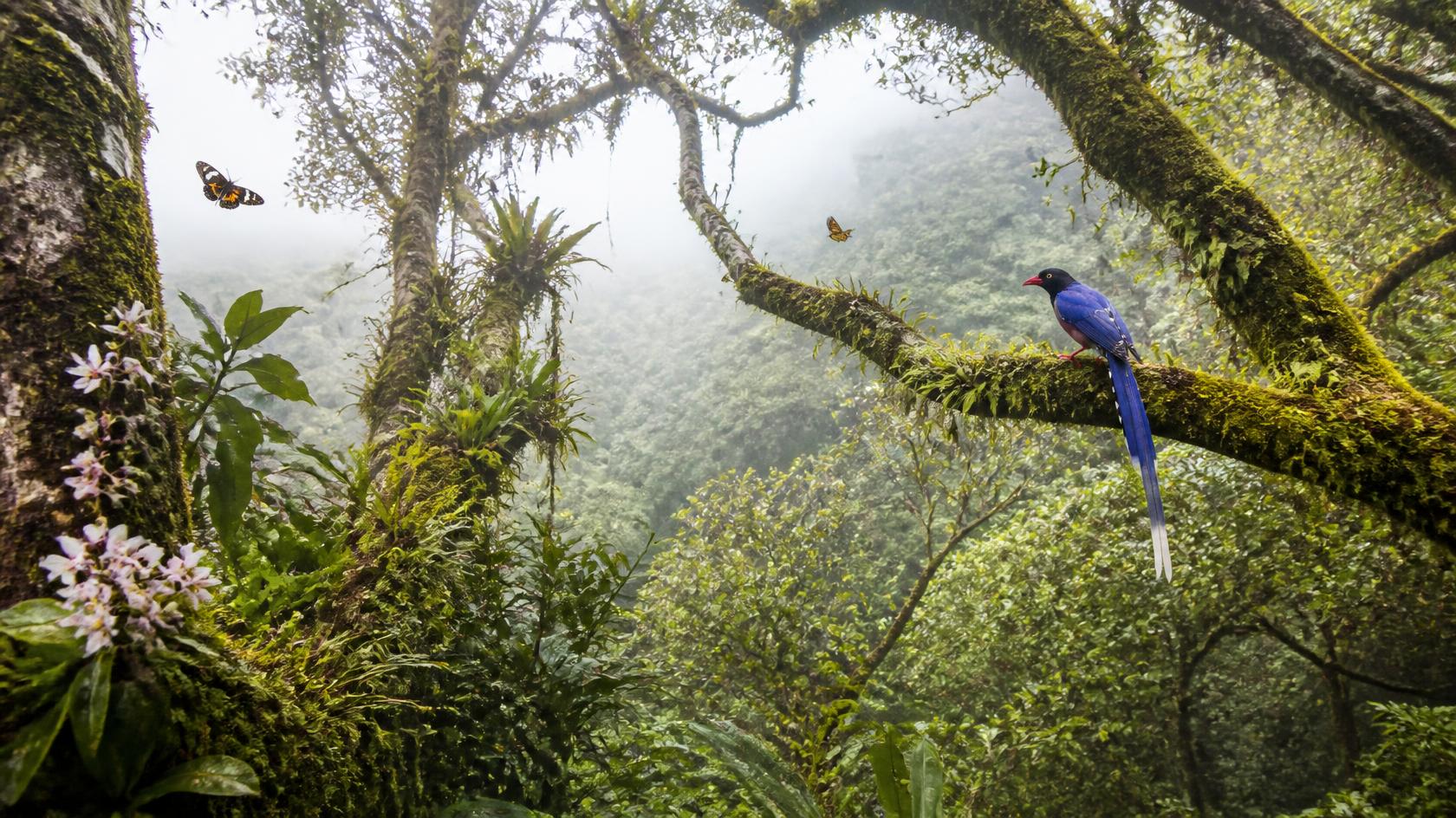
Hidden away in the central highlands of Sri Lanka lies one of the country’s most breathtaking and environmentally valuable landscapes — the Knuckles Mountain Range. Known for its dramatic mountains, mist-covered valleys, rare wildlife, and rich cultural heritage, Knuckles is a true natural treasure that represents the untouched beauty of Sri Lanka.
Unlike the more popular tourist destinations of Sri Lanka, the Knuckles Mountain Range offers a peaceful and authentic experience surrounded by nature. Its rugged peaks, dense forests, flowing rivers, waterfalls, and traditional villages create a unique environment where biodiversity and human culture exist together.
Recognized as a UNESCO World Heritage Site in 2010 as part of the Central Highlands of Sri Lanka, Knuckles is considered one of the most important ecological regions in the country. The area is not only valuable for its natural beauty but also for its contribution to biodiversity conservation, climate regulation, and sustainable tourism.
Location and Geographic Importance of Knuckles Mountain Range
The Knuckles Mountain Range is located in central Sri Lanka, mainly covering parts of the Kandy and Matale districts. The mountain range extends across a large area of approximately 155 square kilometers and forms an important part of Sri Lanka’s central highlands.
The name “Knuckles” comes from the shape of several mountain peaks that resemble the knuckles of a closed human fist when viewed from certain locations. In Sinhala, the area is traditionally known as “Dumbara Kanduvetiya,” meaning the misty mountains of the Dumbara region.
The landscape consists of:
Mountain peaks
Deep valleys
Forest areas
Grasslands
Rivers and streams
Waterfalls
The highest peaks of the Knuckles Range rise above 1,800 meters, creating a cool and unique climate compared with the lowland areas of Sri Lanka.
The geographical isolation of Knuckles has allowed many species to evolve separately, making it one of the most important biodiversity hotspots in Sri Lanka.
Historical and Cultural Background
The Knuckles Mountain Range has a long relationship with Sri Lanka’s history and local communities. For centuries, villages surrounding the mountains have depended on the natural resources of the area while maintaining a close connection with the environment.
Traditional communities living around Knuckles have practiced:
Small-scale farming
Traditional agriculture
Herbal medicine use
Forest-based activities
The villages around the mountain range preserve traditional lifestyles that reflect the relationship between humans and nature.
The region also contains historical sites, ancient trails, and cultural traditions passed down through generations. The natural environment has influenced local customs, food practices, and livelihoods.
Unlike many modern tourist destinations, Knuckles still maintains a traditional rural atmosphere, making it an important location for cultural tourism as well as nature tourism.
Unique Biodiversity of Knuckles Mountain Range
The greatest value of Knuckles lies in its exceptional biodiversity. The mountain range contains different ecosystems within a relatively small area, including:
Rainforests
Cloud forests
Grasslands
River ecosystems
These different environments support a wide variety of plants and animals.
Plant Diversity in Knuckles
The Knuckles Mountain Range is home to hundreds of plant species, including many species that are found only in Sri Lanka.
The forests contain:
Tropical trees
Medicinal plants
Fern species
Orchids
Mosses and lichens
The cloud forests found in higher elevations are especially important because they support rare plant species adapted to cooler and wetter conditions.
Many plants found in Knuckles have scientific and medicinal importance. Traditional communities have used several plants for herbal treatments for generations.
The forests also play a major role in:
Protecting water resources
Preventing soil erosion
Maintaining climate balance
Supporting wildlife habitats
Wildlife of Knuckles Mountain Range
Knuckles provides a safe habitat for many species of animals, birds, reptiles, and amphibians.
Many species found here are endemic to Sri Lanka, making the region extremely important for conservation.
Mammals
Some mammals found in Knuckles include:
Sri Lankan purple-faced langur
Sri Lankan spotted deer
Wild boar
Giant squirrel
Porcupine
Fishing cat
These animals depend on the forests and natural ecosystems of Knuckles for food and shelter.
Birds
Knuckles is a paradise for bird watchers because of its rich bird diversity.
Important bird species include:
Sri Lanka Blue Magpie
Sri Lanka Junglefowl
Sri Lanka White-eye
Sri Lanka Hanging Parrot
Sri Lanka Grey Hornbill
The presence of many endemic birds makes Knuckles one of the best locations in Sri Lanka for bird observation.
Reptiles and Amphibians
The mountain range is also famous for its unique reptiles and amphibians.
It provides a suitable environment for:
Frogs
Lizards
Snakes
Many of these species are rare and found nowhere else in the world.
Environmental Importance of Knuckles Mountain Range
The Knuckles Mountain Range plays an important role in maintaining Sri Lanka’s environmental balance.
1. Water Resource Protection
The mountains act as a natural water storage system. Many rivers and streams begin from this region, providing water for communities and ecosystems.
2. Climate Regulation
The forests absorb carbon dioxide and help reduce the impacts of climate change.
3. Soil Conservation
The vegetation protects mountain slopes from erosion caused by heavy rainfall.
4. Biodiversity Conservation
By protecting different ecosystems, Knuckles helps preserve thousands of species that depend on these habitats.
Tourism and Adventure Opportunities
Knuckles has become a popular destination among nature lovers, hikers, and adventure travelers.
Unlike crowded tourist locations, Knuckles provides visitors with a peaceful experience surrounded by untouched nature.
Hiking and Trekking
The mountain range offers many hiking trails through:
Forests
Mountain paths
Grasslands
Villages
Popular hiking experiences include exploring mountain peaks, waterfalls, and hidden valleys.
Waterfalls and Natural Beauty
Knuckles contains many beautiful waterfalls and natural swimming areas. These locations provide unforgettable experiences for visitors.
Camping
Camping in Knuckles allows travelers to experience:
Misty mornings
Mountain views
Wildlife sounds
Clear night skies
However, visitors must follow responsible tourism practices to protect the environment.
Local Communities and Sustainable Development
The communities around Knuckles play an important role in protecting this natural treasure.
Many local people benefit from eco-tourism through:
Homestays
Local guiding services
Traditional food businesses
Handicrafts
Community participation is essential because conservation becomes more successful when local people receive benefits from protecting nature.
Sustainable tourism helps create income opportunities while reducing pressure on natural resources.
Threats Facing Knuckles Mountain Range
Although Knuckles is a protected area, it faces several environmental challenges.
Deforestation
Illegal activities and land clearing can damage forest ecosystems.
Climate Change
Changes in temperature and rainfall patterns may affect plants and animals that depend on specific environmental conditions.
Human Activities
Unplanned development, waste pollution, and irresponsible tourism can harm the natural environment.
Invasive Species
Non-native plants can compete with local species and disturb ecological balance.
Protecting Knuckles requires cooperation between government authorities, communities, tourists, and environmental organizations.
Conservation Efforts
Several conservation programs are being implemented to protect the Knuckles Mountain Range.
Important activities include:
Forest protection programs
Wildlife conservation
Biodiversity research
Environmental education
Sustainable tourism management
The involvement of local communities is considered one of the most effective ways to ensure long-term protection.
Protecting Knuckles is not only about saving mountains and forests; it is about preserving the natural systems that support human life.
Cultural Value of Knuckles Mountain Range
Beyond its environmental importance, Knuckles holds significant cultural value.
The traditional villages, agricultural practices, and lifestyles around the mountains represent an important part of Sri Lanka’s heritage.
The relationship between local communities and nature demonstrates how humans can live together with the environment in a sustainable way.
The mountains are not only geographical features but also symbols of natural beauty, history, and cultural identity.
Conclusion
The Knuckles Mountain Range is one of Sri Lanka’s greatest hidden natural treasures. With its mist-covered mountains, rich biodiversity, traditional villages, and breathtaking landscapes, it represents the beauty and ecological importance of the country.
As a UNESCO World Heritage Site, Knuckles has global importance and deserves careful protection. The future of this magnificent mountain range depends on responsible tourism, environmental awareness, and conservation efforts.
By protecting Knuckles, Sri Lanka can preserve a priceless natural heritage for future generations.
Knuckles Mountain Range is not just a destination; it is a living ecosystem that tells the story of Sri Lanka’s natural beauty, biodiversity, and connection between people and nature.
Additional Media