Sponsored
Kelaniya Raja Maha Vihara: History and Cultural Importance
Rakshika Rathnayake8/4/20265 min read
Share:Facebook
Introduction
Sri Lanka is a country with a rich Buddhist heritage that has continued for more than two thousand years. Among the many sacred Buddhist sites spread across the island, Kelaniya Raja Maha Vihara holds a unique position as one of the most historically significant and culturally valuable temples. Located in Kelaniya, near Colombo, this ancient temple is not only a place of religious worship but also a symbol of Sri Lanka’s artistic traditions, historical identity, and spiritual heritage.
The temple is deeply connected with Buddhist history, ancient legends, royal patronage, and Sri Lankan cultural practices. For centuries, thousands of devotees have visited Kelaniya Raja Maha Vihara to seek blessings, participate in religious ceremonies, and experience its peaceful spiritual environment. Today, it remains one of the most respected Buddhist temples in Sri Lanka and an important destination for both local and international visitors.
Historical Background of Kelaniya Raja Maha Vihara
The history of Kelaniya Raja Maha Vihara dates back more than two thousand years. According to Buddhist chronicles, the temple has a direct connection with Lord Buddha’s third visit to Sri Lanka. Ancient Buddhist texts mention that the Buddha visited Kelaniya during his final journey to the island, approximately 500 years before the birth of Christ.
During this visit, the Buddha is believed to have preached the Dhamma to the people of Kelaniya and blessed the area. It is said that the place where the temple stands today became a sacred location because of this historical connection. A gem-studded throne, known as the Maniakkhika Nagara Rajaya’s throne, is believed to have been offered to the Buddha during this visit.
Because of this sacred association, Kelaniya became one of the most important Buddhist locations in Sri Lanka. The temple gradually developed as a center of Buddhist learning, religious activities, and cultural practices.
The Role of Ancient Kings in the Development of the Temple
Throughout Sri Lankan history, many kings contributed to the development and preservation of Kelaniya Raja Maha Vihara. Ancient rulers considered the protection of Buddhist temples as an important responsibility because Buddhism was closely connected with the country’s identity and governance.
During different periods, the temple experienced both prosperity and destruction. Foreign invasions, political changes, and social conflicts affected many Buddhist monuments in Sri Lanka, including Kelaniya. However, the dedication of Buddhist communities and royal support helped restore and maintain the temple.
One of the important periods in the temple’s history was during the reign of King Dutugemunu, who played a major role in supporting Buddhism and restoring religious sites across the island. Later rulers also contributed to renovations, making Kelaniya an important religious center.
During the colonial period, many Buddhist temples faced difficulties due to changes in political and social systems. Despite these challenges, Kelaniya Raja Maha Vihara survived and continued to serve as a place of worship.
The Artistic Beauty of Kelaniya Raja Maha Vihara
Apart from its religious importance, Kelaniya Raja Maha Vihara is famous for its remarkable artistic value. The temple contains beautiful paintings, sculptures, and architectural features that represent the creativity and cultural identity of Sri Lanka.
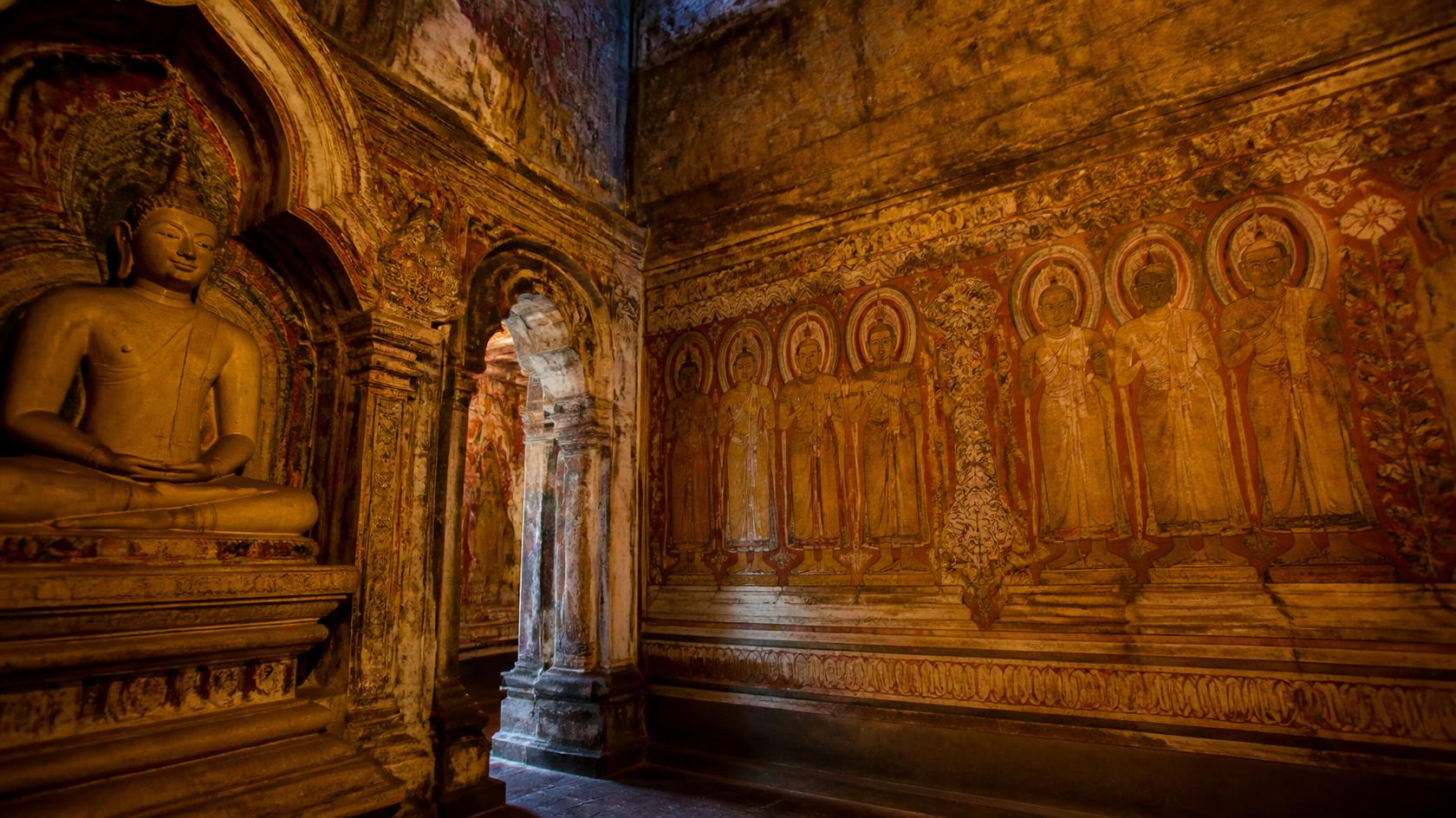
The temple’s interior walls are decorated with colourful murals that illustrate important events from Buddhist history, including stories from the life of Lord Buddha and scenes from Sri Lankan Buddhist traditions. These paintings provide valuable information about the artistic styles and religious beliefs of different historical periods.
The famous temple paintings were created by the renowned Sri Lankan artist Solias Mendis during the early 20th century. His artwork transformed the temple into a living museum of Buddhist art. The paintings display detailed storytelling techniques, traditional Sri Lankan colours, and cultural elements.
The Buddha statues inside the temple also demonstrate the excellence of Sri Lankan craftsmanship. Each sculpture reflects peace, wisdom, and spiritual beauty, attracting visitors who appreciate religious art and history.
Cultural Importance of Kelaniya Raja Maha Vihara
Kelaniya Raja Maha Vihara is not only a religious place but also a centre of Sri Lankan cultural identity. Many traditions, festivals, and community activities are connected with this historic temple.
Duruthu Perahera Festival
One of the most important cultural events associated with Kelaniya Raja Maha Vihara is the annual Duruthu Perahera. This colourful religious procession is held in January to celebrate the Buddha’s first visit to Sri Lanka.
The Duruthu Perahera includes traditional dancers, drummers, decorated elephants, cultural performances, and religious ceremonies. Thousands of people gather every year to witness this magnificent event.
The procession represents the combination of Buddhism and Sri Lankan traditional culture. It provides an opportunity for younger generations to learn about traditional arts, customs, and religious values.
Religious Significance of the Temple
For Buddhists, Kelaniya Raja Maha Vihara is one of the most sacred places in Sri Lanka. Devotees visit the temple throughout the year to engage in religious activities such as:
Offering flowers and lamps
Observing Sil (religious discipline)
Participating in meditation programs
Listening to Dhamma sermons
Making offerings to monks
Many people believe that visiting this sacred location brings spiritual blessings and peace of mind. The calm environment of the temple encourages visitors to reflect on Buddhist teachings such as compassion, kindness, patience, and mindfulness.
Kelaniya as a Centre of Buddhist Education
Historically, Buddhist temples played an important role as educational centres in Sri Lanka. Kelaniya Raja Maha Vihara also contributed to spreading Buddhist knowledge and preserving religious traditions.
Monks living in the temple have traditionally provided religious education to communities. The temple continues to organize religious programs, meditation sessions, and educational activities that help people understand Buddhist philosophy and moral values.
The temple’s role extends beyond religious education. It also contributes to preserving Sri Lankan history, language, literature, and cultural traditions.
Connection with Sri Lankan Identity
Kelaniya Raja Maha Vihara represents the deep connection between Buddhism and Sri Lankan national identity. For centuries, Buddhism has influenced Sri Lanka’s art, architecture, literature, social customs, and moral values.
The temple reminds people of the country’s ancient civilization and cultural achievements. It acts as a bridge connecting the past with the present by preserving historical traditions while adapting to modern society.
For many Sri Lankans, visiting Kelaniya is not simply a religious journey but also a cultural experience that strengthens their connection with their heritage.
Tourism Importance of Kelaniya Raja Maha Vihara
In addition to its religious value, Kelaniya Raja Maha Vihara has become an important tourist attraction in Sri Lanka. Both local and foreign visitors come to admire its history, architecture, paintings, and peaceful atmosphere.
The temple offers visitors an opportunity to learn about:
Ancient Buddhist traditions
Sri Lankan architecture
Religious festivals
Traditional artwork
Cultural history
Tourists interested in history and culture often include Kelaniya Raja Maha Vihara in their travel plans because of its location near Colombo and its historical importance.
The temple also contributes to cultural tourism by promoting Sri Lanka’s unique Buddhist heritage internationally.
Preservation and Future Importance
Protecting historical places like Kelaniya Raja Maha Vihara is essential for future generations. The temple represents centuries of religious devotion, artistic achievement, and cultural development.
Preservation efforts are necessary to protect ancient paintings, buildings, and religious artifacts from environmental damage and time-related deterioration. Maintaining these treasures allows future generations to understand and appreciate Sri Lanka’s history.
Modern technology and conservation methods can help protect the temple while ensuring that religious traditions continue without interruption.
Conclusion
Kelaniya Raja Maha Vihara is more than an ancient Buddhist temple; it is a symbol of Sri Lanka’s spiritual heritage, cultural identity, and historical greatness. From its connection with Lord Buddha’s visit to its magnificent artwork and traditional festivals, the temple represents the deep roots of Buddhism in Sri Lankan society.
For more than two thousand years, Kelaniya has remained a place of worship, learning, and cultural celebration. Its historical value, artistic beauty, and religious importance make it one of the most remarkable heritage sites in Sri Lanka.
As a sacred landmark that connects the ancient past with the modern world, Kelaniya Raja Maha Vihara will continue to inspire generations with its message of peace, wisdom, and cultural pride.
Additional Media