Sponsored
Kataragama: Sri Lanka's Unique Pilgrimage Destination Where Diverse Faiths Unite
Rakshika Rathnayake8/4/20265 min read
Share:Facebook
Introduction
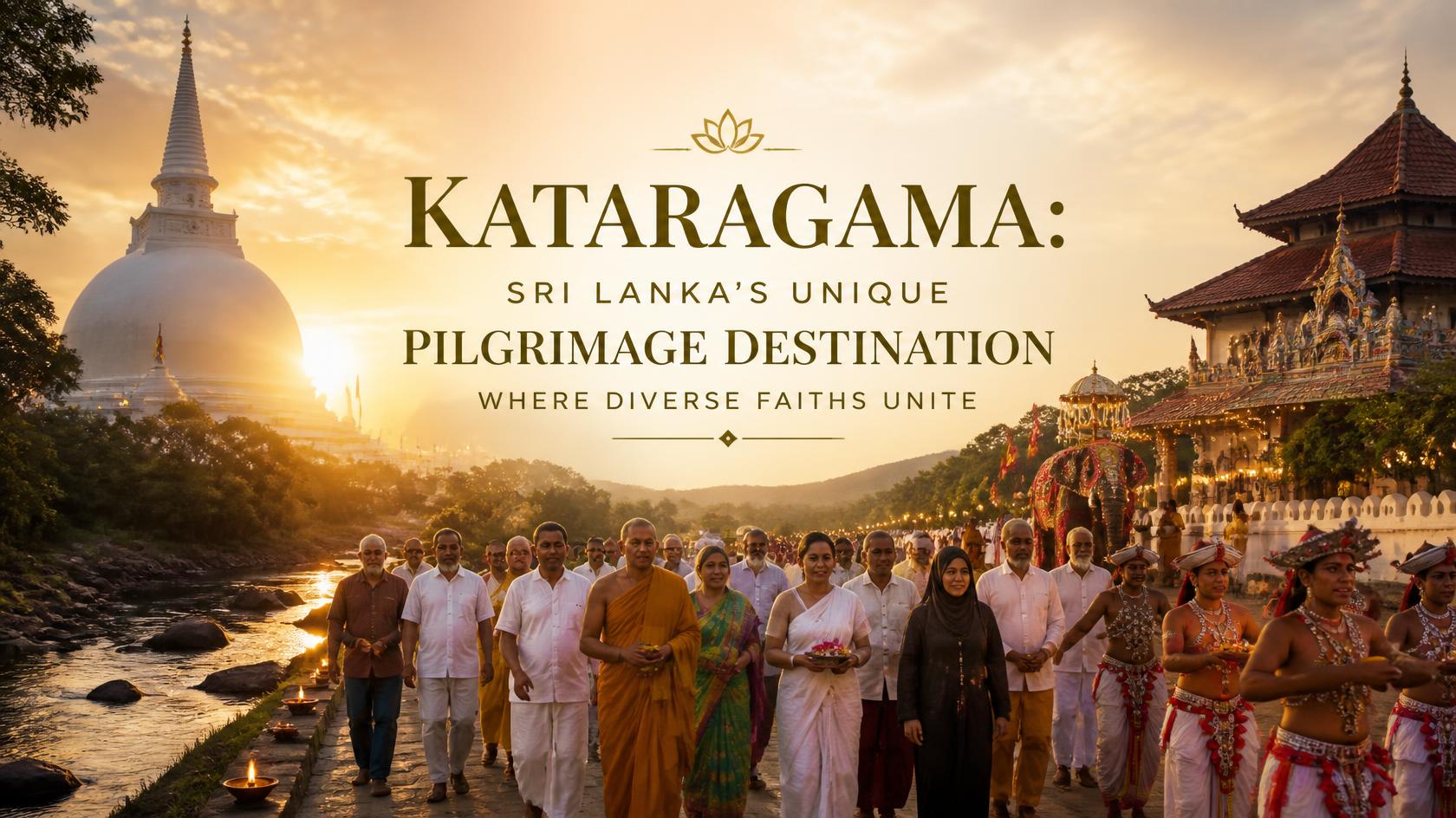
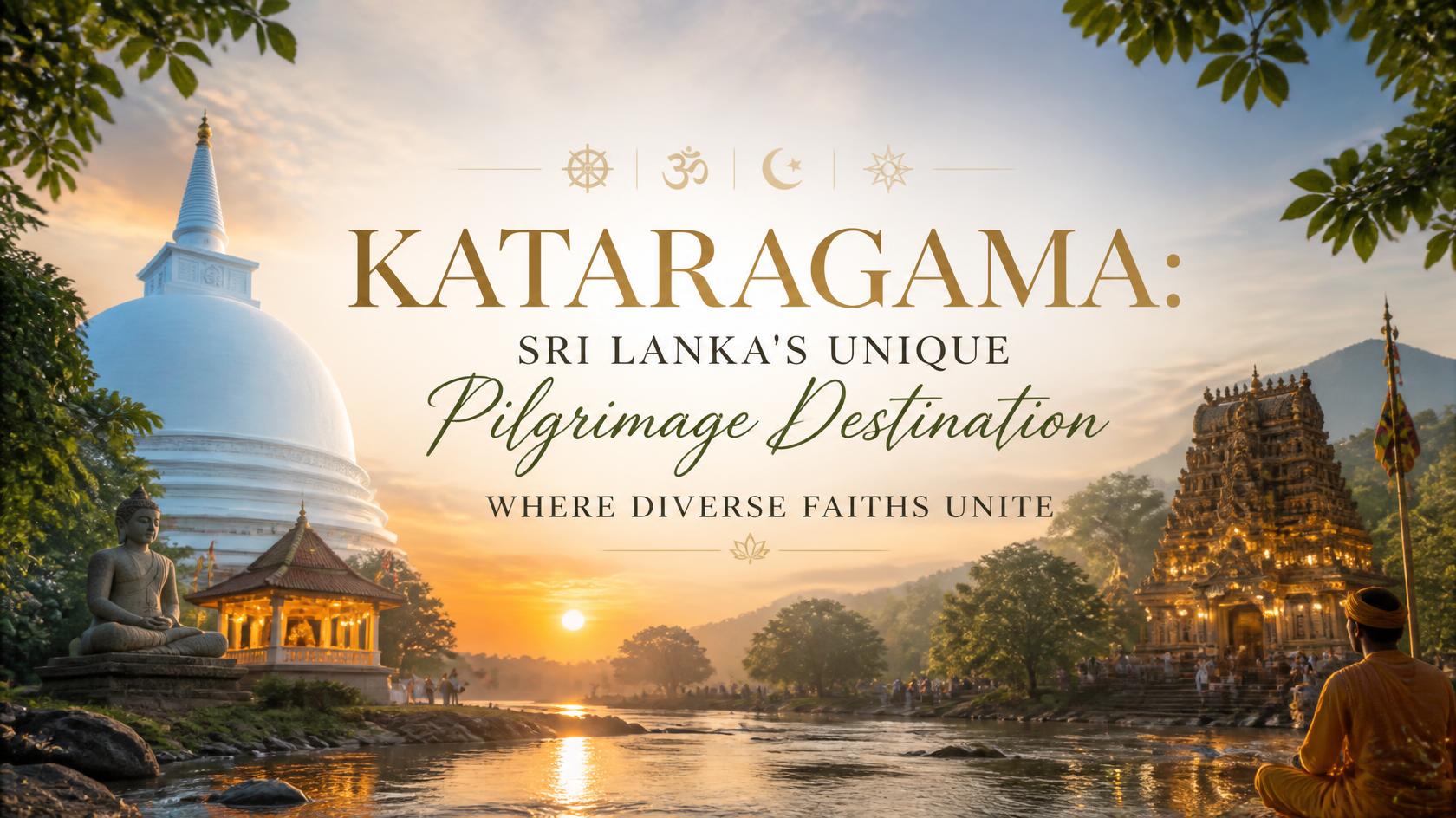
Nestled in the southeastern region of Sri Lanka, Kataragama Sacred City stands as one of the country's most revered spiritual destinations. Unlike many religious sites dedicated to a single faith, Kataragama is a unique place where people from different religious backgrounds come together in peace and devotion. Buddhists, Hindus, Muslims, and even some Christians visit this sacred city to seek blessings, fulfill vows, and experience its extraordinary spiritual atmosphere.
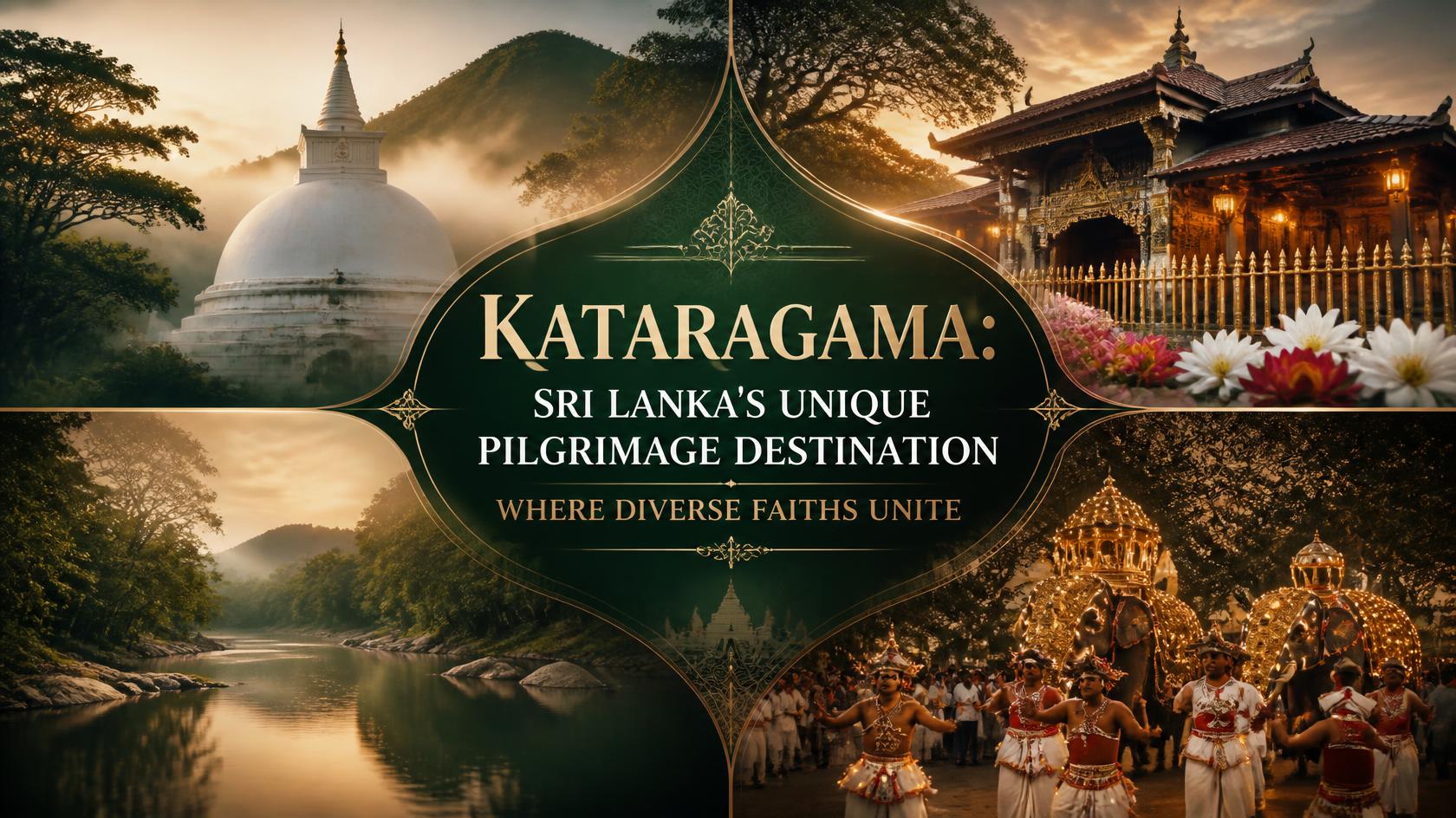
For centuries, Kataragama has symbolized unity, coexistence, and religious tolerance. The city attracts millions of local and international pilgrims every year, especially during the famous Esala Festival, which transforms the peaceful town into a vibrant center of faith and cultural celebration. Surrounded by lush forests, the Menik Ganga (River of Gems), and ancient temples, Kataragama offers visitors not only spiritual fulfillment but also a glimpse into Sri Lanka's rich cultural heritage.
This article explores the history, religious significance, cultural traditions, attractions, and the enduring message of harmony that makes Kataragama one of Sri Lanka's most treasured sacred destinations.
The Historical Background of Kataragama
The history of Kataragama stretches back over 2,000 years, making it one of Sri Lanka's oldest continuously worshipped sacred sites. Ancient chronicles, archaeological discoveries, and local legends all point to its long-standing importance.
According to Sri Lankan tradition, King Dutugemunu, one of the island's greatest rulers, visited Kataragama before his famous battle against King Elara. It is believed that he prayed for victory and later fulfilled his promise by constructing religious monuments after his success.
However, Kataragama's significance extends beyond Buddhist history. The area has long been associated with God Kataragama, known as Skanda, Murugan, or Kartikeya in Hinduism. The deity is worshipped as the god of war, wisdom, courage, and protection.
The sacred city has evolved over centuries into a place where ancient indigenous beliefs, Buddhist traditions, Hindu customs, and Islamic practices peacefully coexist.
The Spiritual Importance of Kataragama
Kataragama is one of the few places in the world where multiple religions worship at the same sacred site.
For Buddhists
Buddhists believe that Lord Buddha visited the Kataragama region during one of his visits to Sri Lanka. Today, the Kiri Vehera Stupa, located near the main shrine, is among the country's most respected Buddhist temples.
Pilgrims often begin their spiritual journey by worshipping at Kiri Vehera before proceeding to the Kataragama Devalaya.
For Hindus
For Hindus, Kataragama is one of the holiest temples dedicated to Lord Murugan (Skanda), the son of Lord Shiva and Goddess Parvati.
Devotees travel from Sri Lanka and South India to seek blessings for:
Success
Good health
Marriage
Fertility
Protection
Prosperity
Many fulfill personal vows through acts of devotion during annual festivals.
For Muslims
The nearby mosque dedicated to Al-Khidr (Al-Khizr) attracts Muslim pilgrims who believe the holy figure visited the area. This demonstrates how Kataragama serves as a shared spiritual destination rather than belonging exclusively to one religious community.
For Indigenous Communities
The indigenous Vedda people also regard Kataragama as sacred and have worshipped the local deity long before organized religions became established on the island.
The Famous Kataragama Devalaya
At the heart of the sacred city lies the Kataragama Devalaya, a shrine dedicated to God Kataragama.
Unlike elaborate temples covered with intricate statues, the shrine itself remains relatively simple, preserving centuries-old traditions. One of its most remarkable features is that the inner sanctum remains hidden from public view, adding to its mystery and spiritual significance.
Devotees bring offerings including:
Fruits
Flowers
Coconut
Incense
Oil lamps
Many visitors believe that sincere prayers offered at Kataragama often lead to miraculous blessings and answered wishes.
Kiri Vehera: The Sacred Buddhist Stupa
Just a short walk from the Devalaya stands the magnificent Kiri Vehera, one of Sri Lanka's most important Buddhist stupas.
According to tradition, the stupa was built by King Mahasena during the 3rd century CE. Its white dome shines brilliantly under the tropical sun and creates a peaceful atmosphere for meditation and prayer.
Pilgrims commonly:
Offer flowers
Light oil lamps
Observe religious rituals
Practice meditation
Circumambulate the stupa while chanting prayers
The calm surroundings make Kiri Vehera an ideal place for spiritual reflection.
Menik Ganga: The Sacred River
Flowing beside Kataragama is the Menik Ganga, meaning "River of Gems."
Before entering the sacred temple complex, many pilgrims bathe in the river as a symbolic act of purification.
Although the water appears ordinary, generations of devotees believe it possesses spiritual significance, washing away impurities before worship.
The river also enhances the natural beauty of the sacred city, particularly during sunrise and sunset.
The Kataragama Esala Festival
One of Sri Lanka's most spectacular religious celebrations is the annual Kataragama Esala Festival, usually held in July or August.
The festival lasts for several weeks and attracts hundreds of thousands of pilgrims from across the island and abroad.
Major highlights include:
Traditional Processions
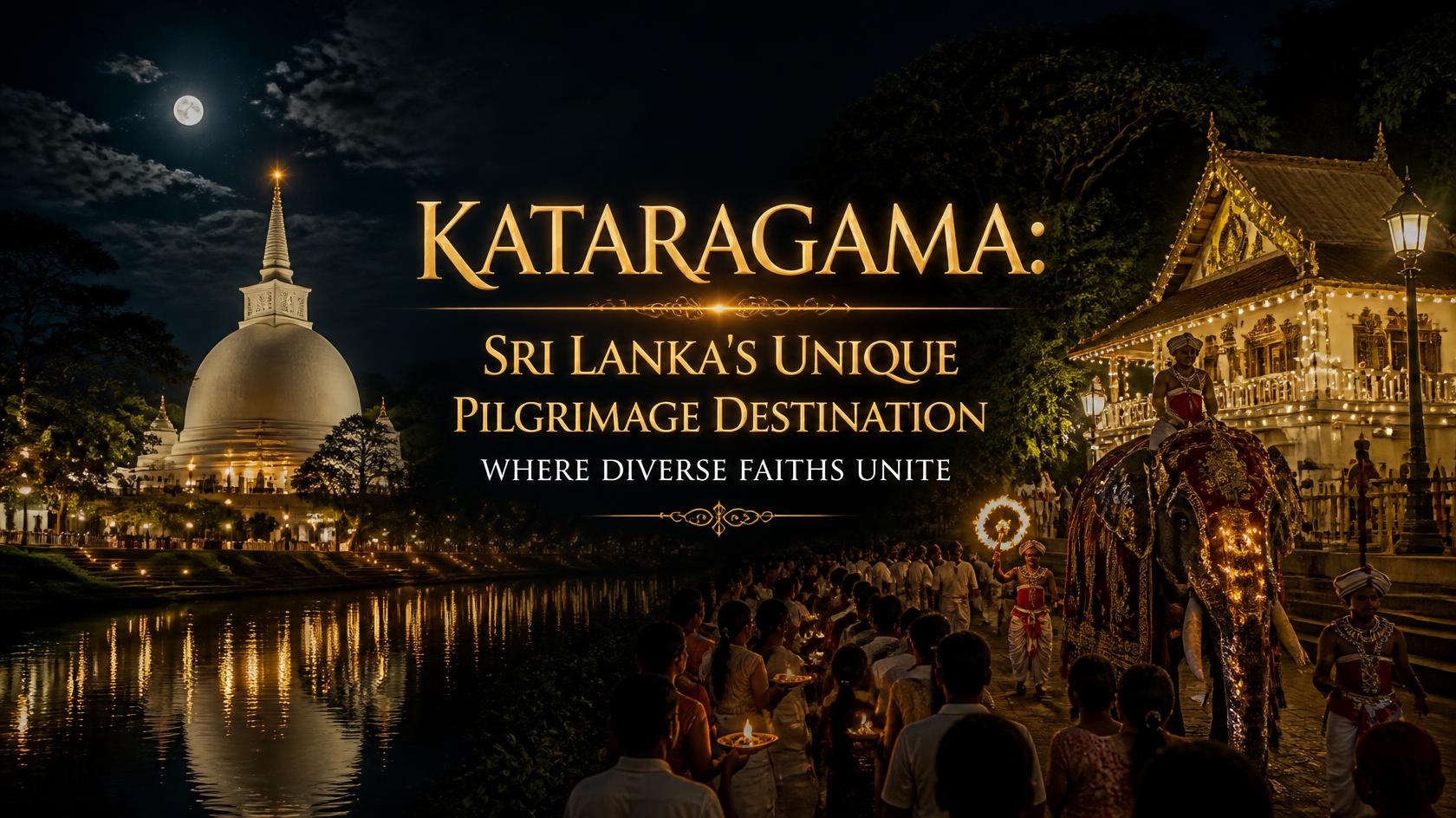
Beautifully decorated elephants carry sacred relics while dancers, drummers, whip crackers, and torch bearers create a vibrant atmosphere.
Fire Walking
Some devotees walk barefoot across burning embers to fulfill vows made to God Kataragama. This remarkable ritual symbolizes unwavering faith, courage, and devotion.
Kavadi Ceremony
Hindu devotees perform the famous Kavadi ritual, carrying decorated wooden structures on their shoulders as acts of penance and thanksgiving.
Some participants also undergo body piercing with small spears or hooks, believing the deity grants them strength to endure pain.
Water Cutting Ceremony
The festival concludes with the sacred water-cutting ritual performed in the Menik Ganga, symbolizing purification and blessings for the coming year.
A Symbol of Religious Harmony
Perhaps the greatest significance of Kataragama lies not in its ancient buildings but in its message of unity.
Every day, visitors from different religions stand side by side, respecting one another's traditions.
Here, one may witness:
Buddhist monks offering blessings
Hindu priests conducting rituals
Muslim pilgrims visiting nearby shrines
Indigenous worshippers honoring ancient customs
This peaceful coexistence demonstrates that spirituality can unite people beyond religious differences.
Kataragama has therefore become an international example of religious tolerance, mutual respect, and cultural diversity.
Nature and Wildlife Around Kataragama
Kataragama is surrounded by breathtaking natural landscapes.
Nearby attractions include:
Yala National Park
Only a short drive away, Yala National Park is famous for:
Sri Lankan leopards
Elephants
Sloth bears
Crocodiles
Hundreds of bird species
Lunugamvehera National Park
This nearby protected area provides another opportunity to observe wildlife in its natural habitat.
Forest Reserves
The forests surrounding Kataragama offer peaceful walking trails where visitors can enjoy native trees, birds, butterflies, and occasional wildlife sightings.
The combination of spirituality and nature creates a truly unique travel experience.
Pilgrimage Traditions
One of the most remarkable traditions associated with Kataragama is the Pada Yatra.
Every year, thousands of devotees undertake an ancient pilgrimage on foot from Sri Lanka's northern and eastern regions to Kataragama.
The journey covers hundreds of kilometers through forests, villages, and coastal areas.
Pilgrims believe the challenging journey strengthens:
Faith
Discipline
Humility
Compassion
Spiritual growth
For many participants, reaching Kataragama is considered a life-changing achievement.
Visitor Experience
A visit to Kataragama offers much more than sightseeing.
Visitors can experience:
Morning and evening religious ceremonies
Peaceful meditation
Traditional Sri Lankan culture
Religious festivals
Local handicrafts
Pilgrim markets
Authentic Sri Lankan food
The town provides accommodations ranging from simple pilgrim rest houses to comfortable hotels, making it accessible to travelers with different budgets.
The best time to visit depends on personal preference. Those seeking a peaceful atmosphere may prefer the quieter months, while festival lovers should visit during the Esala celebrations.
Travel Tips
To ensure a respectful and enjoyable visit:
Dress modestly when entering sacred sites.
Remove footwear before entering temples.
Follow photography rules.
Respect ongoing religious ceremonies.
Keep the environment clean.
Carry drinking water, especially during hot weather.
Visit early morning or evening to avoid extreme heat.
Being respectful of local customs enhances both the visitor's experience and the sanctity of the sacred city.
Conclusion
Kataragama Sacred City is far more than a religious destination—it is a living symbol of unity, faith, and cultural harmony. Its ancient temples, sacred river, vibrant festivals, and peaceful atmosphere continue to inspire millions of pilgrims and travelers each year.
Few places in the world bring together Buddhists, Hindus, Muslims, and indigenous communities with such remarkable mutual respect and shared devotion. Whether one visits to pray, meditate, explore history, or admire nature, Kataragama offers an unforgettable journey that touches both the heart and the soul.
As Sri Lanka continues to celebrate its rich multicultural heritage, Kataragama remains a shining example that different faiths can coexist peacefully while sharing the same sacred space. For anyone seeking spirituality, history, culture, or inspiration, Kataragama Sacred City truly deserves its reputation as a place of religious harmony.
Additional Media