Sponsored
Indigenous Communities of Sri Lanka: History, Culture, Traditions, and Modern Challenges SEO Description (English)
Rakshika Rathnayake7/30/20265 min read
Share:Facebook
Introduction
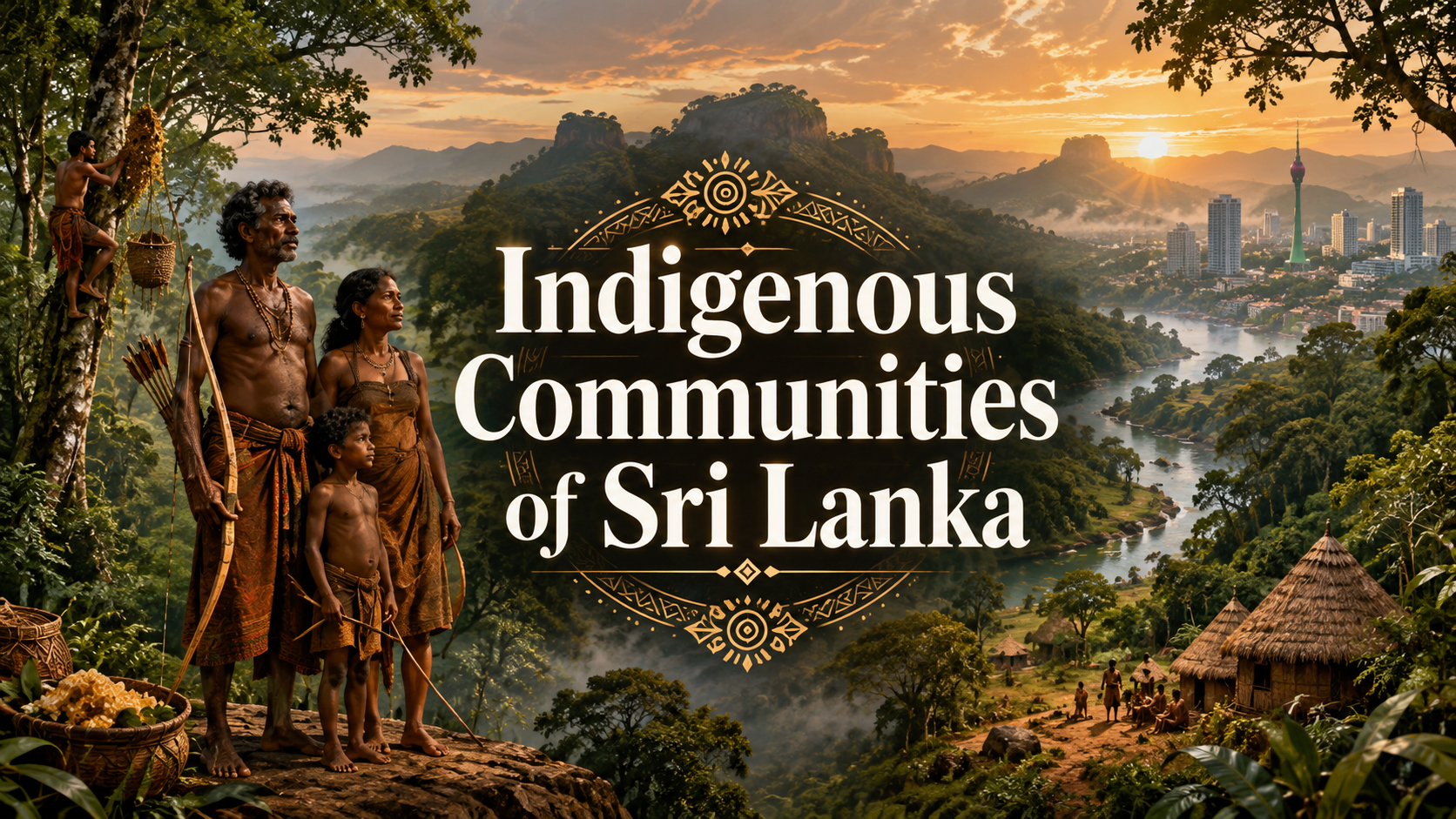
Sri Lanka is a nation celebrated for its rich cultural diversity, historical heritage, and unique traditions. Throughout its long history, the island has been home to various ethnic and cultural groups that have contributed to its social fabric. Among these communities, the indigenous people of Sri Lanka hold a special place as the earliest known inhabitants of the island. Their traditions, customs, languages, and ways of life provide valuable insights into the country's ancient history and cultural evolution.
The indigenous communities of Sri Lanka are commonly associated with the Vedda people, who are recognized as the island's original inhabitants. The term "Vedda" is believed to be derived from the Sanskrit word Vyadha, meaning "hunter." Historically, the Vedda communities lived in close harmony with nature, relying on hunting, gathering, and small-scale agriculture for their livelihoods.
Despite centuries of social, political, and economic changes, indigenous communities in Sri Lanka have managed to preserve many aspects of their cultural identity. However, modernization, deforestation, land development projects, and increased interaction with mainstream society have significantly affected their traditional lifestyles.
Today, Sri Lanka's indigenous communities face numerous challenges, including land rights issues, cultural preservation, economic vulnerability, and limited access to education and healthcare. Nevertheless, their cultural heritage remains an important part of Sri Lanka's national identity.
This article explores the history, culture, lifestyle, challenges, and future prospects of the indigenous communities of Sri Lanka, highlighting the importance of preserving their unique heritage for future generations.
Historical Background
The history of Sri Lanka's indigenous communities dates back thousands of years. Archaeological evidence suggests that prehistoric humans inhabited the island long before the emergence of recorded civilizations.
Many historians and anthropologists believe that the Vedda people are descendants of these early inhabitants. Ancient chronicles, including the Mahavamsa, contain references to indigenous populations living in the forests and mountainous regions of Sri Lanka before the arrival of Prince Vijaya around the 5th century BCE.
For centuries, indigenous communities lived independently in remote forests and maintained distinct cultural practices. Their knowledge of the natural environment enabled them to survive in some of the island's most challenging terrains.
Traditionally, Vedda settlements were concentrated in areas such as:
Dambana
Rathugala
Pollebedde
Hennanigala
Nilgala
Mahiyanganaya
Vakarai
These regions continue to hold cultural significance for indigenous communities today.
The Vedda Community
The Vedda people are widely recognized as Sri Lanka's primary indigenous community. Although there are several sub-groups with varying degrees of integration into mainstream society, many still maintain aspects of their traditional identity.
The Vedda community can generally be categorized into:
Forest Veddas
Village Veddas
Coastal Veddas
Forest Veddas
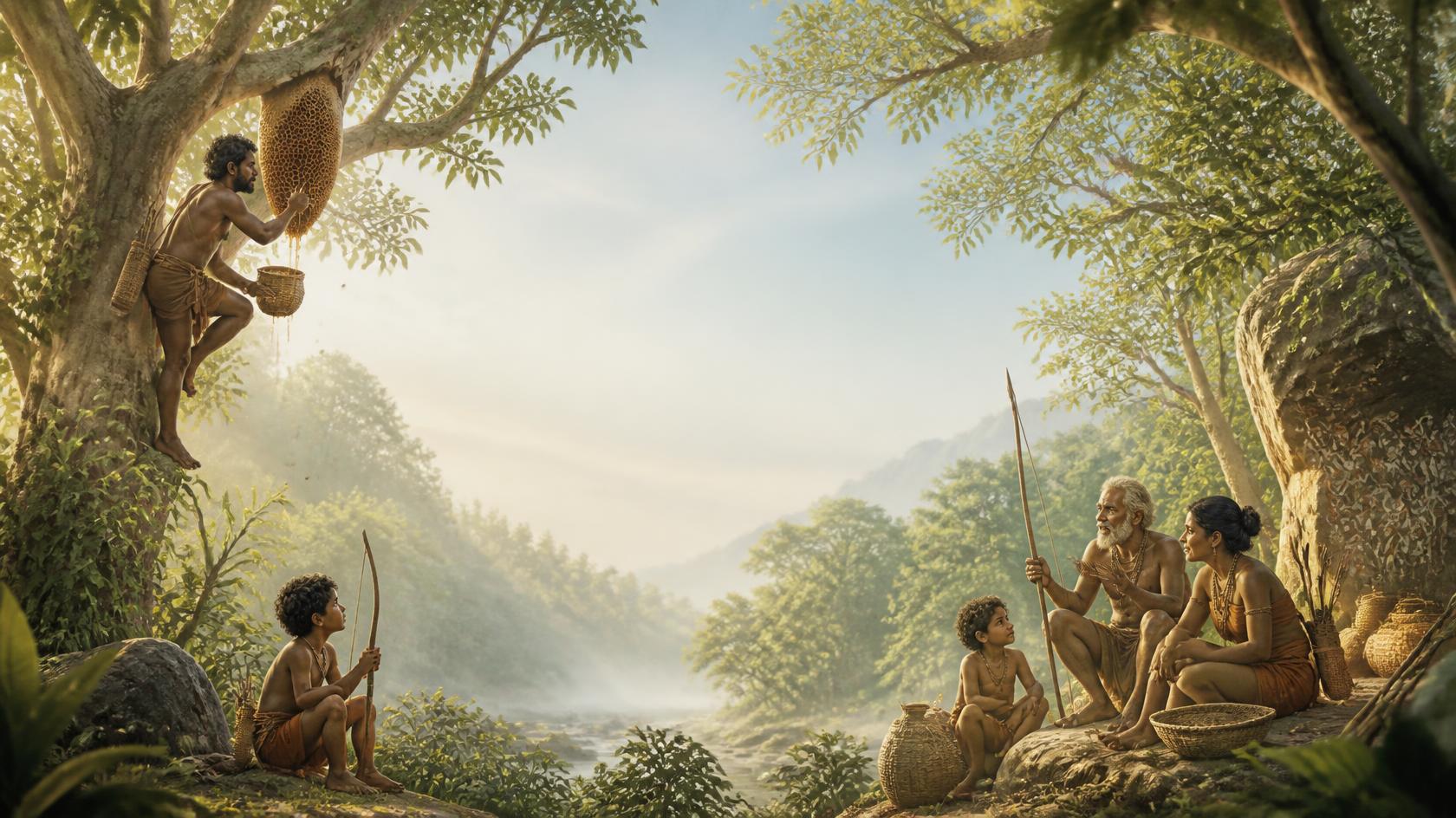
Forest Veddas traditionally depended on hunting, honey collection, and gathering forest resources. They lived in caves or simple huts and maintained strong spiritual connections with nature.
Village Veddas
Village Veddas gradually adopted agriculture and established permanent settlements. They maintain a combination of traditional practices and modern lifestyles.
Coastal Veddas
Coastal Veddas, primarily found in eastern Sri Lanka, integrated fishing into their livelihoods while preserving elements of indigenous culture.
Over time, increased interaction with other communities has influenced language, clothing, and social practices among the Vedda people.
Traditional Lifestyle
Historically, indigenous communities lived sustainably and utilized natural resources responsibly.
Their traditional livelihoods included:
Hunting deer and wild animals.
Collecting honey.
Gathering medicinal plants.
Fishing.
Small-scale farming.
Craft production.
Hunting was conducted using bows and arrows, while honey collection was considered both an economic activity and a cultural practice.
The Vedda people's extensive knowledge of forests, wildlife, and medicinal plants reflects generations of environmental understanding.
Their lifestyle demonstrates a sustainable relationship with nature that modern societies can learn from.
Language and Communication
The indigenous communities of Sri Lanka traditionally spoke a distinct Vedda language, which contains elements of Sinhala and Tamil while retaining unique vocabulary and expressions.
However, the number of fluent speakers has declined significantly due to:
Increased assimilation.
Formal education.
Urban migration.
Social integration.
Today, many members of indigenous communities primarily speak Sinhala or Tamil depending on their geographic location.
Efforts by researchers and cultural organizations continue to document and preserve the remaining linguistic heritage of the Vedda people.
Cultural Practices and Traditions
Indigenous communities possess rich cultural traditions that have been passed down through generations.
Music and Dance
Traditional music and dance play an important role during ceremonies and social gatherings.
Common features include:
Rhythmic chanting.
Drum performances.
Ritual dances.
Oral storytelling.
Spiritual Beliefs
The Vedda community traditionally practices ancestor worship and maintains strong spiritual connections with their environment.
Many ceremonies involve invoking ancestral spirits for:
Protection.
Good harvests.
Successful hunting.
Community well-being.
These beliefs reflect a worldview centered on harmony between humans and nature.
Marriage and Social Structure
Traditional marriages were often arranged within the community, helping preserve cultural identity.
Community life is characterized by:
Collective decision-making.
Strong family bonds.
Mutual support.
Respect for elders.
These values continue to influence indigenous communities despite social changes.
Relationship with Nature
One of the most distinctive characteristics of Sri Lanka's indigenous communities is their close relationship with nature.
For generations, they have demonstrated:
Sustainable resource management.
Respect for wildlife.
Knowledge of medicinal plants.
Environmental conservation practices.
Their understanding of ecosystems has contributed to biodiversity preservation in many forested regions.
Modern environmentalists increasingly recognize the value of indigenous knowledge in addressing climate change and conservation challenges.
Challenges Facing Indigenous Communities
Despite their cultural significance, indigenous communities face numerous challenges.
1. Loss of Traditional Lands
Development projects, deforestation, and conservation policies have reduced access to traditional lands.
Loss of land affects:
Livelihood opportunities.
Cultural practices.
Community identity.
2. Economic Difficulties
Many indigenous families experience economic hardship due to limited employment opportunities and changing lifestyles.
Challenges include:
Poverty.
Limited income sources.
Lack of infrastructure.
3. Cultural Erosion
Modernization and social integration have contributed to the gradual loss of:
Traditional language.
Customs.
Rituals.
Indigenous knowledge.
Younger generations are increasingly influenced by mainstream culture.
4. Education and Healthcare Access
Access to quality education and healthcare remains uneven in some indigenous communities.
While educational opportunities have improved, balancing formal education with cultural preservation remains a challenge.
5. Representation and Recognition
Indigenous communities often seek greater recognition of their rights and greater participation in decisions affecting their lives.
Strengthening community representation is essential for inclusive development.
Government and Community Initiatives
Various efforts have been undertaken to support indigenous communities in Sri Lanka.
These include:
Cultural preservation programs.
Educational assistance.
Community development initiatives.
Research and documentation projects.
Tourism-related opportunities.
Organizations and researchers continue to work with indigenous leaders to preserve traditional knowledge and promote sustainable development.
The indigenous village of Dambana has become an important center for cultural awareness and tourism, allowing visitors to learn about Vedda traditions.
However, it is important that tourism initiatives respect community autonomy and avoid the commercialization of indigenous culture.
Indigenous Communities and Sustainable Development
Indigenous knowledge offers valuable lessons for sustainable development.
Their practices emphasize:
Environmental responsibility.
Community cooperation.
Resource conservation.
Sustainable living.
As global discussions increasingly focus on climate change and environmental sustainability, indigenous perspectives have become more relevant than ever.
Integrating traditional knowledge into national development strategies can contribute to more sustainable and inclusive policies.
The Future of Indigenous Communities in Sri Lanka
The future of Sri Lanka's indigenous communities depends on balancing modernization with cultural preservation.
Important priorities include:
Protecting land rights.
Preserving cultural heritage.
Improving education and healthcare.
Supporting economic opportunities.
Encouraging community participation.
Young members of indigenous communities represent an important bridge between tradition and modern society.
By empowering younger generations while respecting cultural values, Sri Lanka can help ensure that indigenous heritage continues to thrive.
Conclusion
The indigenous communities of Sri Lanka, particularly the Vedda people, represent an invaluable part of the nation's cultural and historical heritage. Their traditions, environmental knowledge, and sustainable lifestyles offer important lessons for contemporary society.
Despite facing challenges related to land rights, cultural preservation, and economic development, indigenous communities continue to demonstrate resilience and adaptability.
Protecting their rights and preserving their heritage is not only a matter of social justice but also an investment in Sri Lanka's cultural diversity and historical legacy.
As Sri Lanka continues to develop, it is essential that indigenous voices are included in national conversations about heritage, sustainability, and development. By fostering mutual respect and inclusive policies, the country can ensure that its indigenous communities remain a vibrant and valued part of its future.
Additional Media