

Sponsored
Flavors of Sri Lanka: Discovering Local Food Culture
Rakshika Rathnayake7/6/20265 min read
Share:Facebook
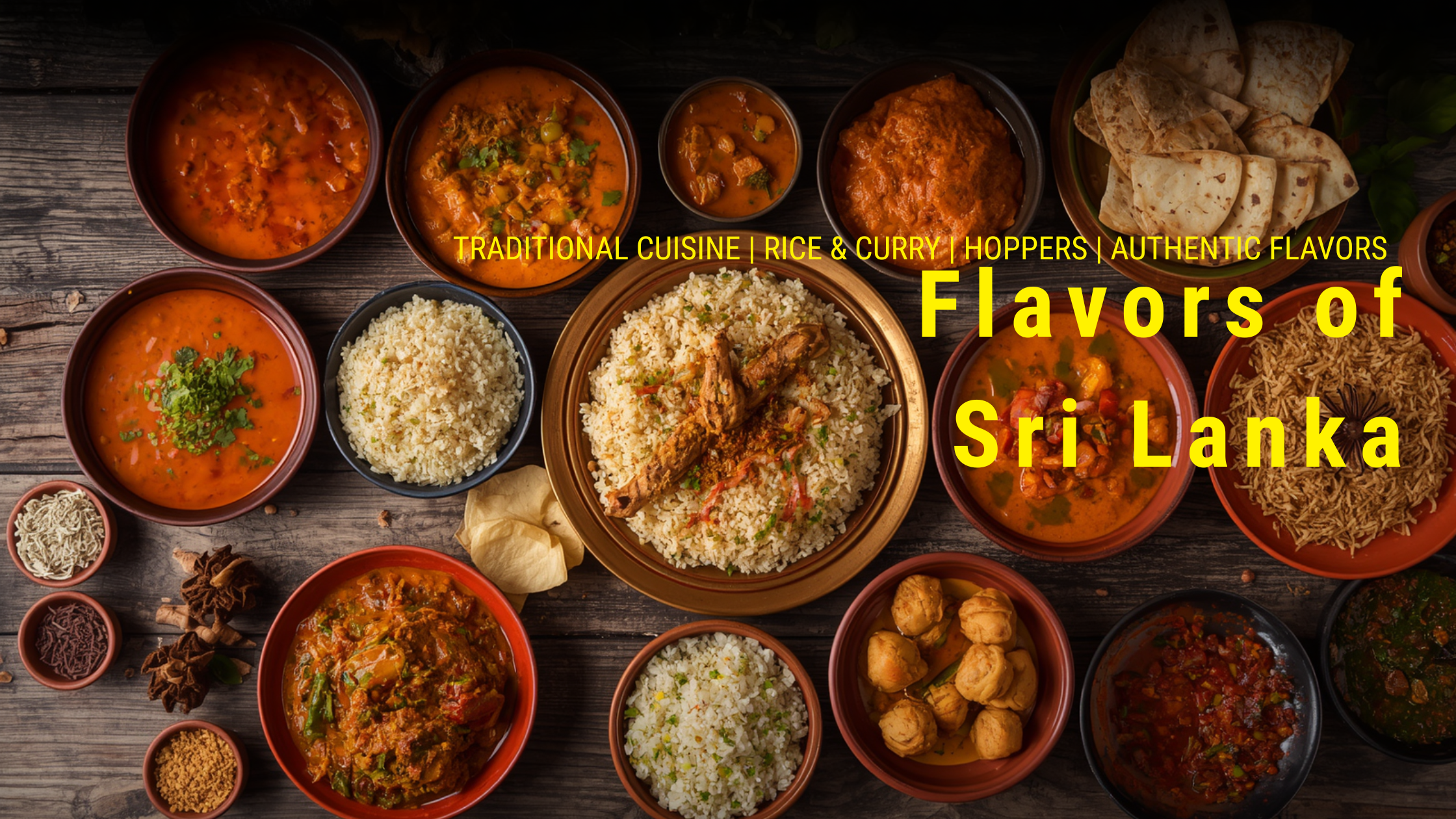
Often called the "Pearl of the Indian Ocean," Sri Lanka boasts a culinary landscape as vibrant and captivating as its stunning scenery. Traditional Sri Lankan food is a unique sensory journey, a rich tapestry of aromatic spices, tropical ingredients, and centuries of cultural history. Shaped by its island geography and its role as a historic trade hub, the cuisine features a remarkable blend of indigenous traditions with influences from Indian, Dutch, and Indonesian cooking. This fusion has created a distinct and unforgettable culinary identity that promises a delightful experience for any food lover.
Exploring authentic Sri Lankan food is more than just a meal; it's an immersion into the heart of the island's culture. From the bustling street food stalls of Colombo to the simple, home-cooked meals in rural villages, every dish tells a story of heritage and community. The complexity of flavors, the artful presentation, and the warmth of Sri Lankan hospitality combine to make dining an integral part of the island experience. Get ready to explore the most iconic dishes that define this incredible cuisine.
Essential Sri Lankan Dishes You Must Try
The foundation of Sri Lankan cooking rests on a few essential ingredients: rice, coconut, and an impressive array of spices. Rice is the undisputed staple, with many local varieties, including nutty red rice, forming the centerpiece of most meals. Coconut is ubiquitous, used in various forms—from creamy coconut milk that forms the base of most curries to grated coconut in fiery sambols. The island's fame for spices like true cinnamon, black pepper, cardamom, and cloves is evident in every fragrant and flavorful dish.
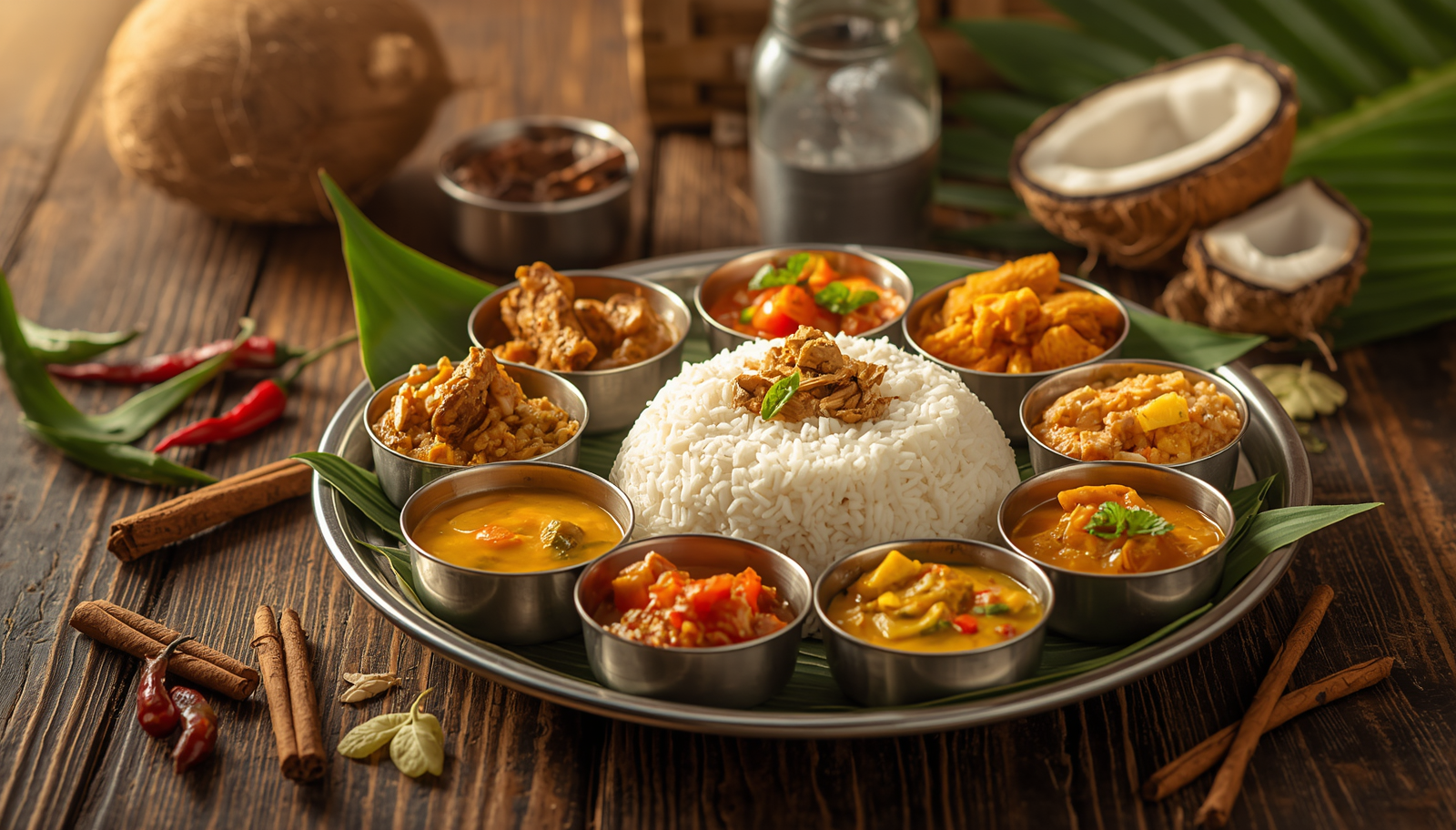
A typical Sri Lankan meal is a feast for the senses, usually consisting of a large serving of rice surrounded by multiple smaller dishes. This "rice and curry" spread is the national meal and showcases a brilliant balance of flavors and textures. Among the must-try traditional dishes are:
Rice & Curry: This is not a single dish but a complete meal. It features a plate of rice accompanied by a variety of curries, which can include fish or meat, dhal (lentil curry), and several vegetable options, along with pickles and sambols.
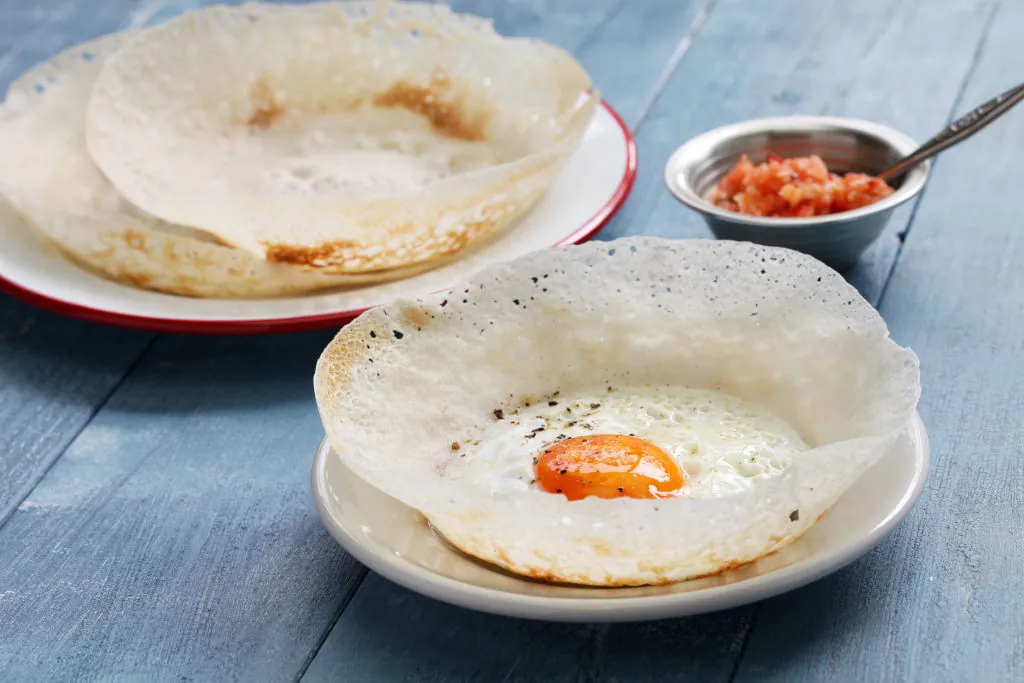
Hoppers (Appa): These are bowl-shaped pancakes made from a fermented batter of rice flour and coconut milk. They are crispy on the edges with a soft, spongy center and are often served with an egg cooked inside (egg hopper).
Kottu Roti: A beloved street food, kottu is made by chopping up godamba roti (a type of flatbread) on a hot griddle and stir-frying it with vegetables, egg, spices, and a choice of meat. The rhythmic sound of the chef's blades is a signature part of the experience.
Pol Sambol: No Sri Lankan meal is complete without this fiery and refreshing coconut relish. It's a simple yet powerful mix of freshly grated coconut, red onions, chili powder, lime juice, and salt.
Exploring the Diverse World of Sri Lankan Curries and Flavors
The world of Sri Lankan curries is incredibly diverse, offering something for every palate. From rich and spicy chicken or fish curries to comforting and creamy dhal, the variety is astounding. Unique vegetable curries like "polos" (young jackfruit curry) and cashew curry showcase the island's bountiful produce. The distinct flavor profiles come from spice blends that are often dry-roasted, creating a darker, smokier depth compared to their Indian counterparts. Key ingredients like pandan leaves, lemongrass, and goraka (a sour fruit) also contribute to their unique taste.
While often compared to South Indian cuisine due to shared roots and ingredients, Sri Lankan food has a character all its own. The most significant difference lies in the liberal use of coconut milk as the base for almost all curries, whereas Indian curries often start with an onion and tomato base. Furthermore, Sri Lankan cuisine uses dairy products sparingly, relying on coconut to provide richness.
Beyond the mainstays, other traditional food items are essential to the culinary landscape. String Hoppers (Indi Appa) are delicate nests of steamed rice flour noodles, perfect for soaking up curries. Pittu is a steamed cylinder of rice flour and grated coconut with a soft, crumbly texture. Lamprais, a legacy of the Dutch Burgher community, is a complex meal in one, featuring rice cooked in stock, mixed meat curry, and several accompaniments, all wrapped in a banana leaf and baked.
Experiencing Authentic Sri Lankan Cuisine
To truly experience the best traditional Sri Lankan food, one must be adventurous. Whether you are traveling across the island or searching for an authentic restaurant abroad, the key is to dive into the full spectrum of flavors. Don't shy away from the spicy sambols or the uniquely textured vegetable curries; they are integral to the experience. For an authentic taste, seek out small, local eateries—often called "hotels"—where you'll find home-style cooking at its finest.
For those looking for a deeper connection to the cuisine, participating in a cooking class can be a rewarding experience, offering insights into the techniques and ingredients that make these dishes so special. When exploring menus, look for regional specialties. Coastal areas are renowned for their fresh seafood curries, while the hill country offers a different array of vegetable-based dishes. Embracing the local way of eating—often with your hands—can also enhance the connection to the food and its culture. Ultimately, the best way to enjoy Sri Lankan cuisine is with an open mind and a hearty appetite, ready to savor every complex and delicious bite.
Additional Media

Sponsored