Exploring Sri Pada (Adam's Peak): Culture, History, and Hiking Tips
Rakshika Rathnayake7/13/20265 min read
Share:Facebook
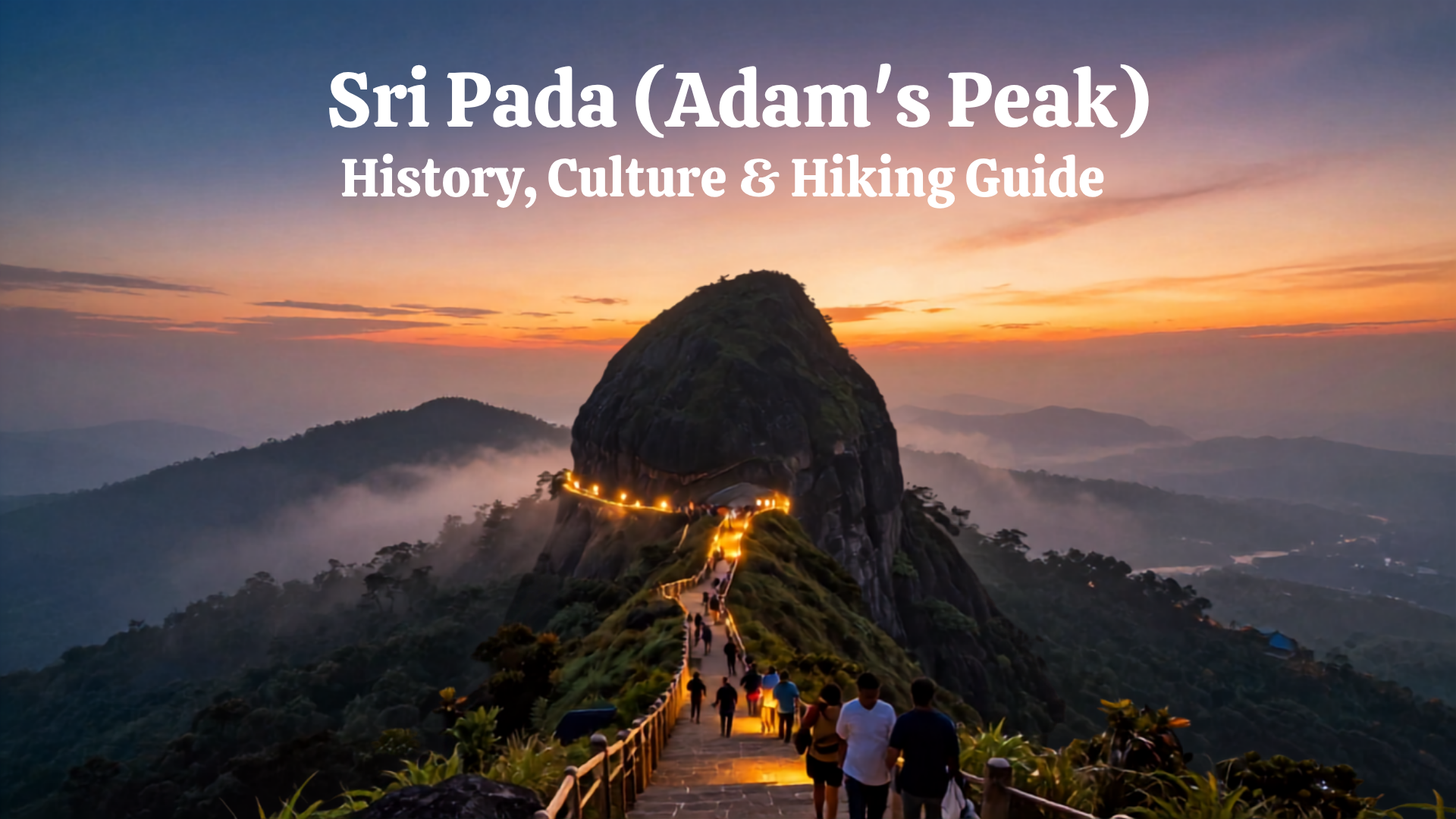
Rising dramatically from the lush central highlands of Sri Lanka, Sri Pada, more widely known as Adam's Peak, is a site of profound pilgrimage and a beacon of natural beauty. This conical mountain is more than just a geological wonder; it's a place where multiple faiths converge, creating a unique tapestry of cultural and religious significance. For centuries, pilgrims and travelers have made the arduous night trek to its summit, drawn by legends, faith, and the promise of a breathtaking sunrise. This guide offers a comprehensive look into the mountain's sacred history, the pilgrimage experience, and practical information for anyone planning a visit to this revered peak.
Key Takeaways
Sri Pada, or Adam's Peak, is a 2,243-meter-high mountain in central Sri Lanka revered by Buddhists, Hindus, Christians, and Muslims.
The site is famous for a rock formation near the summit called the "Sri Pada" or "sacred footprint," which each religion attributes to a different holy figure.
The official pilgrimage season typically runs from the full moon in December to the full moon in May, offering the best weather for the climb.
The most popular ascent route starts from the village of Dalhousie (Nallathanniya) and involves climbing approximately 5,500 steps over a distance of about 7 kilometers.
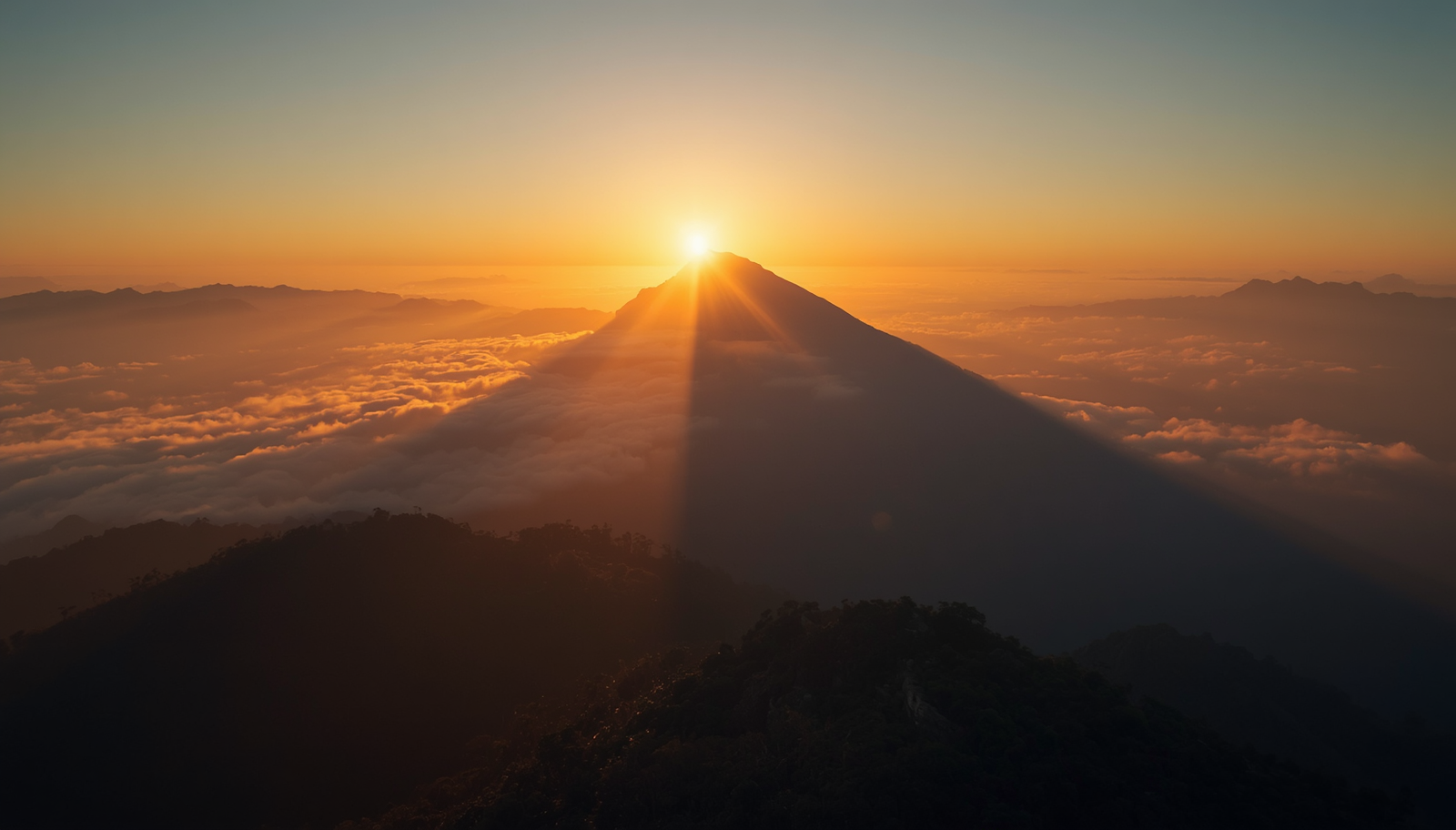
The climb usually takes 3 to 6 hours, with most starting around 2 AM to reach the summit for the spectacular sunrise and to witness the mountain's triangular shadow.
The mountain is located within the Peak Wilderness Sanctuary, a UNESCO World Heritage Site known for its rich biodiversity.
The Sacred History and Multiple Names of Sri Pada
The mountain is known by several names, each reflecting its diverse cultural importance. To the Sinhalese, it is often called Sri Pada, which translates to "the sacred foot," or Samanalakanda, meaning "Butterfly Mountain," where butterflies are said to go to die. The name Adam's Peak, popularized by Western visitors, stems from the Islamic and Christian belief that this was the first place Adam set foot on Earth after being cast out of paradise. Hindus refer to the peak as Sivan Adi Padham or Sivanolipatha Malai, believing the footprint belongs to Lord Shiva.
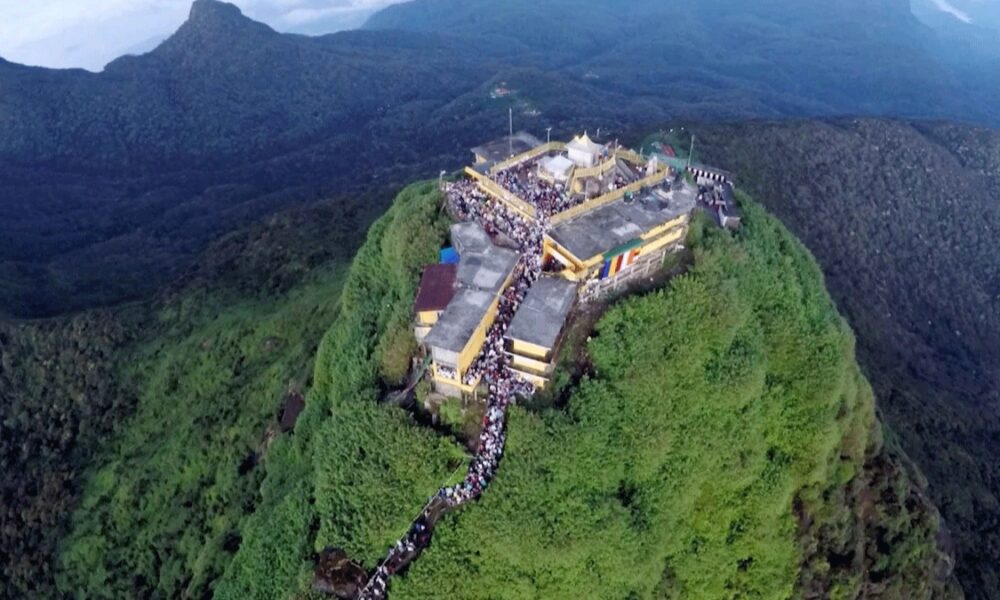
At the heart of this reverence is the enigmatic 1.8-meter rock formation at the summit, which resembles a large footprint. For Buddhists, it is unequivocally the footprint of the Buddha, left during his third visit to Sri Lanka. This belief makes Sri Pada one of the most sacred Buddhist pilgrimage sites in the country. The convergence of these different beliefs at a single site is a powerful symbol of Sri Lanka's long history of religious harmony, where pilgrims of all faiths climb the same steps to pay homage to the sacred footprint, or "adams rock sri lanka," in their own way.
Planning Your Pilgrimage or Hike to Sri Pada
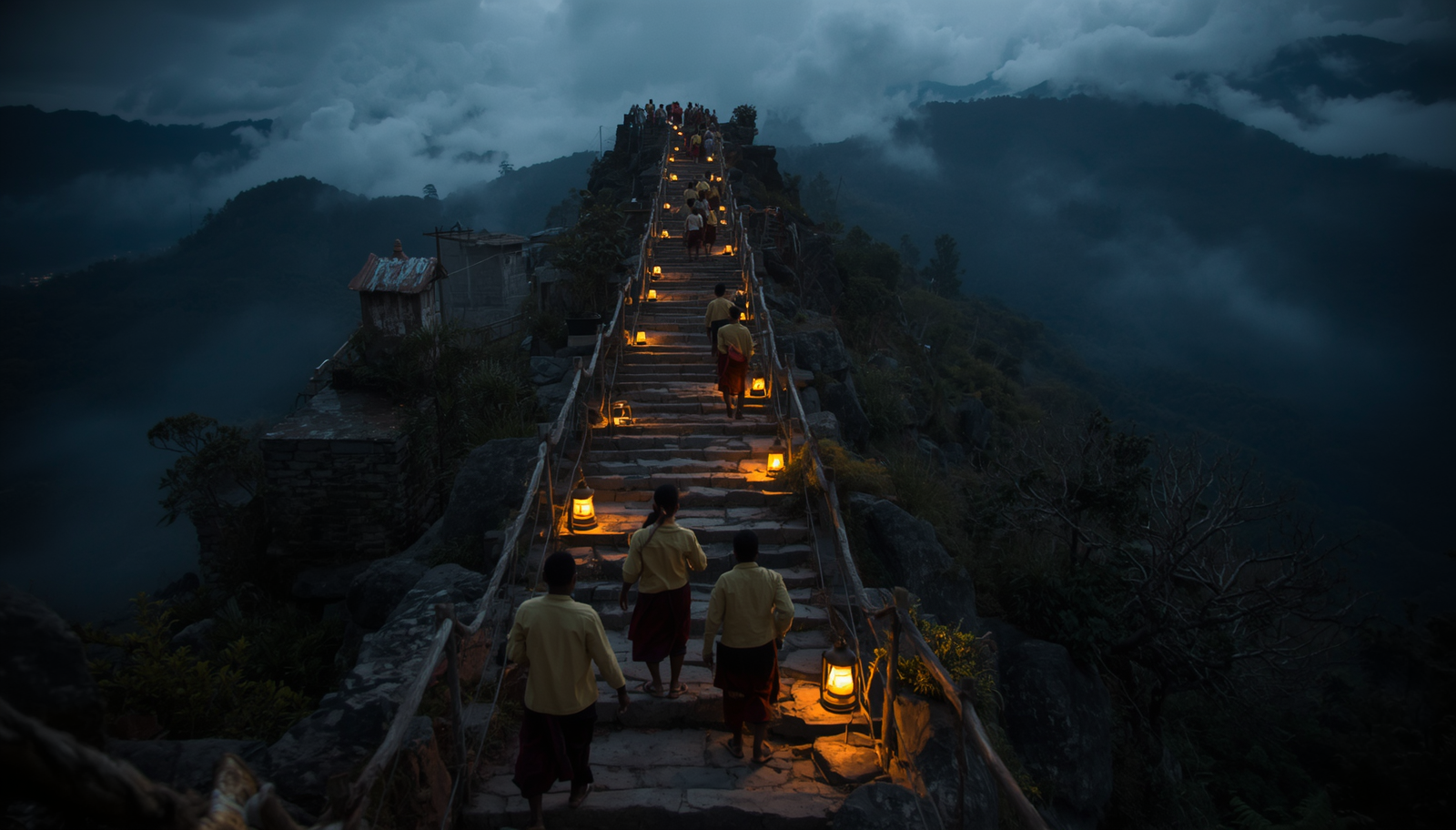
The best time to undertake the pilgrimage to Sri Pada is during the official season, which traditionally begins on the Unduvap Poya day (the full moon in December) and ends on the Vesak Poya day (the full moon in May). During these months, the weather is most favorable, and the path is illuminated by a string of lights, making the night ascent safer and more festive. Climbing outside this season is possible but can be hazardous due to heavy rain, strong winds, and the absence of trail lights and open stalls.
There are several routes to the summit, but the most common starting point for tourists and pilgrims is the village of Dalhousie (Nallathanniya), accessed via Hatton. The Hatton route is the shortest and steepest, covering a walking distance of about 7 kilometers and involving an ascent up approximately 5,500 steps. Depending on your fitness level, this climb can take anywhere from 3 to 6 hours. The Ratnapura-Palabaddala route is a longer, more traditional path that is more strenuous but offers a different experience through dense forests. Along the popular routes, especially during the season, you will find numerous tea stalls and rest stops where you can refresh yourself. Physical preparation is recommended, as the thousands of uneven Sri Pada steps can be challenging, particularly on the descent.
Understanding the Majestic Height and Geography of Sri Pada
Sri Pada mountain stands at a majestic height of 2,243 meters (7,359 feet) above sea level. This elevation makes it Sri Lanka's fifth-highest peak, though its dramatic conical shape and isolation from other mountains of similar size give it a prominence that belies its rank. The Sri Padaya height in kilometers is approximately 2.24 km. The mountain is located in the southern reaches of the Central Highlands, straddling the Ratnapura and Nuwara Eliya districts within the Sabaragamuwa and Central Provinces.
The peak is part of the vast Peak Wilderness Sanctuary, a protected area that, along with the Horton Plains National Park and the Knuckles Mountain Range, forms the Central Highlands of Sri Lanka UNESCO World Heritage Site. This region is a crucial watershed for four of Sri Lanka's major rivers, including the Mahaweli. One of the most awe-inspiring natural phenomena visible from the summit is the "shadow of the peak." At sunrise, the mountain casts a perfectly triangular shadow on the clouds below, an optical illusion that has captivated viewers for centuries and adds to the mystical allure of the pilgrimage.
Conclusion
Sri Pada, or Adam's Peak, is far more than a mountain to be climbed; it is a journey into the spiritual heart of Sri Lanka. Its significance transcends a single religion, offering a rare example of peaceful, shared worship that has endured for over a thousand years. The physical challenge of ascending thousands of steps in the dark is rewarded tenfold by the sense of camaraderie among pilgrims, the profound spiritual atmosphere, and the unforgettable spectacle of dawn from the summit. The sight of the sun rising over the island's highlands and the mountain's mystical triangular shadow is a moment of pure magic that stays with visitors long after their descent. Whether you are a devout pilgrim or an adventurous traveler, the experience of climbing Sri Pada offers a unique connection to nature, faith, and the rich cultural heritage of Sri Lanka. This sacred peak truly represents a journey that elevates both the body and the soul, making it an essential Sri Lankan experience.
Frequently Asked Questions
Q: What is the best time of year to climb Sri Pada (Adam's Peak)?
A: The official pilgrimage season, from the full moon in December to the full moon in May, is the best time to climb. During this period, the weather is most favorable, and the path is lit at night.
Q: How long does it take to climb Adam's Peak?
A: The ascent from the most popular route (Dalhousie/Nallathanniya) typically takes between 3 to 6 hours, depending on your fitness level and the crowds. The descent is usually faster, taking about 2 to 3 hours.
Q: How high is Sri Pada mountain?
A: The height of Sri Pada mountain is 2,243 meters, which is equivalent to 7,359 feet.
Q: Why is it called Adam's Peak?
A: The name comes from the Islamic and Christian tradition that believes the footprint-shaped rock formation at the summit is where Adam first set foot on Earth after being expelled from the Garden of Eden.
Q: How many steps are there on the Sri Pada climb?
A: The most commonly used route from Dalhousie has approximately 5,500 steps, which can be uneven and steep in sections.
Q: What district is Adam's Peak in?
A: Adam's Peak is located on the border of the Ratnapura District and the Nuwara Eliya District in Sri Lanka.
Q: Do you need a guide to climb Sri Pada?
A: During the pilgrimage season, a guide is generally not necessary as the path is well-lit and crowded with other climbers. Outside of the season, a guide might be advisable due to the lack of lights and other people on the trail.
Additional Media