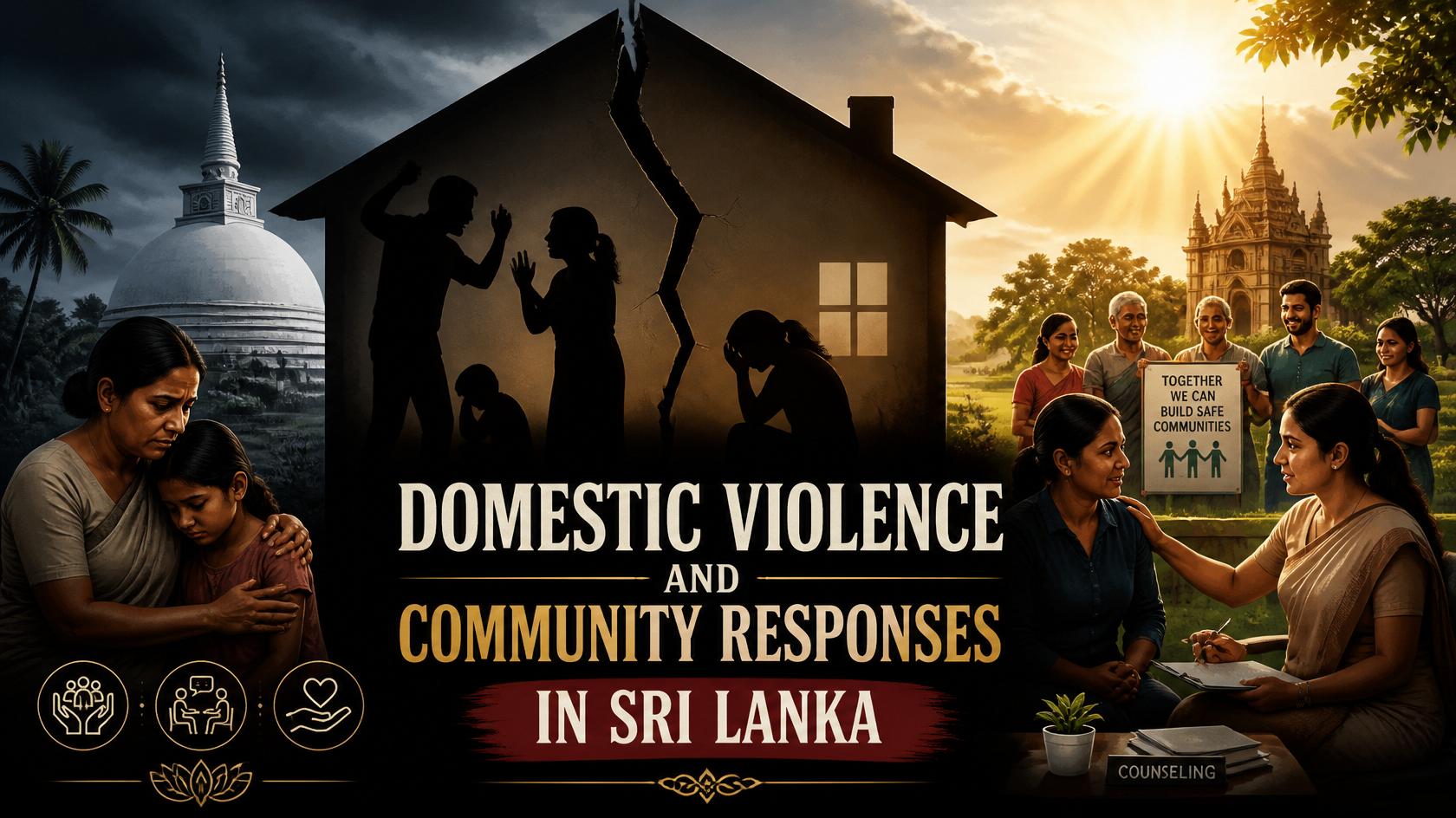
Domestic Violence and Community Responses in Sri Lanka
Rakshika Rathnayake7/24/20265 min read
Share:Facebook
Introduction
Domestic violence remains one of the most significant social issues affecting communities worldwide, and Sri Lanka is no exception. It is a complex problem that transcends age, gender, ethnicity, religion, and socioeconomic status. Domestic violence refers to abusive behavior within a family or intimate relationship, including physical, emotional, psychological, sexual, and economic abuse. Although women and children are the most common victims, men and elderly individuals can also experience domestic violence.
In Sri Lanka, domestic violence has gained increased public attention over the past two decades due to growing awareness campaigns, legal reforms, and the efforts of governmental and non-governmental organizations. However, many cases remain unreported due to social stigma, fear of retaliation, economic dependency, and cultural norms that discourage victims from speaking out.
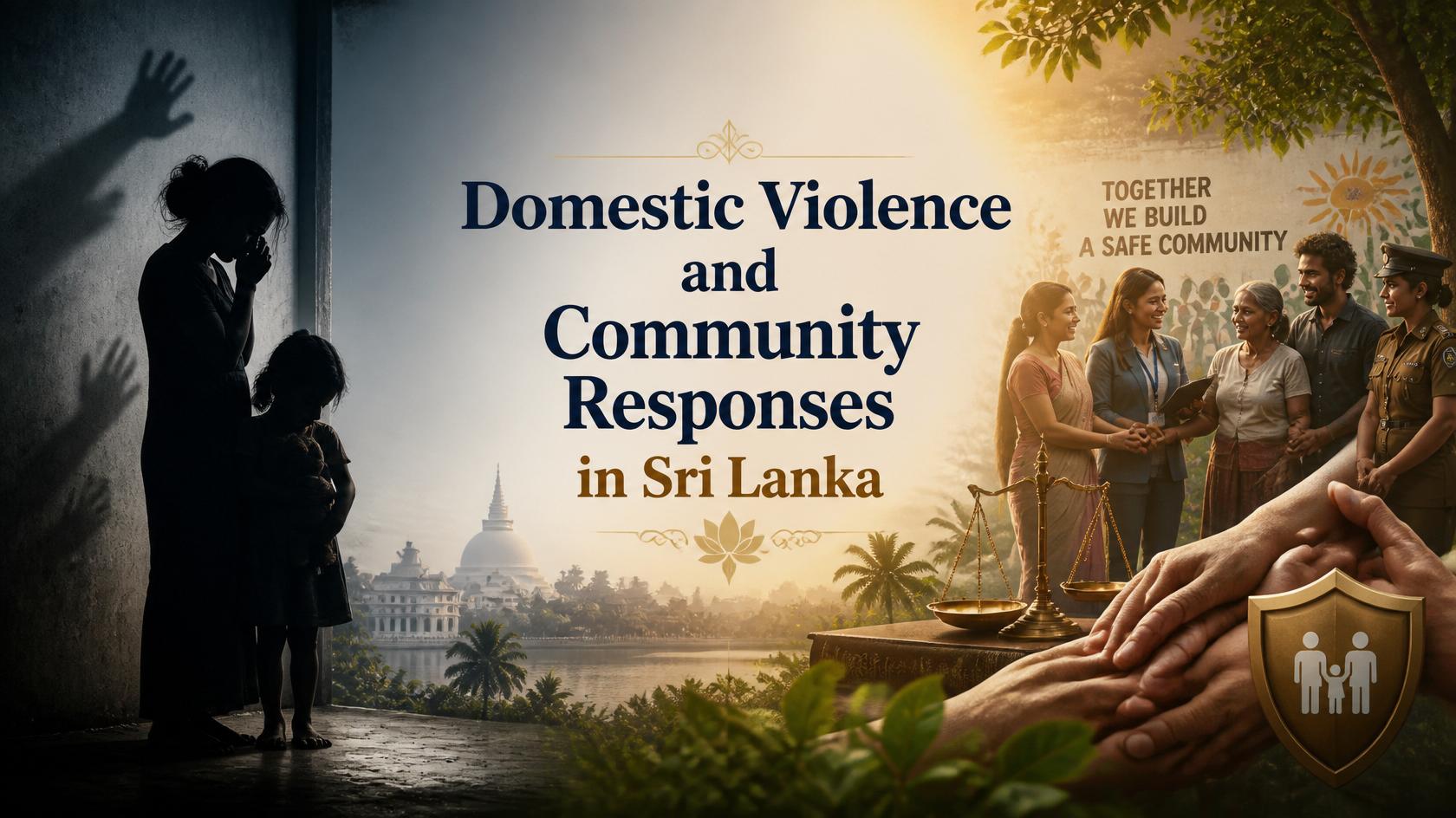
Communities play a vital role in preventing domestic violence and supporting survivors. Effective community responses can help create safer environments, promote awareness, and ensure that victims receive the protection and assistance they need. This article examines the nature of domestic violence in Sri Lanka, its causes and consequences, and the role of communities in addressing this pressing social issue.
Understanding Domestic Violence
Domestic violence is not limited to physical assault. It encompasses a wide range of harmful behaviors intended to control, intimidate, or harm another person within a domestic setting. Common forms of domestic violence include:
Physical abuse: Hitting, slapping, kicking, or causing bodily harm.
Emotional abuse: Insults, humiliation, threats, and manipulation.
Psychological abuse: Intimidation, isolation, and controlling behavior.
Sexual abuse: Forced sexual acts without consent.
Economic abuse: Restricting access to money, employment, or financial resources.
Domestic violence often follows a cycle that includes tension-building, abusive incidents, reconciliation, and temporary calm before violence occurs again. Understanding this cycle is essential for recognizing abusive relationships and providing timely support to victims.
Domestic Violence in the Sri Lankan Context
Domestic violence in Sri Lanka is influenced by various social, cultural, and economic factors. Traditional gender roles, patriarchal attitudes, and societal expectations sometimes contribute to unequal power dynamics within households.
Many victims remain silent because they fear social judgment or believe that family matters should remain private. In some communities, women may face pressure to maintain their marriage despite experiencing abuse. Economic dependence on abusive partners also makes it difficult for victims to leave harmful environments.
Urbanization, financial stress, unemployment, substance abuse, and mental health issues have further contributed to domestic conflicts. Additionally, the COVID-19 pandemic highlighted the vulnerability of many families, as lockdowns and economic uncertainty reportedly increased instances of domestic violence in several parts of the country.
Although domestic violence affects individuals across all social classes, marginalized communities often face additional barriers in accessing support services and legal protection.
Causes of Domestic Violence
Several factors contribute to domestic violence in Sri Lanka:
1. Cultural and Social Norms
Traditional beliefs regarding gender roles may reinforce the idea that men should exercise authority within the household. Such attitudes can normalize controlling behavior and discourage victims from seeking help.
2. Economic Stress
Financial difficulties, unemployment, and debt can increase tension within families, leading to conflicts that may escalate into violence.
3. Alcohol and Substance Abuse
Excessive alcohol consumption and drug use are frequently associated with domestic violence. Substance abuse can impair judgment, increase aggression, and contribute to abusive behavior.
4. Lack of Education and Awareness
Limited understanding of healthy relationships, legal rights, and support services can prevent individuals from recognizing or addressing domestic violence.
5. Intergenerational Violence
Children who witness domestic violence may be more likely to experience or perpetuate abusive relationships later in life, creating a cycle of violence across generations.
Consequences of Domestic Violence
Domestic violence has far-reaching consequences that affect individuals, families, and society as a whole.
Physical and Mental Health Effects
Victims may suffer injuries, chronic pain, anxiety, depression, post-traumatic stress disorder (PTSD), and other long-term health problems. Emotional trauma can persist long after physical wounds have healed.
Impact on Children
Children exposed to domestic violence often experience emotional distress, behavioral problems, and academic difficulties. Witnessing violence can negatively influence their sense of security and development.
Economic Consequences
Domestic violence can reduce productivity, increase healthcare costs, and contribute to financial instability for both victims and society.
Social Impact
Communities affected by domestic violence may experience weakened social cohesion and increased demand for social services, healthcare, and legal assistance.
Legal Framework in Sri Lanka
Sri Lanka has taken important steps to address domestic violence through legal measures. The Prevention of Domestic Violence Act, No. 34 of 2005, provides legal protection for victims by allowing courts to issue protection orders against perpetrators.
Victims can seek assistance from:
The Sri Lanka Police, including Women and Children's Desks.
Legal Aid Commission services.
Social service organizations.
Women's shelters and counseling centers.
Non-governmental organizations working on gender-based violence.
While legal protections exist, challenges remain regarding implementation, accessibility, and public awareness. Strengthening legal systems and improving access to support services are essential for ensuring justice for survivors.
Community Responses to Domestic Violence
Communities play a critical role in preventing and responding to domestic violence. Effective community responses include:
1. Awareness and Education Programs
Community organizations, schools, and religious institutions can conduct awareness campaigns to educate people about domestic violence, legal rights, and available support services.
Educational programs should promote gender equality, respectful relationships, and non-violent conflict resolution.
2. Support Networks
Neighbors, friends, and community leaders can provide emotional support and encourage victims to seek professional assistance. Community-based support groups help survivors share experiences and rebuild confidence.
3. Religious and Cultural Leaders
Religious leaders often hold significant influence within Sri Lankan communities. They can advocate against domestic violence and encourage compassionate responses toward survivors.
4. Collaboration Between Institutions
Police, healthcare providers, schools, local government authorities, and non-governmental organizations should work together to create coordinated responses to domestic violence.
5. Youth Engagement
Young people can play an important role in challenging harmful stereotypes and promoting positive social change. Youth-led initiatives can help foster a culture of respect and equality.
The Way Forward
Addressing domestic violence requires collective action from individuals, communities, and institutions. Future efforts should focus on:
Strengthening legal protections and enforcement.
Expanding access to counseling and shelter services.
Increasing public awareness campaigns.
Promoting gender equality and human rights education.
Supporting economic empowerment initiatives for survivors.
Encouraging community participation in prevention efforts.
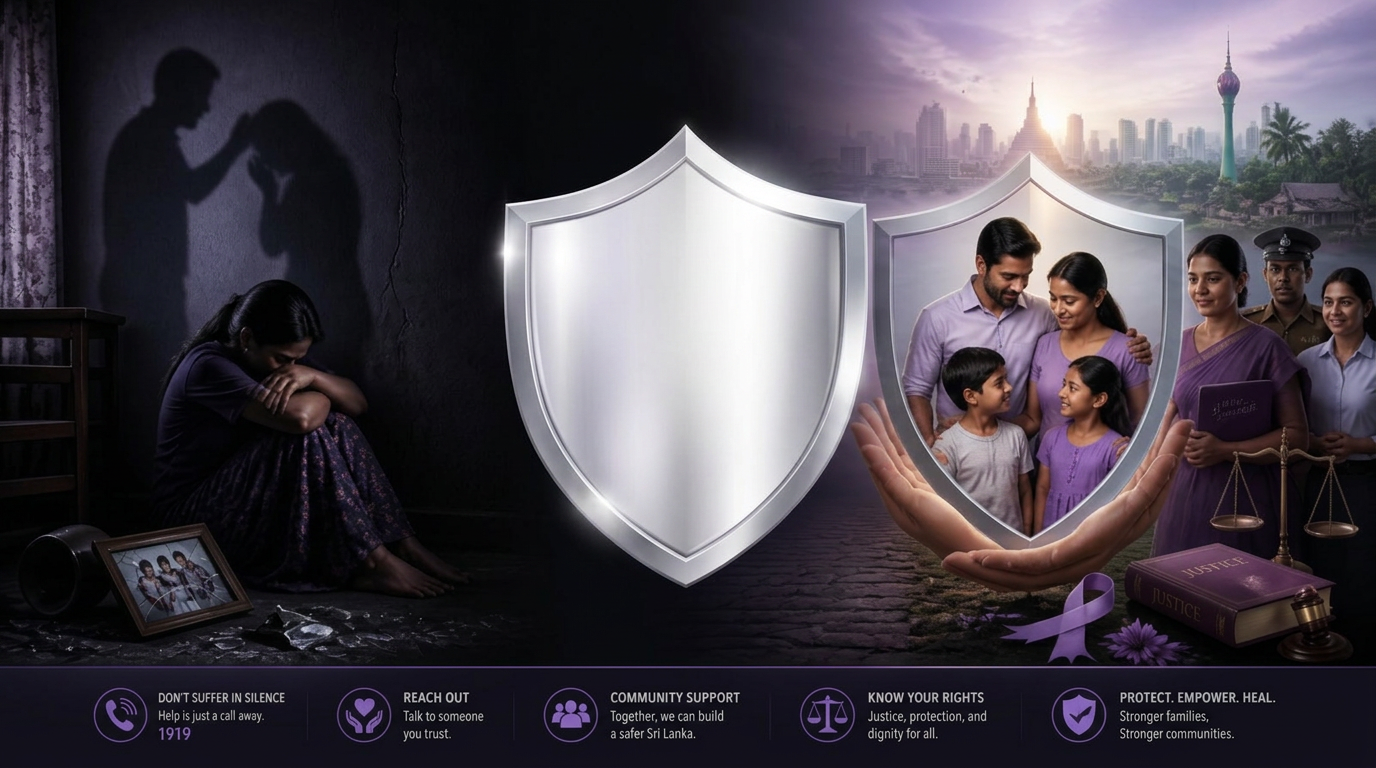
Technology can also support prevention by improving access to information, helplines, and reporting mechanisms for victims.
Conclusion
Domestic violence is a serious social issue that affects countless individuals and families in Sri Lanka. While legal reforms and awareness initiatives have contributed to progress, significant challenges remain. Cultural attitudes, economic dependency, and social stigma continue to prevent many victims from seeking help.
Communities have a responsibility to create environments where domestic violence is neither tolerated nor ignored. Through education, support networks, institutional collaboration, and collective action, Sri Lanka can move toward a future where every individual has the right to live in safety, dignity, and peace.
By strengthening community responses and promoting a culture of respect and equality, Sri Lanka can make meaningful progress in addressing domestic violence and supporting survivors across the country.
Additional Media