


Sponsored
Discovering Sigiriya Rock: Sri Lanka's Ancient Fortress in the Sky
Rakshika Rathnayake7/4/20265 min read
Share:Facebook
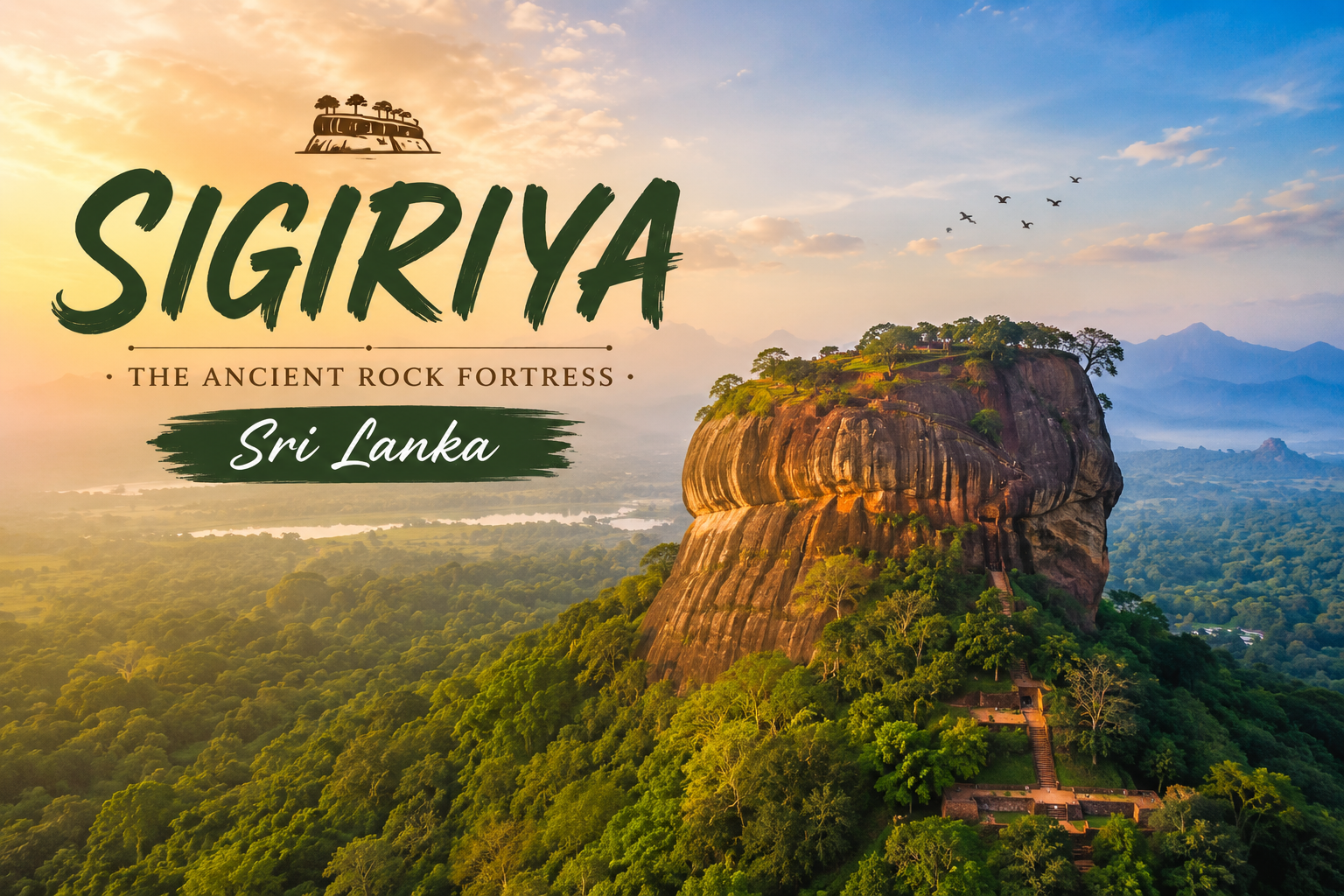
Rising dramatically from the central plains of Sri Lanka, a colossal pillar of rock commands the landscape. This is Sigiriya, an ancient fortress, a former royal palace, and a testament to the island's astonishing history and artistry. More than just a geological marvel, Sigiriya is one of the most important historical and archaeological sites in Sri Lanka, a place where nature and human ingenuity have merged to create something truly unforgettable.
Recognized as a UNESCO World Heritage site since 1982, this marvel is often hailed as the eighth wonder of the world. Its most common nickname, "Lion Rock," hints at the grand gateway that once guarded the final ascent to the summit. This article will guide you on a journey through time, exploring the dramatic story of Sigiriya's creation, the breathtaking attractions you'll encounter on its ascent, and the practical information you need to plan your own visit to this fortress in the sky.
A Royal Fortress in the Clouds: Sigiriya was transformed into a spectacular palace and fortress in the 5th century by King Kashyapa, who chose the 180-meter-high rock for its natural defensive advantages.
Artistic and Engineering Marvel: The site is renowned for its ancient frescoes of celestial maidens, a highly polished "Mirror Wall" with centuries-old graffiti, and some of the oldest landscaped gardens in the world.
The "Lion Rock": The name Sigiriya (or *Sinhagiri*) means Lion Rock, a reference to the colossal lion statue whose paws still guard the entrance to the final staircase leading to the summit palace.
A UNESCO World Heritage Site: Its unique blend of ancient urban planning, sophisticated hydraulic engineering, and priceless art earned it a place on the prestigious UNESCO list.
A Rewarding Climb: The ascent involves around 1,200 steps and offers panoramic views of the surrounding jungle and plains, making it a must-do for visitors to Sri Lanka.
What is Sigiriya? Unveiling Sri Lanka's Iconic Lion Rock
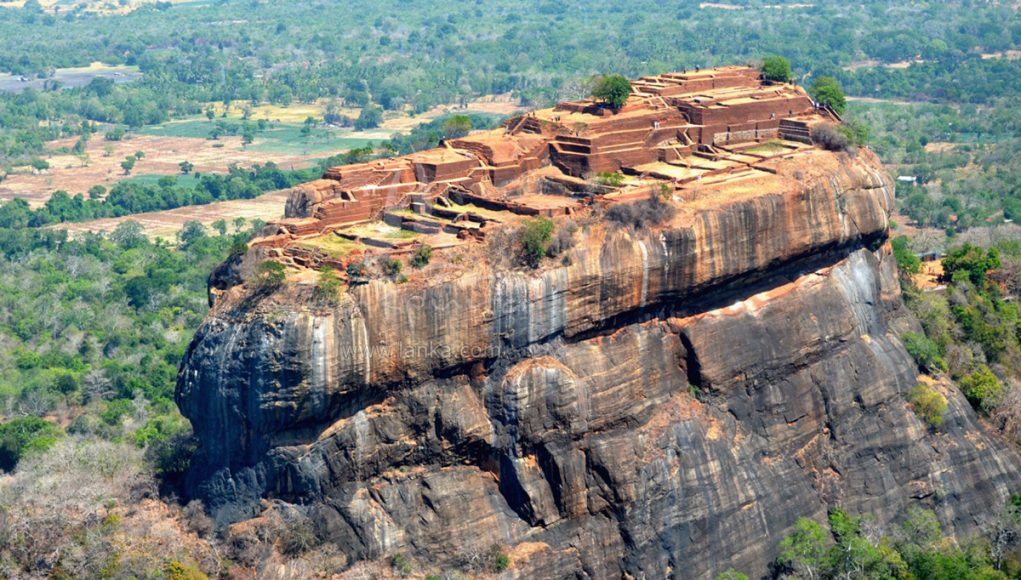
Sigiriya is an ancient rock fortress and palace complex built atop a massive 180-meter (nearly 600-foot) column of granite. Located in the Matale District in the Central Province of Sri Lanka, near the town of Dambulla, it stands as one of the most well-preserved examples of ancient urban planning in the world. The site is a complex creation, featuring the ruins of a magnificent upper palace on the flat summit, a mid-level terrace with the famous Lion Gate, a polished Mirror Wall with ancient frescoes, and extensive lower palaces and gardens that stretch out from the base.
The popular name, "Lion Rock," comes from the gateway to the palace on the summit. Originally, the final staircase to the top began its ascent through the open mouth of a colossal brick-and-plaster lion. Today, only the gigantic paws of the lion remain, but they provide a powerful sense of the structure's original grandeur and its symbolic importance as a royal and defensive stronghold. This unique feature is what gives Sigiriya its name, derived from the ancient term *Sinhagiri*.
In recognition of its extraordinary cultural importance and ingenious design, Sigiriya was designated a UNESCO World Heritage Site in 1982. It is celebrated not just for its dramatic palace but for the harmonious integration of symmetrical water gardens, terraced gardens, and natural boulder gardens, which are among the oldest landscaped gardens in the world. This distinction highlights its status as a site of global heritage, a treasure of human history that continues to captivate all who visit.
A Journey Through Time: The Rich History of Sigiriya
The story of Sigiriya is a dramatic saga of power, betrayal, and architectural ambition centered around King Kashyapa, who reigned from 477 to 495 CE. Kashyapa was the son of King Dhatusena but not the rightful heir; his younger brother, Moggallana, was born to the queen and held the legitimate claim to the throne. Driven by ambition and fear, Kashyapa seized the throne by overthrowing his father and walling him up alive. His brother Moggallana, fearing for his life, fled to South India to raise an army and reclaim his birthright.
Consumed by paranoia and fearing his brother's inevitable return, King Kashyapa moved the capital from the traditional seat of Anuradhapura to the naturally fortified location of Sigiriya. He transformed the towering rock into an impregnable fortress and a lavish palace in the sky, a symbol of his power and a defense against his enemies. This monumental construction project involved creating sophisticated water systems, beautiful gardens, and the stunning palace complex on the summit.
Kashyapa's reign was ultimately short-lived. In 495 CE, Moggallana returned with his army, and Kashyapa was defeated in the ensuing battle. Following his death, the magnificent palace was abandoned, and the site was handed over to Buddhist monks, who used it as a monastery until the 14th century. Afterward, Sigiriya gradually fell into disuse and was largely forgotten by the outside world, reclaimed by the jungle until it was rediscovered by British archaeologists and antiquarians in the 19th century.
Ascending the Lion Rock: Key Attractions and Breathtaking Views
The climb to the top of Sigiriya Rock is an unforgettable journey through ancient gardens, past artistic treasures, and up a series of staircases that reveal ever-more-stunning vistas. The ascent involves approximately 1,200 steps, a mix of ancient stone stairs and modern metal ones, and is a moderately challenging but deeply rewarding experience. As you move from the base to the summit, you'll pass through distinct levels, each with its own unique attractions.
The journey begins in the meticulously planned Water Gardens at the foot of the rock, a symmetrical marvel of pools, fountains, and channels that showcase the advanced hydraulic engineering of the 5th century. From there, the path winds through Boulder Gardens and Terraced Gardens before the steep ascent truly begins. The physical effort of the climb is significant, especially in the tropical heat, but every stage offers a new perspective and a chance to marvel at the ingenuity of its creators. The ultimate reward is the panoramic 360-degree view from the summit, a breathtaking sight that stretches for miles across the surrounding plains and forests.
The Sigiriya Frescoes: Heavenly Maidens
About halfway up the rock, sheltered in a protected pocket on the sheer western face, you will find the world-renowned Sigiriya Frescoes. These ancient paintings depict beautiful, ethereal women, often referred to as the "Maidens of the Clouds" or *Apsaras*. Painted with vibrant colors and delicate detail, they are celebrated for their remarkable artistic quality and their state of preservation after more than 1,500 years. Originally, it is believed there were as many as 500 of these figures stretching across the rock face, though only about 21 remain today. The identity and purpose of these maidens remain a mystery; some scholars believe they represent celestial nymphs, while others suggest they are portraits of King Kashyapa's royal consorts and concubines.
The Mirror Wall: Ancient Graffiti
Just past the frescoes, the path is flanked by the Mirror Wall, or *Katapath Paura*. This wall was originally coated with a special plaster and polished so intensely that it shone like a mirror, allowing the king to see his reflection as he walked by. Over the centuries, from as early as the 7th century, visitors to the rock began to write their impressions, poems, and thoughts on its gleaming surface. These inscriptions, known as the "Sigiri graffiti," are some of the oldest examples of the Sinhalese language in existence. They provide invaluable insight into the minds of these early visitors, many of whom wrote verses in praise of the beauty of the frescoed maidens.
The Lion Paw Terrace: Gateway to the Summit
One of the most iconic and dramatic features of Sigiriya is the Lion Paw Terrace. This is the final plateau before the steep ascent to the summit palace. Here, you will find the remains of the colossal lion statue that gave the rock its name. Visitors would have originally passed through the lion's gaping mouth to climb the final set of stairs. Today, only the two massive, clawed paws and the surrounding masonry remain, but they are enough to evoke the awe-inspiring scale and grandeur of the original gateway. This architectural marvel served as both a ceremonial entrance and a final, intimidating line of defense for the palace above.
The Summit Palace: A Royal Legacy
After the final, steep climb up a modern metal staircase, you reach the summit—a sprawling, windswept plateau that was once the site of King Kashyapa's palace. While only the foundations and lower portions of the buildings remain, they clearly outline the layout of a sophisticated complex. You can wander through the ruins of the royal palace, audience halls, and service buildings. The summit also features a large, rock-cut pool that still holds water, a testament to the incredible engineering prowess required to supply water to the top of the rock. The views from here are unparalleled, offering a true sense of why this was chosen as a king's celestial abode.
Planning Your Unforgettable Visit to Sigiriya
A trip to the magnificent Lion Rock requires some planning to ensure a comfortable and memorable experience. Practical considerations like timing, what to bring, and how to get tickets can make all the difference. With the right preparation, your visit to this ancient fortress will be a highlight of your Sri Lankan adventure.
The best time of year to visit Sigiriya is during the dry season, which typically runs from late December to early April. During these months, you can expect clearer skies and less rain, making the climb safer and the views more spectacular. To avoid the intense midday heat and the largest crowds, it's highly recommended to start your climb either early in the morning, right when the site opens, or later in the afternoon. An early morning visit between 6:30 AM and 9:30 AM offers cooler temperatures, while a late afternoon climb around 3:00 PM allows you to experience the golden light of sunset from the top.
When preparing for your visit, be sure to pack essentials such as plenty of water, a hat, sunscreen, and sunglasses, as much of the climb is exposed to the sun. Comfortable, sturdy walking shoes are a must for navigating the 1,200 steps. And, of course, don't forget your camera to capture the stunning frescoes and panoramic views. Transportation to Sigiriya is readily available from nearby towns like Dambulla and Habarana, with options including local buses, tuk-tuks, and rental cars. Numerous accommodation options are available in the surrounding area, ranging from budget guesthouses to luxury hotels, many offering incredible views of the rock itself.
Ticket Purchasing and Costs
Tickets for Sigiriya can be purchased at the main ticket counter near the entrance. It's advisable to carry cash, as card machines can sometimes be unreliable. As of 2026, the entrance fees for foreign tourists are as follows:
Foreign Adult (Non-SAARC): $30 - $35 USD
Foreign Child (6-12 years, Non-SAARC): $15 - $20 USD
SAARC Nationals (Adult & Child): $15 - $20 USD
Children under the age of six can typically enter for free. The ticket price includes access to the Sigiriya Fortress, the surrounding gardens, and the Sigiriya Museum, which is located near the entrance and offers valuable historical context. To avoid long queues, especially during peak season, you can also purchase e-tickets in advance through the official website of Sri Lanka's Central Cultural Fund.
Additional Media

Sponsored