Sponsored
Discovering Galle Fort: A UNESCO World Heritage Site in Sri Lanka
Rakshika Rathnayake7/13/20265 min read
Share:Facebook
Perched on the southwestern coast of Sri Lanka, Galle Fort is a magnificent testament to centuries of history, a place where European colonial architecture and vibrant South Asian culture merge. This sprawling fortress is not merely a relic of the past; it is a living, breathing city, its ancient ramparts enclosing a world of narrow cobblestone streets, colonial-era buildings, and a bustling community. The Galle Dutch Fort, as it is often called, offers a unique glimpse into the island's colonial heritage, from its initial construction by the Portuguese to its extensive fortification by the Dutch and subsequent modifications by the British. This guide will explore the rich history, stunning architectural features, and the modern-day allure that make the fort in Galle, Sri Lanka, an unmissable destination and a celebrated UNESCO World Heritage Site.
A Living Legacy: Galle Fort is one of the best-preserved examples of a European-built fortified city in South and Southeast Asia.
Colonial History: The fort's history spans three major European powers: Portugal, the Netherlands, and Great Britain.
Architectural Fusion: Discover a unique blend of European military architecture and South Asian traditions within its walls.
Vibrant Present: Today, the Galle Fort area is a hub of boutique hotels, charming cafes, art galleries, and artisan shops.
Must-Do Activities: Walking the ramparts at sunset, exploring the Dutch Reformed Church, and visiting the iconic Galle Lighthouse are essential experiences.
The Enduring History of Galle Dutch Fort
The history of Galle Fort is a layered narrative of conquest and trade. The story begins with the Portuguese, who first landed in Galle in 1505. Fleeing from attacks by a local Sinhalese king, they constructed the first rudimentary fortification here in 1588, a simple structure of mud and palm trees they named Santa Cruz. This initial outpost served as a strategic base for their lucrative cinnamon trade for over half a century. The Portuguese occupation marked the beginning of European influence on the island, lasting until the mid-17th century.
In 1640, a new colonial power arrived. The Dutch East India Company (VOC), in alliance with a local king, captured the fort from the Portuguese after a fierce battle. Recognizing its strategic importance, the Dutch began an extensive rebuilding project from 1649 onwards, transforming the modest outpost into the formidable granite fortress we see today. For the Dutch, who ruled the coastal areas until 1796, the Galle fortress was a vital administrative and commercial hub, protecting their monopoly on the spice trade.
The final chapter of its colonial history began in 1796, when the British took control of the fort without a fight, just a week after capturing Colombo. Unlike their predecessors, the British made fewer structural changes, adapting the existing Dutch fortifications for their administrative needs. They built the iconic Galle Lighthouse in 1939 and a clock tower, adding a Victorian layer to the fort's architectural tapestry. The British held the fort until Sri Lanka gained independence in 1948. Recognizing its immense historical and cultural value, the Old Town of Galle and its fortifications were designated a UNESCO World Heritage Site in 1988.
Architectural Marvels of the Old Dutch Fort Galle
The architecture of the Old Dutch Fort in Galle is a masterclass in 17th-century military engineering. The most dominant features are the massive ramparts and the fourteen bastions that encircle the 52-hectare peninsula. Built from solid granite and coral, these walls were designed to withstand attacks from the sea. Visitors can walk along the entire perimeter, passing notable bastions like the Star, Moon, and Sun bastions on the landward side and Flag Rock Bastion, a popular spot for watching the sunset, on the seaward side. Each bastion had a specific defensive purpose, housing cannons and watchtowers to protect the valuable harbor within.
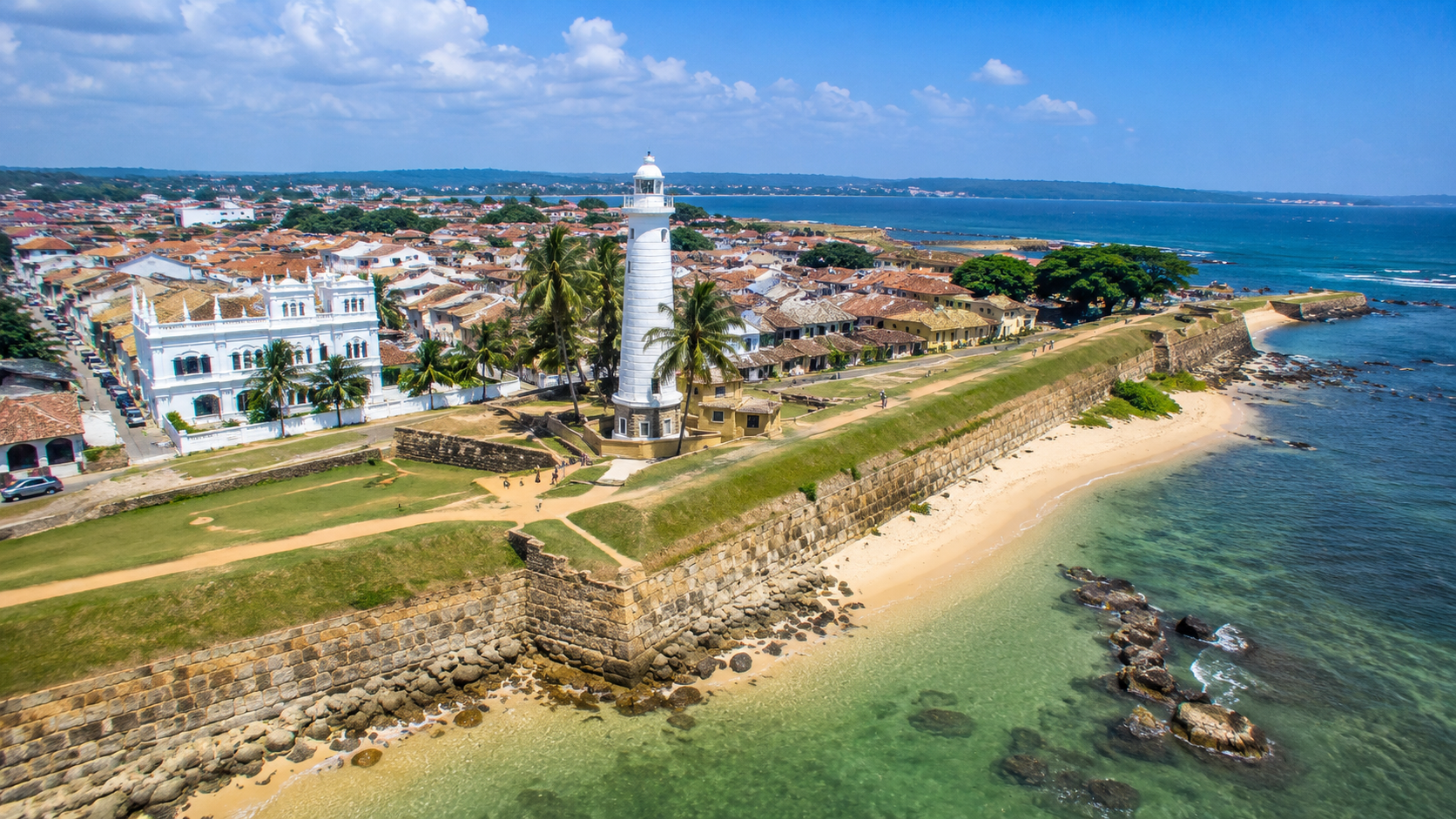
Within the protective walls lies a treasure trove of colonial buildings. One of the most significant is the Dutch Reformed Church, originally built in 1755, which stands as a beautiful example of Dutch colonial architecture. Its floors are paved with gravestones from the old Dutch cemetery, and it houses a historic organ. Another iconic structure is the Galle Lighthouse, a pristine white tower standing 26.5 meters tall at Point Utrecht Bastion, guiding ships into the harbor since 1939. Other important sites include the National Maritime Museum, housed in a former Dutch warehouse, and the Old Gate, which bears the British Coat of Arms on the outside and the Dutch East India Company's insignia on the inside.
The urban design of the Galle Fort city itself reflects classic Dutch colonial planning. The streets are laid out in a grid pattern, lined with colonial-style houses featuring large verandas and inner courtyards designed to combat the tropical heat. The Dutch also engineered a sophisticated underground drainage system that used the tides to flush out the sewers, a system that still functions today. This thoughtful blend of European design and local adaptation makes the Galle Fort heritage site a unique architectural ensemble.
Experiencing Galle Fort Today: A Vibrant Heritage City
Galle Fort is far more than an open-air museum; it is a vibrant, living community and a designated UNESCO World Heritage Site. This status recognizes it as an outstanding example of a fortified city built by Europeans in Asia, where architectural styles and traditions have blended over centuries. This designation ensures its preservation for future generations and highlights its global cultural importance. Today, the fort's historic buildings house a multicultural and multi-religious population, alongside boutique hotels, art galleries, jewelry workshops, and charming cafes.
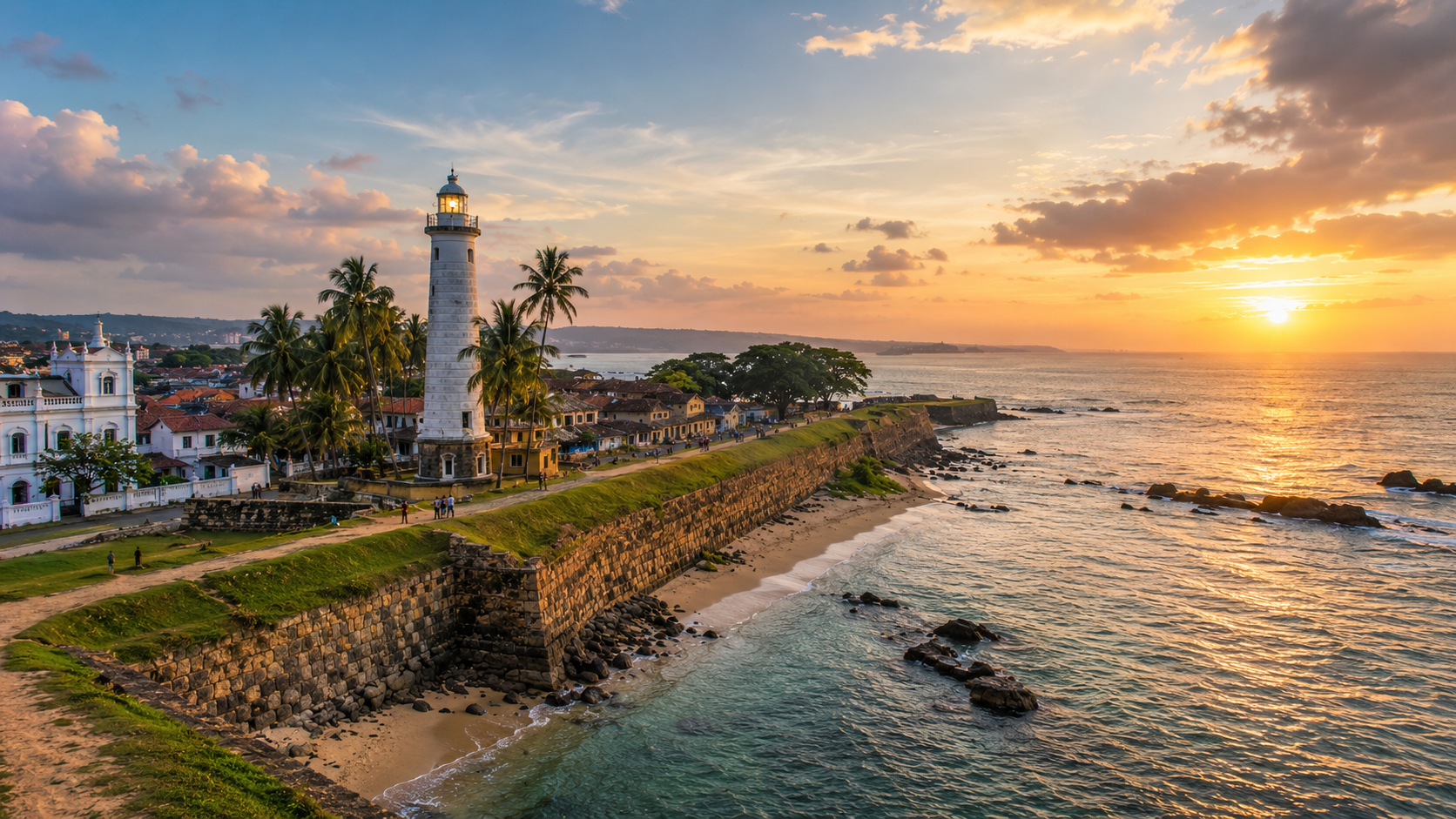
For visitors, the list of things to do in Galle Fort is extensive. The most popular activity is taking a leisurely stroll along the ramparts, especially during the golden hours of sunrise or sunset, offering breathtaking views of the Indian Ocean. Exploring the labyrinthine narrow streets is another delight, with each corner revealing a new discovery—from artisan shops selling handmade crafts to quaint eateries serving local and international cuisine. History enthusiasts can delve deeper by visiting the fort's museums, including the National Museum of Galle and the Historical Mansion Museum, which showcase artifacts from the colonial period.
Located on the southwestern coast of Sri Lanka, Galle Fort is easily accessible. It is approximately a two to three-hour drive from the capital city of Colombo via the Southern Expressway. Alternatively, the scenic coastal train route offers a more relaxed journey. The best times to visit are early in the morning or late in the afternoon to avoid the midday heat and the largest crowds. This allows for a more comfortable and immersive experience of this incredible fort in Galle, Sri Lanka.
The Lasting Importance of Galle Fort to Sri Lanka
The importance of Galle Fort extends far beyond its formidable walls, embodying a significant chapter of Sri Lanka's history and its complex colonial past. It stands as a powerful symbol of resilience, showcasing how centuries of Portuguese, Dutch, and British influence were absorbed and adapted into the island's cultural fabric. The fort is not just a relic of European expansion but a living monument where South Asian traditions have persisted and fused with foreign architectural styles. This unique cultural heritage makes the Galle Fort description one of a kind, representing a "heritage of dual parentage" that is crucial to the national identity.
In the modern era, the Sri Lanka Galle Fort has become a cornerstone of the nation's tourism industry. Its status as a UNESCO World Heritage Site attracts hundreds of thousands of international and local visitors annually, providing a significant economic boost to the region. The influx of tourism has spurred the careful restoration of many colonial buildings, transforming them into boutique hotels, restaurants, and shops, which in turn creates employment and supports local artisans. This economic vitality ensures that the fort remains a dynamic and thriving community, not just a static historical site.
Preservation is paramount to the fort's future. Ongoing efforts by the Galle Heritage Foundation and the Archaeological Department of Sri Lanka focus on maintaining the architectural integrity and cultural identity of this historic city. These initiatives balance the needs of a modern residential and commercial hub with the strict conservation standards required of a World Heritage Site. The enduring appeal of the Dutch Fort in Sri Lanka lies in this delicate balance—a place where history is not just remembered but is actively lived in. As a must-visit destination, Galle Fort offers a profound connection to the past while looking firmly towards the future, securing its legacy for generations to come.
Frequently Asked Questions About Galle Fort
What is Galle Fort famous for?
Galle Fort is famous for being the best-preserved example of a European-built fortified city in South and Southeast Asia. It is renowned for its unique blend of colonial architecture and South Asian traditions, its massive ramparts, and its status as a living UNESCO World Heritage Site.
Who built the Galle Dutch Fort in Sri Lanka?
The first fortifications were built by the Portuguese in 1588. However, the Galle Dutch Fort as it largely stands today was extensively rebuilt and fortified by the Dutch East India Company (VOC) from 1649 onwards after they captured it from the Portuguese in 1640.
Can you walk around Galle Fort?
Yes, you can freely walk around Galle Fort. One of the most popular activities is walking along the top of the extensive ramparts, which offer stunning views of the ocean and the city inside. The narrow streets within the fort are also perfect for exploring on foot.
Is there an entrance fee for Galle Fort?
There is no entrance fee to enter the Galle Fort city itself. You can walk through the gates and explore the streets, ramparts, and many of the public areas for free. However, some specific attractions within the fort, such as museums, may have their own admission fees.
How much time do you need in Galle Fort?
While you can see the main highlights in a few hours, it is recommended to spend at least half a day to a full day to truly appreciate the atmosphere. This allows time to walk the ramparts, explore the shops and galleries, visit a museum, and enjoy a meal at one of the many cafes or restaurants.
What is the best time of day to visit Galle Fort?
The best times to visit are early in the morning (around 8-10 AM) or late in the afternoon (from 4 PM onwards). This helps you avoid the intense midday heat and the largest tourist crowds. Visiting in the late afternoon also allows you to experience a spectacular sunset from the ramparts.
What is the history of the Galle Fort Lighthouse?
The current iconic white lighthouse was built by the British in 1939. It replaced an earlier lighthouse, also built by the British in 1848, which was destroyed by a fire. It stands on the Utrecht Bastion and is still an active lighthouse today.
Additional Media