Digital Addiction Among Sri Lankan Youth: Causes, Consequences, and Solutions
Rakshika Rathnayake7/28/20265 min read
Share:Facebook
Introduction
The rapid growth of digital technology has transformed the way people communicate, learn, work, and entertain themselves across the globe. In Sri Lanka, increased access to smartphones, affordable internet packages, social media platforms, online gaming, and streaming services has significantly changed the lifestyles of young people. While digital technologies provide numerous benefits, excessive and uncontrolled use has become a growing concern among parents, educators, healthcare professionals, and policymakers.
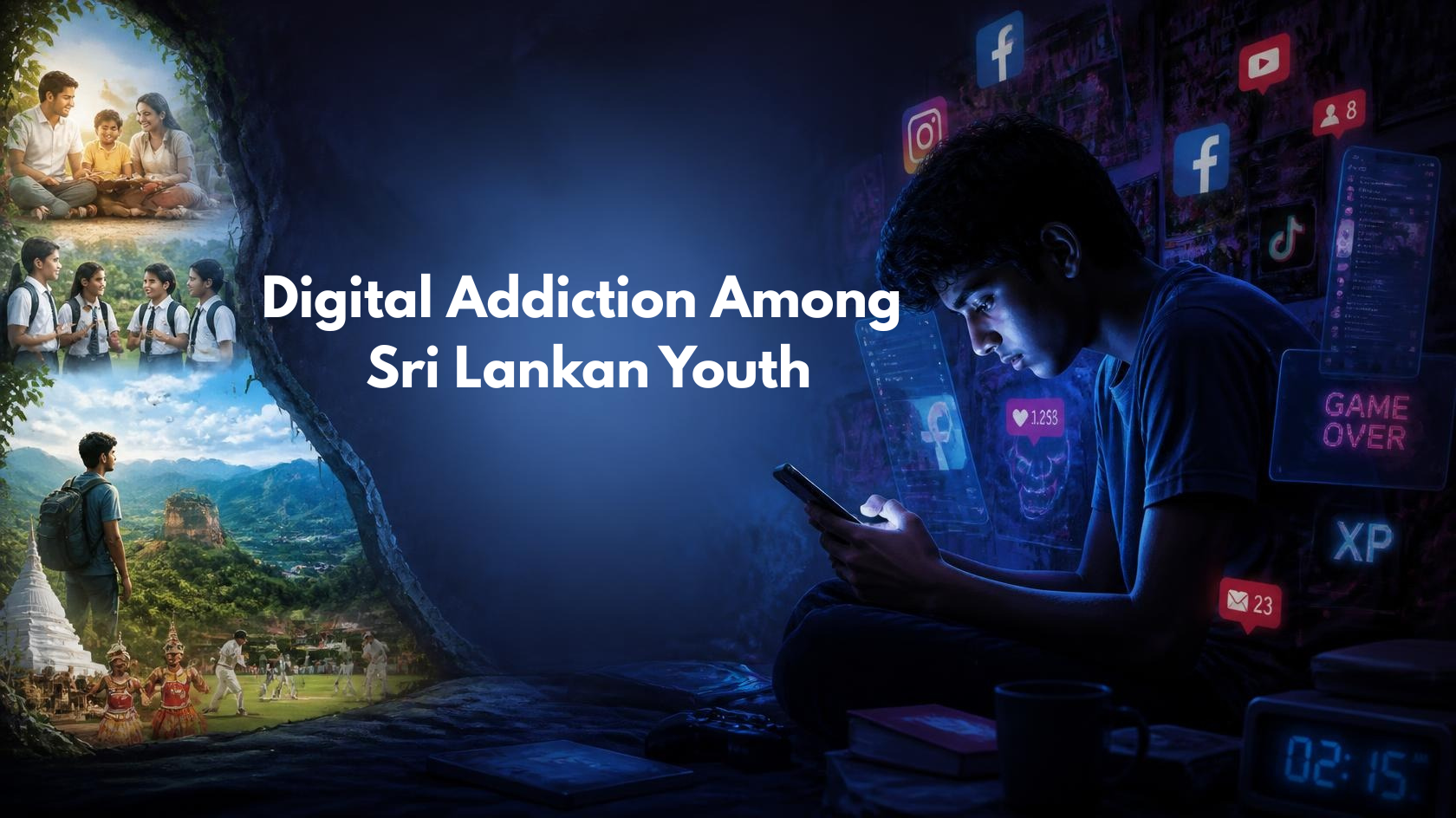
Digital addiction refers to the compulsive and excessive use of digital devices and online platforms to the extent that it negatively affects an individual's daily life, relationships, education, mental health, and productivity. Among Sri Lankan youth, digital addiction has emerged as an important social issue due to the increasing dependence on smartphones, social media applications, video games, and digital entertainment.
The COVID-19 pandemic further accelerated digital engagement as schools shifted to online learning and many social interactions moved into virtual environments. Although these developments helped maintain educational continuity and social connectivity, they also increased screen time among children and young adults.
This article explores the causes, impacts, and possible solutions related to digital addiction among Sri Lankan youth while examining the role of families, schools, communities, and policymakers in addressing this growing challenge.
Understanding Digital Addiction
Digital addiction is not limited to one specific activity. It encompasses various forms of excessive digital behavior, including:
Smartphone addiction
Social media addiction
Online gaming addiction
Video streaming addiction
Internet addiction
Excessive use of messaging applications
Compulsive online shopping and browsing
Young people who experience digital addiction often find it difficult to reduce their screen time despite recognizing its negative effects. Many may experience anxiety, irritability, or discomfort when separated from their devices.
Digital addiction can interfere with sleep patterns, academic performance, physical activity, and social relationships, making it a significant public health and social concern.
The Digital Landscape in Sri Lanka
Sri Lanka has experienced significant digital expansion over the past decade. Mobile internet penetration has increased considerably, and smartphones have become accessible to people across different socioeconomic backgrounds.
Several factors have contributed to increased digital engagement among youth:
Affordable smartphones.
Expanded mobile broadband coverage.
Growth of social media platforms.
Availability of online gaming.
Increased digital learning opportunities.
Greater access to global entertainment content.
Platforms such as social media networks, video-sharing applications, and multiplayer gaming environments have become integral parts of young people's daily routines.
While these technologies offer educational and professional opportunities, excessive use without proper boundaries can create long-term challenges.
Causes of Digital Addiction Among Sri Lankan Youth
1. Increased Smartphone Accessibility
Smartphones are now widely available and relatively affordable. Many young people receive their first smartphones at an early age, often without adequate guidance regarding responsible usage.
The portability of smartphones allows continuous access to digital content, making it easier to develop unhealthy usage patterns.
2. Social Media Influence
Social media platforms encourage constant engagement through notifications, likes, comments, and algorithm-driven content.
Many young people spend several hours each day:
Scrolling through feeds.
Watching short videos.
Posting updates.
Comparing themselves with others.
Seeking online validation.
This continuous engagement can contribute to dependency and reduced attention spans.
3. Online Gaming
Online gaming has become increasingly popular among Sri Lankan youth.
Multiplayer games provide:
Entertainment.
Social interaction.
Competition.
Achievement systems.
Rewards and incentives.
While gaming can be a healthy recreational activity when moderated, excessive gaming may lead to academic difficulties, sleep deprivation, and social isolation.
4. Academic and Social Pressures
Many young people use digital platforms as an escape from stress related to:
Examinations.
Academic expectations.
Family pressures.
Peer relationships.
Future career concerns.
Digital environments can temporarily provide comfort and distraction, making repeated use more likely.
5. Lack of Parental Supervision
Parents often face challenges in monitoring children's digital activities due to busy work schedules or limited digital literacy.
Without appropriate guidance, children may spend excessive amounts of time online, increasing the risk of problematic digital behavior.
Effects on Physical Health
Digital addiction can negatively affect physical well-being in several ways.
Sleep Problems
Excessive screen exposure, particularly before bedtime, can disrupt sleep patterns. Many young people stay awake late at night using smartphones, leading to insufficient sleep and daytime fatigue.
Reduced Physical Activity
Extended periods of screen time often replace physical exercise and outdoor activities, contributing to sedentary lifestyles.
Eye Strain and Headaches
Continuous exposure to screens may result in:
Eye discomfort.
Dry eyes.
Headaches.
Neck pain.
Poor posture.
These health issues can affect overall quality of life and productivity.
Mental Health Consequences
Digital addiction can significantly influence mental health.
Common psychological effects include:
Anxiety.
Depression.
Loneliness.
Low self-esteem.
Increased stress.
Emotional instability.
Social media can contribute to unrealistic expectations regarding appearance, lifestyle, and success. Constant comparison with others may negatively affect self-confidence among young people.
Furthermore, cyberbullying and online harassment can have lasting emotional consequences.
Impact on Education
Educational performance may suffer when digital use becomes excessive.
Students experiencing digital addiction may:
Struggle to concentrate in classrooms.
Delay completing assignments.
Experience reduced academic motivation.
Miss deadlines.
Demonstrate lower productivity.
Some students may spend more time consuming entertainment content than engaging in educational activities.
Educational institutions increasingly recognize the importance of promoting balanced technology use among students.
Effects on Family Relationships
Digital addiction can influence family dynamics.
Excessive device usage may reduce:
Face-to-face communication.
Family interaction.
Shared activities.
Emotional connections.
Parents often report difficulties encouraging children to participate in household activities or spend time with family members.
Maintaining healthy family relationships requires setting appropriate digital boundaries while encouraging meaningful offline interactions.
Social Consequences
Young people who spend excessive time online may experience social challenges.
These include:
Reduced interpersonal skills.
Social isolation.
Difficulty building relationships.
Limited participation in community activities.
Increased dependence on virtual interactions.
Although digital platforms facilitate communication, they should complement—not replace—real-world relationships.
Economic Implications
Digital addiction may also have economic consequences.
Families may spend substantial amounts on:
Mobile data packages.
Gaming subscriptions.
Digital purchases.
Electronic devices.
Additionally, reduced productivity among young adults can affect future workforce participation and economic development.
Addressing digital addiction is therefore important not only for individual well-being but also for broader social and economic progress.
Prevention Strategies
1. Promoting Digital Literacy
Young people should be educated about:
Responsible technology use.
Online safety.
Privacy protection.
Time management.
Digital well-being.
Digital literacy programs can help students develop healthier relationships with technology.
2. Encouraging Balanced Lifestyles
Parents and schools should encourage:
Sports participation.
Reading habits.
Outdoor activities.
Creative hobbies.
Community involvement.
Providing attractive alternatives to screen time can reduce dependence on digital devices.
3. Setting Healthy Boundaries
Families can establish:
Screen-free meal times.
Device-free bedrooms.
Daily screen time limits.
Scheduled family activities.
Consistency is essential when implementing these practices.
4. School-Based Interventions
Schools can support students by:
Conducting awareness programs.
Providing counseling services.
Promoting extracurricular activities.
Teaching responsible digital behavior.
Educational institutions play an important role in shaping healthy technology habits.
5. Mental Health Support
Young people experiencing severe digital addiction may benefit from professional support.
Counseling and mental health services can help individuals:
Manage stress.
Improve emotional regulation.
Develop healthier coping strategies.
Address underlying psychological concerns.
Early intervention often leads to better outcomes.
Role of Government and Communities
Government agencies, community organizations, and civil society institutions can contribute by:
Supporting awareness campaigns.
Funding youth development initiatives.
Expanding mental health services.
Encouraging digital well-being education.
Conducting research on youth digital behavior.
Collaborative efforts are essential to address the long-term implications of digital addiction.
Looking Toward the Future
Technology will continue to play a central role in the lives of Sri Lankan youth. Therefore, the objective should not be to eliminate technology but to promote responsible and balanced usage.
By fostering healthy digital habits from an early age, Sri Lanka can ensure that young people benefit from technological advancements while minimizing associated risks.
Digital tools can support education, innovation, entrepreneurship, and social development when used appropriately.
Conclusion
Digital addiction among Sri Lankan youth is an emerging social issue that requires attention from families, educators, healthcare professionals, and policymakers. While digital technology offers many advantages, excessive use can negatively affect physical health, mental well-being, education, family relationships, and social development.
Addressing this challenge requires a comprehensive approach that includes digital literacy, parental involvement, school-based interventions, mental health support, and community engagement.
Ultimately, technology should serve as a tool for empowerment rather than a source of dependency. By encouraging balanced and responsible digital practices, Sri Lanka can support the healthy development of its younger generation and build a more resilient and digitally responsible society.
Additional Media