

Sponsored
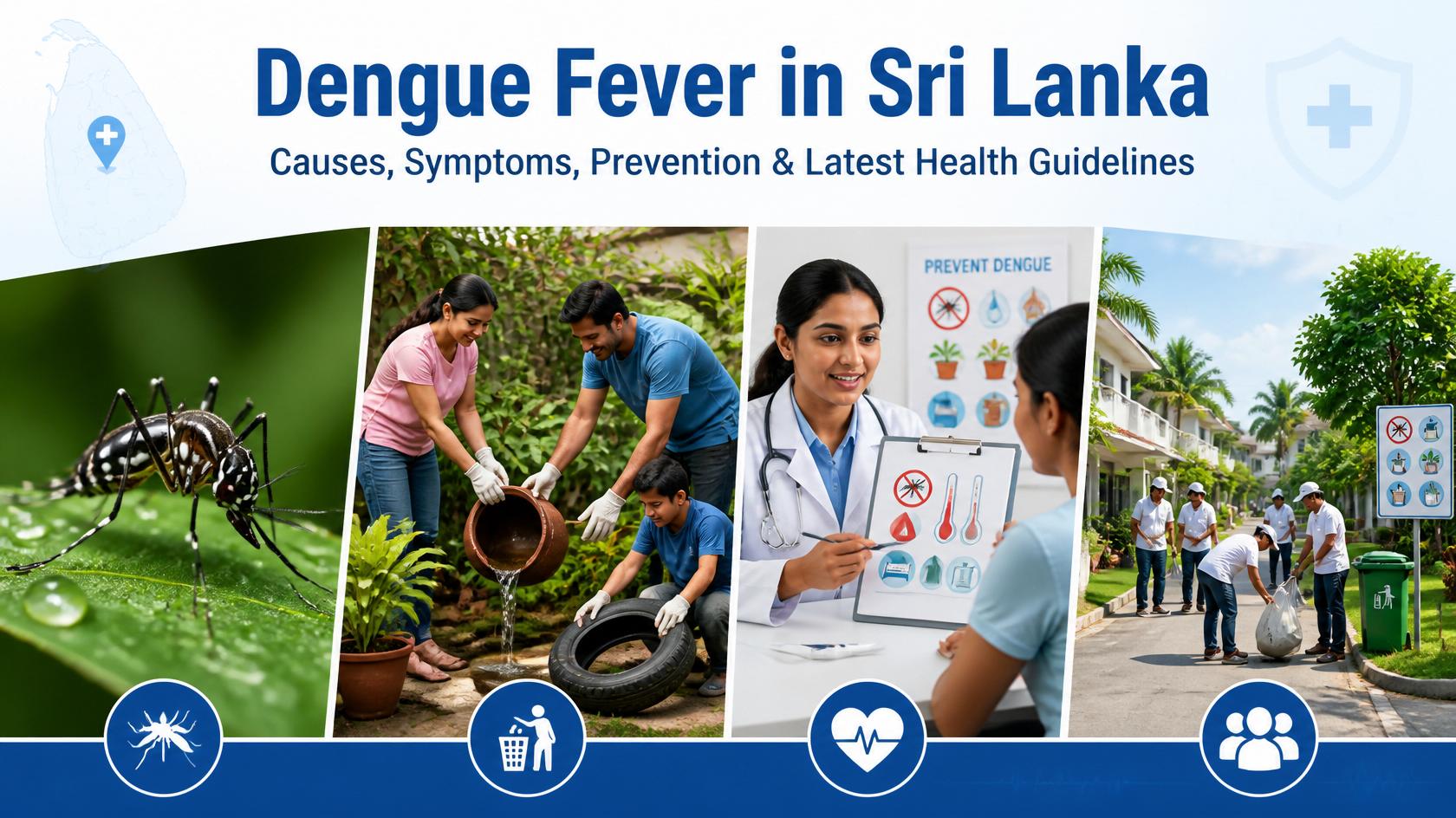
Dengue Fever in Sri Lanka: Causes, Symptoms, Prevention, and Latest Health Guidelines
Rakshika Rathnayake7/22/20265 min read
Share:Facebook
Introduction
Dengue fever remains one of the most important public health challenges in Sri Lanka. Due to the country’s tropical climate, seasonal rainfall, urban development, and the presence of mosquito breeding environments, dengue cases continue to occur throughout the year. Both urban and rural communities are affected, making dengue prevention a responsibility shared by individuals, families, and communities.
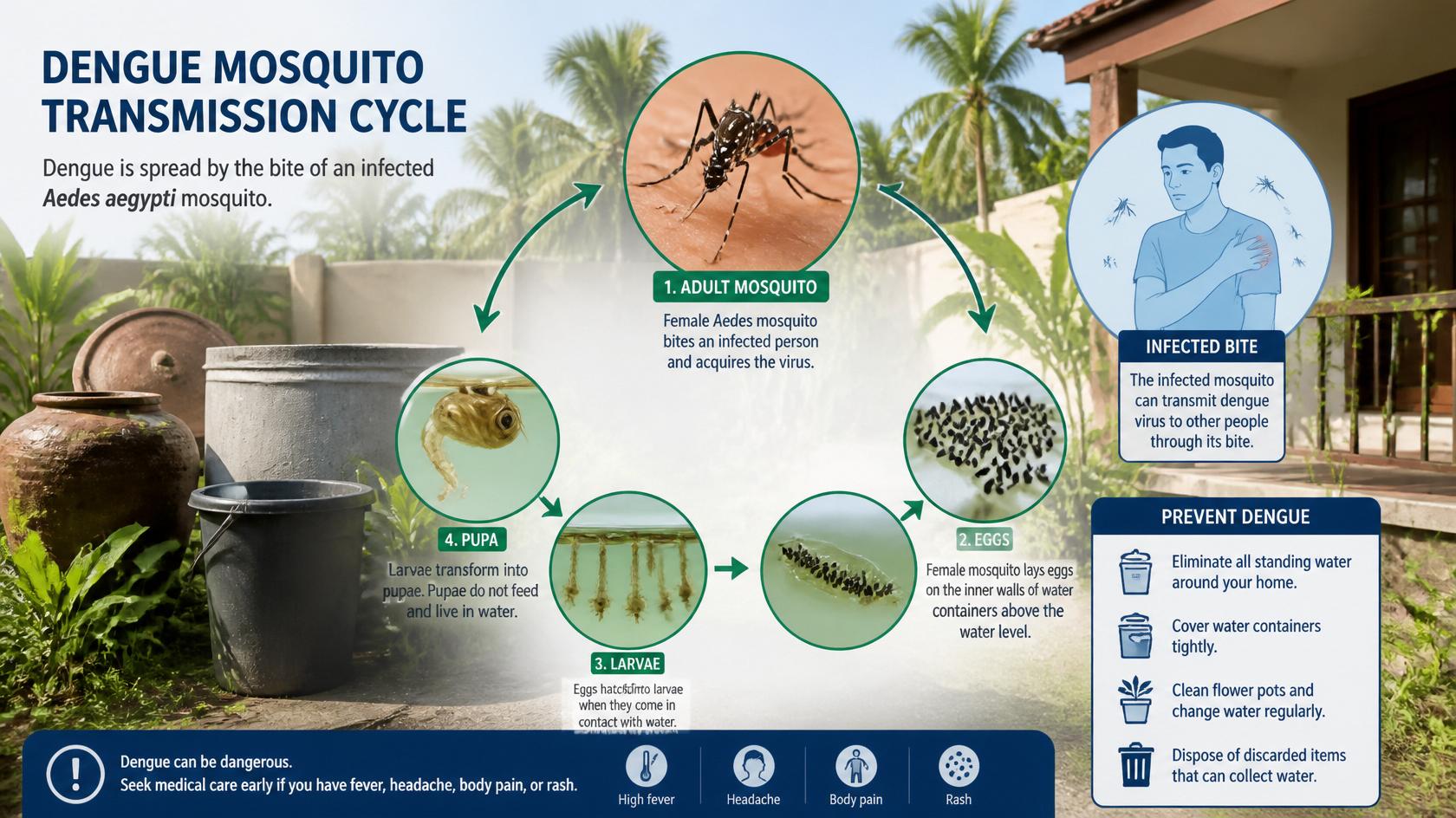
Dengue is a viral infection transmitted mainly through the bite of infected Aedes mosquitoes, especially Aedes aegypti and Aedes albopictus. These mosquitoes usually breed in water collected in artificial containers around homes, workplaces, schools, and public areas.
Although many dengue infections are mild and recover with proper care, some cases can develop into severe dengue, which may lead to bleeding, shock, organ complications, and even death if medical attention is delayed. Early recognition of symptoms and timely treatment are essential to reduce serious health risks.
What Is Dengue Fever?
Dengue fever is a mosquito-borne viral disease caused by the dengue virus (DENV). There are four main dengue virus types (serotypes), known as DENV-1, DENV-2, DENV-3, and DENV-4. Infection with one type does not provide complete protection against the others, and a second infection with a different type may increase the risk of severe dengue.
The disease spreads when an infected mosquito bites a person. After becoming infected, the mosquito can transmit the virus to other people through future bites.
Dengue mosquitoes are different from many other mosquitoes because they are mainly active during the daytime, especially in the early morning and late afternoon.
Current Dengue Situation in Sri Lanka
Sri Lanka experiences dengue outbreaks regularly, especially during and after rainy seasons when mosquito breeding increases. Heavy rainfall can create many temporary water collection areas, allowing mosquito populations to grow rapidly.
In recent outbreaks, Sri Lanka has used expanded mosquito-control activities, including inspections, cleanup campaigns, and community awareness programs. Health authorities continue to emphasize removing breeding places and seeking early medical care when symptoms appear.
Dengue prevention is not only a responsibility of health authorities. Household-level actions, such as cleaning surroundings and eliminating stagnant water, play a major role in reducing transmission.
Causes of Dengue Fever in Sri Lanka
1. Mosquito Breeding Sites
The main cause of dengue transmission is the increase of Aedes mosquito populations.
Common breeding places include:
Discarded plastic containers
Old tyres
Flower pots
Water tanks
Blocked drains
Coconut shells
Empty bottles
Roof gutters
Construction sites with collected water
Even a small amount of stagnant water can become a breeding area for mosquitoes.
2. Climate and Rainfall
Sri Lanka’s warm and humid climate provides suitable conditions for mosquito breeding.
During rainy seasons:
Water collects in many places.
Mosquito breeding increases.
Dengue transmission becomes higher.
Climate changes, rising temperatures, and irregular rainfall patterns can also influence mosquito populations and disease spread.
3. Urbanization and Population Growth
Rapid urban development can increase dengue risks when:
Waste management is poor.
Drainage systems are blocked.
Buildings have unused water containers.
Crowded areas lack proper environmental management.
Cities with high population density may experience faster dengue transmission.
4. Lack of Community Participation
Dengue control cannot succeed through government action alone.
Problems occur when people:
Do not clean their surroundings regularly.
Ignore mosquito breeding places.
Store water without proper protection.
Dispose of waste incorrectly.
Community involvement is one of the most effective methods to control dengue.
Symptoms of Dengue Fever
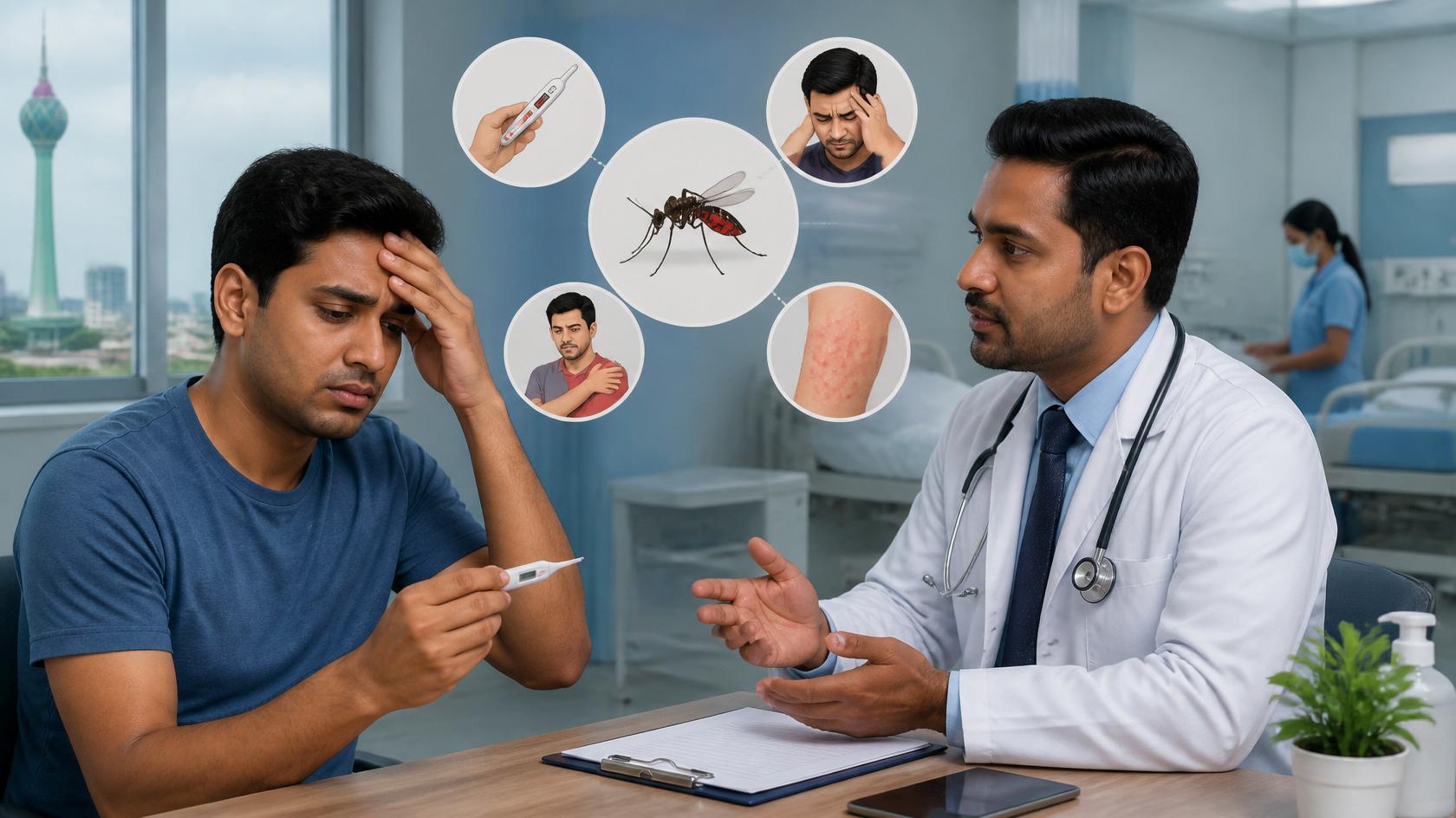
Dengue symptoms usually appear about 4–10 days after an infected mosquito bite. Many people experience mild symptoms, while some may develop serious complications.
Common symptoms include:
1. High Fever
A sudden high fever is one of the most common signs of dengue.
The fever may be accompanied by:
Chills
Weakness
Body discomfort
2. Severe Headache
Many dengue patients experience intense headaches, often with pain behind the eyes.
3. Muscle and Joint Pain
Dengue is sometimes called “breakbone fever” because it can cause severe:
Muscle pain
Joint pain
Body aches
4. Nausea and Vomiting
Some patients experience:
Loss of appetite
Nausea
Vomiting
5. Skin Rash
A rash may appear during the illness, especially after several days of fever.
6. Extreme Tiredness
Even after recovery, some patients may feel weak and tired for several weeks.
Warning Signs of Severe Dengue
Severe dengue can become dangerous, especially when warning signs appear after the fever begins to decrease.
Seek immediate medical attention if a person develops:
Severe abdominal pain
Persistent vomiting
Bleeding from gums or nose
Blood in vomit or stool
Difficulty breathing
Extreme weakness
Restlessness
Cold or pale skin
Excessive thirst
These signs require urgent medical evaluation.
Dengue Treatment and Medical Care
Currently, there is no specific antiviral medicine that directly cures dengue. Treatment mainly focuses on managing symptoms and preventing complications.
Important care methods:
1. Drink Plenty of Fluids
Patients should maintain good hydration by drinking:
Water
Oral rehydration fluids
Soups
Other safe liquids
2. Take Proper Fever Medication
Paracetamol is commonly recommended for fever and pain relief.
Patients should avoid medicines such as:
Aspirin
Ibuprofen
because they may increase bleeding risks.
3. Monitor Health Condition
Doctors may monitor:
Fever patterns
Platelet levels
Fluid balance
Warning signs
Hospital care may be needed for severe cases.
Dengue Prevention Methods
Prevention is the most effective way to control dengue.
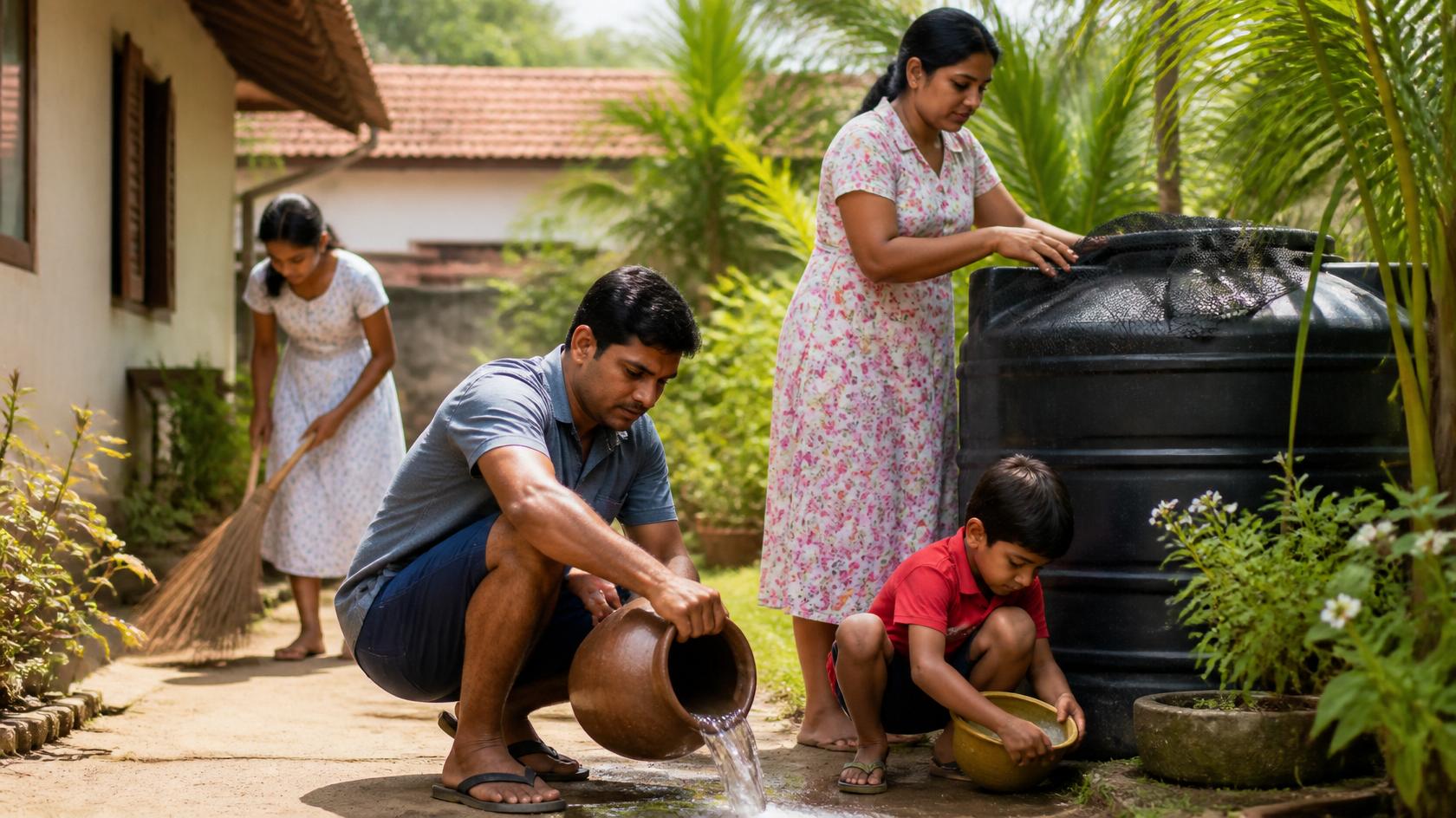
1. Remove Mosquito Breeding Places
Every household should regularly check:
Gardens
Roof areas
Water storage areas
Drainage systems
Remove all unnecessary water collections.
2. Keep Water Containers Covered
Water tanks and containers should be:
Covered properly
Cleaned regularly
Checked for mosquito larvae
3. Proper Waste Disposal
Dispose of:
Plastic items
Bottles
Cans
Old tyres
properly to prevent water collection.
4. Protect Yourself From Mosquito Bites
Protection methods include:
Wearing long clothing
Using mosquito repellents
Installing window screens
Using mosquito nets when necessary
5. Community Cleaning Programs
Neighbourhood-level activities can greatly reduce dengue risks.
Communities should organize:
Cleaning campaigns
Awareness programs
Breeding-site inspections
Latest Dengue Health Guidelines for Sri Lanka
Health authorities and international health organizations recommend the following approaches:
Early Medical Consultation
People with dengue symptoms should seek medical advice early rather than waiting until symptoms become severe.
Avoid Self-Medication
Taking incorrect medicines can increase health risks.
Maintain Hydration
Adequate fluid intake is important during dengue illness.
Watch Carefully During Fever Reduction
A decrease in fever does not always mean recovery. Severe dengue warning signs may appear during this stage.
Strengthen Community Prevention
Regular environmental cleaning remains one of the strongest dengue-control methods.
Role of Schools and Workplaces in Dengue Prevention
Schools and workplaces can contribute by:
Cleaning surroundings regularly.
Checking water collection areas.
Educating students and employees.
Reporting mosquito breeding locations.
Children and workers spend many hours outside homes, so these environments must also be protected.
Dengue and the Importance of Public Awareness
Public awareness is one of the most powerful tools against dengue.
People should understand:
How dengue spreads.
How to identify symptoms.
When to seek medical care.
How to prevent mosquito breeding.
A small action by one person can protect an entire community.
Conclusion
Dengue fever continues to be a major health concern in Sri Lanka, but it can be controlled through awareness, early treatment, and effective prevention methods.
Removing mosquito breeding places, protecting against mosquito bites, maintaining clean environments, and seeking medical care at the right time are essential steps to reduce dengue infections.
Dengue prevention is not only the responsibility of healthcare workers or government institutions. Every citizen has an important role in creating a safer and healthier Sri Lanka.
By working together as families, communities, and organizations, Sri Lanka can reduce the impact of dengue and protect future generations.
Additional Media

Sponsored