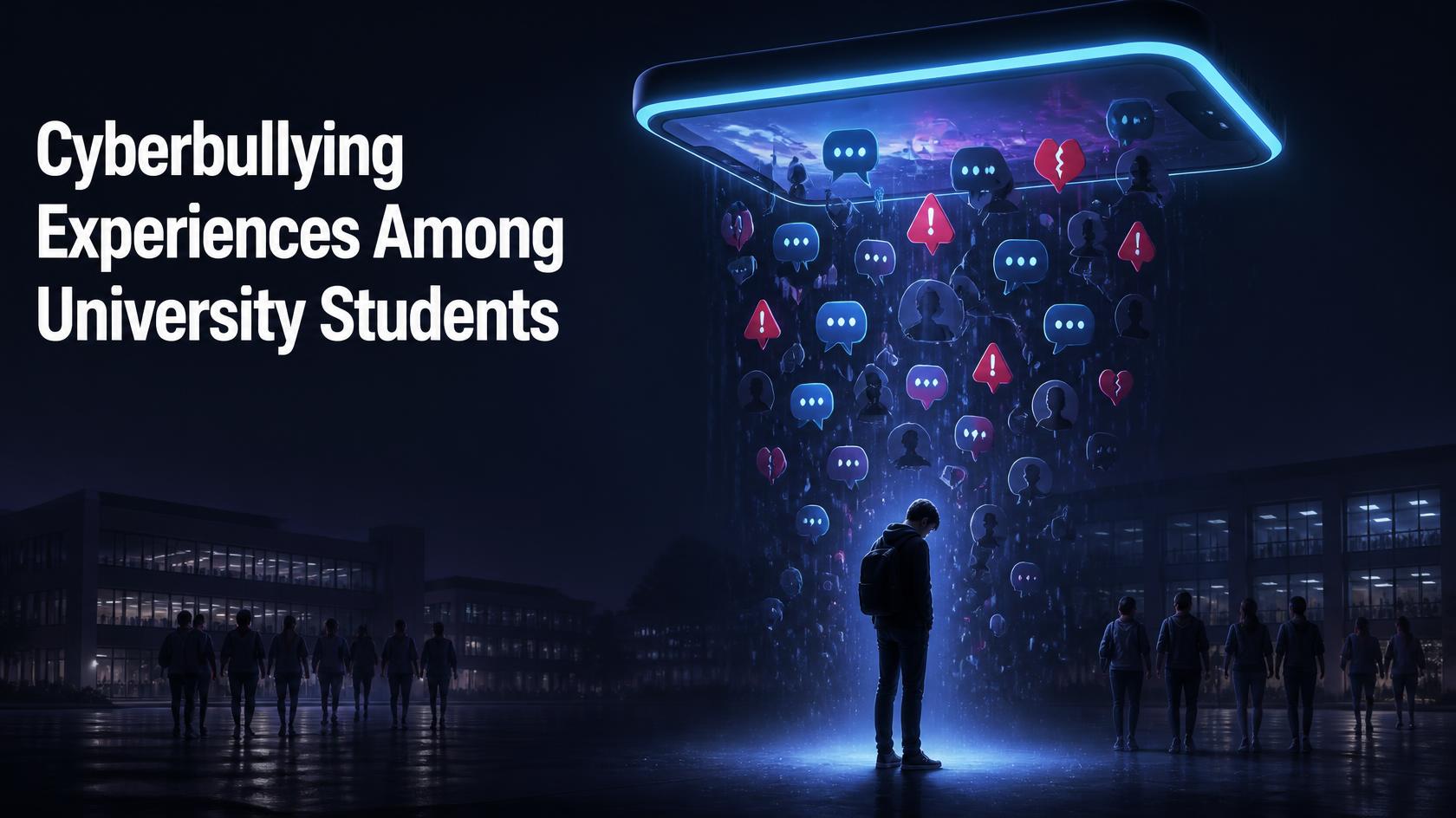
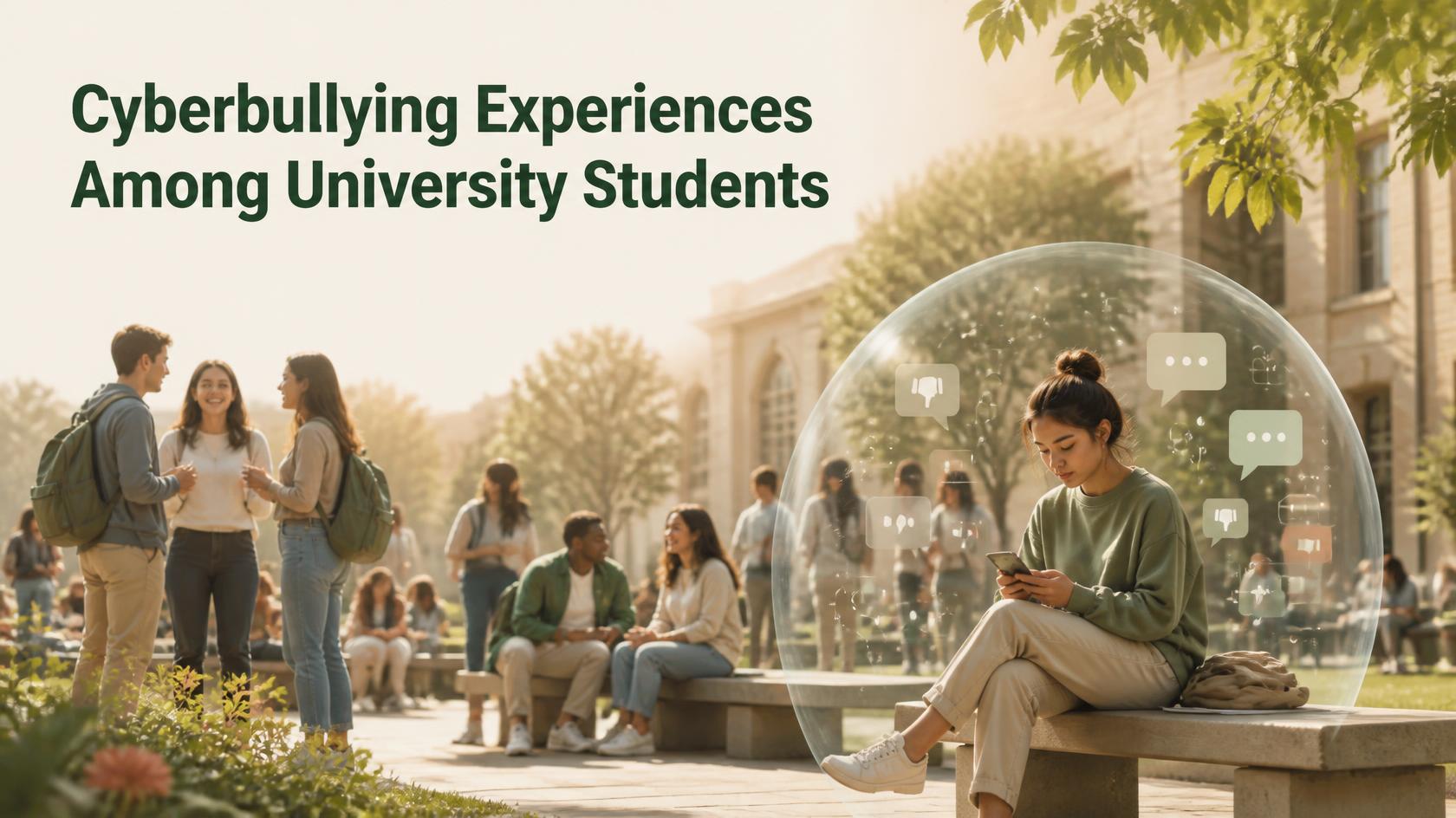
Cyberbullying Experiences Among University Students
Rakshika Rathnayake9/1/20265 min read
Share:Facebook
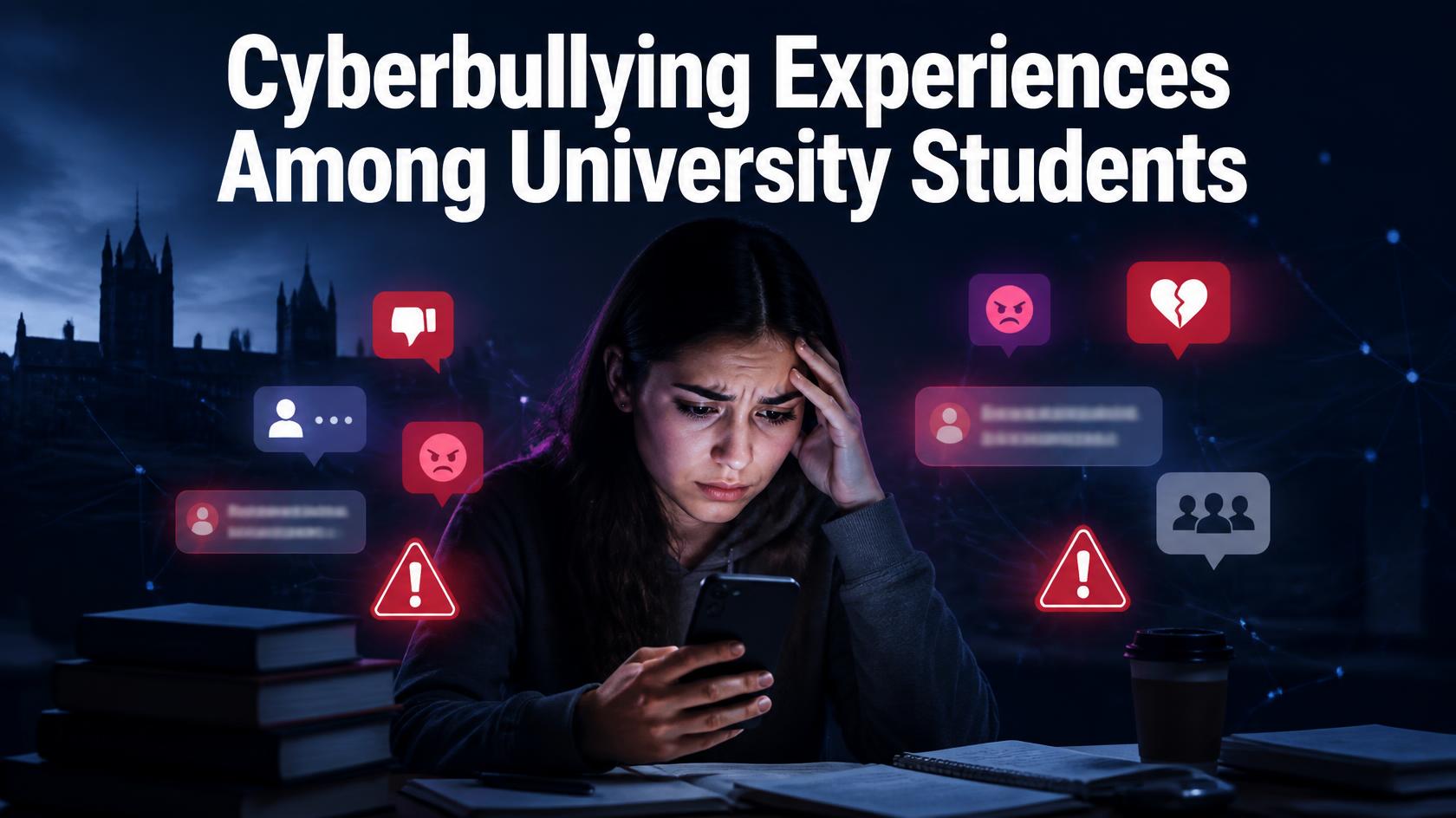
Cyberbullying has become an increasingly important social issue among university students as digital communication has become a central part of academic, social, and personal life. University students regularly use social media platforms, messaging applications, online discussion groups, gaming platforms, and other digital spaces to communicate with friends, classmates, lecturers, and wider communities. While these technologies provide opportunities for learning, networking, and self-expression, they can also create environments in which harassment, humiliation, threats, and other forms of online abuse occur. Cyberbullying can have serious consequences for students’ emotional well-being, academic engagement, relationships, and sense of safety.
Cyberbullying can generally be understood as the use of digital technologies to deliberately and repeatedly harm, intimidate, embarrass, threaten, or harass another person. Unlike traditional bullying, cyberbullying does not necessarily require physical proximity between the perpetrator and victim. A student can experience bullying from another person while being at home, in a university residence, or anywhere with internet access. Furthermore, harmful content can potentially reach a large audience within a very short period. A humiliating photograph, insulting comment, private message, or misleading post can be shared repeatedly, making the experience difficult for the victim to control.
University students are particularly exposed to cyberbullying because digital technologies are closely connected with their everyday lives. Social media platforms such as Facebook, Instagram, TikTok, and other online communication services have become important spaces for social interaction. Students may also participate in WhatsApp groups, university discussion groups, online classes, and student communities. These platforms can strengthen relationships and support academic activities, but they can also become spaces for interpersonal conflicts. Arguments between students, relationship problems, competition, jealousy, discrimination, and misunderstandings may sometimes develop into online harassment.
Common Forms of Cyberbullying
Cyberbullying among university students can take many different forms. One common form is verbal harassment, where a student receives insulting, threatening, or offensive messages. Such messages may be sent privately or posted publicly. In some cases, perpetrators use anonymous accounts, making it difficult for victims to identify who is responsible.
Another form is social exclusion. Students may intentionally exclude another student from online groups, create separate groups to discuss or mock that person, or encourage others not to communicate with them. Although social exclusion may appear less serious than direct threats, it can have significant emotional consequences, particularly when students depend heavily on online communities for friendship and social support.
Rumour spreading is another important form of cyberbullying. False or misleading information about a student can be posted on social media or shared through messaging groups. Because digital information can spread rapidly, rumours may reach classmates and other members of the university community before the victim has an opportunity to respond.
Image-based bullying can also be particularly harmful. A person's photograph may be edited, manipulated, or shared without permission in order to embarrass or humiliate them. In more serious situations, private images or personal information may be shared without consent. This can create long-lasting consequences because digital content may remain accessible even after the original post has been removed.
Students may also experience impersonation, where someone creates a fake account using their name or photographs and posts inappropriate or offensive content. This can damage the student's reputation and relationships. Similarly, doxxing, involving the exposure of private personal information online, can create concerns about physical safety and privacy.
Experiences of University Students
The experiences of students who face cyberbullying are often complex. Some students may initially consider an offensive comment or message to be a minor disagreement. However, repeated harassment can gradually become a major source of stress. Students may begin checking their phones frequently, worrying about new messages or posts. They may also become anxious about what other students are saying about them.
One important characteristic of cyberbullying is that victims may feel that there is no safe place to escape from the problem. Traditional bullying may be limited to particular physical locations, such as a classroom or university campus. Cyberbullying, however, can continue after the student leaves campus. A student may encounter abusive messages while studying at home, during the night, or even while attending an academic activity. This continuous exposure can increase feelings of helplessness.
Some students also hesitate to report cyberbullying because they fear that reporting the incident could make the situation worse. They may worry that the perpetrator will retaliate or that classmates will blame them. Others may believe that university authorities will not take online incidents seriously. Students may therefore choose to block the perpetrator, delete their social media accounts, or simply ignore the problem.
The relationship between the victim and perpetrator can also influence the experience. In some cases, cyberbullying may involve strangers or anonymous users. However, it can also occur between classmates, friends, former friends, romantic partners, or members of the same university community. When the perpetrator is someone the victim knows personally, the experience can involve feelings of betrayal and loss of trust.
Psychological and Emotional Effects
Cyberbullying can have significant psychological and emotional effects on university students. Students may experience anxiety, sadness, anger, embarrassment, fear, loneliness, and reduced self-confidence. The intensity of these effects can vary depending on the nature and duration of the bullying, the student's existing support system, and the extent to which the harmful content has spread.
Repeated negative comments can influence how students perceive themselves. For example, a student who repeatedly receives criticism about appearance, academic performance, personality, or social relationships may begin to internalize those negative messages. This can contribute to reduced self-esteem and social withdrawal.
Cyberbullying may also affect students' relationships. Victims may become suspicious of their classmates and friends, particularly when they do not know who is sharing information about them. Some may reduce their participation in social activities because they fear further humiliation. Consequently, cyberbullying can contribute to isolation at a stage of life when social relationships are particularly important.
Serious and persistent cyberbullying can also contribute to severe psychological distress. Therefore, universities should treat cyberbullying as more than simply an online disagreement. Students experiencing significant distress should be encouraged to seek support from trusted individuals and appropriate professional services.
Academic Consequences
The effects of cyberbullying are not limited to students' personal lives. Academic performance may also be affected. Students who are worried about online harassment may find it difficult to concentrate on lectures, assignments, examinations, and research activities. Constantly checking social media or messages can also interrupt study routines.
A student who feels embarrassed or unsafe may avoid attending lectures or university events. In extreme cases, continued cyberbullying may contribute to absenteeism or withdrawal from university activities. This can reduce opportunities for academic collaboration and social development.
Cyberbullying can also influence participation in online learning. University students increasingly use digital platforms for discussions, group assignments, presentations, and communication with lecturers. A student who has experienced online harassment may become reluctant to express opinions or participate in digital discussions. As a result, cyberbullying can indirectly affect educational opportunities.
Why Students May Become Cyberbullies
Understanding the reasons behind cyberbullying is important for prevention. There is no single explanation for why a student engages in cyberbullying. Peer pressure, interpersonal conflict, jealousy, competition, desire for popularity, revenge, and attempts to gain social status may contribute to such behaviour.
The perceived anonymity of the internet can also influence behaviour. People may say things online that they would be less likely to say during face-to-face interactions. The physical distance between the perpetrator and victim can reduce the immediate awareness of the consequences of harmful behaviour.
In some cases, students may not recognize that their actions constitute cyberbullying. They may consider insulting comments to be jokes or believe that sharing embarrassing information is harmless. This highlights the importance of digital citizenship and awareness programmes within universities.
The Role of Social Media
Social media plays an important role in shaping cyberbullying experiences. The ability to publicly comment, share, repost, tag, and create groups can increase the visibility of harmful content. A conflict that might previously have involved only two people can become a public issue involving dozens or hundreds of students.
The permanence and replicability of digital content are also important. Even when a post is deleted, screenshots may have already been taken and redistributed. This can make victims feel that they have lost control over their personal information.
At the same time, social media can also provide valuable support. Students may receive encouragement from friends, student organizations, counsellors, or wider online communities. Therefore, social media itself should not be considered the cause of cyberbullying. Rather, the way individuals use digital technologies and respond to harmful behaviour is an important factor.
Reporting and Seeking Support
One of the major challenges in addressing cyberbullying is encouraging victims to seek help. Students should understand that reporting harassment is not a sign of weakness. Keeping evidence such as screenshots, messages, dates, usernames, and links can be useful when reporting serious incidents.
Universities can establish clear procedures for reporting cyberbullying. Students should know where they can seek assistance and what will happen after a complaint is made. Confidentiality and protection from retaliation are particularly important because fear of exposure can discourage victims from reporting.
Peer support can also be valuable. Friends and classmates can help victims by listening without judgment, discouraging the circulation of harmful content, and encouraging appropriate reporting. Bystanders have an important role because they can either reinforce cyberbullying by sharing or commenting on harmful content or help reduce it by refusing to participate.
Preventing Cyberbullying in Universities
Effective prevention requires cooperation between students, universities, families, technology platforms, and wider society. Universities can conduct awareness programmes on digital citizenship, online privacy, responsible social media use, and the consequences of cyberbullying. These programmes should not focus only on victims. They should also teach students how their online behaviour can affect others.
Universities should develop clear policies that define unacceptable online behaviour and establish fair procedures for dealing with complaints. Counselling and student-support services should also be accessible to students who experience online harassment.
Students can take practical steps to protect themselves. They should use strong privacy settings, avoid sharing unnecessary personal information, and carefully consider the potential consequences of posting content online. When harassment occurs, blocking or restricting abusive accounts can reduce direct contact. However, serious threats or persistent harassment should not simply be ignored; appropriate evidence should be preserved and the matter reported through suitable channels.
Conclusion
Cyberbullying is an increasingly significant issue among university students because their academic and social lives are deeply connected to digital communication. It can occur through insulting messages, rumours, social exclusion, impersonation, image-based abuse, threats, and the unauthorized sharing of personal information. The consequences can extend beyond temporary embarrassment, affecting students' psychological well-being, relationships, academic participation, and sense of security.
Understanding students' experiences of cyberbullying is therefore important for developing effective prevention and support strategies. Universities need to create environments where students can report online harassment without fear of blame or retaliation. Students also need greater awareness of digital responsibility, privacy, and respectful online communication.
Ultimately, technology is an important part of modern university life, but a safe digital environment requires responsible behaviour from everyone. Preventing cyberbullying is not only the responsibility of individual victims or perpetrators. It is a shared responsibility involving students, university authorities, peer groups, families, and digital platforms. By promoting digital literacy, empathy, accountability, and accessible support systems, universities can help ensure that online spaces become environments that support learning, communication, and student well-being rather than sources of fear and harassment.
Additional Media