Sponsored
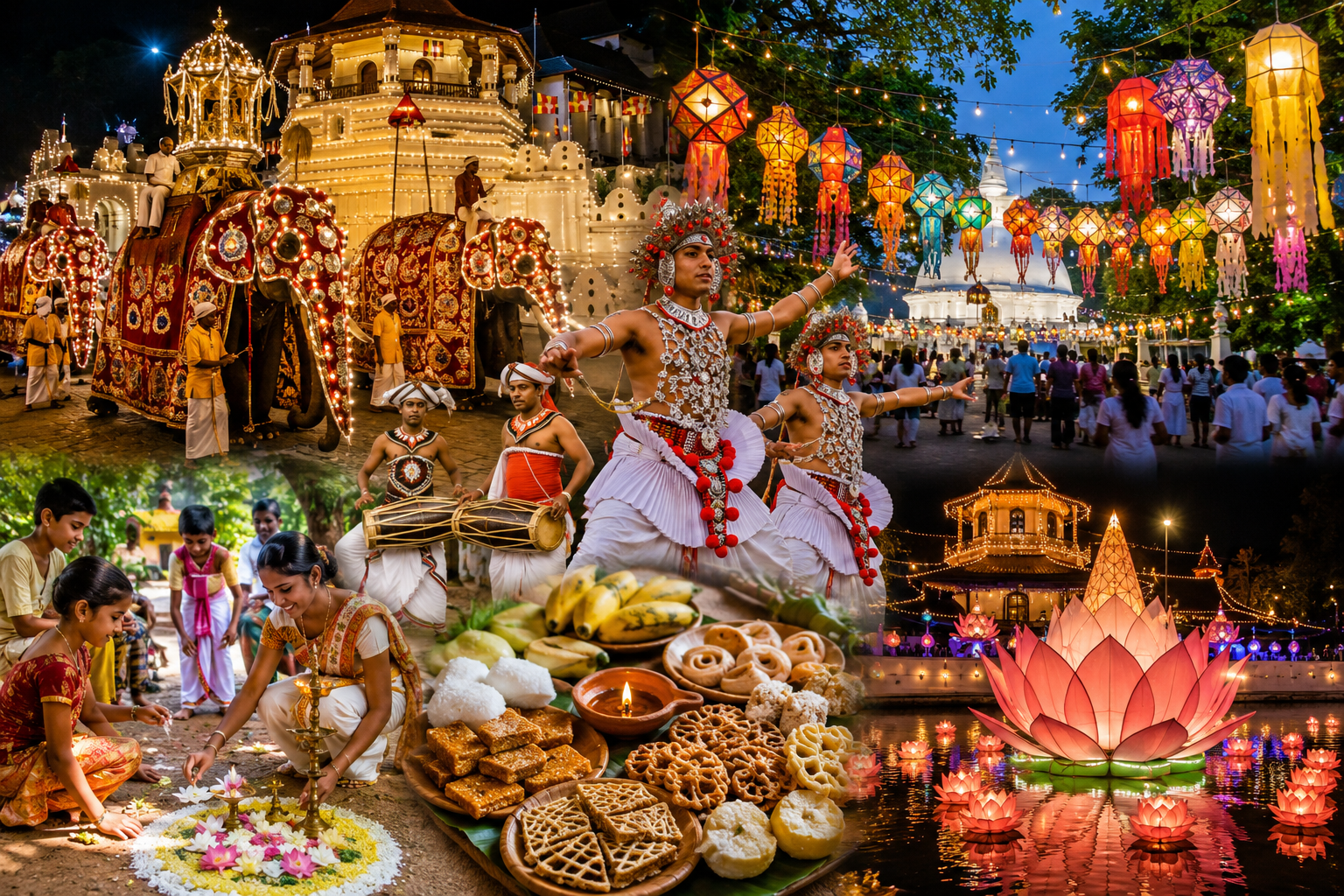
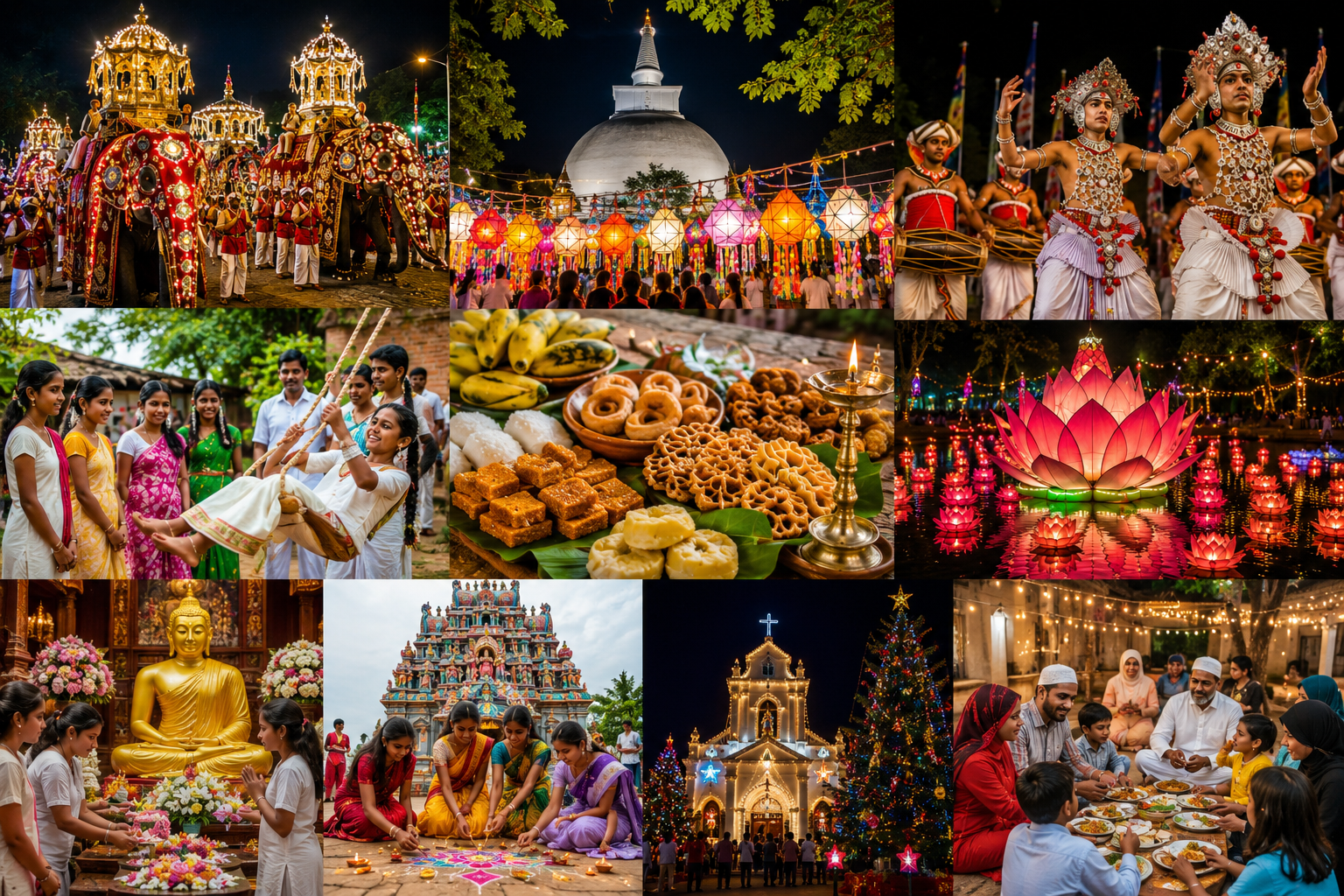
Sri Lanka is a country rich in cultural diversity and traditions. The island is home to people from different ethnic and religious backgrounds, including Buddhists, Hindus, Muslims, and Christians. As a result, Sri Lanka celebrates a wide variety of cultural festivals throughout the year. These festivals reflect the country's history, religious beliefs, customs, and community values while bringing people together in a spirit of unity and celebration.
One of the most important cultural festivals in Sri Lanka is the Sinhala and Tamil New Year, celebrated annually in April. This festival marks the end of the harvest season and the beginning of a new year according to traditional astrological calculations. Families clean their homes, prepare traditional foods such as kiribath, kavum, and kokis, and participate in cultural games and religious activities. The festival is celebrated by both Sinhalese and Tamil communities, making it one of the country's most significant national celebrations.
Another major festival is Vesak, the most sacred Buddhist celebration in Sri Lanka. Observed on the full moon day in May, Vesak commemorates the birth, enlightenment, and passing away of Lord Buddha. During this festival, streets, homes, and temples are decorated with colorful lanterns and illuminated displays. Communities organize free food stalls known as "Dansal" and engage in religious activities, emphasizing generosity, compassion, and spiritual reflection.
The Kandy Esala Perahera is one of the most spectacular cultural events in Sri Lanka and is recognized internationally for its grandeur. Held annually in Kandy during July or August, the festival honors the Sacred Tooth Relic of the Buddha. The procession features traditional dancers, drummers, fire performers, and beautifully decorated elephants, attracting thousands of local and foreign visitors each year. It is considered one of Asia's most impressive cultural festivals.
Among the Hindu community, Thai Pongal is a major harvest festival celebrated in January. The festival is dedicated to giving thanks to the Sun God for a successful harvest. Families prepare a special rice dish called Pongal, decorate their homes with colorful kolam designs, and participate in religious ceremonies. Thai Pongal is particularly significant in the Northern and Eastern regions of Sri Lanka.
Deepavali, known as the Festival of Lights, is another important Hindu celebration. It symbolizes the victory of light over darkness and good over evil. Families light oil lamps, wear new clothes, exchange gifts, and visit temples to seek blessings. Deepavali promotes happiness, hope, and unity among communities.
Sri Lanka's Muslim community celebrates Eid al-Fitr and Eid al-Adha, which are important religious festivals in Islam. These occasions are marked by prayers, charitable activities, family gatherings, and sharing meals with relatives and friends. Similarly, Christians celebrate Christmas and Easter with church services, decorations, and family celebrations. These festivals contribute to the country's multicultural identity and demonstrate the peaceful coexistence of different religious communities.
Cultural festivals also play an important role in Sri Lanka's tourism industry. Thousands of international visitors travel to the country each year to witness traditional processions, religious ceremonies, music, dance performances, and local customs. These events help preserve cultural heritage while generating economic benefits for local communities.
cultural festivals in Sri Lanka are a vibrant expression of the nation's rich heritage and diversity. From the Sinhala and Tamil New Year and Vesak to Esala Perahera, Thai Pongal, and Deepavali, these celebrations strengthen social bonds, preserve traditions, and promote unity among people of different backgrounds. They remain an essential part of Sri Lankan culture and continue to enrich the lives of both residents and visitors.
Additional Media