

Sponsored
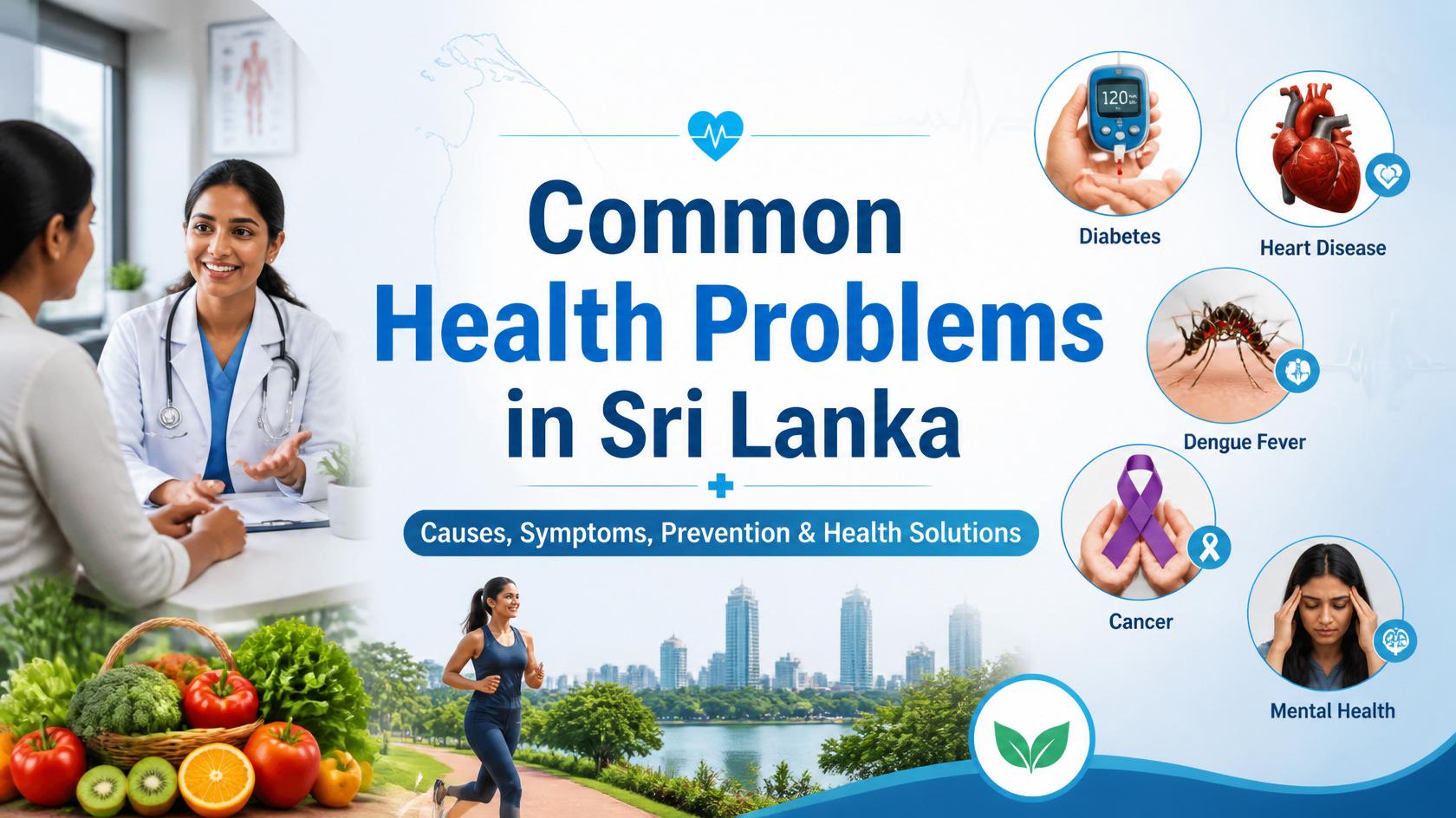
Common Health Problems in Sri Lanka: Causes, Challenges, Prevention, and Solutions
Rakshika Rathnayake7/22/20265 min read
Share:Facebook
Introduction
Sri Lanka has achieved significant improvements in healthcare over the past decades, including high life expectancy, free healthcare services, and better access to medical facilities. However, the country still faces several major health challenges that affect people of all ages. These health problems include both non-communicable diseases (NCDs) such as diabetes, heart disease, and cancer, as well as communicable diseases such as dengue, respiratory infections, and food- and water-borne illnesses.
Changes in lifestyle, environmental factors, population growth, climate change, and social conditions have contributed to the increasing burden of health problems in Sri Lanka. Understanding these common diseases, their causes, symptoms, and prevention methods is essential for creating a healthier society.
1. Non-Communicable Diseases (NCDs) in Sri Lanka
Non-communicable diseases are currently among the leading causes of illness and death in Sri Lanka. These diseases develop gradually and are often linked to lifestyle factors such as unhealthy diets, lack of physical activity, smoking, and alcohol consumption.
The major NCDs affecting Sri Lankans include:
Heart diseases
Diabetes
High blood pressure
Cancer
Chronic respiratory diseases
According to health experts, preventing these diseases requires long-term lifestyle changes, early detection, and regular medical check-ups.
2. Cardiovascular Diseases (Heart Diseases)
Heart disease is one of the most serious health problems in Sri Lanka. It affects both older adults and younger generations due to changing lifestyles.
Main Causes:
High blood pressure
High cholesterol levels
Smoking
Excessive alcohol consumption
Lack of exercise
Obesity
Stress
Unhealthy food habits
Common Symptoms:
Chest pain or discomfort
Shortness of breath
Dizziness
Extreme tiredness
Irregular heartbeat
Prevention Methods:
People can reduce heart disease risks by:
Eating more fruits and vegetables
Reducing salt and unhealthy fats
Exercising regularly
Maintaining a healthy weight
Avoiding smoking
Managing stress
Regular blood pressure and cholesterol checks can help identify risks early.
3. Diabetes in Sri Lanka
Diabetes has become a growing health concern in Sri Lanka. Type 2 diabetes is especially common among adults due to lifestyle changes.
Diabetes occurs when the body cannot properly control blood sugar levels.
Risk Factors:
Family history of diabetes
Overweight and obesity
Lack of physical activity
High sugar consumption
Unhealthy eating patterns
Symptoms:
Increased thirst
Frequent urination
Increased hunger
Unexplained weight loss
Slow wound healing
Blurred vision
Fatigue
Prevention:
Diabetes can often be prevented or controlled through:
Balanced meals
Regular exercise
Reducing sugary foods and drinks
Maintaining a healthy body weight
Regular blood sugar testing
Early diagnosis helps prevent complications such as kidney disease, vision problems, and nerve damage.
4. Dengue Fever
Dengue fever remains one of the most common infectious diseases in Sri Lanka. It is transmitted by infected Aedes mosquitoes, which breed in stagnant water.
Dengue cases often increase during rainy seasons when mosquito breeding sites become more common.
Causes:
Water collected in containers
Poor waste management
Unclean surroundings
Increased mosquito breeding areas
Symptoms:
High fever
Severe headache
Pain behind the eyes
Muscle and joint pain
Skin rash
Nausea and vomiting
Prevention:
Dengue prevention requires community participation:
Remove stagnant water
Clean home surroundings regularly
Cover water storage containers
Dispose of waste properly
Protect against mosquito bites
Early medical attention is important, especially when warning signs appear.
5. Respiratory Diseases
Respiratory illnesses are common in Sri Lanka, especially among children, elderly people, and individuals with weak immune systems.
Common respiratory problems include:
Asthma
Pneumonia
Influenza
Chronic lung diseases
Causes:
Air pollution
Smoking
Dust exposure
Viral infections
Environmental factors
Prevention:
Avoid smoking and second-hand smoke
Maintain good indoor air quality
Practice good hygiene
Receive recommended vaccinations
Seek early treatment for breathing difficulties
6. Mental Health Problems
Mental health has become an increasingly recognized health issue in Sri Lanka. Stress, economic challenges, social pressures, and lifestyle changes can affect emotional well-being.
Common mental health concerns include:
Anxiety
Depression
Stress-related problems
Sleep disorders
Causes:
Work pressure
Financial difficulties
Family problems
Social isolation
Academic stress
Prevention and Support:
Maintaining mental health requires:
Talking openly about emotional problems
Building supportive relationships
Practicing relaxation techniques
Regular physical activity
Seeking professional help when needed
Reducing stigma around mental health is important so people can receive support without fear.
7. Kidney Diseases
Chronic kidney disease is another health concern in Sri Lanka. Some areas have reported higher numbers of kidney-related illnesses, and researchers continue to study contributing factors.
Possible Risk Factors:
Diabetes
High blood pressure
Dehydration
Exposure to harmful substances
Family history
Prevention:
Drink enough clean water
Control blood pressure and diabetes
Avoid unnecessary use of certain medicines
Attend regular health screenings
8. Cancer in Sri Lanka
Cancer remains a major health challenge worldwide, including Sri Lanka. Common cancers include:
Breast cancer
Oral cancer
Lung cancer
Cervical cancer
Colorectal cancer
Risk Factors:
Smoking
Alcohol use
Unhealthy diet
Lack of physical activity
Certain infections
Genetic factors
Prevention:
Avoid tobacco products
Reduce alcohol consumption
Maintain a healthy diet
Exercise regularly
Participate in screening programs
Early detection greatly improves treatment success.
9. Obesity and Lifestyle-Related Health Issues
Changes in eating habits and reduced physical activity have increased obesity rates in many communities.
Causes:
Fast food consumption
Sugary drinks
Sedentary lifestyles
Excess calorie intake
Health Effects:
Obesity increases the risk of:
Diabetes
Heart disease
High blood pressure
Joint problems
Prevention:
Eat balanced meals
Exercise regularly
Limit processed foods
Maintain healthy lifestyle habits
10. Food and Water-Borne Diseases
Unsafe food and water can cause various illnesses, especially in areas with sanitation challenges.
Common diseases include:
Diarrhea
Food poisoning
Intestinal infections
Prevention:
Drink clean water
Wash hands regularly
Cook food properly
Maintain food hygiene
Keep surroundings clean
Role of Public Awareness in Improving Health
Health education plays an important role in reducing diseases in Sri Lanka.
Public awareness programs should focus on:
Healthy eating habits
Disease prevention
Regular medical check-ups
Environmental cleanliness
Mental health awareness
Schools, workplaces, communities, and healthcare institutions all have important roles in promoting healthy lifestyles.
Government and Healthcare Sector Efforts
Sri Lanka’s healthcare system provides many services to prevent and treat diseases.
Important health initiatives include:
Disease prevention programs
Vaccination campaigns
Maternal and child healthcare services
Health screening programs
Public health education
Continued investment in healthcare facilities, technology, and preventive services is essential for future health improvements.
Conclusion
Sri Lanka has made remarkable progress in healthcare, but common health problems continue to challenge the population. Non-communicable diseases such as heart disease, diabetes, cancer, and lifestyle-related illnesses are increasing, while infectious diseases like dengue remain a concern.
Most health problems can be reduced through prevention, early detection, healthy lifestyles, and community participation. Eating nutritious food, exercising regularly, maintaining cleanliness, managing stress, and seeking medical advice when necessary are important steps toward a healthier life.
A healthier Sri Lanka can be achieved when individuals, communities, and healthcare organizations work together to prevent diseases and promote overall well-being.
Additional Media

Sponsored