
Sponsored
Introduction
Sri Lanka is a country blessed with incredible biodiversity, from mist-covered mountains and ancient forests to golden beaches and rich coastal ecosystems. Among its many natural treasures, Bundala National Park holds a unique position as one of the most important wetland habitats in South Asia. Famous for its spectacular birdlife, this protected area is a true paradise for birdwatchers, nature lovers, photographers, and wildlife explorers.
Located in the Hambantota District of southern Sri Lanka, Bundala National Park is internationally recognized for its importance as a sanctuary for migratory birds. Every year, thousands of birds travel thousands of kilometers from distant countries to escape harsh winters and find shelter in the park’s lagoons, wetlands, and coastal habitats.
Unlike many other national parks in Sri Lanka that are mainly famous for elephants and large mammals, Bundala offers visitors a different experience. Here, the beauty lies in the peaceful movements of flamingos across lagoons, colorful kingfishers flying over waterways, and rare birds resting among mangrove forests. It is a destination where nature reveals its quiet and delicate side.
Location and History of Bundala National Park
Bundala National Park is situated approximately 245 kilometers southeast of Colombo, near the famous wildlife region of Yala. The park covers an area of around 6,216 hectares and includes a combination of lagoons, salt marshes, wetlands, sand dunes, thorny forests, and coastal areas.
The area was first declared a wildlife sanctuary in 1969 and was later upgraded to national park status in 1993. Bundala became Sri Lanka’s first wetland to be recognized under the Ramsar Convention, an international agreement dedicated to protecting important wetlands around the world.
The recognition of Bundala as a Ramsar wetland highlights its global importance as a breeding ground, feeding area, and resting place for numerous bird species. The park plays a major role in conserving Sri Lanka’s coastal ecosystems and supporting biodiversity.
The Importance of Bundala as a Birdwatching Destination
Bundala National Park is often described as a “birdwatcher’s paradise” because it provides shelter for more than 200 species of birds. Among them are resident birds that live in Sri Lanka throughout the year and migratory birds that arrive during the northern winter season.
The park’s unique combination of freshwater, saltwater, and coastal environments creates ideal conditions for birdlife. Lagoons and shallow waters provide rich feeding grounds, while mangrove forests offer safe nesting locations.
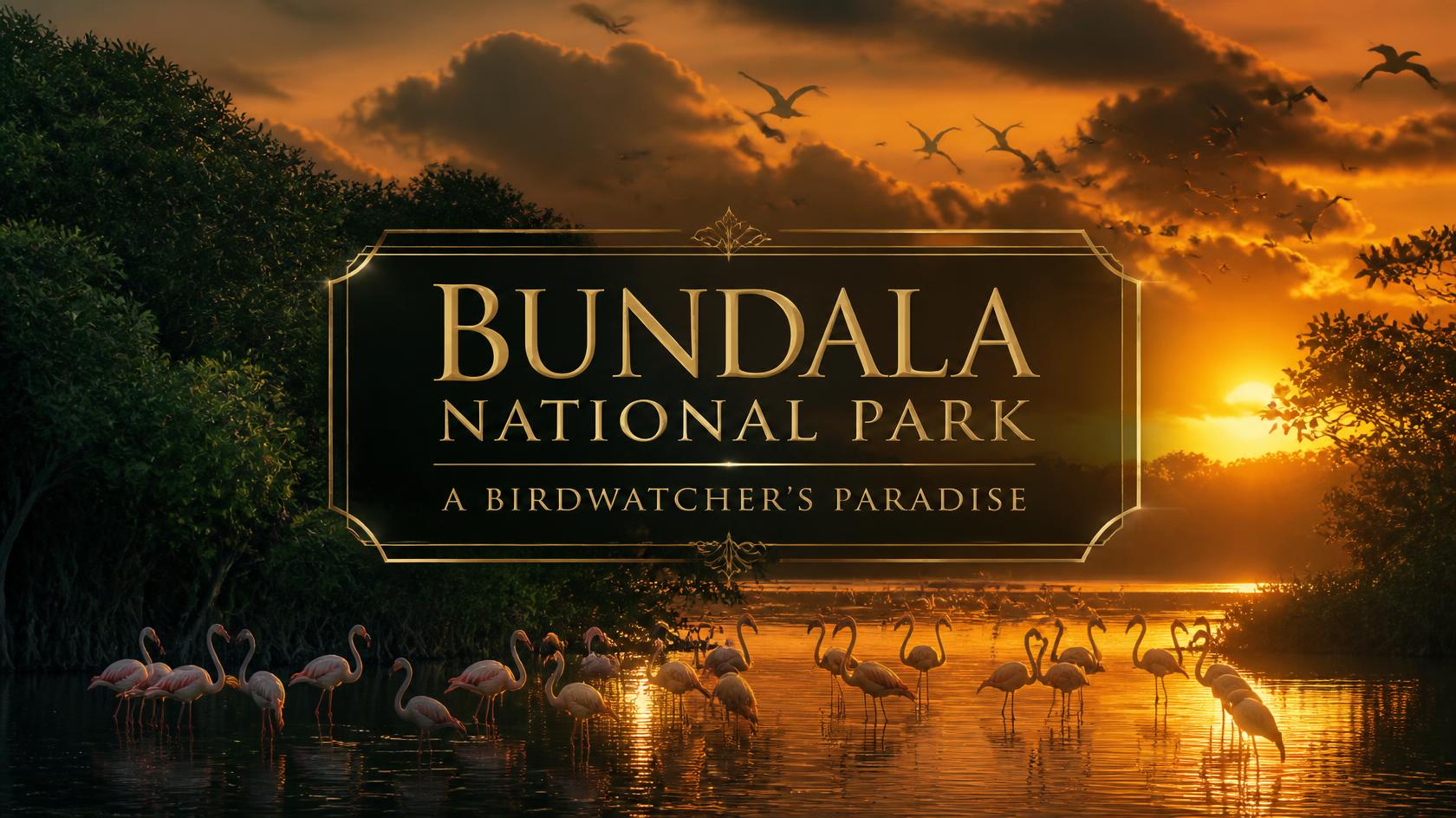
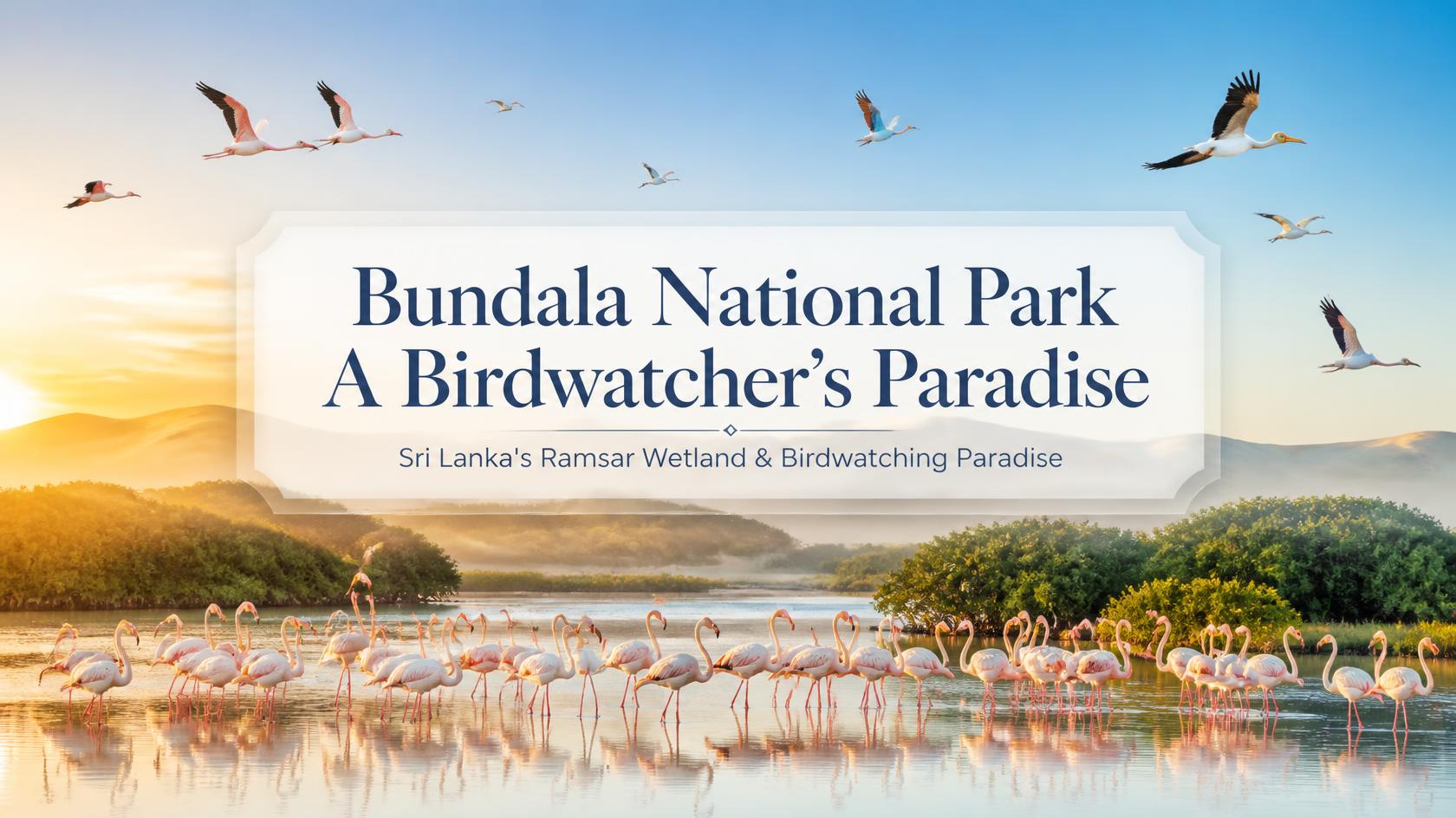
One of the most fascinating sights in Bundala is the arrival of greater flamingos. These elegant birds migrate from regions such as India and other parts of Asia, creating a breathtaking scene as they gather in large groups around the lagoons.
For photographers and bird enthusiasts, Bundala provides endless opportunities to observe birds in their natural environment without disturbing their habitats.
Famous Bird Species Found in Bundala National Park
Bundala is home to an impressive variety of bird species. Some of the most notable birds found within the park include:
Greater Flamingo
The greater flamingo is the most iconic bird associated with Bundala. These tall, pink-colored birds are a major attraction for visitors. Their arrival during migration season transforms the lagoons into a spectacular natural display.
Watching flamingos feeding in shallow waters, moving gracefully in groups, and reflecting against the calm lagoon surface is one of the unforgettable experiences of visiting Bundala.
Painted Stork
The painted stork is another beautiful bird commonly seen in the park. With its colorful wings, long beak, and graceful movements, it is a favorite among wildlife photographers.
Eurasian Spoonbill
The Eurasian spoonbill is a rare migratory bird recognized by its unique spoon-shaped bill. It uses this special feature to search for food in shallow waters.
Black-headed Ibis
This bird is commonly found around wetlands and marshes. Its long curved beak helps it find insects and small aquatic animals.
Kingfishers
Several species of kingfishers can be spotted in Bundala, including the common kingfisher and white-throated kingfisher. Their bright colors and fast movements make them exciting subjects for photography.
Pelicans and Herons
Large water birds such as pelicans, grey herons, and purple herons are frequently seen around lagoons and waterways.
Wildlife Beyond Birds
Although Bundala is mainly famous for birds, the park also supports many other forms of wildlife. Visitors can observe several mammals, reptiles, and amphibians living within this diverse ecosystem.
Some commonly seen animals include:
Sri Lankan elephants
Spotted deer
Wild boar
Golden jackals
Fishing cats
Monkeys
Crocodiles
The presence of saltwater crocodiles and mugger crocodiles adds another fascinating element to the park’s wildlife experience. These ancient reptiles can often be seen resting near lagoons and waterways.
Bundala also provides a habitat for many species of turtles, including endangered marine turtles that visit nearby coastal areas for nesting.
Unique Ecosystems of Bundala National Park
The greatest strength of Bundala is its variety of ecosystems. Unlike many wildlife parks dominated by forests, Bundala represents a coastal wetland environment.
Lagoons
The park contains several important lagoons, including Bundala Lagoon, Embilikala Lagoon, and Malala Lagoon. These water bodies provide food and shelter for thousands of birds.
Mangrove Forests
Mangrove ecosystems are essential for maintaining coastal biodiversity. They protect shorelines, provide breeding areas for aquatic species, and support many bird populations.
Salt Marshes
Salt marshes create a special environment where plants and animals adapt to high salt conditions. These areas are especially important for migratory birds searching for food.
Dry Zone Forests
The park also includes dry-zone vegetation consisting of shrubs, grasslands, and thorn forests. These habitats support mammals and reptiles.
Best Time to Visit Bundala National Park
The best period to visit Bundala is from November to March, when thousands of migratory birds arrive in Sri Lanka. During this period, bird activity is at its highest, making it the ideal season for birdwatching.
Early mornings and late afternoons are considered the best times for wildlife observation. During these hours, animals are more active, and the soft natural light creates excellent conditions for photography.
The dry season is also suitable because animals gather around available water sources, increasing the chances of sightings.
Safari Experience in Bundala
A safari in Bundala National Park offers a peaceful and educational wildlife experience. Unlike some larger parks, Bundala is less crowded, allowing visitors to enjoy nature in a calm environment.
Safari vehicles travel through different habitats, including wetlands, forests, and coastal areas. Experienced guides help visitors identify bird species, explain ecological importance, and share information about wildlife behavior.
A typical safari may include:
Birdwatching near lagoons
Wildlife photography
Observing crocodiles and mammals
Exploring coastal landscapes
Learning about wetland conservation
Because birds are the main attraction, visitors are encouraged to carry binoculars and cameras with good zoom capabilities.
Conservation Importance of Bundala
Bundala National Park plays a vital role in protecting Sri Lanka’s natural heritage. Wetlands are among the most valuable ecosystems on Earth because they support biodiversity, control floods, filter water, and maintain ecological balance.
However, these ecosystems face several challenges, including:
Climate change
Habitat destruction
Pollution
Human activities
Changes in water availability
Conservation programs within Bundala focus on protecting habitats, monitoring bird populations, and maintaining the balance between wildlife and human activities.
Protecting Bundala is not only important for Sri Lanka but also for international bird conservation because many migratory birds depend on this area during their long journeys.
Photography and Nature Experiences
Bundala is a dream destination for nature photographers. The combination of colorful birds, golden sunsets, lagoons, and untouched landscapes creates endless photographic opportunities.
Some popular photography subjects include:
Flamingos flying over lagoons
Birds reflecting in calm waters
Crocodiles resting near waterways
Elephants moving through grasslands
Sunset scenes over wetlands
Visitors should always maintain a respectful distance from animals and avoid disturbing their natural behavior.
How Bundala Contributes to Tourism in Sri Lanka
Wildlife tourism is an important part of Sri Lanka’s tourism industry, and Bundala adds a unique attraction beyond traditional safari destinations.
While parks such as Yala and Udawalawe attract visitors mainly for elephants and leopards, Bundala attracts a different group of travelers interested in:
Birdwatching
Photography
Environmental education
Ecotourism
Scientific research
The park also creates opportunities for local communities through tourism-related activities such as guiding services, accommodation, and transportation.
Responsible Tourism at Bundala
Visitors have an important responsibility to protect this fragile ecosystem. Responsible tourism practices include:
Avoiding littering
Not feeding wildlife
Maintaining silence during birdwatching
Following park rules
Respecting animals and their habitats
Small actions by visitors can help preserve Bundala for future generations.
Conclusion
Bundala National Park is much more than a wildlife destination; it is a living example of the beauty and importance of wetland ecosystems. With its stunning lagoons, diverse wildlife, and remarkable collection of resident and migratory birds, Bundala truly deserves its reputation as a birdwatcher’s paradise.
For those seeking a peaceful connection with nature, Bundala offers an unforgettable journey into one of Sri Lanka’s most valuable natural environments. The sight of flamingos gathering across shimmering waters, the sounds of birds echoing through wetlands, and the untouched beauty of the coastal landscape make Bundala a destination that represents the true spirit of Sri Lanka’s wildlife heritage.
Additional Media