


Sponsored
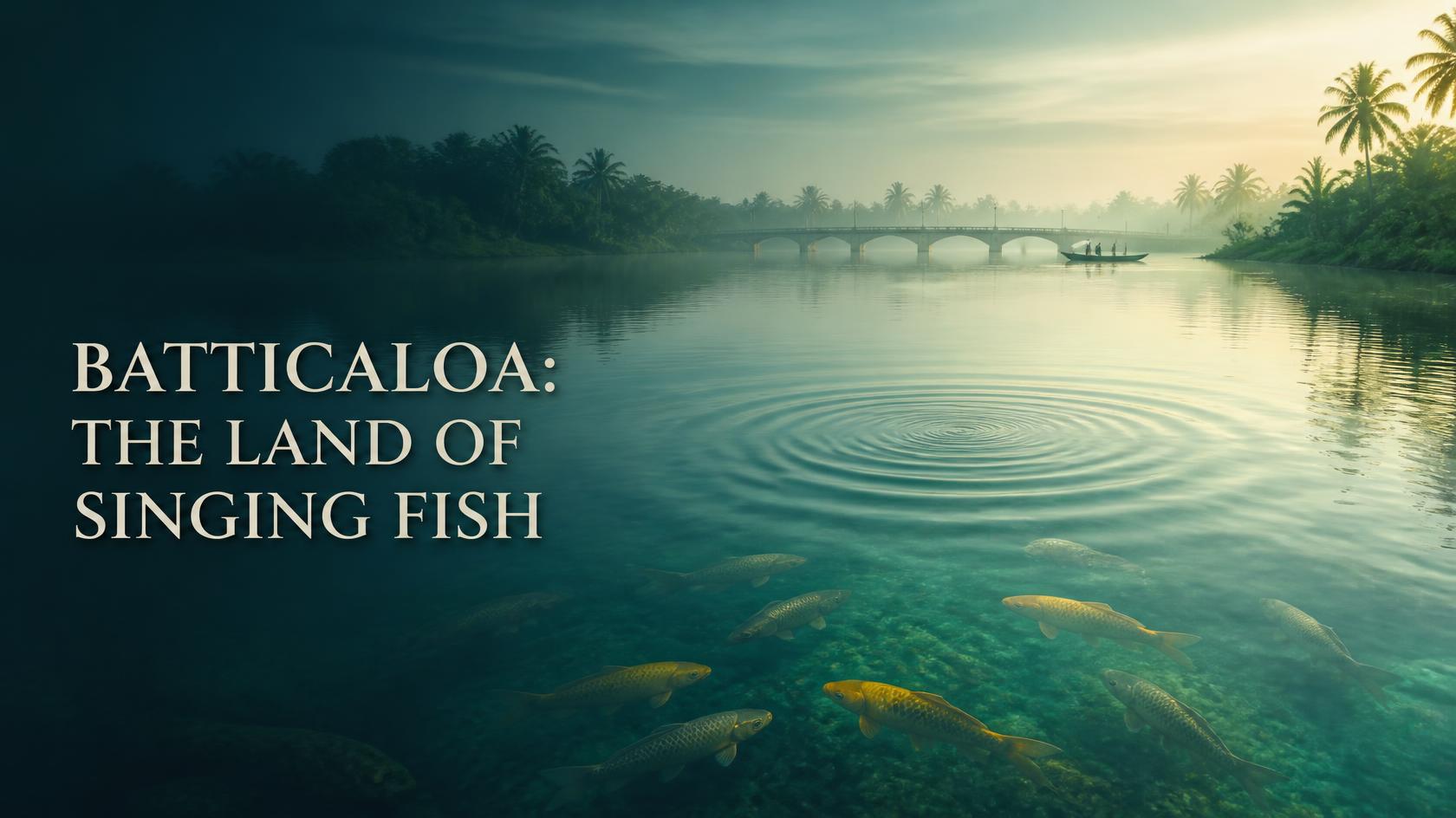
Batticaloa, located on the eastern coast of Sri Lanka, is one of the island’s most fascinating destinations. Known for its beautiful lagoon, long sandy beaches, historic landmarks, vibrant Tamil culture, and distinctive natural environment, Batticaloa has a character that is different from many other cities in Sri Lanka. Above all, the city is famous for its mysterious “singing fish”, a phenomenon associated with the waters of Batticaloa Lagoon and one of the most memorable stories connected with the region.
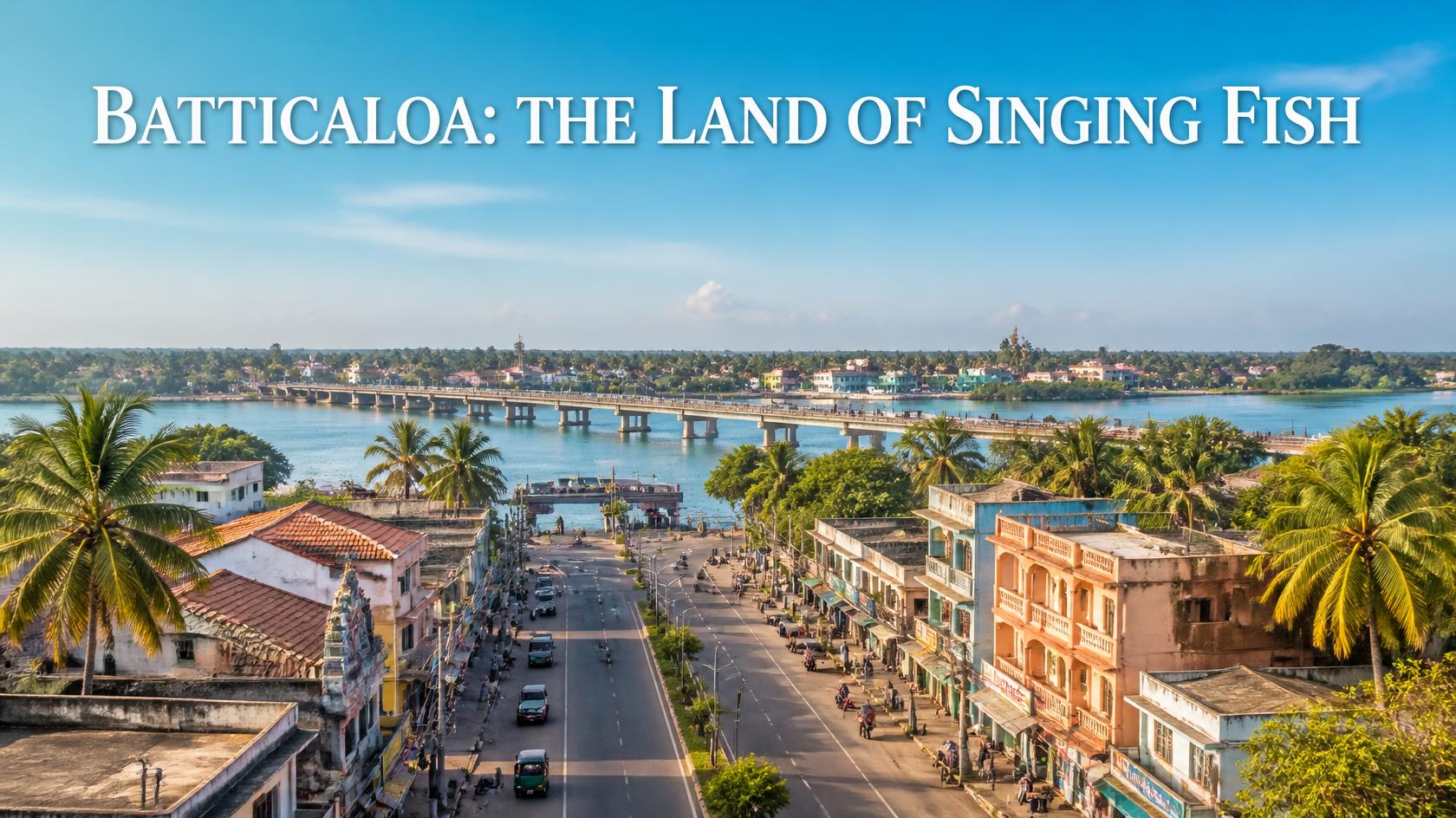
Often called the “Land of Singing Fish,” Batticaloa combines natural beauty with centuries of history and cultural traditions. The city has played an important role in the eastern region of Sri Lanka, from ancient settlements and maritime trade to the Portuguese, Dutch, and British colonial periods. Today, Batticaloa is developing as an important tourism destination where visitors can experience beaches, lagoons, historic buildings, religious sites, traditional communities, and local cuisine.
The Location and Natural Beauty of Batticaloa
Batticaloa is situated in Sri Lanka’s Eastern Province, facing the Bay of Bengal. The district is characterized by lagoons, wetlands, coastal plains, agricultural lands, and beaches. The city itself is located on a narrow land area surrounded by the extensive Batticaloa Lagoon and the sea.
The Batticaloa Lagoon is one of the defining geographical features of the region. It stretches across a large area and is connected to several smaller waterways and coastal environments. Mangroves, wetlands, mudflats, and other habitats around the lagoon support a variety of plants, fish, birds, and other wildlife.
The lagoon is not only environmentally important but also closely connected with the lives of local communities. Fishing, small-scale agriculture, transportation, and other traditional activities have historically depended on the lagoon and its surrounding resources.
The combination of lagoon and ocean gives Batticaloa a distinctive landscape. Visitors can enjoy peaceful lagoon views in one direction and wide sandy beaches in another, making the area particularly attractive to nature lovers.
Why Is Batticaloa Called the “Land of Singing Fish”?
The most famous story associated with Batticaloa is the legend of the singing fish.
According to local tradition, unusual sounds resembling musical notes can sometimes be heard from the waters of Batticaloa Lagoon, particularly under certain conditions. The phenomenon became famous through stories passed down among local communities and was eventually associated with the identity of the city.
Historically, reports about the “singing fish” attracted curiosity from visitors and researchers. Various explanations have been suggested for the sounds, including sounds produced by aquatic organisms or other natural sources within the lagoon. However, the exact scientific explanation for the traditional “singing fish” phenomenon has not been definitively established in a way that explains all historical accounts.
The legend itself has become an important part of Batticaloa’s cultural identity. Whether visitors hear the mysterious sounds or not, the story of the singing fish adds a unique element to the city’s heritage.
The name has become so strongly associated with Batticaloa that “Land of Singing Fish” is now one of the most recognizable descriptions of the city.
Batticaloa Lagoon
Batticaloa Lagoon is central to the geographical and cultural identity of the region. The lagoon provides a peaceful environment surrounded by palms, mangroves, villages, wetlands, and waterways.
Traditional fishing has long been an important livelihood for communities living around the lagoon. Local fishermen use different methods depending on the location and type of fish available. The lagoon also supports other aquatic resources that contribute to the local economy.
For visitors, the lagoon provides opportunities to enjoy boat rides, observe birds, photograph landscapes, and experience the quieter side of eastern Sri Lanka.
The lagoon is also an important ecological system. Mangrove vegetation and wetlands help protect coastal areas, provide habitats for aquatic organisms, and contribute to maintaining water quality. Protecting these ecosystems is therefore essential for both biodiversity and local livelihoods.
Kallady Bridge and the Singing Fish
One of the most well-known places connected with the singing fish story is the Kallady area, particularly the historic Kallady Bridge and the waters around it.
The old Kallady Bridge has been an important landmark connecting communities on opposite sides of the lagoon. The bridge and surrounding area have also become closely associated with the legendary sounds of the singing fish.
The original Kallady Bridge was constructed during the British colonial period and became an important part of the local transportation network. A newer bridge was later constructed to support modern transportation needs, while the old bridge remains a significant historical landmark.
The area around Kallady is especially attractive during the evening when the lagoon becomes calm and the surrounding landscape takes on a peaceful atmosphere.
Batticaloa Fort
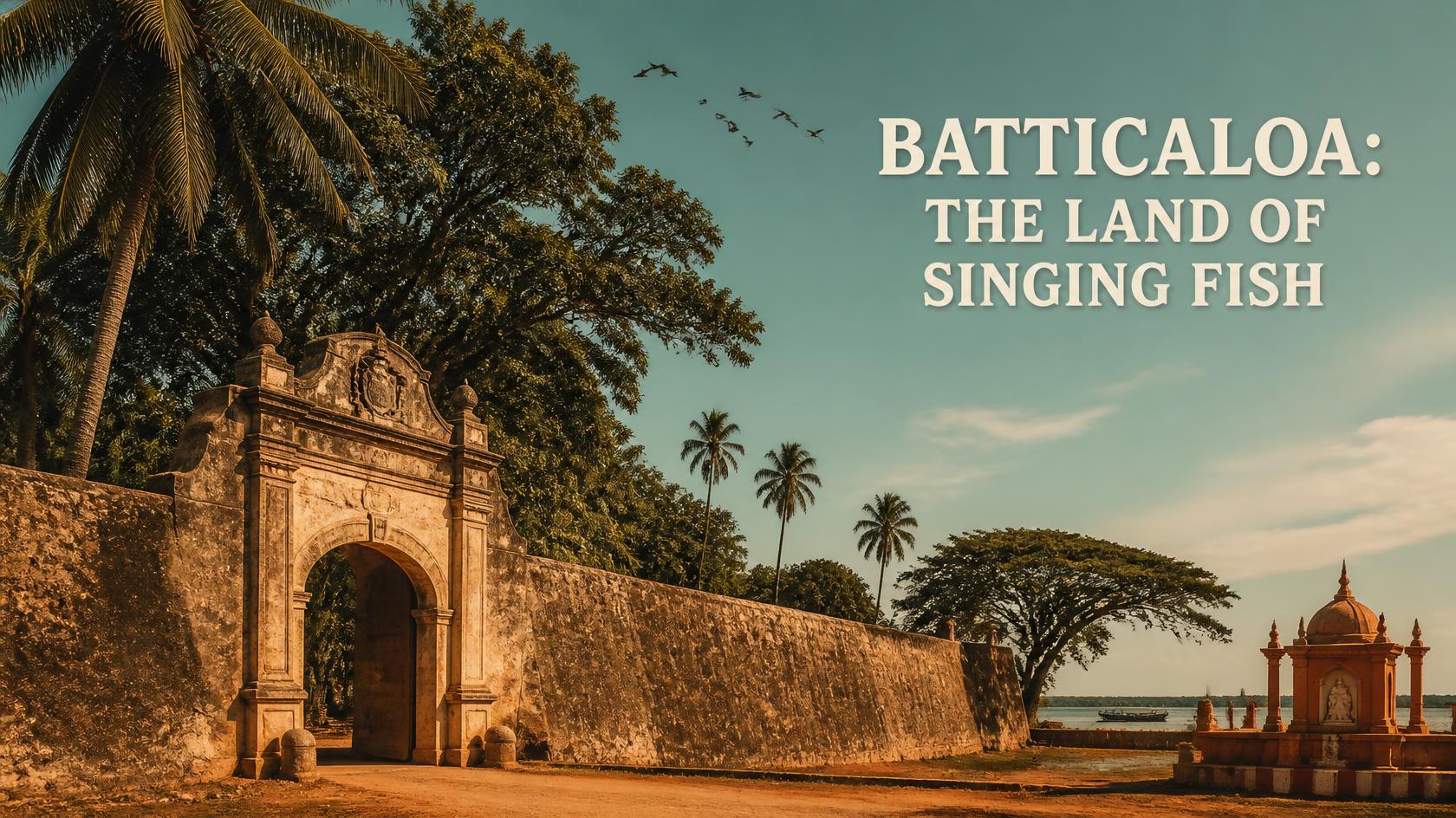
Another important attraction is Batticaloa Fort, located on an island within the lagoon. The fort reflects the city’s long colonial history and strategic importance.
The Portuguese established a fort at Batticaloa in the seventeenth century. The Dutch later captured the area and rebuilt and strengthened the fort. Eventually, the British took control of Batticaloa and used the fort during their administration.
The fort’s location is particularly interesting because it is surrounded by lagoon waters. Its walls, historic structures, and views of the surrounding landscape provide visitors with an opportunity to understand the strategic importance of Batticaloa during the colonial period.
Today, Batticaloa Fort is an important heritage attraction. It also offers beautiful views and is a popular location for photography and sightseeing.
Dutch and Portuguese Influence
Batticaloa’s history contains strong Portuguese and Dutch influences. The Portuguese arrived in Sri Lanka during the sixteenth century and gradually expanded their control over parts of the eastern and northern coastal regions.
The Dutch later replaced the Portuguese in many parts of Sri Lanka. Batticaloa became an important location under Dutch administration because of its coastal position and access to the lagoon.
Evidence of colonial influence can still be found in historic buildings, fortifications, churches, administrative structures, and place names.
The colonial period also influenced the region’s architecture, trade patterns, agriculture, and religious landscape. Batticaloa’s modern identity is therefore the result of many centuries of interaction between indigenous traditions and external influences.
Kokkadicholai and the Rural Landscape
The Batticaloa District is not limited to the city itself. Its surrounding rural areas provide a glimpse into traditional life in eastern Sri Lanka.
Agriculture is an important part of the district’s economy, with rice cultivation being particularly significant. Paddy fields spread across parts of the district, especially in areas where irrigation and seasonal rainfall support farming.
Coconut, vegetables, and other crops are also cultivated in different parts of the region. Livestock farming and fishing contribute to rural livelihoods as well.
These rural landscapes are important to understanding Batticaloa because the region’s identity is closely connected with agriculture, fishing, waterways, and village communities.
Batticaloa’s Beaches
Batticaloa is also home to several beautiful beaches. Kallady Beach is one of the best-known coastal areas near the city. Its long sandy shoreline and open views of the Indian Ocean make it a popular place for relaxation.
Further along the coast, other beaches and coastal areas provide quieter environments away from the busy urban center.
Compared with some of Sri Lanka’s more heavily developed beach destinations, parts of Batticaloa retain a relatively peaceful atmosphere. Visitors can enjoy walking along the shore, watching the waves, taking photographs, or simply experiencing the natural beauty of the eastern coast.
The beaches also provide an important environment for coastal ecosystems. Maintaining clean beaches and protecting dunes and coastal vegetation are essential for preserving these natural resources.
A Rich Tamil Cultural Heritage
Batticaloa has a strong Tamil cultural identity and is an important center of Tamil language, traditions, arts, music, and religious practices in eastern Sri Lanka.
Traditional Hindu temples, churches, mosques, and other religious institutions can be found throughout the district. Religious festivals and community celebrations play an important role in local life.
Batticaloa is also known for its traditional forms of music and dance. Cultural practices have been passed down through generations and continue to contribute to the identity of the region.
The city’s cultural diversity is also reflected in its food. Rice, seafood, coconut, spices, and locally available vegetables form important parts of traditional eastern Sri Lankan cuisine.
Visitors who spend time in Batticaloa can therefore experience not only natural attractions but also the living cultural heritage of the communities that call the region home.
Religious and Cultural Landmarks
Batticaloa contains several religious sites representing the diverse communities of the region.
Hindu temples are particularly important within the local Tamil cultural landscape. These temples serve not only as places of worship but also as centers for festivals, community activities, traditional arts, and cultural gatherings.
Christianity also has a long history in the region, influenced partly by Portuguese and later European presence. Several historic churches can be found in Batticaloa and surrounding areas.
Mosques also reflect the long-standing presence of Muslim communities in the Eastern Province.
Together, these religious sites demonstrate Batticaloa’s multicultural history and the coexistence of different religious traditions.
Batticaloa’s Economy
The economy of Batticaloa is based on several important sectors. Agriculture, fishing, livestock, trade, services, and tourism all contribute to the livelihoods of people in the district.
Fishing remains particularly important because of the extensive lagoon and coastal environment. Fishermen depend on both lagoon and sea resources, although the availability of fish can vary according to seasons, weather, environmental conditions, and other factors.
Agriculture, especially paddy cultivation, is another major economic activity. The fertile plains and irrigation systems support farming communities throughout the district.
Tourism has significant potential to become an even more important part of the local economy. The combination of beaches, lagoons, historical sites, cultural traditions, and unique attractions such as the singing fish gives Batticaloa a distinctive tourism identity.
The Importance of Sustainable Tourism
As tourism grows, protecting Batticaloa’s environment and cultural heritage becomes increasingly important.
The lagoon ecosystem is particularly sensitive. Pollution, destruction of mangroves, overfishing, uncontrolled development, and improper waste disposal can affect aquatic life and the livelihoods of communities that depend on the lagoon.
Sustainable tourism can help address these challenges by encouraging responsible travel and supporting local communities.
Visitors can contribute by avoiding plastic waste, respecting religious and cultural sites, following local environmental regulations, and choosing locally owned businesses and services when possible.
Protecting Batticaloa’s natural and cultural resources will ensure that future generations can continue to benefit from them.
Batticaloa as a Tourism Destination
Batticaloa offers a different experience from many of Sri Lanka’s better-known tourist destinations. Instead of focusing only on major attractions, visitors can explore the slower pace of life around the lagoon, discover historical sites, interact with local communities, enjoy traditional food, and experience the beauty of the eastern coastline.
A trip to Batticaloa can include a visit to Batticaloa Fort, a walk around Kallady, a lagoon boat ride, time at the beach, and exploration of local religious and cultural sites.
The city is particularly suitable for travelers interested in history, culture, nature, photography, and authentic local experiences.
Best Time to Visit Batticaloa
The eastern coast of Sri Lanka has its own seasonal weather pattern. The period from approximately April to September is generally considered favorable for enjoying many coastal attractions in the east, although actual weather conditions can vary from year to year.
During suitable weather, visitors can enjoy beaches, lagoon activities, sightseeing, and outdoor exploration more comfortably.
As with any coastal destination, travelers should check current weather and sea conditions before participating in swimming, boating, or other water-based activities.
Conclusion
Batticaloa is a city where nature, history, culture, and mystery come together. Its extensive lagoon, beautiful beaches, colonial fort, traditional communities, religious landmarks, and rich cultural heritage make it one of the most distinctive destinations in Sri Lanka.
Yet the feature that gives Batticaloa its special place in the imagination of visitors is undoubtedly the legend of the singing fish. Whether viewed as a fascinating natural mystery, a traditional story, or an important part of local cultural identity, the singing fish have helped make Batticaloa famous far beyond the Eastern Province.
The city’s true beauty, however, goes beyond this legend. The calm waters of Batticaloa Lagoon, the historic walls of Batticaloa Fort, the sandy shores of Kallady Beach, the surrounding paddy fields, and the traditions of its communities together create a destination with remarkable character.
Batticaloa represents another important side of Sri Lanka—a side where lagoons meet the sea, history lives alongside modern communities, and cultural traditions remain an important part of everyday life.
For travelers looking for a destination that combines natural beauty, history, culture, and a touch of mystery, Batticaloa offers an unforgettable experience.
It is not simply a city on Sri Lanka’s eastern coast. It is a place with a story of its own—a story carried by its lagoon, its people, its history, and, perhaps most famously, the mysterious sounds of its singing fish.
Additional Media

Sponsored