Sponsored
Anuradhapura, Sri Lanka: Exploring the Ancient City's Enduring Legacy
Rakshika Rathnayake7/6/20265 min read
Share:Facebook
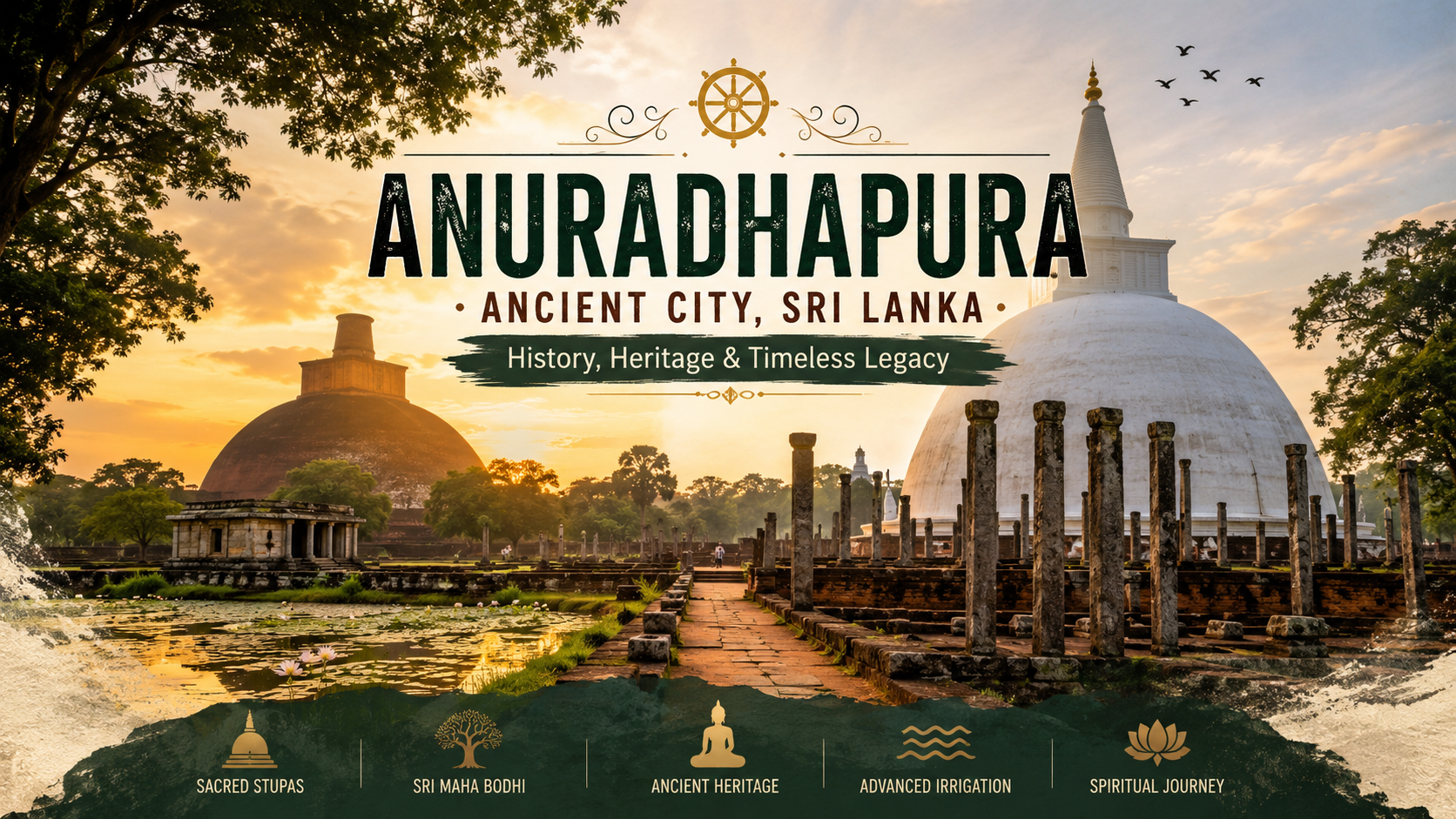
Nestled in the heart of Sri Lanka's North Central Province, the ancient city of Anuradhapura stands as a testament to a civilization that flourished for over a millennium. As one of the oldest continuously inhabited cities in the world, this sprawling complex of ruins, monasteries, and towering stupas tells the story of Sri Lanka's first established kingdom. For more than 1,300 years, it was the island's political and religious capital, a center of power and a cradle of Theravada Buddhism. Today, the sheer scale and sanctity of its well-preserved ruins have earned it the designation of a UNESCO World Heritage site, attracting pilgrims and history enthusiasts from across the globe. This ancient village of Anuradhapura offers a profound glimpse into a rich and spiritual past.
The Rich History and Strategic Location of Anuradhapura
The history of Anuradhapura began when it was formally established as a capital in the 4th century BCE by King Pandukabhaya. Strategically located on the banks of the Malwathu Oya river, the city grew into a sophisticated urban center, renowned for its advanced irrigation systems, including massive reservoirs that sustained a thriving agricultural society in the dry zone. This engineering prowess was a cornerstone of the Anuradhapura kingdom's stability and prosperity for centuries.
With the introduction of Buddhism to Sri Lanka in the 3rd century BCE, Anuradhapura's importance soared. It transformed into a major intellectual and spiritual hub for Theravada Buddhism, home to vast monastic complexes that housed thousands of monks. For approximately 1,500 years, a succession of 113 kings ruled from this historical capital, commissioning the construction of magnificent palaces and monuments. The kingdom's long reign eventually came to an end following repeated invasions from South India, which led to the city's abandonment in 993 CE. For nearly a thousand years, the ancient city lay dormant, reclaimed by the jungle until its rediscovery in the 19th century.
Why Anuradhapura is Famous: Unveiling Its Iconic Historical Sites
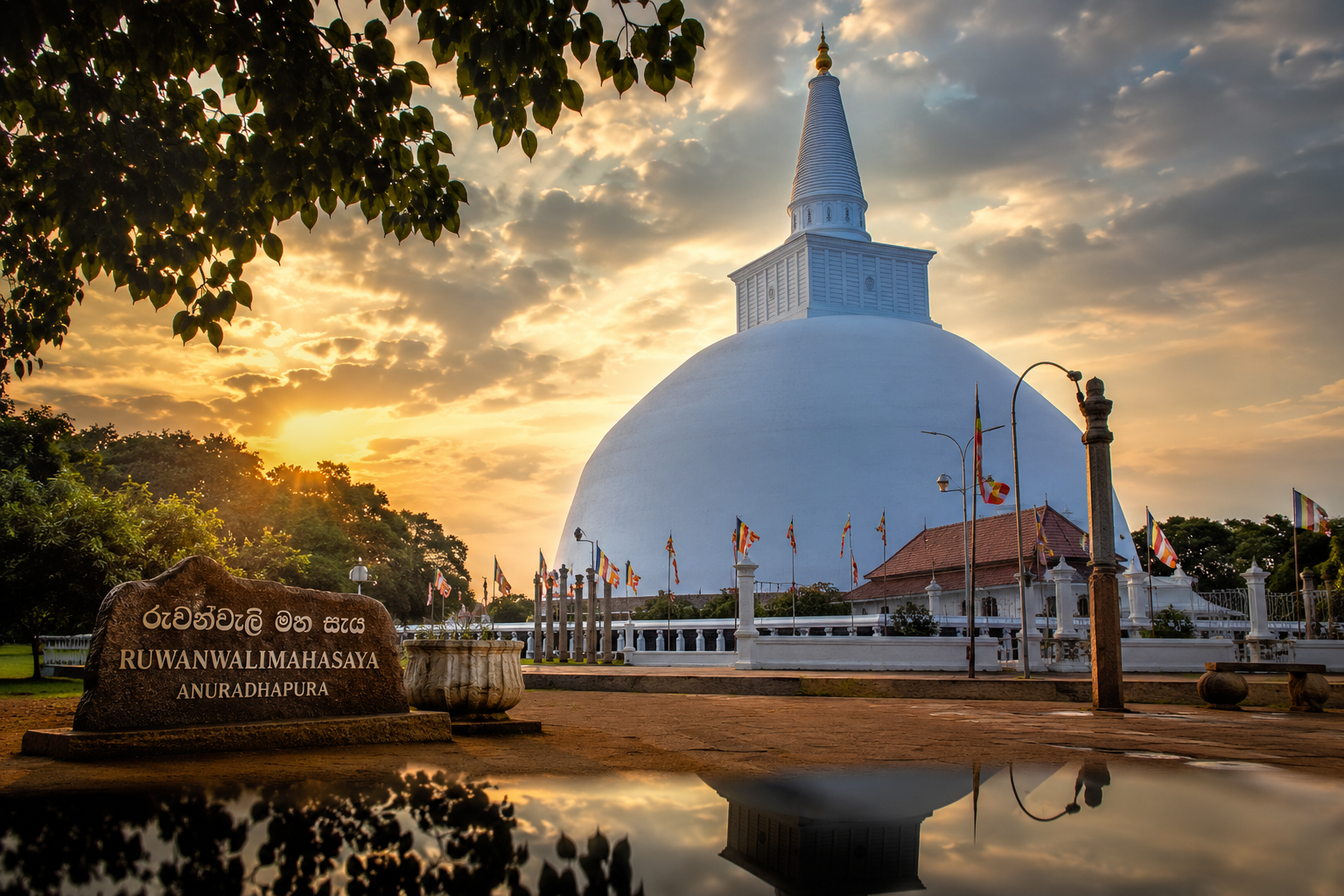
Anuradhapura's fame stems from its incredible collection of well-preserved ruins and its deep spiritual significance. The city was designated a UNESCO World Heritage site in 1982, recognizing its immense cultural and historical value. The landscape is dominated by enormous bell-shaped stupas, or dagobas, which are some of the tallest ancient monuments in the world. Among the most revered are the Ruwanwelisaya, built by King Dutugemunu in the 2nd century BCE, which enshrines the largest collection of the Buddha's relics found anywhere.
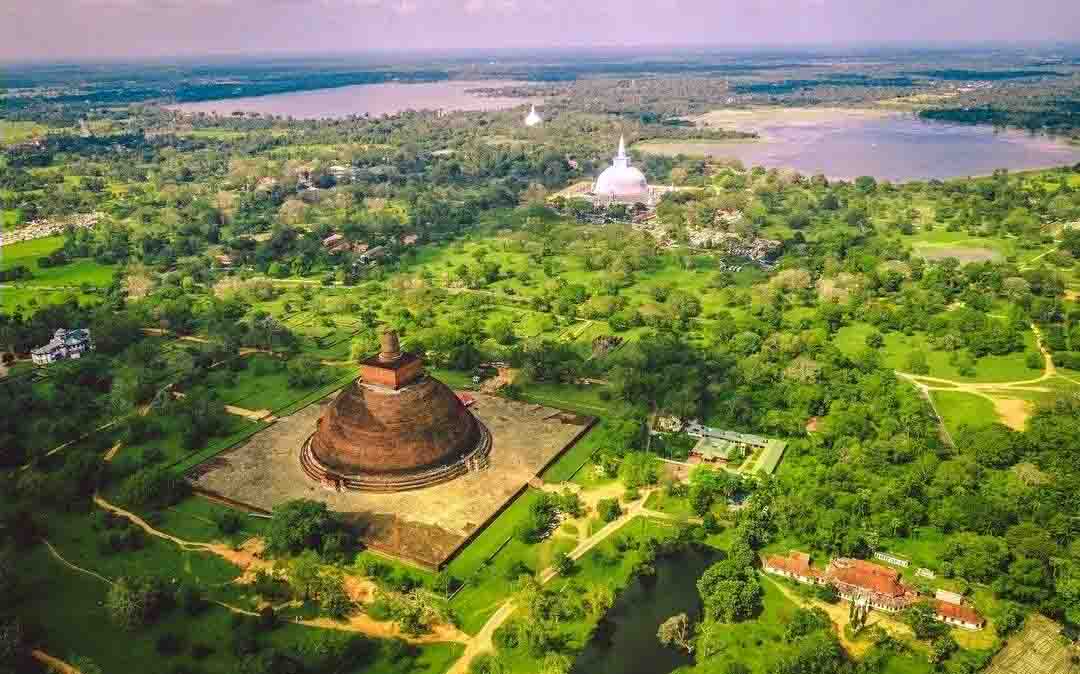
Another architectural marvel is the Jetavanaramaya stupa. When constructed by King Mahasena in the 3rd century CE, it was the third tallest structure in the world, surpassed only by the great pyramids of Giza. It remains the largest brick structure in the world. The Abhayagiri stupa is another key feature of the Anuradhapura ruins, once part of a massive monastery that housed up to 5,000 monks. Perhaps the most sacred site in this ancient monastic city is the Sri Maha Bodhi. This sacred fig tree grew from a cutting of the very tree under which the Buddha is said to have attained enlightenment, brought to Sri Lanka in 288 BCE. It is the oldest living human-planted tree in the world with a known planting date, making it a focal point of pilgrimage for Buddhists worldwide.
Additional Media