Sponsored
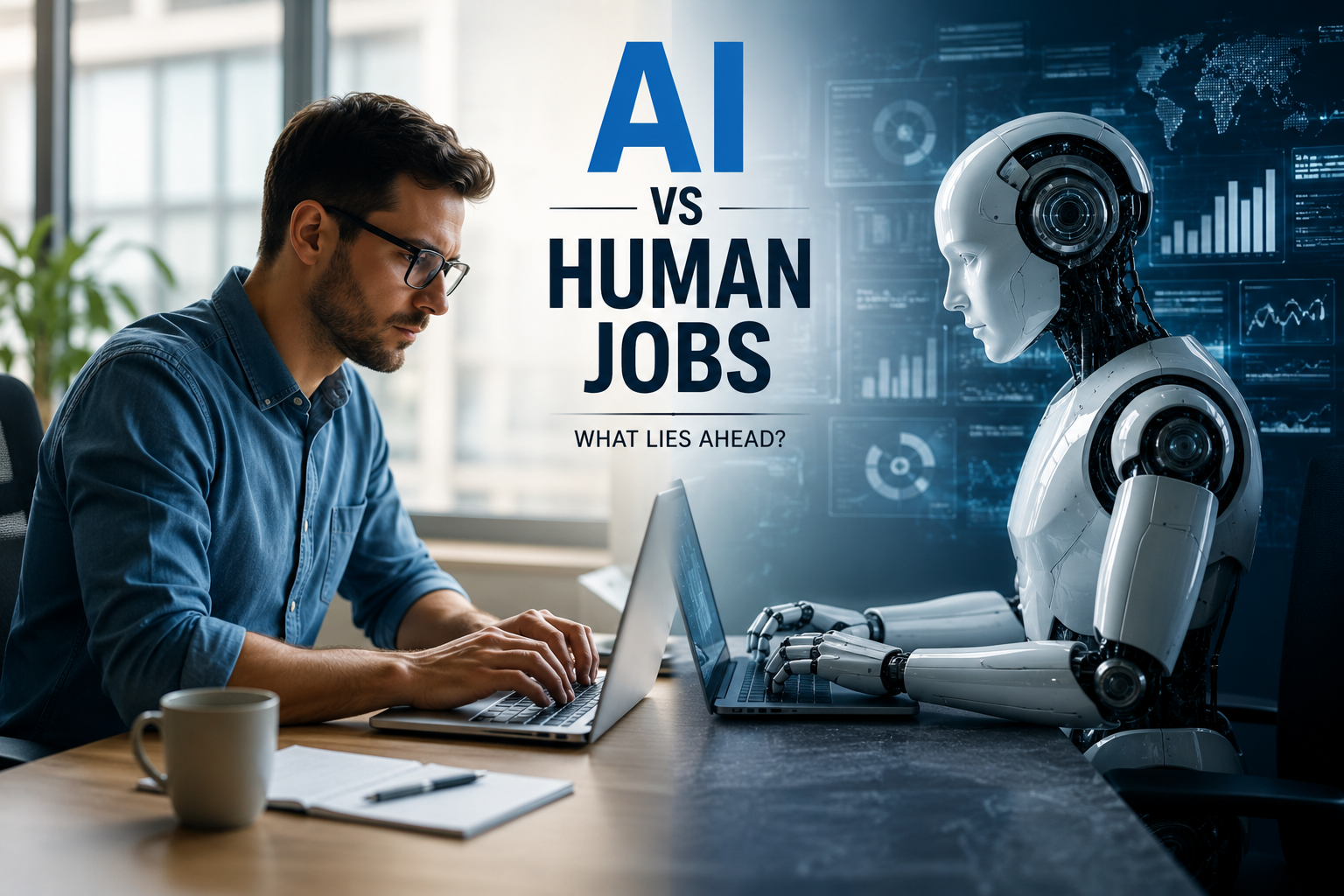
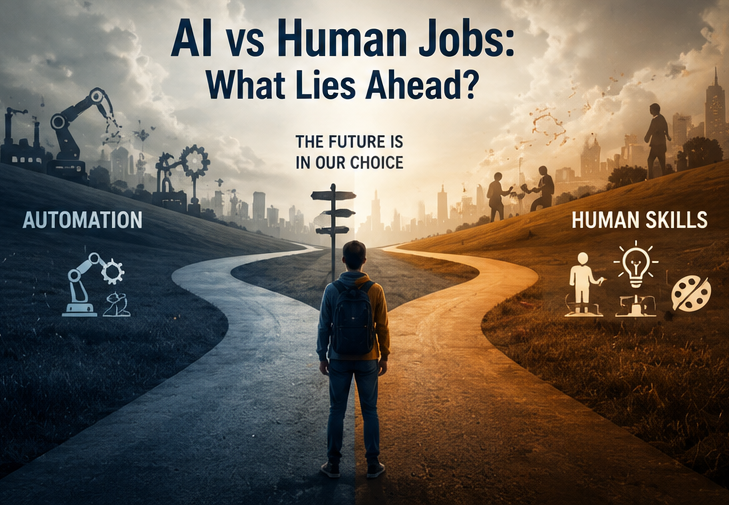
Artificial Intelligence (AI) is rapidly becoming a part of our everyday lives. From voice assistants and online customer support to self-driving vehicles and advanced healthcare systems, AI technology is transforming the way we live and work. While these developments bring many benefits, they have also raised an important question: Will AI replace human jobs in the future?
There is no doubt that AI can perform many tasks faster and more accurately than humans. In industries such as manufacturing, logistics, and data processing, machines can work continuously without fatigue. Businesses often use AI to improve efficiency, reduce costs, and increase productivity. As a result, some traditional jobs that involve repetitive tasks may gradually disappear or require fewer workers.
However, this does not necessarily mean that humans will become unnecessary in the workplace. Throughout history, technological advancements have changed the nature of work rather than eliminating it completely. For example, the introduction of computers reduced the need for certain manual tasks but also created entirely new careers in software development, IT support, digital marketing, and cybersecurity. Similarly, AI is expected to create new opportunities in fields such as machine learning, data science, AI ethics, robotics, and technology management.
One of the biggest advantages humans have over AI is creativity. While AI can analyze information and generate content, it still lacks genuine human emotions, intuition, and original thinking. Professions that require empathy, leadership, communication, and problem-solving are likely to remain human-centered for many years. Teachers, healthcare professionals, psychologists, artists, social workers, and managers provide value that machines cannot fully replicate.
At the same time, workers must be prepared to adapt to changing workplace demands. Learning new skills and embracing technology will become increasingly important. Digital literacy, critical thinking, and adaptability will be among the most valuable skills in the future job market. Educational institutions and employers also have a responsibility to help people develop these skills through training and lifelong learning opportunities.
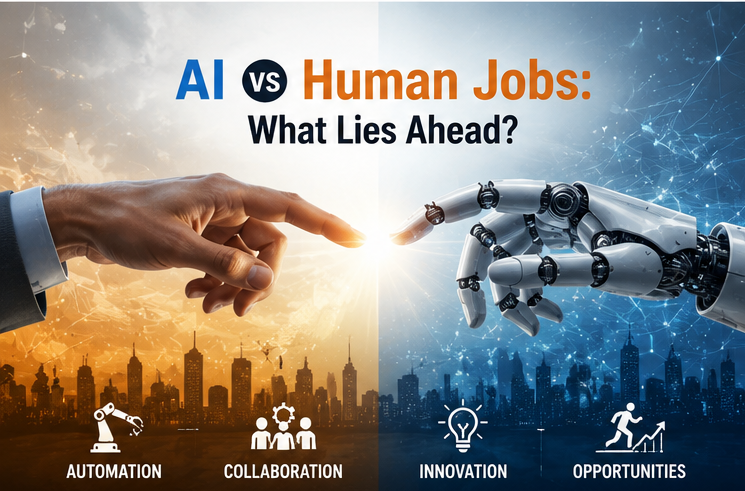
The future workplace will likely involve collaboration between humans and AI rather than competition. AI can handle repetitive and data-heavy tasks, allowing people to focus on strategic decision-making, innovation, and interpersonal relationships. This partnership can improve productivity while creating a more efficient and balanced work environment.
AI will undoubtedly change the employment landscape, but it is unlikely to replace humans entirely. Instead, it will reshape jobs and create new opportunities for those willing to learn and adapt. The key to success in the age of AI is not to fear technology but to understand it and use it as a tool for growth. As AI continues to evolve, the future belongs to those who can combine human creativity and intelligence with technological innovation.
Additional Media